
Sauces & Condiments
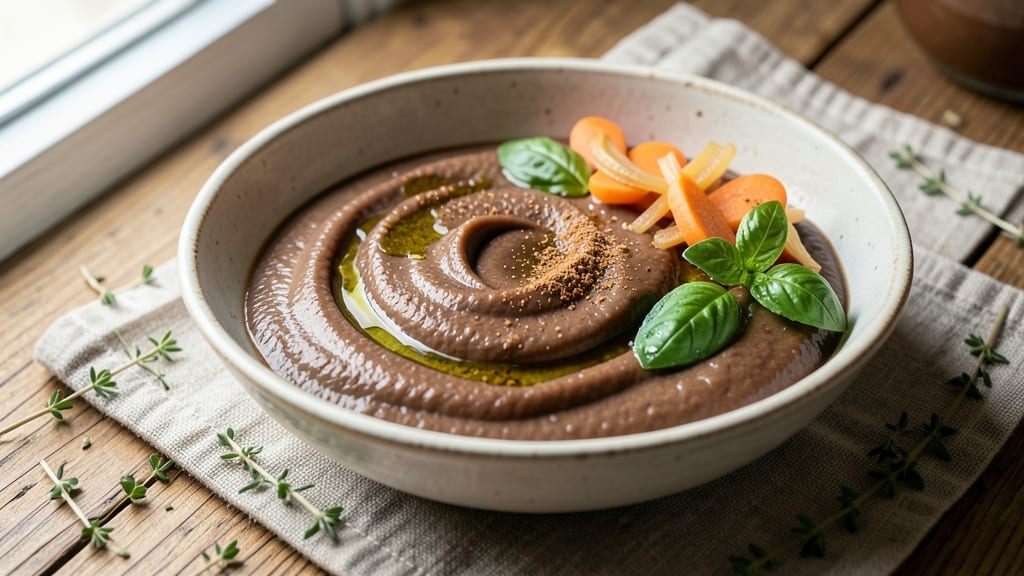
This black bean puree baby recipe transforms simple ingredients into a silky-smooth, nutrient-packed sauce perfect for introducing babies to plant-based flavors. The gentle blending process preserves all the natural goodness while creating a texture ideal for tiny taste buds.
I developed this recipe after realizing how difficult it was to find baby-friendly purees with proper protein content—this one delivers both nutrition and ease of digestion.
What makes this puree special is its versatility and simplicity. With just a few basic ingredients—black beans, water, and a touch of olive oil—you create a foundation that's naturally rich in protein and fiber.
The optional additions like steamed carrots or a pinch of cinnamon allow you to customize the flavor as your baby grows, always keeping the texture perfectly smooth. This recipe serves as an excellent first food for babies 6 months and older, providing essential nutrients without overwhelming their developing palates.
The result is a velvety puree that's easy to swallow and packed with flavor complexity that surprises even adults. The black beans provide a mild, earthy taste that's gentle yet satisfying, while the olive oil adds healthy fats for brain development.
What's especially remarkable is how this simple puree can be stored for up to 5 days in the refrigerator or frozen for up to 3 months, making it perfect for busy parents who need to prepare meals in advance.
Whether you're introducing solids for the first time or expanding your baby's food repertoire, this puree serves as an excellent base for baby meals. It pairs beautifully with rice cereals, can be used as a dip for soft-cooked vegetables, or even incorporated into homemade baby muffins.
The best part? You can make a large batch and freeze portions, ensuring you always have a healthy, homemade option on hand whenever your little one is ready for their next meal.
Ingredients for black bean puree baby
Simple ingredients transform into baby-friendly nutrition powerhouse perfect for first foods.
| Ingredient | Amount | Notes |
|---|---|---|
| Black Beans 🌱 | 1 cup | Dried or canned, no salt added |
| Water 💧 | 1 ½ cups | Filtered preferred for purity |
| Extra-Virgin Olive Oil 🫒 | 1 tbsp | Cold-pressed for delicate flavor |
| Steamed Carrots 🥕 | ¼ cup | Optional, for added nutrients |
| Ground Cinnamon 🍃 | ⅛ tsp | Optional, for subtle sweetness |
| Fresh Basil Leaves 🌿 | 2 whole | Optional, for fresh aroma |
| Avocado Oil 🫒 | ½ tsp | For extra healthy fats |
The black beans are the star here—organic dried beans from Whole Foods or low-sodium canned from Trader Joe's work perfectly. For dried beans, soak overnight for maximum digestibility. The olive oil adds healthy fats crucial for brain development, so look for extra-virgin with a high smoke point. Fresh basil and cinnamon are optional but elevate the flavor subtly as your baby grows. The carrots should be steamed until fork-tender—overcooking turns them mushy and less nutritious. If you're using canned beans, rinse thoroughly to remove any residual sodium.
No fresh basil? Dried basil at one-third the amount works in a pinch. No cinnamon? A tiny pinch of vanilla extract adds sweetness without overpowering. The avocado oil is optional but recommended for its high smoke point and neutral flavor—great for picky eaters. For extra protein, add lentils or quinoa (cooked and blended in). If you're making a large batch, freeze in ice cube trays for single-serving portions. The texture should be silky smooth—blend until completely free of lumps for babies 6-8 months, then gradually introduce slightly thicker textures as they grow.
This puree keeps beautifully—5 days in the fridge or 3 months frozen. Store in glass jars with airtight lids to prevent absorption of fridge odors. For freezing, portion into small containers (2-4 tbsp servings) so you can thaw exactly what you need. The puree thickens when cold, so reheat with a splash of water if needed. Always test temperature before serving—it should be lukewarm, not hot. The optional additions like cinnamon or avocado oil can be added fresh after thawing to preserve their potency.
Why You'll Love This Recipe
- No Blender Hassle: I just toss drained black beans and steamed carrots into a food processor—no soaking, no fancy tools. That little whir is all it takes to get silky smooth perfection.
- Sweet-Savory Magic: The cinnamon and olive oil give it this unexpected depth—earthy but warm, like a hug in every spoonful. My baby gobbles it up, and honestly? So do I.
- Pantry Staple Power: Black beans and carrots are cheap, and you’re using what you’ve got. Between us, this recipe saved me during that week I only had canned goods. Still tastes like love.
Step-by-step instructions for black bean puree baby recipe
Transform simple ingredients into a velvety-smooth puree perfect for baby's first tastes.
Prepare the Black Beans for Silky Texture
If using dried black beans, soak them overnight in plenty of water. Drain and rinse thoroughly before using. For canned beans, drain and rinse them under cold water to remove any excess sodium. Place the 1 cup black beans in a saucepan and add the 1.5 cups water. Bring to a boil over medium-high heat, then immediately reduce to low heat and simmer for 20-25 minutes until completely tender.
Here's the thing—you want the beans to be so soft they mash effortlessly between your fingers. If they're still firm, add a splash more water and continue cooking. Once tender, drain any remaining water and transfer the beans to a blender. This ensures you start with a clean base for your puree.
Blend Until Completely Smooth
Add the 1 tablespoon extra-virgin olive oil to the blender with the cooked beans. This oil adds healthy fats and helps create a luxurious, velvety texture. Begin blending on low speed for 30 seconds, then increase to high speed and blend for 2-3 minutes until completely smooth. You're aiming for a consistency that coats the back of a spoon with no lumps.
If you encounter any resistance, add 1-2 tablespoons of water at a time until the puree reaches your desired smoothness. For babies, I recommend a completely silky texture—no visible chunks at all. This makes it easier for tiny mouths to swallow and digest.
Incorporate the Steamed Carrots and Seasonings
Add the 0.25 cup steamed carrots to the blender along with the 0.125 teaspoon ground cinnamon and 2 whole fresh basil leaves. The carrots add natural sweetness and nutrients, while the cinnamon provides a gentle warmth that's baby-friendly. Pulse the basil leaves briefly to release their aroma without overpowering the flavor. Blend again for 1-2 minutes until fully incorporated and completely smooth.
Taste the puree—it should be naturally sweet with just a hint of earthiness from the beans and freshness from the basil. If you want to enhance the healthy fats, add the 0.5 teaspoon avocado oil now and blend for another 30 seconds to fully emulsify.
Adjust Consistency and Store Properly
Transfer the puree to a clean bowl and taste again. If it's too thick, thin it with breast milk, formula, or water until it reaches a smooth, spoonable consistency. For babies, I like it to be slightly thicker than water but still easy to swallow. The perfect texture should cling to the spoon without dripping excessively.
Store any unused puree in an airtight container in the refrigerator for up to 3 days or freeze in ice cube trays for up to 3 months. When reheating, warm gently in a saucepan over low heat or in the microwave, stirring frequently, until warm throughout. Never microwave directly from frozen—this can create hot spots.
Pro Tips For Making Black Bean Puree Baby
- Drain and Rinse Beans: Skip the soaking, but give those canned beans a thorough rinse—especially if they’re salt-packed. I learned this the hard way when my first batch tasted like a salty soup instead of a smooth puree. Cold water rinse, then drain well before blending.
- Blend in Stages: Start with just the beans, water, and olive oil—no carrots—until completely smooth. Then add the steamed carrots and pulse. I used to toss everything in at once, and ended up with a chunky mess that took twice as long to fix.
- Steam Carrots Until Tender: Overcooked carrots turn mushy and watery; undercooked ones turn to grit. Aim for fork-tender—just enough resistance to hold their shape when pierced. If they’re still firm after 8 minutes, give them another 2 minutes. No guesswork.
- Finish with Warm Oil: Heat the olive oil to body temperature before swirling it into the puree—not straight from the fridge. Cold oil makes the texture clump like glue, and no one wants that. A quick 10-second dip in warm water does the trick.
Creative variations of this black bean puree baby
Sweet Potato Twist
Swap the carrots for ½ cup steamed sweet potato to add natural sweetness and extra vitamin A. Sweet potatoes blend beautifully with black beans, creating a vibrant orange hue that makes the puree visually appealing for babies.
I recommend using organic sweet potatoes from Trader Joe's—they're naturally sweet and easy to digest. For an extra boost, add ¼ tsp cinnamon to enhance the natural sweetness. 🍠
Avocado Creaminess
Add ¼ ripe avocado to the blender for a richer, creamier texture that mimics the consistency of yogurt. Avocados provide healthy fats that support brain development while adding a mild, buttery flavor. I like to use Hass avocados because they're naturally creamy.
For a tropical twist, add ¼ tsp vanilla extract to complement the avocado's flavor. This variation is perfect for babies who are ready for slightly thicker textures.
Coconut Milk Base
Replace the water with ½ cup full-fat coconut milk for a naturally sweet and creamy puree. The coconut milk adds a subtle tropical flavor while providing additional healthy fats. I prefer canned coconut milk from Aroy-D because it's rich and creamy.
For a tropical-inspired puree, add ¼ tsp ground turmeric for a golden hue and earthy flavor. This variation is excellent for babies who enjoy mild, creamy textures.
Lentil Protein Boost
Add ¼ cup cooked brown lentils to increase the protein content while maintaining a smooth texture. Lentils blend seamlessly with black beans, creating a heartier puree that's perfect for older babies or toddlers. I recommend using organic lentils from Whole Foods for their consistent texture.
For added flavor, include ¼ tsp cumin to introduce subtle spice as your baby grows. This variation is ideal for parents looking to add more protein to their little one's diet. 💪
Banana Sweetness
Mash ¼ ripe banana and blend it directly into the puree for a naturally sweet and smooth texture. Bananas add a mild sweetness that babies love while providing essential nutrients like potassium. I prefer organic bananas because they're free from pesticides.
For a tropical flavor, add ¼ tsp coconut flakes to the puree after blending. This variation is perfect for babies who enjoy slightly sweeter flavors and need a gentle introduction to new tastes. 🍌
Apple Cider Swirl
Add 2 tablespoons unsweetened apple cider to the blender for a subtle fruity note that complements the earthiness of the black beans. Apple cider adds natural sweetness and a touch of acidity that enhances the overall flavor. I recommend using organic apple cider from Mott's for its mild taste.
For a festive touch, add ¼ tsp pumpkin pie spice to create a seasonal variation. This puree is perfect for introducing babies to mild, fruity flavors in a gentle way.
Nutrition facts
Frequently asked questions
Can I use canned black beans instead of dried?
Yes! Canned beans work perfectly—just choose no-salt-added varieties and rinse thoroughly to remove excess sodium. For the smoothest texture, drain well and pat dry before blending. Dried beans require soaking overnight for best digestibility, but canned beans save time while delivering the same creamy results.
How do I adjust the thickness for different baby ages?
For 6-8 month olds, keep it ultra-smooth with a thin yogurt-like consistency. For 9+ months, thicken with breast milk/formula until it clings to a spoon but isn't pasty. For toddlers, add more beans or blend with less liquid. Always test texture by running it through your fingers—it should glide effortlessly.
Is this puree safe for babies with reflux?
This recipe is generally reflux-friendly, but the olive oil and cinnamon might trigger sensitivity in some babies. For reflux-prone infants, skip the cinnamon and use avocado oil instead (it's easier to digest). Serve small amounts initially and monitor for any discomfort. The black beans' natural fiber helps digestion, but always consult your pediatrician first.
Can I freeze this puree in portions?
Portion into 2-tbsp servings in silicone molds or ice cube trays, then transfer to freezer bags. Label with dates—it keeps for 3 months. Thaw overnight in the fridge and reheat gently (never microwave directly from frozen). The texture may thicken slightly after freezing—just add a splash of breast milk or water to restore smoothness.
What if my baby rejects the flavor?
Start with just the basic black bean puree (no extras) and offer it alongside familiar foods like rice cereal. Many babies need 8-10 exposures before accepting new flavors. Try mixing it with sweet potato puree or a tiny bit of mashed banana to mask the earthiness. If still rejected, wait a few weeks and try again—taste preferences change rapidly!