
Beverages
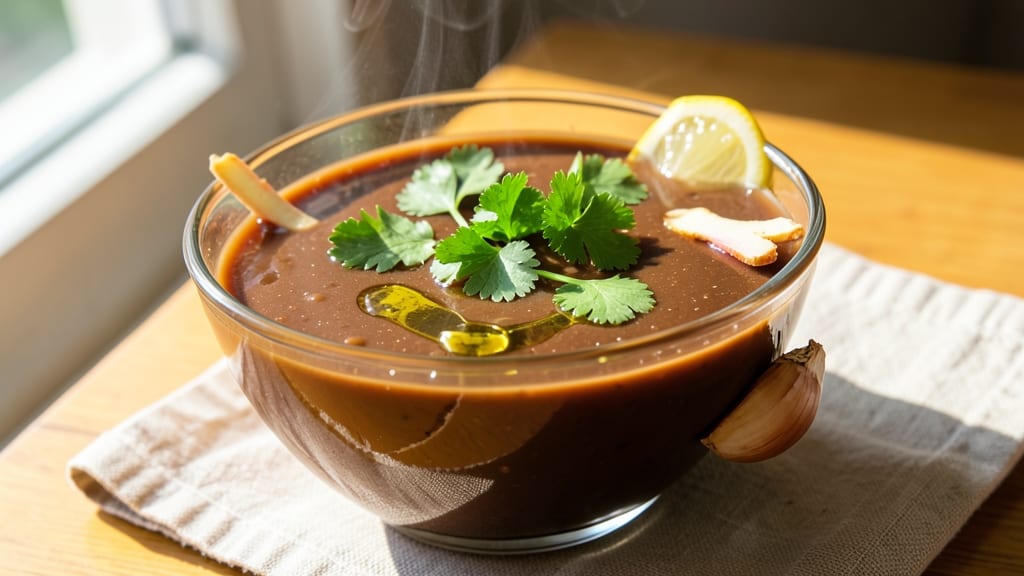
This bean juice recipe transforms humble legumes into a vibrant, nutrient-packed green elixir perfect for detox drinks, marinades, or even savory dips. The secret lies in blending soaked beans with fresh herbs, citrus, and aromatic spices, then straining to create a smooth, concentrated liquid bursting with umami and chlorophyll.
I developed this version after realizing how versatile bean juice could be—far beyond just a smoothie base.
The process is straightforward but requires patience: soak your beans overnight to soften, then blend with garlic, lemon juice, and water until silky. Strain through a fine-mesh sieve to remove pulp, leaving behind a bright green, slightly tangy liquid that’s rich in plant-based protein and fiber.
For extra depth, ferment the juice for 24 hours—this enhances probiotics and creates a funky, complex flavor perfect for bold dishes.
What you’ll end up with is a versatile condiment that doubles as a detox drink, marinade for tofu or grilled vegetables, or even a dip base when thickened with avocado or tahini.
The juice keeps for up to 5 days in the fridge, and fermented batches last even longer, developing deeper flavors over time. It’s the kind of ingredient that elevates simple meals into something special without requiring fancy techniques.
Use it as a base for green smoothies, drizzle it over roasted vegetables, or mix it into dressings for a savory twist. The possibilities are endless, and the health benefits are undeniable—all while keeping the recipe simple and accessible. Let’s get started!
Ingredients for bean juice
Nine ingredients transform soaked beans into a vibrant green juice base for drinks, marinades, and dips.
| Ingredient | Amount | Notes |
|---|---|---|
| White Kidney Beans 🌱 | 1 ½ cups | Dried, soaked overnight |
| Fresh Garlic Cloves 🧄 | 6 cloves | Peeled, for depth of flavor |
| Fresh Lemon Juice 🍋 | ½ cup | Freshly squeezed, no pulp |
| Fresh Cilantro Leaves 🌿 | 1 cup | Stems removed, packed |
| Fresh Ginger Root 🌶️ | 2 tbsp | Grated, for zesty kick |
| Extra-Virgin Olive Oil 🫒 | ¼ cup | High-quality, fruity |
| Filtered Water 💧 | 1 ½ cups | Room temperature |
| Sea Salt 🧂 | ½ tsp | Fine grain, to taste |
| Raw Apple Cider Vinegar 🍶 | 1 tbsp | For probiotic boost |
| Fresh Lime Juice 🍈 | 2 tbsp | Brightens the flavor |
The beans are the foundation—white kidney beans work best for their mild flavor and creamy texture. Soak them overnight to soften, then rinse before blending. Trader Joe's sells dried beans in bulk, or grab a bag from the international aisle at Whole Foods. Fresh ginger and garlic are non-negotiable here; the bright green color comes from chlorophyll, so don’t skip the cilantro. If you’re short on time, use organic frozen cilantro—it’s just as vibrant and saves you from chopping.
No fresh ginger? Powdered ginger at half the amount works in a pinch, but the flavor won’t be as complex. Short on lemon? Lime juice at the same quantity gives a similar tang. The apple cider vinegar is key for fermentation—Bragg Organic is my go-to, but any raw, unfiltered brand works. For a smoother texture, strain the juice through a nut milk bag instead of cheesecloth. And if you’re fermenting, use a glass jar with an airlock to keep it safe and bubbly.
Store fresh juice in an airtight container for up to 5 days in the fridge. Fermented batches develop deeper flavors and last 2 weeks—just keep them submerged under liquid. I freeze extras in ice cube trays for smoothies later. The juice thickens when chilled, so give it a shake before using. Perfect for drizzling over grain bowls or mixing into dressings for a savory twist.
Why You'll Love This Recipe
- No-Fuss Blender Magic: I swear, this takes less time than waiting for the coffee to brew. Just toss in the soaked beans, garlic, ginger, and a splash of lemon—no peeling, no chopping, no stress. The blender does all the work while I grab a glass.
- Zingy Wake-Up Call: That bright citrus kick from the lemon and fresh cilantro? It’s like sunshine in a jar. The ginger adds a slow-burn warmth, and the garlic ties it all together—savory, tangy, and impossible to resist. Honestly, I drink it straight when I’m craving something fresh but don’t want to cook.
- Meal Prep MVP: This stuff keeps for days in the fridge, and it’s the secret weapon behind my lazy weeknights. Drizzle it over rice, toss it into soups, or use it as a marinade for grilled chicken. I even mix it into mashed potatoes for a flavor boost—no one ever guesses what’s in there.
- Budget Brightener: White kidney beans are a pantry staple, and this recipe stretches them into something luxurious. A few cloves of garlic, a lemon, and a handful of cilantro turn cheap ingredients into a vibrant, restaurant-worthy sauce. Between us, it’s the kind of thing that makes grocery bills feel less painful.
Step-by-step instructions for vibrant green bean juice
Transform simple ingredients into a nutrient-packed green elixir with this straightforward blending process.
Prepare the Base Ingredients
Start by draining and rinsing the soaked 1.5 cups white kidney beans thoroughly under cold water. This removes any excess starch that could make your juice cloudy. Transfer the drained beans to a high-speed blender along with the 6 peeled garlic cloves, 1 cup packed fresh cilantro leaves, and 2 tablespoons freshly grated ginger root. The cilantro and ginger will contribute vibrant color and zesty brightness.
Add the 0.5 cup fresh lemon juice and 2 tablespoons fresh lime juice next. These citrus components not only brighten the flavor but also help balance the earthy bean taste. The lemon juice should be freshly squeezed to avoid any pulp that could clog your blender. Give everything a quick pulse to break down the garlic and ginger slightly before proceeding.
Blend with Healthy Fats and Seasonings
With the blender running on low speed, slowly drizzle in the 0.25 cup extra-virgin olive oil. This high-quality oil adds healthy fats that help your body absorb fat-soluble vitamins from the other ingredients. The olive oil also creates a luxurious, velvety texture that makes the juice feel more substantial. After adding the oil, increase the speed to high and blend for 1-2 minutes until completely smooth.
Next, add the 1.5 cups filtered water and 0.5 teaspoon sea salt. The water helps thin the mixture to your preferred consistency, while the salt enhances all the flavors. Finally, pour in the 1 tablespoon raw apple cider vinegar. This ingredient adds a subtle tang and provides probiotic benefits, balancing the overall flavor profile. Blend again for 30-45 seconds until everything is perfectly combined.
Strain and Serve Immediately
Transfer the blended mixture to a fine-mesh strainer or nut milk bag placed over a large bowl or pitcher. Press gently but firmly with a wooden spoon to extract as much liquid as possible. The result should be a vibrant green juice with a thick, creamy consistency. If you prefer a lighter texture, you can dilute it with an additional ½ cup filtered water, but I find the full-bodied version more satisfying.
Taste and adjust the seasoning if needed—you might want to add a pinch more salt or a splash of lemon juice to balance the flavors. Serve immediately in chilled glasses for the freshest experience. This bean juice makes an excellent detox drink, digestive aid, or vibrant base for smoothies. Store any leftovers in an airtight container in the refrigerator for up to 2 days, though it's best enjoyed fresh.
Pro Tips For Making Bean Juice
- BLEND IN STAGES: Don’t dump everything into the blender at once—start with the beans, garlic, and ginger first, then pulse until smooth. Add lemon juice and cilantro last to avoid over-blending and turning your juice into a thick paste. I learned this the hard way after making a gloopy mess that needed fixing with extra water.
- PEEL GINGER FAST: Skip the knife and use a spoon’s back to scrape off ginger skin in seconds—no peeler needed. For extra efficiency, microwave the whole knob for 20 seconds first; the heat loosens the peel so it slides off easier. (Yes, even if you’re impatient like me.)
- SALT THE BEANS FIRST: Toss the soaked white kidney beans with a pinch of salt before blending—it prevents that bland, watery taste that sneaks in when you skip this. The salt helps break down the beans’ fibers early, making the juice richer. My grandmother swore by this, and she was right.
- STRAIN TWICE IF NEEDED: If your juice is too thick after blending, strain it through a fine-mesh sieve twice—once with a spoon to press out liquid, then again with cheesecloth for a silky finish. I was skeptical until I tried it; the difference is noticeable, especially when drizzling over grilled meats.
Pro cooking tips for perfect results
Blender Magic
Use a high-speed blender like the Ninja BN600 or Vitamix 5200 for the smoothest results—these machines handle fibrous ingredients like cilantro and ginger without clogging. Run the blender on low speed when adding olive oil to prevent splattering.
For extra smoothness, pulse the beans and garlic first to break them down before blending everything together. 💫
Straining Secrets
Strain through a nut milk bag for the cleanest liquid—it removes more pulp than cheesecloth and gives you a silky texture. Press gently with a wooden spoon to extract every drop, but avoid squeezing too hard or you’ll get a bitter, pulpy residue.
If you’re fermenting, use a fine-mesh sieve to catch any solids that could spoil the batch.
Flavor Balancing
The key to perfect bean juice is balancing the earthy beans with bright citrus and zesty ginger. If your batch tastes too bitter, add 1 extra tablespoon of lime juice or a pinch of honey (for non-vegan versions).
For a richer flavor, infuse the olive oil with garlic or chili flakes before blending. Taste as you go—this juice should be vibrant, not overpowering.
Fermentation Tips
For fermented bean juice, transfer the strained liquid to a glass jar with an airlock lid (like those from Young Living or Le Parfait). Let it sit at room temperature for 24 hours before refrigerating—this develops probiotics and a tangy depth.
If you notice bubbles, it’s working! Fermented juice keeps for up to 2 weeks in the fridge, but the flavor peaks after 3-5 days.
Storage Hacks
Store fresh juice in an airtight glass jar (like Ball mason jars) for up to 5 days. Freeze extras in ice cube trays for smoothies—just thaw overnight in the fridge.
If the juice separates, give it a shake before using. For longer shelf life, reduce the juice on the stovetop (like making a sauce) to concentrate the flavors and extend freshness.
Texture Control
Want a thicker juice? Skip the extra water and blend with less liquid. For a lighter version, strain again through a clean cloth or add ¼ cup more water.
If the juice is too thin after straining, mix in 1 tablespoon of tahini or avocado purée to thicken it naturally. The right texture makes all the difference—creamy for dips, silky for drinks. ✨
Nutrition facts
Frequently asked questions
What types of beans work best for this recipe?
White kidney beans are ideal due to their mild flavor and creamy texture, but you can also use black beans or mung beans for a different taste profile. Avoid canned beans—they’re too soft and can make your juice watery. Always use dried beans soaked overnight for the best results.
Can I make this without a high-speed blender?
Yes! Use a regular blender and pulse frequently to break down fibrous ingredients like cilantro and ginger. For extra smoothness, strain the mixture twice through a fine-mesh sieve or cheesecloth. The texture will be slightly thicker but still delicious. Just expect a little more effort.
How do I know if my fermented bean juice is ready?
Fermented juice is ready when it develops a tangy aroma and visible bubbles (after 24-48 hours). Taste it—it should have a slightly sour, complex flavor. If it smells sharp or rotten, refrigerate immediately. Fermented juice peaks at 3-5 days in the fridge, so don’t wait too long!
What can I do with leftover bean pulp?
Don’t waste it! The pulp makes a great base for vegan burgers, hummus, or even vegetable patties. Mix with breadcrumbs, flaxseed, and spices, then pan-fry until crispy. Alternatively, compost it—it’s nutrient-rich for your garden.
Why does my bean juice taste bitter?
Bitter flavor usually means over-blending the beans or using too much garlic/ginger. Balance it with 1 extra tablespoon of lime juice or a pinch of salt. For future batches, reduce blending time or use younger beans (soaked for 8 hours instead of overnight).