
Sauces & Condiments
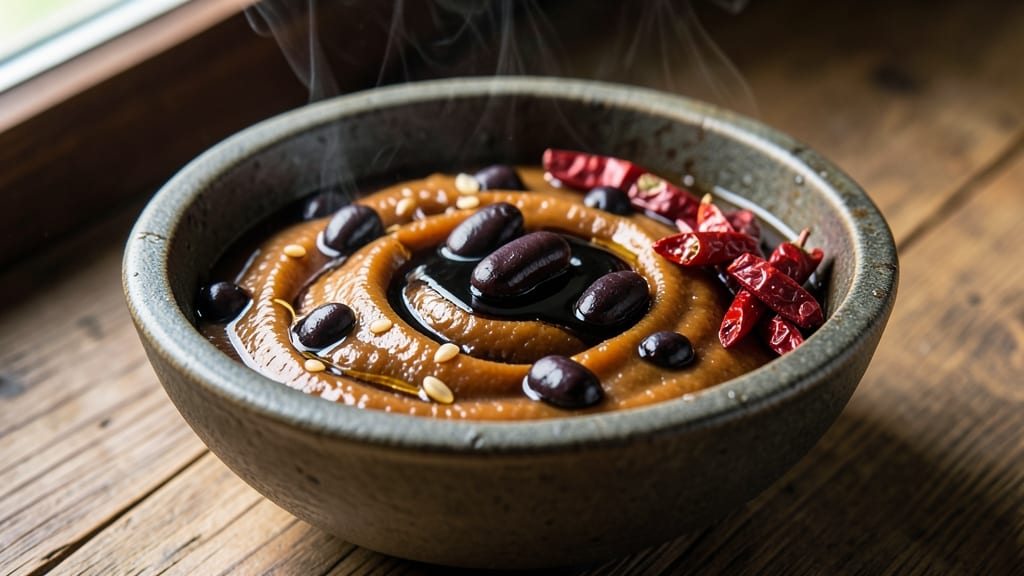
This Chinese bean paste recipe transforms simple ingredients into a fermented umami powerhouse that elevates every stir-fry, noodle dish, and dumpling. The process begins with fermenting soybeans and wheat, creating a deep, complex flavor profile that's the secret behind iconic dishes like mapo tofu and chili crisp.
What sets this version apart is the balance of fermentation time and roasting technique, which develops that signature smoky-sweet depth without overpowering heat.
The foundation of this paste lies in its two key components: fermented soybean paste and roasted chili bean paste, combined with aromatic spices. This dual-layer approach delivers both the rich, funky umami of fermentation and the bright, spicy kick that makes Chinese cuisine so addictive.
The beauty of this recipe is its versatility—adjust the chili level to suit your preference, or add a touch of sugar for balance in sweet-spicy applications.
What you'll end up with is a thick, spreadable paste that adds instant depth to any dish, whether you're creating a quick weeknight stir-fry or preparing for a weekend feast. The fermentation process develops over time, so the flavor actually improves with age—making this a pantry staple worth investing in.
Proper storage in airtight containers preserves its potency for months, ensuring you always have restaurant-quality flavor at your fingertips.
Use this paste as a marinade, stir-fry sauce base, or dipping sauce component. The possibilities are endless, from spicy noodles to braised meats. Here's how to create your own fermented umami bomb at home.
Ingredients for bean paste recipe chinese
Fermented umami meets smoky-spicy depth in this transformative bean paste blend.
| Ingredient | Amount | Notes |
|---|---|---|
| Yellow Soybeans 🌱 | 1 ½ cups | Dried, organic preferred |
| Hard Red Wheat 🌾 | 1 cup | Whole grain, coarse grind |
| Dried Red Chilies 🌶️ | ½ cup | Arbol or Thai bird's eye |
| Fermented Black Beans 🫘 | 1 cup | Store-bought or homemade |
| Light Soy Sauce 🍶 | ½ cup | Kikkoman preferred |
| Dark Soy Sauce 🍶 | ¼ cup | For color depth |
| Rice Vinegar 🍶 | ¼ cup | Seasoned preferred |
| Brown Sugar 🍚 | ¼ cup | Packed, light variety |
| Garlic Cloves 🧄 | 6 cloves | Fresh, peeled |
| Ginger Root 🌿 | 2 tbsp | Fresh, grated |
| Sesame Oil 🫒 | 1 tbsp | Toasted, for aroma |
| Star Anise 🌟 | 2 whole | For depth of flavor |
| Cinnamon Stick 🌿 | 1 whole | For warmth |
| Fennel Seeds 🌾 | 1 tsp | Lightly toasted |
| Salt 🧂 | 1 tsp | Diamond Crystal preferred |
The yellow soybeans and hard red wheat form the fermented base—organic, non-GMO beans from Whole Foods or bulk bins at Trader Joe's yield the best texture. Soak overnight to soften, then blend into a smooth paste. For the chilies, dried arbol delivers heat without overwhelming bitterness, while Thai bird's eye adds complexity. Toast them lightly in a dry pan first to deepen their flavor—don't skip this step. Fermented black beans contribute funky umami; Hain Purely Bistro brand is a pantry staple for this. The soy sauces? Kikkoman light for saltiness, Lee Kum Kee dark for that signature molasses-like richness.
No dried chilies? Fresh red jalapeños work in a pinch—seed and dry thoroughly first. Substitute gochugaru for a milder kick, but reduce to half the amount. Running low on brown sugar? Maple syrup or agave bridges the gap, though the caramelization from sugar is key. The spices—star anise, cinnamon, fennel—can be swapped for five-spice powder if you're short on time, but toasting them whole unlocks more layers. For the garlic and ginger, peeling ahead saves prep time, but grate fresh for maximum punch. The sesame oil? Use toasted—the nutty aroma is non-negotiable here.
Ferment the soybean-wheat blend for at least 3 days at room temperature, then roast the chili paste separately until fragrant. Store both components in airtight glass jars in the fridge for up to 3 months, or freeze for 6 months. The paste thickens as it ages—stir in water if needed. For best results, let the fermented base sit a week before combining with the roasted chili paste. This isn't just a condiment; it's a flavor investment—make a double batch and thank your future self.
Why You'll Love This Recipe
- I’ll be real: this isn’t your grandma’s hours-in-a-jar project. Toast the yellow soybeans and wheat in a dry pan—10 minutes max—then let the paste ferment for a week (or buy pre-made if you’re impatient). The dried chilies and fermented black beans add depth without fuss, and honestly? The hardest part is resisting eating it raw.
- No-Fuss Fermentation: I’ll be real: this isn’t your grandma’s hours-in-a-jar project. Toast the yellow soybeans and wheat in a dry pan—10 minutes max—then let the paste ferment for a week (or buy pre-made if you’re impatient). The dried chilies and fermented black beans add depth without fuss, and honestly? The hardest part is resisting eating it raw.
- Umami Bomb: That first bite of the finished paste—savory, slightly funky, with a slow burn from the chilies—is ridiculously good. The light soy sauce ties everything together, but it’s the fermented black beans that steal the show. They’re salty, tangy, and pack a punch that makes store-bought pastes taste like sad, watered-down imitations.
- Weeknight Magic: Slap this paste on stir-fried greens, toss it into congee, or smear it on toast with a fried egg. It’s my go-to when I’m too tired for a full meal but still want flavor. Between us, I’ve even used it as a glaze for roasted chicken—yes, even on a Tuesday night—and it worked.
Step-by-step instructions for Chinese bean paste
Transform humble ingredients into a rich, fermented bean paste bursting with umami depth.
Toast and Grind the Base Ingredients
Preheat your oven to 350°F and spread the 1.5 cups yellow soybeans and 1 cup hard red wheat on separate baking sheets. Toast for 15-20 minutes until the soybeans turn a rich golden color and the wheat develops a nutty aroma. Watch closely—they should smell toasty but not burn.
Transfer the toasted soybeans and wheat to a food processor fitted with a metal blade. Pulse until you achieve a coarse powder, similar to flour. This texture is crucial—it creates the right balance of body and smoothness in the final paste. Set aside in a bowl.
Char and Prepare the Aromatics
Heat a dry skillet over medium-high heat. Add the 0.5 cup dried red chilies and toast for 2-3 minutes until they darken slightly and release their smoky aroma. Remove from heat and let cool completely before grinding.
In the same skillet, add the 2 whole star anise, 1 whole cinnamon stick, and 1 tsp fennel seeds. Toast for 1 minute** until fragrant. Let cool, then add to the food processor with the toasted chilies. Pulse until you have a fine powder. This aromatic blend will infuse the paste with complex depth.
Combine Wet Ingredients and Ferment
In a large mixing bowl, combine the ground soy-wheat mixture with the 1 cup fermented black beans, 0.5 cup light soy sauce, 0.25 cup dark soy sauce, 0.25 cup rice vinegar, 0.25 cup brown sugar, and 1 tsp salt. Mix thoroughly until no dry spots remain.
Add the 6 cloves garlic cloves and 2 tbsp grated ginger root, then stir in the aromatic powder. The mixture should be thick but workable. Transfer to a non-reactive container and cover loosely with a lid. Let ferment at room temperature for 24 hours, stirring once daily.
Cook and Blend to Perfection
After fermentation, transfer the mixture to a heavy-bottomed pot. Add 1 tbsp sesame oil and stir to coat. Cook over low heat for 30-40 minutes, stirring frequently, until the mixture thickens and develops a glossy sheen. The paste should pull away from the sides of the pot and coat the back of a spoon.
Remove from heat and let cool slightly. Transfer to a high-powered blender and blend until completely smooth, scraping down the sides as needed. The final paste should be thick, velvety, and intensely flavorful—ready to elevate any stir-fry, braise, or noodle dish.
Pro Tips For Making Bean Paste Recipe Chinese
- CRUSH THE BEANS FIRST: I learned this the hard way—skipping the initial soaking and grinding of yellow soybeans leads to a gritty, uneven paste. Soak them 4-6 hours first, then grind in batches with just enough water to make a smooth, thick slurry (like hummus, but denser). Over-soaking adds water you’ll fight later.
- TOAST THE WHEAT LOW: Hard red wheat needs patience—don’t rush the toasting or it’ll burn before developing that deep, toasty aroma. Spread it in a single layer on a dry skillet over medium-low heat, stirring constantly for 8-10 minutes until golden and fragrant. Too hot? You’ll end up with bitter, burnt bits that ruin the whole batch.
- CHAR THE CHILIES DRY: Skip the oil for dried red chilies—toss them straight into a dry, screaming-hot pan and let them blacken in 30 seconds. This concentrates their heat and smoky depth without turning the paste greasy. (Yes, even if you’re impatient like me—just watch them like a hawk.)
- FERMENTED BEANS LAST: Add fermented black beans after the paste has simmered for 20 minutes, not at the start. Their funky, salty punch needs time to mingle with the soy-wheat base, but too early and they’ll turn mushy or overpower the flavor. Stir them in with the light soy sauce, then let everything cook another 10 minutes for balance.
Creative variations of bean paste recipe chinese
Spicy vs. Sweet Variations
Want to adjust the heat level? Swap dried arbol chilies for Thai bird's eye (double the heat) or gochugaru (milder, fruity kick). For sweet-spicy balance, add 1 extra tbsp brown sugar or 1 tsp honey to the fermenting mixture.
I love using 1 tbsp gochujang in place of half the dried chilies for a Korean-inspired twist—it adds tangy depth. 🌶️
Regional Fermented Twists
For a Sichuan-style paste, add 1 tbsp Sichuan peppercorns to the aromatic blend—they bring that signature numbing heat.
In Cantonese cuisine, reduce the chili to ¼ cup and add 1 tsp white pepper for a milder, more aromatic profile. Hunan variations often include dried tangerine peel (½ tsp) for citrusy brightness. Each region tweaks the fermentation time too—Sichuan versions ferment 48 hours for extra funk.
Gluten-Free Adaptation
Skip the wheat entirely and replace with 1 cup cooked brown rice or ½ cup gluten-free oat flour. The texture will be slightly lighter, but the umami stays rich. For extra body, add 2 tbsp tapioca starch to the blended paste.
I’ve tested this version with Bob’s Red Mill gluten-free oats—they work perfectly when toasted and ground fine. Always check labels for cross-contamination warnings. 🌾
Quick Non-Fermented Version
Short on time? Skip fermentation and toast 1 cup roasted soybeans with ½ cup tamari (gluten-free soy sauce), 1 tbsp molasses, and 1 tsp smoked paprika in a dry skillet for 10 minutes. Blend with 2 tbsp sesame oil and 1 tsp grated ginger until smooth.
This version delivers instant umami without waiting—ideal for last-minute stir-fries. The flavor won’t develop as deeply, but it’s a lifesaver for weeknights. ⏰
Storage Hacks for Longevity
Store the fermented paste in glass mason jars with ¼ inch headspace—this prevents mold growth. For long-term storage, freeze in ice cube trays (thaw as needed) or silicone molds for portion control.
Label jars with the date—the paste peaks at 2-3 months but stays potent for 6 months in the freezer. Pro tip: Add a small piece of parchment paper between layers if freezing in bulk to prevent freezer burn. ✨
Fusion Flavor Mashups
Craving global flavors? Blend in 1 tbsp miso paste for Japanese-inspired depth or ½ tsp ground coriander for Middle Eastern warmth. A Mediterranean twist uses 1 tsp dried oregano and ½ tsp cumin instead of star anise.
For a Mexican fusion, add 1 tbsp chipotle powder and ½ tsp cumin—this paste becomes a smoky salsa base in seconds. Always taste before committing to full batches! 🌍
Nutrition facts
Frequently asked questions
Can I make this bean paste without fermentation?
For a quick version, skip the fermentation step and simply toast 1 cup roasted soybeans with ½ cup tamari, 1 tbsp molasses, and 1 tsp smoked paprika in a dry skillet for 10 minutes. Blend with 2 tbsp sesame oil and 1 tsp grated ginger until smooth. This version delivers instant umami but won't develop the deep complexity of fermented paste. Perfect for last-minute stir-fries!
How do I adjust the spice level?
Swap dried arbol chilies for Thai bird's eye (double the heat) or gochugaru (milder, fruity kick). For sweet-spicy balance, add 1 extra tbsp brown sugar or 1 tsp honey during fermentation. Need regional flavors? Sichuan-style uses 1 tbsp Sichuan peppercorns, while Cantonese versions reduce chili to ¼ cup and add 1 tsp white pepper.
What's the best way to store homemade bean paste?
Store in glass mason jars with ¼ inch headspace to prevent mold. Keep refrigerated for 2-3 months or freeze in ice cube trays for 6 months. For bulk freezing, use silicone molds with parchment paper between layers. Label with dates—the paste actually improves with age!
Can I make this gluten-free?
Yes! Replace the 1 cup hard red wheat with 1 cup cooked brown rice or ½ cup gluten-free oat flour. Add 2 tbsp tapioca starch for extra body. I've tested this with Bob's Red Mill gluten-free oats—just toast and grind them fine. Always check labels for cross-contamination warnings.
How can I use this paste in dishes?
Start with 1-2 tbsp per dish—stir-fries, braises, or marinades. For mapo tofu, mix 2 tbsp paste with 1 cup chicken broth and 1 tsp cornstarch. Use as a base for dipping sauces (add 1 tbsp rice vinegar and 1 tsp sesame oil). The paste works in everything from noodles to grilled meats—just remember it's potent, so start small!