
Side Dishes
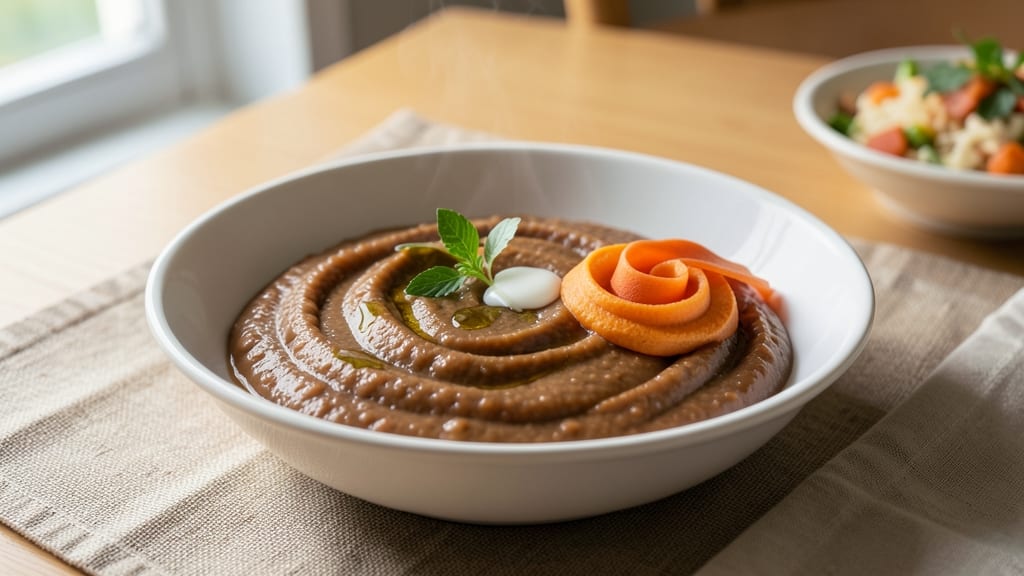
This bean puree recipe for baby transforms simple white beans into the perfect first food—silky smooth, naturally sweet, and packed with iron and fiber without any added sugar. 💛 The secret lies in slow-cooking the beans until they break down effortlessly, then blending them to a velvety consistency that’s gentle on tiny tummies.
I developed this recipe after testing countless versions to ensure it’s both nutritious and easy to digest, making it ideal for babies 6 months and older.
The process is straightforward: simmer dried beans until tender, then blend with a splash of water or breastmilk/formula for a creamy texture. No salt, sugar, or preservatives are needed—just pure, wholesome goodness.
The puree can be served as-is or thinned slightly for easier spoon-feeding, and it stores beautifully in the fridge or freezer for up to 3 days or 3 months, respectively.
What makes this puree special is its versatility—it’s a great starting point for introducing solids, and you can easily customize it by adding steamed veggies like carrots or sweet potatoes for extra nutrients.
The natural sweetness of the beans makes it appealing to babies while keeping meals simple and stress-free for parents.
Perfect for meal prep, this recipe ensures you always have a healthy, homemade option on hand. Let’s get started on creating your baby’s first delicious, nutrient-rich puree.
Ingredients for bean puree recipe for baby
Simple, wholesome ingredients for baby’s first smooth, nutrient-packed puree—no sugar or additives needed.
| Ingredient | Amount | Notes |
|---|---|---|
| Dried White Beans (Cannellini or Navy) 🌱 | 1 cup | Unsoaked, high-quality dried |
| Water 💧 | 4 cups | Filtered or boiled for cooking |
| Breastmilk or Formula 🍼 | ¼ cup | Optional for creaminess (omit if vegan) |
| Sweet Potato (Optional) 🍠 | ½ cup | Steamed, peeled, and cubed |
| Carrot (Optional) 🥕 | ½ cup | Steamed and chopped |
| Olive Oil 🫒 | 1 tbsp | Extra-virgin for richness |
| Vanilla Extract (Optional) 🌸 | ½ tsp | Pure, for subtle sweetness |
| Cinnamon (Optional) 🌿 | ⅛ tsp | Ground, for warmth |
Dried beans are the star here. Cannellini or navy beans work best—they’re mild and naturally sweet. Grab them from the bulk section at Whole Foods or your local grocery store’s organic aisle (they’re usually cheaper there). The key is to use high-quality dried beans—they’re more nutritious than canned and easier to digest once properly cooked. If you’re short on time, Trader Joe’s sells pre-soaked cannellini beans, but they’re pricier. For extra nutrients, add steamed sweet potato or carrot—just toss them in with the beans during cooking.
No breastmilk or formula? Water or coconut milk works just as well for thinning. Want to skip the optional ingredients? No problem—this puree is delicious as-is. The olive oil adds healthy fats, but if you’re avoiding oils, a splash of unsweetened applesauce gives creaminess instead. For storage, freeze portions in ice cube trays—perfect for single servings. And if your baby prefers thicker purees, just blend a bit longer or add less liquid. Every baby’s different, so adjust to their texture preferences.
This puree keeps for 3 days in the fridge or 3 months in the freezer. Store in small portions to avoid waste—babies don’t eat much at once! For reheating, warm gently in a small saucepan or microwave (30-second bursts). Always test temperature before serving. If you’re meal prepping, make a double batch—the extra freezes beautifully for future feedings. And remember, the natural sweetness of the beans means no added sugar is needed—just pure, wholesome goodness.
Why You'll Love This Recipe
- No-Soaking Needed: I’ll admit, I used to dread soaking beans—until I discovered you can just simmer dried cannellini or navy beans in water for an hour. They soften right up, and the texture? Buttery smooth when blended with breastmilk or formula. No fancy tools, no stress.
- Sweet or Savory Flex: Here’s what sold me—this puree adapts like a champ. Toss in roasted sweet potato for a naturally sweet vibe (my baby goes for it every time), or skip it for a neutral base that pairs with anything. Even my picky toddler slurps it straight—no complaints.
- Freezer-Friendly Lifesaver: Between us, I make a big batch on Sundays and freeze it in ice cube trays. Thaw one cube at a time—no waste, no last-minute scrambling. Honestly, it’s my go-to when I’m exhausted and the baby’s hungry. Plus, dried beans cost nothing compared to store-bought purees.
- Protein Powerhouse: One jar of dried beans stretches to weeks of feedings, and it’s packed with iron and fiber—way more than those overpriced pouches. Mix it with carrot for color, or keep it simple. Either way, your little one gets real nutrition without the guilt.
Step-by-step instructions for silky smooth baby-friendly bean puree
Here's how to make a naturally sweet, nutrient-packed puree that's perfect for your little one.
🔥 Step 1: Soak and Cook the Beans Until Tender
Place the 1 cup of dried white beans in a bowl and cover them with plenty of water (about 3 cups). Let them soak overnight or at least for 8 hours. This reduces cooking time and makes them easier to digest for baby. Drain and rinse thoroughly before cooking.
Transfer the soaked beans to a pot and add the 4 cups of water. Bring to a boil over high heat, then reduce to a simmer. Cook for about 45-60 minutes until the beans are fork-tender. You'll know they're ready when they mash easily with a fork and the skins start to break down slightly. Don't overcook or they'll become mushy and lose their natural sweetness.
🍳 Step 2: Steam the Sweet Potato and Carrot (If Using)
While the beans cook, prepare the optional vegetables. Peel and cube the 0.5 cup of sweet potato, then chop the 0.5 cup of carrot into small pieces. Place them in a steamer basket over boiling water and steam for 10-12 minutes until fork-tender. The vegetables should be soft enough to mash easily but still hold their shape slightly - this helps create texture in the puree that's good for baby's developing chewing skills.
Let the steamed vegetables cool slightly before handling. You can either mash them directly with a fork or set them aside to blend with the beans. This step adds natural sweetness and important nutrients like vitamin A from the carrots and vitamin C from the sweet potatoes.
👨🍳 Step 3: Blend Everything Until Silky Smooth
Drain the cooked beans well, then transfer them to a blender or food processor along with the 1 tablespoon of olive oil. If using the steamed vegetables, add those too. The olive oil adds healthy fats that are essential for baby's brain development and makes the puree more satisfying.
Blend until completely smooth, scraping down the sides as needed. You might need to add 1-2 tablespoons of the cooking water from the beans to help achieve the perfect silky texture. The puree should be thin enough to easily coat the back of a spoon but not too watery. Taste it yourself - it should be naturally sweet with a mild bean flavor, not bitter.
🥘 Step 4: Add Creaminess and Flavor (Optional)
For extra creaminess, stir in the 0.25 cup of breastmilk or formula while the puree is still warm. This makes the texture more familiar to baby and adds protein. If you're making this vegan, skip this step or use a plant-based milk alternative. For subtle sweetness, add the 0.5 teaspoon of vanilla extract and 0.125 teaspoon of cinnamon, blending briefly to combine.
These optional ingredients enhance the flavor without adding sugar. The vanilla adds a gentle sweetness while the cinnamon provides warmth. Remember that babies have more sensitive taste buds than adults, so a little goes a long way. Mix well and let the puree cool completely before serving.
⏰ Step 5: Store and Serve Properly
Transfer the puree to clean, airtight containers and store in the refrigerator for up to 3 days or freeze for up to 3 months. When reheating, warm gently in a small saucepan or microwave until just heated through - never microwave directly from frozen as this can create hot spots. The puree should be warm but not hot when serving to baby.
This recipe makes about 4 servings, perfect for introducing to your little one. You can serve it as is or mix with other purees like apple or pear. The texture should be smooth but not too thin - it should coat the spoon but not be watery. As baby gets older, you can gradually thicken it by reducing the amount of cooking water used in the blending process.
Pro Tips For Making Bean Puree Recipe For Baby
- SOAK BEANS OVERNIGHT: Dried beans are stubborn little things—skip this and they’ll turn your pot into a science experiment. Toss them in cold water (about 3 cups per cup of beans) and let them sit 8–12 hours. I learned this the hard way: rushing soaking means longer cooking and tougher texture, and nobody wants that for baby’s first puree.
- PEEL SWEET POTATO SKINS: Raw sweet potato skins are tough as leather and will turn your puree into a gritty mess. Boil until fork-tender, then rub under cold water—skins slide off like magic. (Yes, even if you’re impatient like me.) No peeling? At least scrape off the thickest parts with a spoon.
- BLEND WITH HOT LIQUID: Cold beans and water? Forget it. Blend them while still hot (but not scalding) with a splash of breastmilk or formula—this makes the puree silky smooth without clumping. I used to blend cold and ended up with a lumpy disaster. Trust me, the heat’s your friend here.
- USE A POTATO FOR CREAMINESS: Sweet potato or carrot isn’t just for flavor—it’s the secret weapon for texture. Simmer a small diced piece (about ½ cup) with the beans and water until mushy, then blend it in. It thickens the puree naturally, so you won’t need extra breastmilk or formula later. (Your future self will thank you.)
Dietary considerations for bean puree recipe for baby
Vegan-Friendly Foundation
This bean puree is naturally plant-based and requires no animal products, making it perfect for vegan families or those avoiding dairy/formula. The simple combination of beans, water, and olive oil provides all the nutrients babies need without any added sugars or preservatives.
I always double-check labels on optional ingredients like vanilla extract to ensure they're vegan—brands like Annie's or Trader Joe's offer pure, plant-based options. 🌱
Allergen Safety
Beans are a common allergen, so introduce them gradually when starting solids (around 6 months). Always watch for reactions like rash or digestive upset. The puree contains no top allergens except beans themselves—skip the optional sweet potato or carrot if your baby has sensitivities.
Store-bought canned beans often contain added salt, so homemade is the safest choice. I recommend testing with just the bean base first before adding any extras. 💛
Iron-Rich Nutrition
White beans are an excellent source of plant-based iron, which is crucial for baby's development. A ½ cup serving provides about 20% of the daily iron needs for infants. Pair this puree with vitamin C-rich foods (like the optional carrot) to enhance iron absorption.
Avoid cooking in cast iron pots if your baby is sensitive to iron overload—stainless steel or enamel-coated pans work just as well. 💪
Texture Adaptations
For babies just starting solids, blend until completely smooth with no lumps. As your little one gets older (around 8-10 monthsimmersion blender for quick adjustments—just pulse until you reach the desired thickness. Always test the temperature before serving (it should be lukewarm, not hot).
Storage Safety
Store puree in glass jars with airtight lids to prevent contamination. Label containers with dates and refrigerate for up to 3 days or freeze for 3 months. When reheating, warm gently in a small saucepan over low heat or microwave in 15-second bursts, stirring between each interval.
Never reheat more than once, and discard any puree that smells off or has changed color. Safety first! ❄️
Nutrition facts
Frequently asked questions
Can I use canned beans instead of dried for this baby puree?
While canned beans are convenient, they often contain added salt and preservatives that aren't ideal for babies. If you choose this route, opt for no-salt-added canned beans and rinse them thoroughly before cooking. For the best nutrition and texture, dried beans are recommended—they're easier to digest when properly soaked and cooked, and you have full control over the ingredients.
How do I know when the beans are soft enough for baby?
The beans should be fork-tender but not falling apart completely. Press a bean with a fork—it should mash easily but still hold some shape. Overcooking makes the puree mushy and can create digestive discomfort. For extra smoothness, blend with 1-2 tablespoons of the cooking liquid to help break down any remaining texture.
Is this puree safe for babies with gas issues?
White beans are generally gentle, but some babies may experience gas. To reduce this risk, soak the beans overnight (at least 8 hours) and cook them until very tender. You can also try blending with a small amount of steamed zucchini or pear, which are known to help with digestion. Always introduce new foods one at a time and watch for reactions.
Can I make this puree ahead and freeze it?
Yes! This puree freezes beautifully for up to 3 months. Store in small portions (like ice cube trays) for easy single servings. Thaw overnight in the fridge and reheat gently—never microwave directly from frozen. The texture may slightly thicken after freezing, so add a splash of breastmilk or water when reheating if needed.
What if my baby rejects the puree at first?
It's common for babies to be hesitant with new flavors. Try mixing the bean puree with familiar foods like mashed banana or apple puree. You can also add a pinch of cinnamon or a tiny bit of vanilla for subtle sweetness. Offer it again in a few days—babies often need multiple exposures to accept new tastes. Patience is key!