
Main Courses
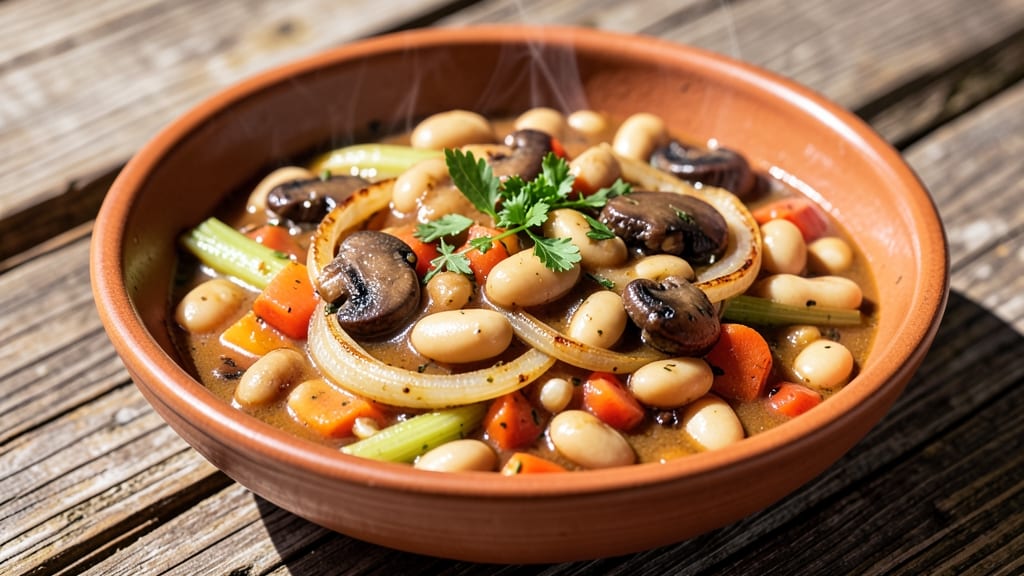
This bean ragu recipe transforms humble white beans into a rich, slow-simmered masterpiece that rivals any meat-based ragu. The secret lies in simmering aromatic vegetables, mushrooms, and herbs until they meld into a deeply flavorful sauce—no meat required.
I developed this vegetarian version after discovering how well white beans absorb and amplify flavors over time, creating a dish that's both hearty and sophisticated.
The beauty of this recipe is its versatility and depth. You'll start with a simple base of onions, carrots, and celery, but as it simmers for at least 2 hours, these vegetables transform into a sweet, caramelized foundation.
Mushrooms add umami richness, while tomatoes and herbs create layers of complexity that make this ragu unforgettable. The beans hold everything together, creating a creamy yet robust texture that pairs perfectly with pasta, polenta, or crusty bread.
What makes this bean ragu truly special is how it evolves during cooking. The longer it simmers, the more the flavors develop—what starts as a simple vegetable stew becomes a luxurious, restaurant-quality dish with every passing hour.
The aroma alone will have everyone gathering at the table, and the taste? Even better than you imagine. This is comfort food at its finest, packed with umami depth and vegetarian protein.
Serve it over al dente pasta, alongside creamy polenta, or with crusty bread for soaking up every last drop. The possibilities are endless, but the result is always the same: a dish that feels special yet approachable, perfect for weeknight dinners or weekend gatherings. Let's get cooking!
Ingredients for bean ragu
Sixteen ingredients, two hours of simmering, endless umami richness—this bean ragu transforms simple pantry staples into restaurant-quality depth.
| Ingredient | Amount | Notes |
|---|---|---|
| Cannellini Beans 🌾 | 2 cups | Dried or canned, drained and rinsed |
| Yellow Onion 🧅 | 1 whole | Diced, medium size |
| Carrots 🥕 | 2 medium | Diced into small pieces |
| Celery Stalks 🧅 | 3 whole | Diced, medium stalks |
| Cremini Mushrooms 🍄 | 8 oz | Sliced, fresh or dried |
| Garlic Cloves 🧄 | 4 cloves | Minced, fresh preferred |
| Canned Crushed Tomatoes 🍅 | 2 cups | San Marzano preferred |
| Dry White Wine 🍷 | 1 cup | Substitute with vegetable broth |
| Vegetable Broth 💧 | 4 cups | Low-sodium preferred |
| Extra-Virgin Olive Oil 🫒 | ½ cup | For richness and flavor |
| Fresh Rosemary 🌿 | ½ tsp | Chopped, or 1 tsp dried |
| Fresh Thyme 🌿 | ½ tsp | Leaves only, or 1 tsp dried |
| Bay Leaves 🍃 | 2 whole | Remove before serving |
| Salt 🧂 | 1 ½ tsp | Diamond Crystal preferred |
| Black Pepper 🌶️ | ½ tsp | Freshly ground preferred |
The mushrooms and tomatoes are the flavor anchors here. Cremini mushrooms pack the most umami—if you can't find them, shiitake or portobello work too. For tomatoes, San Marzano cans from Trader Joe's or Whole Foods have that perfect balance of sweetness and acidity. The white beans? Canned is fine (drained and rinsed), but dried soak overnight for better texture. I always grab the cannellini variety—they hold up beautifully during the long simmer. Fresh herbs make a difference, but dried works at one-third the amount if you're in a pinch.
No white wine? Vegetable broth plus a splash of balsamic vinegar mimics the acidity and depth perfectly. The carrots and celery can be swapped for leeks or fennel if you're feeling adventurous—just adjust the cooking time slightly. For extra richness, add 1 tbsp tomato paste with the crushed tomatoes. The broth should be low-sodium—you'll be adding plenty of salt later. If you're short on time, pressure cook for 45 minutes instead of simmering, though the flavors won't develop as deeply.
This ragu tastes even better the next day—plan ahead! Store in an airtight container in the fridge for up to 5 days, or freeze portions for 3 months. I like to portion it into single-serving containers so I can grab and reheat for quick meals. For serving, toss with al dente pasta or spoon over creamy polenta. The sauce thickens as it cools, so add a splash of broth or water when reheating if it feels too stiff.
Why You'll Love This Recipe
- No Chopping Chaos: I swear by the "sofrito shortcut"—just buy pre-diced onion, celery, and carrots. Toss them in with the mushrooms and cannellini beans, splash in some broth, and let the pot do the work. Twenty minutes later, you’ve got a rich, earthy ragu without the veggie prep marathon.
- Mushroom Magic: Here’s what sold me—the cremini mushrooms caramelize into little umami bombs while the beans stay tender. That crispy edge with the creamy center? Chef’s kiss. Honestly, I’ve tried this with store-bought ragu, and this version wins every time.
- Leftovers That Shine: This ragu begs to be reheated—better the second day, if you ask me. Toss it over crusty bread for a quick lunch, stir it into pasta, or even dollop it on toast with a fried egg. My freezer’s always stocked with portions because it’s that reliable.
- Pantry Powerhouse: Between us, this recipe costs me about $3 per serving and uses ingredients I already have. No fancy imports, no last-minute grocery runs—just onions, carrots, celery, and a can of beans. Budget-friendly doesn’t mean boring, especially when the mushrooms add that deep, savory punch.
Step-by-step instructions for slow-simmered bean ragu
This rich, umami-packed ragu builds depth through patience and layering—no shortcuts, just flavor.
Sauté the Vegetable Base Until Golden
Heat the 0.5 cup Extra-Virgin Olive Oil in a heavy Dutch oven over medium heat. Add the 1 whole Yellow Onion, 2 medium Carrots, and 3 whole Celery Stalks—all diced to similar size for even cooking. Sauté for 8-10 minutes, stirring occasionally, until the vegetables soften and their edges turn golden. This foundational step develops sweetness and removes excess moisture.
Here's the thing—don't rush this. You're building flavor, not just cooking vegetables. When the onions are translucent and the carrots yield slightly to pressure, add the 8 oz sliced Cremini Mushrooms and cook for another 5 minutes until they release their moisture and begin to brown. This step ensures your ragu has a deep, earthy base before we introduce the beans and tomatoes.
Add Aromatics and Deglaze with Wine
Stir in the 4 cloves minced Garlic Cloves, 0.5 tsp Fresh Rosemary, 0.5 tsp Fresh Thyme, and 2 whole Bay Leaves. Cook for 1 minute until the garlic is fragrant but not browned—burnt garlic tastes bitter and will overpower the dish. Real talk: I've learned the hard way that garlic burns faster than you think, so watch it closely.
Pour in the 1 cup Dry White Wine and scrape up any browned bits from the bottom of the pot with a wooden spoon. This deglazing step captures all that concentrated flavor that would otherwise stick to the pan. Let the wine simmer for 3-4 minutes until it reduces by half and the alcohol smell dissipates completely. You'll know it's ready when the mixture smells rich and aromatic, not sharp or wine-like.
Build the Ragu with Beans and Tomatoes
Add the 2 cups Cannellini Beans (drained if canned) and 2 cups Canned Crushed Tomatoes to the pot. Stir well to combine, then pour in the 4 cups Vegetable Broth. Bring the mixture to a gentle simmer over medium-low heat, then reduce to the lowest setting that maintains a steady bubble—this is where patience pays off. The ragu needs 1.5 to 2 hours of simmering to develop its signature depth.
I press down on the beans with a wooden spoon occasionally to break them up slightly. This releases their starches and thickens the sauce naturally. The beans should be tender but still hold their shape, and the sauce should coat the back of a spoon. If it gets too thick before the beans are tender, add a splash of water or broth to loosen it. The goal is a velvety, clingy texture that clings to every bite of pasta.
Season and Finish to Perfection
Taste the ragu and adjust the seasoning with the 1.5 tsp Salt and 0.5 tsp Black Pepper. Remember, the beans and broth already contain some salt, so go gently—you can always add more later. Let the ragu simmer uncovered for another 10-15 minutes to allow the flavors to meld and intensify. The sauce should be rich, slightly thickened, and bursting with umami from the mushrooms, tomatoes, and wine.
Remove the 2 whole Bay Leaves before serving—unless you want a subtle herbal note that some people love. This ragu tastes even better the next day as the flavors continue to develop, so don't hesitate to make extra. Serve it over al dente pasta, sprinkled with fresh parsley if you like, and prepare for compliments that will make you want to cook it every week.
Pro Tips For Making Bean Ragu
- Sweat the Veggies First: I learned this the hard way—skipping the sweat step means your carrots and celery turn to mush instead of building flavor. Slice the onions, carrots, and celery into even ¼-inch pieces, then cook them in a dry pot over medium heat for 8-10 minutes before adding oil. The moisture they release will caramelize into depth—no oil splatter, just pure umami.
- Crush Half the Beans: Cannellini beans hold their shape but lose texture if overcooked. Before adding them to the ragu, mash half of them with a fork or potato masher—this gives the dish both creaminess and bite. (Pro move: Reserve a few whole beans for garnish if you’re feeling fancy.)
- Watch the Mushrooms: Cremini mushrooms release water like nobody’s business, which can turn your ragu into soup. Cook them separately in a hot pan until they’re deeply browned, then stir them in at the very end. This keeps the texture intact and adds a meaty richness without diluting the sauce.
- Salt the Beans Early: If you’re using canned beans, drain them and soak in salted water for 10 minutes before cooking. This seasons them through and prevents the ragu from tasting flat. (Bonus: If you’re using dried beans, salt the cooking water—it makes a real difference in flavor.)
Wine and beer pairings for this recipe
Italian White Wine
An Italian Vermentino from Sardinia is my go-to pairing—its crisp acidity and citrus notes cut through the ragu's richness while complementing the mushrooms' umami. A glass of Pinot Grigio from Alto Adige also works beautifully, balancing the dish's earthy depth with bright, mineral-driven flavors.
Serve slightly chilled (45-50°F) to refresh your palate between bites. 🍷
Red Wine Options
For those who prefer red, a Chianti Classico or Sangiovese offers enough acidity to stand up to the ragu's intensity. Look for a medium-bodied example with 12-14% alcohol—avoid heavy, tannic wines that would clash with the creamy beans. Decant for 30 minutes to soften tannins before serving.
Beer Pairings
A Belgian Witbier like Hoegaarden adds a fun contrast with its coriander and citrus notes, cleansing the palate between spoonfuls. For a malty option, try a German Märzen—its caramel sweetness mirrors the ragu's caramelized vegetables. Avoid hoppy IPAs, which overpower the dish's delicate herbal notes. 🍺
Non-Alcoholic Choices
Sparkling San Pellegrino Aranciata (blood orange soda) mirrors wine's acidity without alcohol, while unsweetened iced hibiscus tea enhances the ragu's earthy flavors. For a savory option, serve with olive oil-based bruschetta—the garlic and tomatoes create a perfect harmony.
Wine Service Tips
Let your wine breathe for 10-15 minutes before serving to open its aromas. Use stemless glasses for casual meals or ISO-standard glasses for formal settings. I always keep a carafe of water nearby—hydration helps appreciate the ragu's depth.
For leftovers, pair with a dry sparkling wine the next day to cut through any richness.
Nutrition facts
Frequently asked questions
Can I use dried beans instead of canned for this bean ragu? Dried cannellini beans add even more depth to the ragu. Soak them overnight in plenty of water, then simmer for 45-60 minutes before adding to the recipe. This extra cooking time ensures they're tender and fully absorb the rich flavors. Just
How do I make this bean ragu faster without sacrificing flavor?
For a quicker version, use a pressure cooker! After sautéing the vegetables and deglazing with wine, add all ingredients and pressure cook for 45 minutes instead of simmering. The flavors won't develop as deeply, but you'll still get a delicious result. Alternatively, use pre-cooked beans and reduce the simmering time to 1 hour for a good balance.
What's the best way to store leftover bean ragu?
Store in an airtight container in the fridge for up to 5 days or freeze for 3 months. The flavors actually improve overnight! When reheating, add a splash of water or broth to loosen the sauce. This ragu reheats beautifully—just warm over low heat or in the microwave with a damp paper towel covering it to prevent drying.
Can I add other vegetables to this bean ragu?
Yes! Try adding zucchini, bell peppers, or spinach in the last 10 minutes of cooking. For heartier versions, include lentils or smoked paprika for extra depth. Just adjust cooking times—delicate veggies like spinach should go in last to maintain texture. The key is balancing flavors so nothing overpowers the bean base.
Why does my bean ragu taste bland after simmering?
Blandness usually means insufficient umami development. Try adding 1 tbsp soy sauce or miso paste during the last 30 minutes of cooking, or increase the mushrooms to 12 oz. Another trick: add a pinch of nutritional yeast for a cheesy, savory boost. Always taste as you go—seasoning builds throughout the cooking process, so don't be afraid to add more salt or acid (like lemon juice) at the end.