
Main Courses
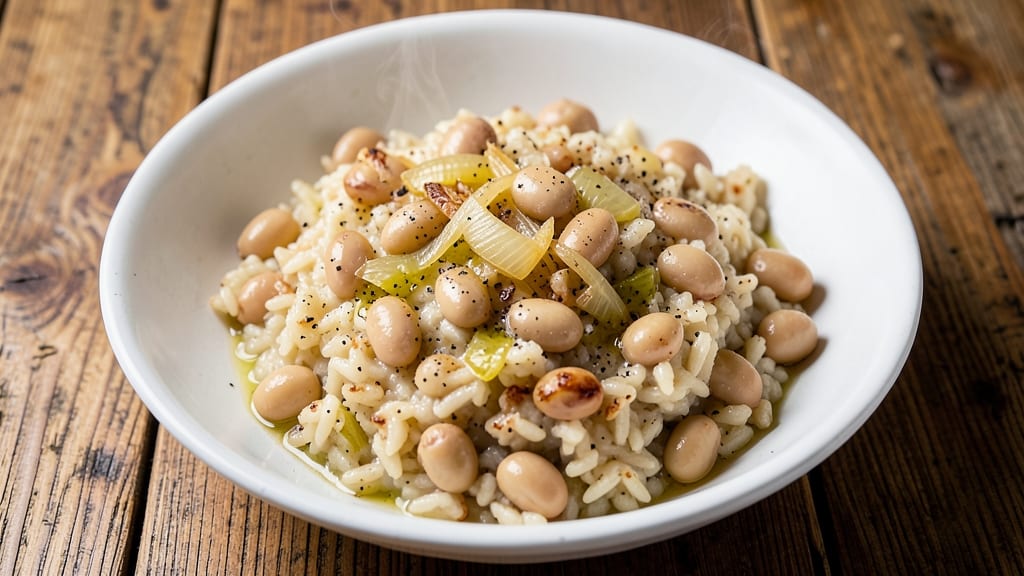
This bean risotto recipe transforms simple Arborio rice and humble beans into a creamy, restaurant-worthy dish with just a few key techniques. The secret lies in toasting the garlic until fragrant and stirring the risotto constantly to release the rice's natural starches—no fancy equipment required.
What makes this version special is how the beans add hearty texture while keeping the dish light enough for any season.
The process is straightforward but demands attention: you'll start with sautéed onions and garlic, then toast the Arborio rice until golden before gradually adding warm broth. The beans—whether cannellini or white—soak up the flavors beautifully, creating a dish that's both satisfying and elegant.
For extra richness, finish with butter and parmesan, though a vegan version is just as delicious with olive oil and nutritional yeast.
By the final stir, you'll have a velvety risotto with tender beans woven throughout, its golden surface glistening from the toasted garlic. The aroma alone will have everyone gathering around the table, and the first bite delivers that perfect balance of creamy, nutty rice and earthy beans.
It's the kind of dish that feels indulgent yet remains simple enough for a weeknight dinner.
This recipe works as a standalone main course or pairs beautifully with a simple salad and crusty bread. The leftovers reheat well, too, making it ideal for meal prep. Let's get started on creating this comforting, creamy masterpiece.
Ingredients for bean risotto
Simple rice, beans, and a few key ingredients transform into creamy risotto magic.
| Ingredient | Amount | Notes |
|---|---|---|
| Arborio Rice 🍚 | 1 ½ cups | Unrinsed for best creaminess |
| Cannellini Beans 🥜 | 1 ½ cups | Canned, drained and rinsed |
| Yellow Onion 🧅 | 1 whole | Diced small for even cooking |
| Garlic Cloves 🧄 | 4 cloves | Minced, toasted until fragrant |
| Vegetable Broth 💧 | 4 ½ cups | Low-sodium preferred, warmed |
| Dry White Wine 🍷 | ½ cup | Substitute with extra broth if needed |
| Unsalted Butter 🧈 | 4 tbsp | Full-fat for best flavor |
| Parmesan Cheese 🧀 | ½ cup | Freshly grated, plus extra for serving |
| Extra-Virgin Olive Oil 🫒 | 2 tbsp | For sautéing onions and rice |
| Salt 🧂 | 1 ½ tsp | Adjust to taste, kosher preferred |
| Black Pepper 🌶️ | ½ tsp | Freshly cracked for best flavor |
| Fresh Parsley 🌿 | ¼ cup | Chopped, for garnish |
Arborio rice is non-negotiable here—its high starch content is what makes risotto creamy. Lundberg or Barilla are my go-tos, but any brand will work. The beans? Cannellini or white beans both work, but cannellini hold their shape better. Toasting the garlic until it's fragrant (but not browned) is where the magic starts—don't skip this. For the broth, low-sodium is key so you can control the seasoning. I always keep a box of Pacific Foods vegetable broth on hand for this dish.
No white wine? Dry vermouth or extra broth works in a pinch. Fresh parsley is ideal, but dried Italian seasoning at half the amount gets you close. The Parmesan should be real Parmigiano-Reggiano—grate it yourself from a wedge. Pre-grated tastes like sawdust. For the butter, full-fat is worth it—the richness balances the earthy beans. If you're short on time, pre-diced onions from the store work fine, but fresh is always better.
Risotto reheats beautifully—just add a splash of broth and stir gently. Keeps for 3-4 days in the fridge, though it's best the first day. For meal prep, portion into containers with a little broth on top to keep it moist. Freezes for up to 3 months if you want to make a big batch. The beans add heartiness, so you can actually cut the rice slightly if you're serving this as a light lunch.
Why You'll Love This Recipe
- No Fuss, One Pot: I swear by this recipe because it’s the only risotto that doesn’t make me want to cry over a messy stove. Just a pot, a spoon, and 30 minutes—no fancy tools, no stress. The beans and Arborio rice do all the heavy lifting while you sip your wine (or coffee, no judgment).
- Creamy Without Butter: Between us, I’ve tried the heavy cream route, but this version is better—rich, velvety texture from the beans and broth alone. That nutty garlic-onion base? It’s the secret weapon. You’ll taste every layer, and it’s still light enough for summer.
- Leftover Hero: I make a double batch on Sundays because reheated risotto is a myth—this one stays tender. Pack it for lunches or freeze portions. The beans keep it hearty, so it’s never sad the next day. (Yes, even on a Tuesday night.)
- Pantry Magic: Honestly, this recipe uses stuff you already have. No specialty ingredients, no last-minute grocery runs. Swap the veg broth for chicken, add a handful of spinach at the end—it’s forgiving. Budget-friendly, crowd-pleasing, and still feels fancy. Win.
Step-by-step instructions for creamy bean risotto
Here's how to make rich, velvety risotto with beans and toasted garlic—no fancy skills needed.
Sauté Onions and Toast Garlic
Heat the 2 tablespoons extra-virgin olive oil in a large, heavy-bottomed pot over medium heat. Add the diced yellow onion and cook for 5-6 minutes until softened and translucent. You'll know it's ready when the onion releases its sweet aroma and turns slightly golden.
Push the onions to the side of the pot and add the 4 cloves minced garlic. Let them sizzle gently for 30-45 seconds until fragrant but not browned. This step builds flavor—don't rush it. If the garlic starts to darken too quickly, reduce the heat slightly. The goal is nutty aroma, not burnt bitterness.
Toast the Arborio Rice
Add the 1.5 cups unrinsed Arborio rice to the pot and stir to coat it in the onion-garlic mixture. Cook for 2 minutes, stirring frequently, until the rice becomes translucent at the edges. This toasting step is crucial—it develops the rice's nutty flavor and prevents gummy texture later.
Next, pour in the 0.5 cup dry white wine and stir constantly. Let the wine simmer for 1-2 minutes until fully absorbed by the rice. You'll notice the rice starts to look glossy—this is when the al dente magic begins. If the wine reduces too quickly, add a splash of vegetable broth to keep it moist.
Add Beans and Cook Gradually
Stir in the 1.5 cups cannellini beans and 1 teaspoon salt, mixing well to distribute them evenly. Now, add 1 cup of the warmed vegetable broth and stir gently. The mixture should bubble softly—this is your cooking rhythm: 1 cup broth at a time, stirring occasionally until absorbed before adding more.
Maintain a gentle simmer (not a rolling boil) and let the risotto cook for 10-12 minutes, adding broth as needed. The beans will soften slightly but should still hold their shape. You're aiming for creamy texture without mushiness—this is where patience pays off. If the risotto looks dry before all broth is used, add more 1 cup at a time until the rice is tender but still slightly firm to the bite.
Finish with Butter and Cheese
When the rice is al dente (about 20-25 minutes total cooking time), remove the pot from heat. Stir in the 4 tablespoons unsalted butter and 0.5 cup grated Parmesan cheese until melted and creamy. The butter adds richness while the cheese ties everything together. Taste and adjust seasoning with the remaining 0.5 teaspoon black pepper and any extra salt if needed.
Let the risotto rest for 2 minutes before serving. This brief rest allows the starches to set slightly, giving you that perfect creamy consistency. Garnish with the 0.25 cup chopped fresh parsley just before serving—it adds a bright pop of color and freshness that balances the rich flavors.
Serve Immediately
Spoon the risotto into warm bowls and serve right away. The creamy texture comes from the beans absorbing the broth and releasing starch, while the Arborio rice creates that signature al dente bite. Each forkful should be velvety with pockets of tender rice and hearty beans, finished with nutty garlic and sharp Parmesan.
For extra flavor, drizzle with a little more olive oil or serve with a side of crusty bread to soak up any remaining sauce. This risotto keeps well for 2-3 days in the fridge, though it's best enjoyed fresh when the creaminess is at its peak.
Pro Tips For Making Bean Risotto
- TOAST THE BEANS FIRST: I learned this the hard way—raw cannellini beans taste bland and mealy in risotto. Pat them dry, then lightly toast them in olive oil for 3-4 minutes until they smell nutty. This step makes them creamy and rich without overpowering the dish.
- STIR LIKE YOU MEAN IT: Risotto isn’t a lazy dish. Use a wooden spoon and stir vigorously at the edges of the pan—this releases starch and builds that signature creaminess. I used to half-ass it, and my risotto always ended up gummy. (Yes, even if you’re impatient like me.)
- SAVE THE BROTH WATER: Skip the pre-made broth if you’re short on time. Simmer the cannellini beans in water for 30 minutes, then strain and use that liquid for your risotto. It’s got more depth than store-bought, and you’re not wasting anything.
- ADD BEANS IN STAGES: Don’t dump all the beans in at once. Fold in half the cannellini beans after the first 10 minutes of cooking, then add the rest at the end. This keeps the texture balanced—creamy from the rice, but still with that satisfying bean bite. (Your future self will thank you.)
Regional styles of these flavors
Italian Rustic Style
In Italy, bean risotto often starts with a base of tomato passata or san marzano tomatoes instead of wine, creating a slightly tangy profile. I like using Borlotti beans (cranberry beans) for their earthy sweetness, and finishing with pecorino romano instead of Parmesan.
The key Italian technique is toasting the beans lightly in olive oil before adding them to the rice—this enhances their natural flavors. Serve with a sprinkle of fresh rosemary for an aromatic touch. 🌿
French Provençal Twist
French cooks often elevate risotto with saffron-infused broth and duck fat instead of butter, giving it a luxurious depth. I recommend using haricots blancs (white beans) and adding thyme and bay leaves to the broth. A splash of dry vermouth replaces wine for a more herbal note.
Garnish with toasted pine nuts and a drizzle of honey to balance the richness. This version feels decadent yet remains true to Provençal simplicity. 🍯
Spanish-Inspired Version
Spanish bean risotto often incorporates smoked paprika and chorizo for a smoky kick. I use garbanzo beans (chickpeas) and add red bell peppers sautéed with the onions. A splash of sherry vinegar brightens the dish, while manchego cheese adds a nutty finish.
Serve with a side of roasted romesco sauce for dipping. This version is hearty enough for a cold evening. 🌶️
Northern European Adaptation
In Scandinavian countries, risotto gets a dill and sour cream twist, with potatoes added for extra heartiness. I swap Arborio rice for short-grain barley and use leeks instead of onions.
A pinch of cardamom adds warmth, while smoked trout on top makes it a showstopper. This version is perfect for winter gatherings. ❄️
Southern U.S. Soulful Style
In the American South, bean risotto often includes collard greens or smoked turkey for a deeper flavor. I like using pinto beans and adding andouille sausage for smokiness.
A splash of hot sauce and crumbled feta on top give it a bold kick. Serve with cornbread for a true Southern feast. 🔥
Mediterranean Herb Infusion
Mediterranean versions often feature fresh herbs like oregano and marjoram, with olives and sun-dried tomatoes stirred in at the end. I use fava beans for a unique texture and finish with lemon zest and extra-virgin olive oil. This lighter version works beautifully as a summer dish. 🍋
Nutrition facts
Frequently asked questions
Why do I need to stir risotto constantly?
Constant stirring releases the rice's natural starches, creating that signature creamy texture. If you stop stirring, the rice can stick together or become gummy. The beans help thicken the dish naturally, but the rice still needs attention—especially during the wine absorption phase and when adding broth.
Can I use instant pot or pressure cooker for bean risotto?
Yes, but with adjustments! Use half the broth and cook on high pressure for 6 minutes after adding the beans. Quick-release the pressure, then stir in butter and cheese. The texture will be slightly different but still delicious. Just don't skip the resting time before serving.
What if my risotto turns out too dry?
Add 2-3 tablespoons warm broth at a time, stirring gently until absorbed. The beans help create creaminess, but if it's still dry, mix in 1 tablespoon butter or a splash of wine. Overcooking is the main culprit—always check for al dente rice before finishing.
Which beans work best for risotto?
Cannellini or white beans are ideal—they hold their shape while adding creaminess. For extra flavor, try borlotti beans (Italian cranberry beans) or fava beans for a Mediterranean twist. Avoid overly soft beans like butter beans, as they'll turn mushy during cooking.
How can I make this vegan?
Swap butter for vegan olive oil or coconut oil, use nutritional yeast instead of Parmesan, and ensure your broth is vegetable-based. Toasted cashews blended with lemon juice make a great creamy finish. The beans will still provide plenty of protein and heartiness!