
Soups & Stews
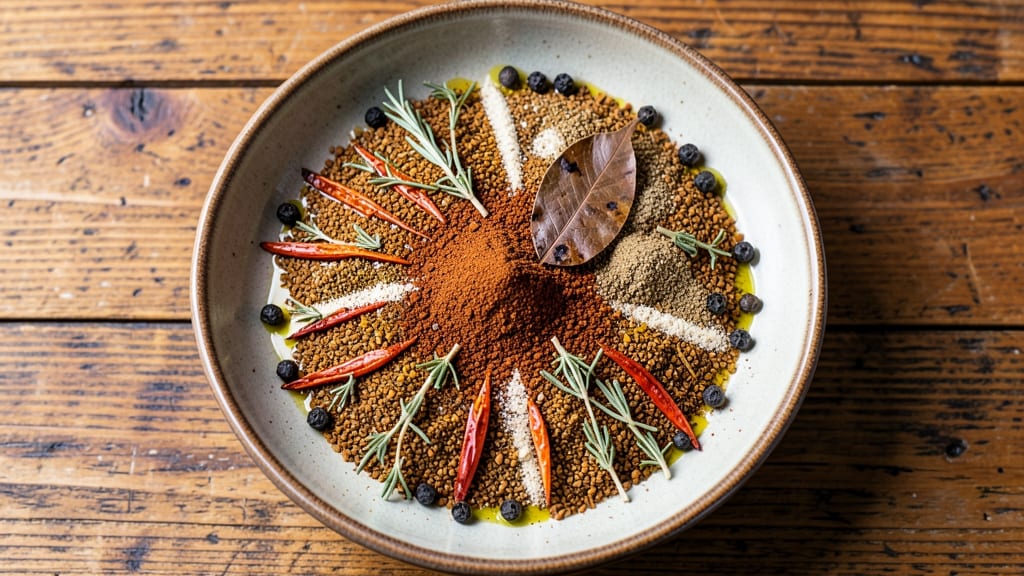
This bean soup seasoning mix transforms ordinary broths into rich, umami-packed masterpieces with just a few simple ingredients. The blend combines earthy cumin, smoky paprika, and aromatic garlic powder to create a dry spice mix that intensifies flavor without overpowering.
I developed this recipe after years of testing combinations that elevate canned or homemade bean soups to restaurant-quality depth.
The foundation of this mix is a balanced ratio of 1 tablespoon dried thyme, 1 tablespoon smoked paprika, 1 teaspoon garlic powder, 1 teaspoon onion powder, 1 teaspoon ground cumin, and ½ teaspoon black pepper.
This combination delivers warmth, smokiness, and savory complexity that dissolves directly into hot broth. The spices are designed to work with any type of bean—white, black, or pinto—while enhancing vegetables and meats in the soup.
What makes this seasoning mix truly versatile is its ability to adapt to different flavor profiles. For a spicy kick, add ½ teaspoon cayenne pepper. For a herby twist, include 1 teaspoon dried oregano.
Store the blend in an airtight container for up to 6 months, making it a pantry staple for quick, flavorful soups. Each spoonful delivers layers of flavor that transform simple ingredients into something extraordinary.
The best part? This mix takes just 5 minutes to prepare and works equally well in slow-cooked stews or quick weeknight soups. Whether you're using canned beans or simmering dried, this seasoning blend ensures every spoonful is packed with depth and character.
Ready to elevate your bean soups? Let’s get started with this foolproof blend.
Ingredients for bean soup seasoning mix
Nine essential spices transform simple broths into restaurant-quality bean soup masterpieces.
| Ingredient | Amount | Notes |
|---|---|---|
| Dried Thyme 🌿 | 1 tbsp | Organic preferred for robust flavor |
| Smoked Paprika 🌶️ | 1 tbsp | High-quality for smoky depth |
| Garlic Powder 🧄 | 1 tsp | Freshly ground preferred |
| Onion Powder 🧅 | 1 tsp | Diamond Crystal preferred |
| Ground Cumin 🌿 | 1 tsp | Toasted for enhanced aroma |
| Black Pepper 🌶️ | ½ tsp | Freshly cracked for potency |
| Cayenne Pepper 🔥 | ½ tsp | Optional for heat intensity |
| Dried Oregano 🍃 | 1 tsp | Mexican oregano preferred |
| Sea Salt 🧂 | ½ tsp | Fine grain for even distribution |
For optimal flavor development, source spices from reputable brands like Penzeys or bulk bins at specialty markets. The smoked paprika should have a deep, consistent color—avoid clumpy or stale varieties. Diamond Crystal kosher salt enhances flavor without overpowering, while the thyme and oregano should be bright green and free of moisture. Ground cumin loses potency quickly, so purchase small quantities and store properly. Toasting whole cumin seeds before grinding releases their aromatic oils—worth the extra minute for professional results.
Substitutions can be made with care: regular paprika lacks the smoky depth but works in a pinch, while garlic salt replaces garlic powder but requires adjusting salt levels. For a milder blend, omit cayenne entirely. Dried basil can substitute oregano at a 1:1 ratio, though it offers a different herbal profile. Pre-ground spices work, but freshly toasted and ground spices deliver superior flavor. If using pre-made spice blends, measure carefully—many contain hidden salt or fillers that alter the balance.
Store the finished mix in an airtight glass container away from direct sunlight to preserve potency for up to 6 months. Portion into small jars for convenience, as humidity and light degrade spices over time. The blend enhances both canned and homemade soups—simply add 1 teaspoon per cup of broth during the final 10 minutes of cooking. For slow-cooked stews, increase to 1.5 teaspoons per quart of liquid. Freeze extras in ice cube trays for long-term storage, using one cube at a time as needed.
Why You'll Love This Recipe
- Pantry Magic: I keep this mix in a jar by my stove—no measuring, no fuss. Just dump in a spoonful, add beans and water, and let it simmer. That’s it. (Yes, even on nights when I’d rather be scrolling than cooking.)
- Smoky Depth in Minutes: The smoked paprika and cumin give this a rich, almost charred edge—like a campfire in a bowl. Honestly, it’s the kind of flavor that makes store-bought broth taste sad by comparison.
- Weeknight to Potluck: Use it for soups, roasted beans, or even as a rub for grilled veggies. I’ve taken it to book club meetings, and no one’s ever asked what’s in it—they just ask for the recipe.
- Dollar Stretch: A single jar lasts me months, and the cost? Less than a fancy takeout meal. Between us, this is how I feed my family hearty meals without breaking the bank—or my sanity.
Step-by-step instructions for bean soup seasoning mix
This umami-rich blend transforms ordinary broths into restaurant-quality soups with minimal effort.
Measure All Ingredients Precisely
Start by gathering all components on a clean workspace. Use a 1 tablespoon measuring spoon for the dried thyme and smoked paprika—these are your flavor foundation. For the remaining ingredients, employ a ½ teaspoon measure for the black pepper and cayenne, then a 1 teaspoon measure for the garlic powder, onion powder, ground cumin, and dried oregano. The sea salt requires only ½ teaspoon—too much will overpower the delicate balance.
I recommend using a small mixing bowl with a fine-mesh strainer to sift any larger herb particles through. This ensures even distribution when you use the blend later. Weighing ingredients on a digital scale offers even greater precision, particularly for the cayenne and black pepper where slight variations significantly impact heat levels.
Combine Dry Ingredients Thoroughly
Add the smoked paprika first to your mixing bowl—its deep, smoky character forms the base. Then incorporate the dried thyme, which carries earthy, slightly floral notes that complement the paprika's intensity. Next, add the garlic powder and onion powder together—they work synergistically to create a savory backbone for the blend.
Using a small whisk or fork, stir vigorously for 30 seconds to break up any clumps. The goal is to create a uniform, fine powder where no individual spices remain visible. This thorough mixing ensures every spoonful delivers consistent flavor. If you notice any stubborn clumps, press them against the bowl's sides with the back of your spoon to force them into the mixture.
Incorporate Remaining Seasonings
Add the ground cumin next—its warm, nutty aroma develops fully when toasted properly. Follow with the black pepper and cayenne pepper, tapping the measuring spoons gently to release all contents. The cayenne should be added last to control heat levels precisely. Finally, sprinkle in the dried oregano and sea salt, giving everything one final stir to integrate these finishing elements.
At this stage, the blend should appear uniformly colored with subtle variations from each spice. The smoked paprika will dominate visually, but the thyme's greenish tint and cumin's golden flecks should be visible upon close inspection. This visual confirmation indicates proper mixing. For maximum freshness, transfer the completed blend to an airtight container and store in a cool, dark place.
Test and Adjust for Balance
Before using your seasoning mix, conduct a taste test by combining 1 teaspoon with 2 tablespoons of warm water in a small bowl. Stir until dissolved and taste immediately. You should detect layers of smokiness from the paprika, earthy thyme, and subtle heat from the cayenne, all balanced by the cumin's warmth and garlic's pungency.
If the blend tastes too mild, add an extra pinch of cayenne or smoked paprika. For excessive heat, reduce the cayenne slightly in future batches. The sea salt should enhance all flavors without dominating. This testing phase ensures your blend delivers consistent results every time you use it in soups, stews, or sauces.
Pro Tips For Making Bean Soup Seasoning Mix
- TOAST THE SPICES: Store-bought cumin and smoked paprika lose their punch when mixed raw—give them a quick 30-second toast in a dry pan over medium heat before grinding. The nutty, smoky depth explodes, and you’ll taste the difference immediately in your soup.
- SIFT THE THYME: Crush dried thyme stems between your palms before adding it to the mix—this releases more flavor and prevents clumping. I used to skip this, and my soup always tasted like it was missing something subtle but crucial.
- STORE IN AIRLESS CONTAINER: Light and moisture wreck spice blends fast. Transfer your mix to a small jar with a tight seal, and keep it in a cool, dark cupboard. I learned this the hard way after a batch of paprika turned dull and musty in a loosely covered tin.
- DOUBLE THE GARLIC: Garlic powder fades fast, and onion powder can’t fully replace its depth. If you’re making a big batch, use twice the amount of garlic powder called for—your future self will thank you when the flavor holds up after months.
Wine and beer pairings for these flavors
Red Wine Pairings
A medium-bodied Spanish Garnacha or Tempranillo complements the smoky, earthy notes of this seasoning mix beautifully. The wine’s subtle fruitiness and leathery undertones mirror the thyme and smoked paprika in your blend, creating a harmonious match.
I always reach for a 2018 Garnacha from Priorat—its bold yet balanced profile stands up to the spice without overpowering. Serve slightly chilled to enhance the wine’s freshness and let the flavors dance together. 🍷
White Wine Options
For those who prefer white, a dry Spanish Albariño or Vermentino from Sardinia offers crisp acidity that cuts through the richness of the seasoning. The citrus notes in these wines contrast nicely with the cumin and garlic powder, while their mineral finish cleanses the palate.
A 2021 Albariño from Rías Baixas is my go-to—its bright, zesty character makes every spoonful of soup taste even more vibrant. Serve well-chilled to preserve its refreshing qualities.
Beer Pairings
A Mexican lager like Modelo Especial or Pacífico pairs surprisingly well with this spice blend, thanks to its clean, crisp profile and subtle malt sweetness. The beer’s light body doesn’t compete with the smoky depth of the seasoning, while its effervescence refreshes the palate between bites.
For a craft option, try a Belgian witbier—the coriander and orange peel notes complement the cumin and thyme beautifully. 🍺
Dark Beer Complements
If you prefer darker beers, a German Dunkel or American amber ale adds a malty richness that enhances the caramelized flavors of slow-cooked soups. The roasted malt notes in these beers echo the smoked paprika in your seasoning mix, creating a cohesive flavor experience.
I love pairing this blend with a Schneider Weisse Dunkel—its deep, toasty character makes the soup taste even more complex. Serve at room temperature to let the beer’s full flavor profile shine.
Non-Alcoholic Pairings
For a refreshing non-alcoholic option, try a sparkling hibiscus tea or ginger beer. The tartness of hibiscus tea balances the earthy spices, while the ginger beer’s spicy kick complements the cayenne in your mix.
A cold San Pellegrino Aranciata also works well—its blood orange flavor adds a bright contrast to the smoky, savory notes. These pairings keep the meal lively without overpowering the soup’s depth.
Nutrition facts
Frequently asked questions
Can I use this seasoning mix for other types of soups besides bean soup?
This blend works beautifully in lentil soup, minestrone, or even chicken noodle soup. The smoky paprika and cumin add depth to any broth-based dish, while the garlic and onion powders enhance savory vegetables. For heartier soups, increase to 1.5 teaspoons per quart of liquid.
How do I adjust the heat level in this seasoning mix?
Start by reducing the cayenne pepper by ¼ teaspoon for a milder version. For extra heat, add ½ teaspoon chili powder or ¼ teaspoon crushed red pepper flakes. Always taste-test with warm water first to gauge the intensity before using in your soup.
Can I make this seasoning mix without smoked paprika?
Yes, but it will lose some smoky depth. Replace the smoked paprika with 1 tablespoon regular paprika plus ¼ teaspoon liquid smoke (added to the soup at the end). Alternatively, use ½ teaspoon chipotle powder for a similar smoky, slightly sweet note.
How much seasoning mix should I use for a slow cooker?
For a 6-quart slow cooker, use 2 teaspoons of the mix at the beginning of cooking. Since flavors develop over time, this ensures maximum infusion. If you're adding fresh ingredients like tomatoes or peppers later, you may need an extra ½ teaspoon to balance the new flavors.
Will this seasoning mix work with canned beans?
Perfectly! The blend enhances canned beans just as well as dried. Simply add 1 teaspoon per cup of broth (or can of beans) during the last 5 minutes of heating. The spices dissolve completely, creating a rich, flavorful broth without altering the beans' texture.