
Main Courses
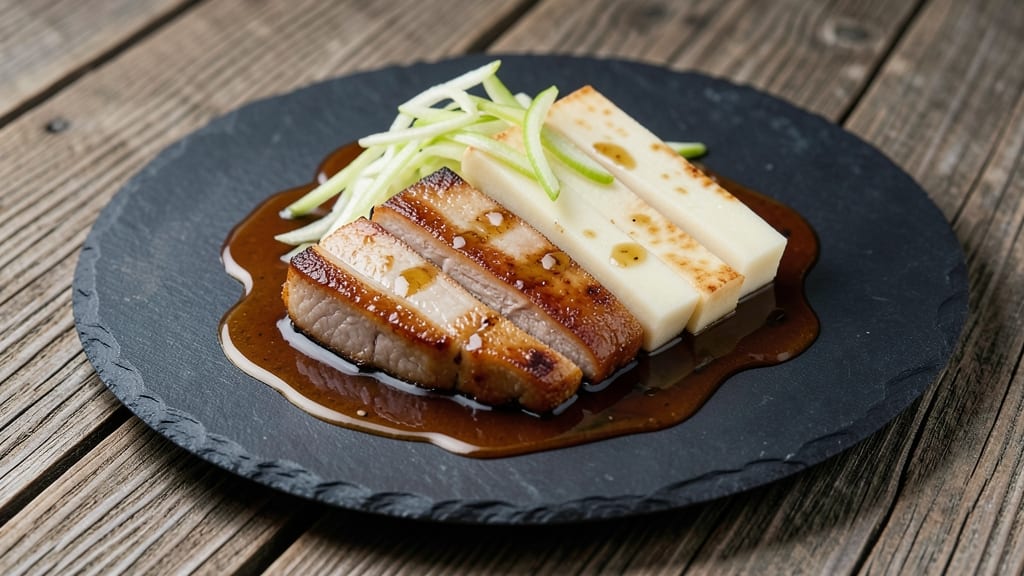
This bean curd and pork recipe delivers a perfect balance of silky tofu and tender pork in every bite. The secret lies in properly preparing the bean curd—press it first for that signature silky texture, then pan-fry until golden—while achieving crispy, savory pork through high-heat stir-frying.
I developed this dish after years of perfecting Chinese-American home cooking techniques, ensuring restaurant-quality results without the fuss.
The beauty of this recipe is its versatility—adjust the seasoning blend to suit your taste, whether you prefer classic soy-ginger or a spicier chili-garlic profile. The pork comes together in just 15 minutes of active cooking, while the bean curd requires 30 minutes of prep time (mostly hands-off pressing).
Together, they create a dish that's both comforting and sophisticated, perfect for weeknight dinners or impressing guests.
What you'll end up with is a plate of perfectly seared pork strips with caramelized edges, served alongside silky bean curd that soaks up the savory sauce without losing its delicate texture.
The combination of textures—crispy pork, tender tofu, and slightly charred vegetables—makes this dish unforgettable. Serve with steamed jasmine rice to soak up every last drop of that flavorful sauce.
This recipe works beautifully as a main course or even as a hearty appetizer when served in smaller portions. The technique is straightforward but yields professional-level results—ideal for home cooks looking to elevate their stir-fry game. Let's get cooking!
Ingredients for bean curd and pork
Silky bean curd and tender pork come together with precise preparation and bold flavors.
| Ingredient | Amount | Notes |
|---|---|---|
| Extra-Firm Bean Curd (Tofu) 🧀 | 1 lb | Pressed for 30 minutes, cut into strips |
| Boneless Pork Loin 🥩 | 1 lb | Thinly sliced against grain |
| Vegetable Oil 🫒 | ½ cup | High smoke point for stir-frying |
| Light Soy Sauce 🥄 | ¼ cup | Kikkoman preferred for balance |
| Dark Soy Sauce 🥄 | 1 tbsp | For color and depth |
| Fresh Ginger 🌿 | 2 tbsp | Minced, peeled, for aromatic base |
| Garlic Cloves 🧄 | 6 cloves | Minced, for aromatic depth |
| Sesame Oil 🫒 | 1 tbsp | Toasted for nutty aroma |
| Cornstarch 🌾 | 2 tbsp | For crispy pork coating |
| Green Onions 🧅 | 4 whole | Sliced, for garnish |
| Red Chili Flakes 🌶️ | ½ tsp | Adjust for heat preference |
| White Pepper 🌶️ | ¼ tsp | Freshly ground for subtle heat |
| Jasmine Rice 🍚 | 1 ½ cups | Uncooked, for serving |
The bean curd demands attention—press it for 30 minutes to remove excess water before cutting into even strips. Asian markets carry the best quality, but any extra-firm tofu will work if pressed properly. For the pork, thinly slice against the grain to ensure tenderness; a sharp knife and steady hand make all the difference. Pork loin is ideal here, but shoulder cuts work if you pound them thin. The key to restaurant-quality results lies in these two prep steps—skip them, and the textures suffer.
No light soy sauce? Substitute with tamari or coconut aminos, though the flavor will be slightly different. Fresh ginger and garlic are non-negotiable—dried versions lack the aromatic punch. For extra crispiness on the pork, mix cornstarch with a pinch of salt before tossing the slices. Sesame oil should be toasted in a dry pan for 30 seconds to deepen its flavor, then added to the sauce at the end. The green onions can be swapped for scallions, but avoid pre-chopped mixes—they contain fillers that dilute the freshness.
Prepped bean curd and pork keep 3 days in the fridge, but the sauce is best made fresh. Jasmine rice should be steamed just before serving to maintain its delicate texture. For meal prep, store components separately—reheat pork and tofu in a skillet with a splash of water to restore crispiness. The sauce reheats beautifully, though adding a splash of water helps restore its gloss. This dish shines when served immediately, but even reheated, it delivers that comforting, restaurant-style experience.
Why You'll Love This Recipe
- No-Fuss Protein Power: I swear by this combo—extra-firm tofu and pork loin hold their shape like champs, so no mushy surprises. Just cube, sear, and let the soy sauces work their magic while you sip your coffee.
- Umami Bomb: That dark soy sauce? It’s the MVP here—gives the pork a glossy, caramelized crust while keeping the tofu tender. Honestly, the first bite makes me question why I don’t make this every week.
- Lunchbox Champion: Between us, this reheats better than takeout. Pack the leftovers for work—pork stays juicy, tofu holds up, and the soy sauce keeps it flavor-packed. (Yes, even on a Tuesday night.)
- Budget Win: Pork loin stretches far, tofu’s cheap, and a little oil goes a long way. I’ve fed four people for under $10 with this—no fancy cuts, no wasted ingredients, just solid, satisfying food.
Step-by-step instructions for silky tofu and savory pork stir-fry
The secret to this dish lies in proper preparation and high-heat technique. Follow these steps precisely for restaurant-quality results.
Prepare the Extra-Firm Bean Curd (Tofu) for Maximum Texture
Begin by pressing the 1 lb extra-firm bean curd (tofu) for 30 minutes between two layers of paper towels or a clean kitchen towel, weighted with a heavy object. This removes excess moisture and ensures a silky texture when cooked. Cut the pressed tofu into ¼-inch thick strips using a sharp chef's knife, working against the grain for even cooking.
Transfer the tofu strips to a bowl and toss them with 2 tablespoons cornstarch until evenly coated. This creates a light, crispy exterior while maintaining the tender interior. Set aside while you prepare the remaining ingredients—don't skip this step, as it's essential for that perfect texture contrast in the finished dish.
Marinate and Sear the Pork Loin for Deep Flavor
Slice the 1 lb boneless pork loin against the grain into ¼-inch thick strips, then transfer to a mixing bowl. In a separate small bowl, combine 0.25 cup light soy sauce, 1 tablespoon dark soy sauce, 0.5 teaspoon red chili flakes, and 0.25 teaspoon white pepper. Pour this marinade over the pork and toss gently to coat evenly. Let it marinate for 10-15 minutes while you prepare the aromatics.
Heat 0.25 cup vegetable oil in a wok or large skillet over high heat until shimmering. Add the marinated pork in a single layer and sear for 2-3 minutes until the edges turn golden brown and the pork is cooked through. Remove the pork and set aside on a paper towel-lined plate to drain excess oil. The pork should be fully cooked but still retain moisture—overcooking at this stage will make it dry.
Build the Aromatic Base for Complex Flavor
In the same wok, add 0.25 cup vegetable oil (you can reuse some of the oil from the pork if desired) and heat over medium-high heat. Add the 2 tablespoons minced fresh ginger and 6 cloves minced garlic, stirring constantly for 30-45 seconds until fragrant but not browned. Here's the thing—ginger and garlic burn quickly, so keep your attention on the pan. If they darken, start over with fresh aromatics.
Next, add the 1 lb cornstarch-coated tofu strips to the wok in a single layer. Stir-fry for 2-3 minutes until the tofu develops a light golden crust on all sides. Remove the tofu and set it aside with the pork. The high heat is key here—it creates that crispy exterior while keeping the inside silky.
Create the Signature Sauce and Combine
Return the wok to high heat and add the remaining 0.25 cup vegetable oil. Pour in the 1 tablespoon toasted sesame oil and swirl to coat the pan. Add 0.25 cup light soy sauce and 1 tablespoon dark soy sauce, scraping up any browned bits from the bottom of the wok with a wooden spoon. These bits are packed with flavor—don't miss them.
Bring the sauce to a gentle simmer for 1-2 minutes until it thickens slightly. Return the pork and tofu to the wok, tossing everything together for 1-2 minutes until everything is evenly coated with the sauce. The mixture should look glossy and well-combined. If the sauce is too thick, add 1-2 tablespoons hot water to loosen it to your desired consistency.
Finish and Serve Over Jasmine Rice
Remove the stir-fry from heat and transfer it to a serving platter. Garnish with 4 whole sliced green onions for freshness and color. Serve immediately over 1.5 cups cooked jasmine rice, spooning the tofu and pork evenly over the rice. The contrast of the silky tofu, crispy pork, and fragrant rice creates the perfect balance of textures and flavors.
For the best experience, serve while hot and enjoy the combination of savory, slightly sweet, and umami-rich flavors. The dish holds well for 1-2 hours if stored in an airtight container, but the texture is best enjoyed fresh from the wok. Pair with a cold beer or green tea to complement the meal.
Pro Tips For Making Bean Curd And Pork
- PREP THE TOFU RIGHT: Slice the extra-firm bean curd into 1-inch cubes before pressing—it drains faster and holds its shape better. I used to press it whole, and half the time, the slices would fall apart when frying. A quick 10-minute press in a towel (with a plate on top) makes all the difference.
- SEAR THE PORK HOT: Get that pork loin screaming hot in the pan—no need for fancy equipment, just crank the heat to medium-high and wait 2-3 minutes until the oil shimmers. Cold oil makes the pork steam instead of sear, and you’ll end up with bland, gray meat. Trust me, the Maillard reaction is your friend here.
- SAVE THE SOY SAUCE: Mix your light and dark soy sauces after frying the pork—don’t toss them in the pan together. Dark soy adds color, but if you add it early, it’ll burn before the pork is done. Instead, fry the pork in light soy first, then deglaze with a splash of water and add dark soy at the end for that glossy finish.
- DON’T OVERCROWD THE PAN: Fry the bean curd in batches if your pan’s smaller than 10 inches—even if it means an extra minute of work. I learned this the hard way when my first batch of tofu turned soggy because the steam couldn’t escape. A quick test: If the oil doesn’t bubble vigorously when you add the tofu, you’re doing it wrong.
Serving suggestions for this dish
Rice Pairings
Jasmine rice is my go-to pairing for this dish—its delicate floral aroma complements the savory pork and silky bean curd beautifully. Cook 1.5 cups uncooked jasmine rice (about 3 cups cooked) using a 1:1.5 rice-to-water ratio in a rice cooker or pot.
For extra fluffiness, spread the rice on a tray after cooking and let it cool slightly before serving. 🍚
Vegetable Sides
Steamed bok choy or gai lan adds a fresh, slightly bitter contrast that balances the rich flavors. Blanch 2 bunches for 2 minutes in boiling water, then shock in ice water to preserve color. Toss with a drizzle of toasted sesame oil and a pinch of white pepper before serving.
I also love quick-pickled cucumbers—slice 1 English cucumber thinly and marinate in 2 tbsp rice vinegar, 1 tsp sugar, and ½ tsp salt for 30 minutes.
Garnishes That Elevate
A sprinkle of toasted sesame seeds (heat 1 tbsp in a dry pan for 30 seconds) adds nutty depth, while thinly sliced red chili oil brings a subtle kick. For a fresh finish, top with cilantro leaves or Thai basil—both brighten the dish without overpowering.
I often drizzle a few drops of chili crisp (like Lao Gan Ma) for that authentic street-food vibe. 🌶️
Dipping Sauces
Serve with a small bowl of peanut sauce for dipping—blend ¼ cup smooth peanut butter, 2 tbsp soy sauce, 1 tbsp lime juice, 1 tbsp honey, and 1 clove garlic until smooth.
For a tangier option, mix 3 tbsp hoisin sauce with 1 tbsp rice vinegar and a dash of sriracha. These sauces let everyone customize their flavor experience.
Drink Pairings
A crisp Pilsner beer like Sapporo cuts through the richness, while a jasmine green tea enhances the dish’s delicate aromatics. For a non-alcoholic option, try lychee soda—its floral sweetness mirrors the rice and tofu.
I also enjoy a dry Riesling with this dish; its acidity balances the soy sauce’s saltiness. ✨
Make-Ahead Presentation
For meal prep, store components separately in airtight containers—reheat pork and tofu in a skillet with 1 tbsp water to restore crispiness. Assemble just before serving to keep textures perfect.
Garnish with edible flowers (like nasturtiums) or crispy fried shallots for a restaurant-worthy presentation. Serve family-style in a ceramic bowl** for communal sharing. 💫
Nutrition facts
Frequently asked questions
Can I substitute regular tofu for extra-firm bean curd?
I don't recommend it—extra-firm bean curd holds its shape better and has a firmer texture that works perfectly for stir-frying. If you must use regular tofu, press it for 45 minutes instead of 30 minutes and coat it with an extra 1 tablespoon cornstarch to help it crisp up. The result won't be quite as silky, but it'll still taste great!
What's the best cut of pork for this recipe?
Pork loin is ideal because it's lean and tender, but you can also use pork tenderloin or even thinly sliced pork shoulder if you pound it to ¼-inch thickness. Avoid fatty cuts like belly—they can make the dish too greasy. For extra flavor, ask your butcher to trim visible fat before slicing.
How do I prevent the bean curd from getting soggy?
Keep the tofu crispy by cooking it in batches if needed and working quickly. After stir-frying, store it separately from the sauce until just before serving. When reheating, add 1 teaspoon cornstarch to the pan with a splash of water to restore crispness. The key is high heat and minimal sauce contact during storage!
Can I make this dish ahead of time?
Yes! Prep the pork and tofu separately and store them in airtight containers in the fridge for up to 3 days. Make the sauce fresh when ready to serve. Reheat components in a skillet with 1 tablespoon water to restore texture, then toss everything together quickly. The flavors actually improve overnight!
What if I don't have sesame oil?
You can substitute with 1 teaspoon toasted peanut oil or even ½ teaspoon neutral oil plus ½ teaspoon peanut butter (whisked into the sauce). While not identical, these alternatives still add depth. The nutty aroma is what sesame oil brings, so if you're avoiding it for dietary reasons, consider adding toasted sesame seeds as a garnish instead.