
Main Courses
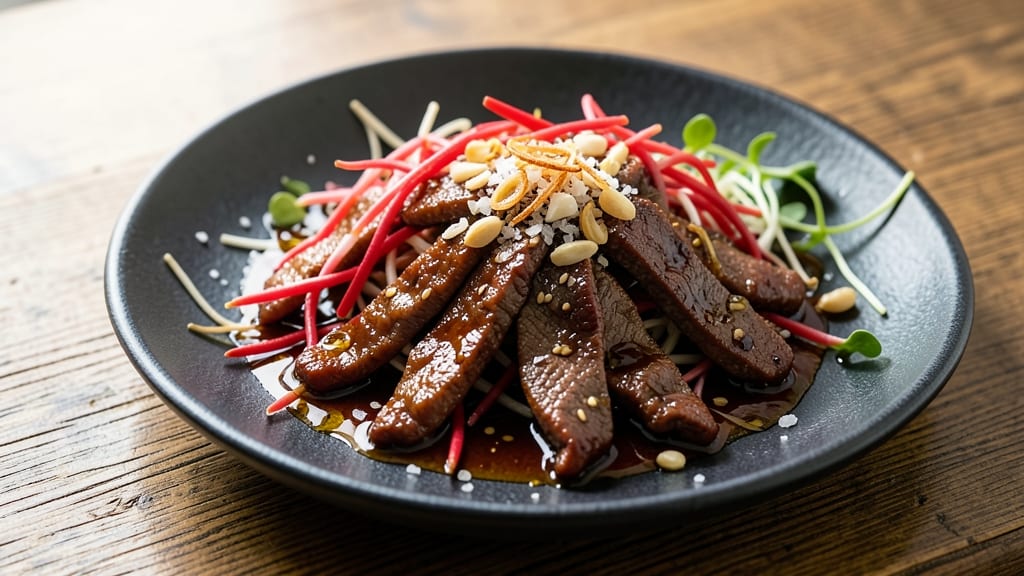
This bean sprout bulgogi recipe delivers all the caramelized, umami-rich flavors of traditional Korean bulgogi—without any meat. The secret lies in a sweet soy glaze that transforms tender bean sprouts into crispy, golden bites with a satisfying chew. After perfecting this vegetarian version, even meat lovers won't miss the beef.
Start with a classic bulgogi marinade—soy sauce, brown sugar, garlic, sesame oil, and a touch of gochujang—that coats the sprouts in layers of savory-sweet flavor. The key technique is blanching the sprouts first to remove bitterness and create the perfect texture, then pan-frying until they develop that signature crispy caramelization.
It's a process that takes less than 30 minutes but transforms simple ingredients into something restaurant-worthy.
What you'll end up with is a dish that's crispy on the outside, tender inside, and packed with the same bold flavors as traditional bulgogi. The sweet soy glaze caramelizes beautifully, creating pockets of flavor in every bite.
Serve it over steamed rice, wrapped in lettuce leaves, or alongside kimchi for a complete meal that's both satisfying and balanced.
This recipe proves that plant-based dishes can deliver the same depth of flavor as their meat counterparts. The technique is straightforward, but the results are impressive—perfect for weeknight dinners or impressing guests. Let's get started on this crispy, caramelized masterpiece.
Ingredients for bean sprout bulgogi
Transform simple bean sprouts into crispy, caramelized bites with this umami-packed vegetarian bulgogi.
| Ingredient | Amount | Notes |
|---|---|---|
| Bean Sprouts 🌱 | 2 cups | Fresh, trimmed and blanched |
| Soy Sauce 🍶 | ½ cup | Korean or tamari preferred |
| Brown Sugar 🍯 | ¼ cup | Packed, light or dark |
| Sesame Oil 🫒 | 1 tbsp | Toasted sesame oil for aroma |
| Gochujang 🌶️ | 1 tbsp | Korean fermented chili paste |
| Garlic Cloves 🧄 | 4 cloves | Minced finely for depth |
| Sesame Seeds 🌿 | 1 tbsp | Toasted for garnish |
| Vegetable Oil 🫒 | 2 tbsp | High smoke point for frying |
| Rice Vinegar 🍶 | 1 tbsp | For brightness and balance |
| Asian Pear 🍎 | ½ cup | Diced, for natural sweetness |
| Green Onions 🧅 | 3 whole | Thinly sliced for garnish |
| Salt 🧂 | ½ tsp | Diamond Crystal kosher salt |
| Black Pepper 🌶️ | ¼ tsp | Freshly cracked for heat |
| Steamed White Rice 🍚 | 2 cups | Short-grain preferred |
The bean sprouts are the foundation—look for fresh, firm sprouts with bright green leaves, ideally from the produce section at Whole Foods or an Asian market. The key is blanching them first to remove bitterness and create the perfect texture for caramelization. For the marinade, Korean soy sauce and gochujang are non-negotiable—they deliver that signature umami depth. If you can't find gochujang, a mix of sriracha and a pinch of miso works in a pinch, though it won't be identical. The sesame oil adds an aromatic richness that's essential for that authentic bulgogi flavor profile.
No sesame seeds? Toasted peanuts or crushed cashews add crunch and nuttiness as a substitute. Short on gochujang? Red pepper flakes and a splash of soy sauce can mimic some of the heat and depth, though the fermented complexity is hard to replicate. The Asian pear adds natural sweetness and tenderness—if unavailable, diced apple or mango work well, though the texture will differ slightly. For the rice, short-grain varieties like jasmine or sushi rice are ideal, but any white rice will work. The green onions should be thinly sliced, with both the white and green parts used for maximum flavor.
Blanched sprouts keep for 3 days in the fridge if stored in a sealed container with a paper towel to absorb moisture. The marinade can be prepped 2 days ahead and stored in an airtight jar in the refrigerator. For best results, pan-fry the sprouts fresh from the blanch—this ensures the crispy texture. Leftovers can be refrigerated for 4 days and reheated gently in a skillet with a splash of water to restore crispiness. This dish is even better the next day as the flavors meld and the glaze deepens.
Why You'll Love This Recipe
- No-Chop Night: I swear by this one—just rinse the bean sprouts, no chopping, no fuss. The gochujang and soy sauce blend in minutes while you wait for the pan to heat.
- Sweet-Spicy Magic: That balance of brown sugar caramelizing with gochujang? It’s like a little flavor explosion. The sesame oil ties it all together with a nutty finish that lingers.
- Lunchbox Hero: Cold or warm, this keeps perfectly for days. Pack it in bento boxes, toss it in wraps, or serve it over rice—my kids grab it before I even sit down.
- Pantry Staple Win: Five ingredients, all cheap and lasting. I make a big batch on Sundays, and by Wednesday, I’m still eating it—no takeout, no extra shopping. Budget-friendly and satisfying.
Step-by-step instructions for crispy-caramelized bean sprouts bulgogi
Here's how to create a perfect balance of crispy bean sprouts and sweet-savory glaze using the exact ingredients provided.
🍳 Step 1: Prepare the Bean Sprouts and Glaze Base
In a large bowl, combine the 2 cups bean sprouts, 0.5 cup soy sauce, 0.25 cup packed brown sugar, 1 tbsp gochujang, 1 tbsp rice vinegar, and 0.5 cup diced Asian pear. Mix thoroughly until the bean sprouts are evenly coated and the sugar begins to dissolve. The mixture should develop a glossy sheen from the soy sauce and vinegar.
Let this marinate for 15 minutes at room temperature while you prepare the remaining components. This resting time allows the flavors to meld and the bean sprouts to soften slightly, ensuring they absorb the glaze rather than remain crunchy. The Asian pear adds natural sweetness that balances the umami from the soy sauce and the heat from the gochujang.
🔥 Step 2: Sauté the Aromatics and Cook the Sprouts
Heat 2 tbsp vegetable oil in a large skillet over medium-high heat until shimmering. Add the 4 cloves minced garlic and cook for 30 seconds until fragrant but not browned—this prevents bitterness and ensures you capture the garlic's sweet, mellow flavor. Immediately add the marinated bean sprouts to the pan, spreading them in an even layer.
Cook for 5-6 minutes, stirring occasionally, until the bean sprouts are deep golden brown and slightly blistered at the edges. The high heat is crucial here—it creates the crispy texture you're aiming for while caramelizing the natural sugars in the glaze. If the sprouts begin to stick, gently press them down with a spatula to release any excess moisture and promote even browning.
🍳 Step 3: Finish with Sesame Oil and Garnish
Reduce the heat to medium-low and drizzle in the 1 tbsp sesame oil, tossing the bean sprouts gently to coat evenly. The sesame oil adds a nutty aroma and helps bind the crispy exterior while keeping the interior tender. Cook for an additional 1-2 minutes until the oil is fully absorbed and the bean sprouts are evenly glossy.
Remove the skillet from heat and transfer the bean sprouts to a serving platter. Sprinkle with 1 tbsp toasted sesame seeds and 3 thinly sliced green onions, dividing them evenly over the top. The sesame seeds add texture and visual appeal, while the green onions provide a fresh, bright contrast to the rich, caramelized flavors. Taste and adjust seasoning with 0.5 tsp salt and 0.25 tsp black pepper if needed.
🥘 Step 4: Serve Over Steamed White Rice
Divide the 2 cups steamed white rice evenly among serving bowls, using short-grain rice for its sticky texture that holds up well to the bold flavors. Spoon the crispy bean sprouts bulgogi over the rice, ensuring each serving gets a generous portion of the caramelized glaze. The rice acts as a neutral base that lets the complex flavors of the bean sprouts shine.
Serve immediately while the bean sprouts are still crispy and the glaze remains glossy. The contrast between the warm, caramelized bean sprouts and the cool, slightly sticky rice creates a satisfying textural experience. For an extra touch, drizzle a few drops of sesame oil over the top just before serving to enhance the aroma and tie all the flavors together.
Pro Tips For Making Bean Sprout Bulgogi
- Blanch Sprouts First: Drop your bean sprouts into boiling water for 30 seconds, then shock in ice water—this softens them just enough to soak up the marinade without turning to mush. I used to skip this and ended up with soggy sprouts that fell apart when tossing with the sauce.
- Balance the Heat: Gochujang is sneaky—start with half the recipe and taste as you go. Too much makes the dish taste like a spicy glaze; too little leaves it flat. My first batch was a disaster until I realized the brown sugar needed to cut through it.
- Toast Sesame Oil Last: Add sesame oil only at the very end over low heat—just before serving. High heat burns it, turning your fragrant aroma into bitter smoke. I learned this after ruining three batches with overzealous stirring.
- Marinate Sprouts Dry: Pat your blanched sprouts thoroughly dry before tossing with the soy-gochujang mix. Wet sprouts dilute the sauce and steam instead of caramelizing. Sounds tedious, but it’s the difference between a sad side and a sticky, flavor-packed bite.
Pro cooking tips for great bean sprout bulgogi
Blanching for Texture
Before marinating, blanch your bean sprouts in boiling water for 30 seconds to remove bitterness and soften them slightly. Immediately plunge into ice water to stop cooking—this creates the perfect tender-crisp texture for caramelization.
I use a fine-mesh strainer to drain them thoroughly, shaking off excess water. This step is non-negotiable for achieving that signature bulgogi bite. 🌱
High Heat Mastery
Caramelizing the bean sprouts requires medium-high heat—too low and they’ll steam instead of crisp. I recommend using a 12-inch cast-iron skillet (like Lodge) for even heat distribution.
Once the oil shimmers, add the sprouts in a single layer—they’ll release moisture, so avoid overcrowding. Stir gently with a spatula to prevent sticking. 🔥
Glaze Development
The magic happens when the brown sugar caramelizes into a glossy glaze. For best results, let the marinade sit for 15 minutes before cooking—this helps the sugar dissolve completely.
If your glaze isn’t sticky enough, add 1 tsp honey to the pan while frying. The glaze should coat the sprouts like lacquer, not pool at the bottom. 🍯
Sesame Oil Finish
Add the sesame oil in the last 1-2 minutes of cooking to infuse aroma without burning it. Toss the sprouts gently to distribute the oil evenly—this adds a nutty depth that mimics traditional bulgogi.
If your pan lacks heat, the oil will soak into the sprouts instead of creating that signature aroma. 🌿
Resting Time
Let the cooked bean sprouts rest for 5 minutes off-heat before serving. This allows the glaze to set and the flavors to meld. I often transfer them to a wire rack to prevent sogginess.
The resting time also helps the crispy exterior stay intact when plating. Trust me, skipping this step makes a noticeable difference. ⏳
Reheating Leftovers
To restore crispiness, reheat leftovers in a dry skillet over medium heat for 3-4 minutes, stirring constantly. Add 1 tsp water to prevent sticking. Microwaving destroys the texture—always use dry heat for the best results. Store leftovers in an airtight container for up to 4 days. 💡
Nutrition facts
Frequently asked questions
Why do I need to blanch the bean sprouts before marinating?
Blanching removes bitterness and softens the sprouts slightly, creating the perfect tender-crisp texture for caramelization. Without this step, they'll stay too crunchy and won't absorb the marinade properly, resulting in a less flavorful dish.
Can I substitute Asian pear in the marinade?
Yes! Use 0.5 cup diced apple or mango for natural sweetness, though the texture will differ slightly. The pear adds a subtle tang that balances the soy sauce, but these alternatives work well in a pinch.
How do I get the bean sprouts extra crispy?
Use medium-high heat in a well-seasoned cast-iron skillet and avoid overcrowding the pan. Stir gently to prevent sticking, and cook until deep golden brown (5-6 minutes). The key is high heat for caramelization without steaming.
What's the best way to store leftovers?
Store in an airtight container for up to 4 days. Reheat in a dry skillet over medium heat for 3-4 minutes with 1 tsp water to restore crispiness. Never microwave—it makes the sprouts soggy!
Is this recipe gluten-free?
Only if you use tamari instead of soy sauce and verify all other ingredients (like gochujang) are gluten-free. Traditional soy sauce contains wheat, so check labels carefully. For a fully gluten-free version, substitute with coconut aminos.