
Side Dishes
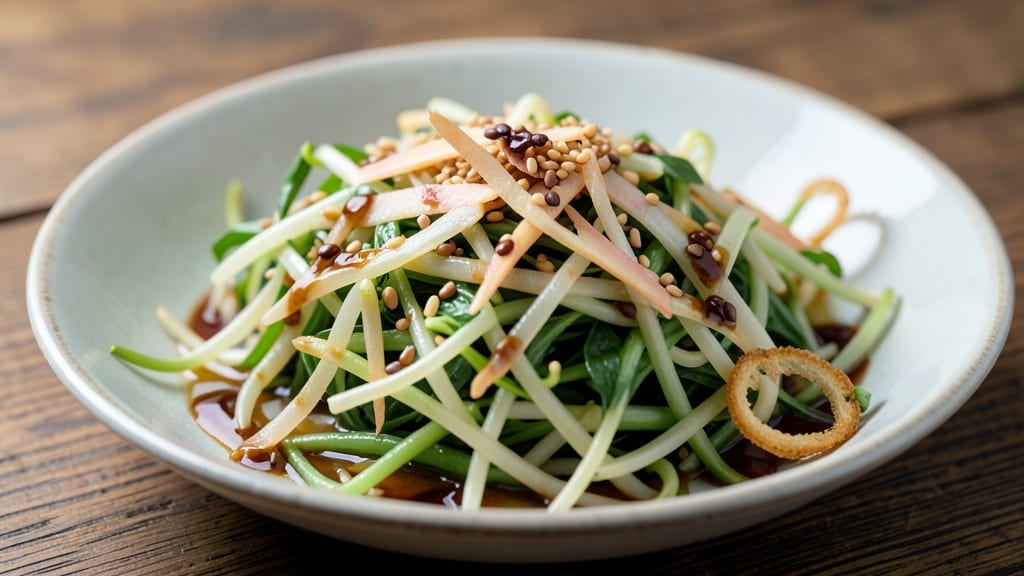
Japanese-style bean sprouts (moyashi) deliver that perfect crisp-tender texture—bright, fresh, and packed with umami from a simple soy-ginger marinade. This recipe transforms ordinary bean sprouts into a restaurant-quality side dish that shines in stir-fries, salads, or even hot pots.
The secret lies in quick blanching and a flavorful dressing that enhances their natural crunch without overpowering it.
What sets this preparation apart is its balance of simplicity and authenticity. You'll work with just a handful of ingredients—bean sprouts, soy sauce, rice vinegar, and a touch of ginger—to create a dish that's both vegan and deeply flavorful.
The blanching step ensures they stay crisp while absorbing the tangy, savory dressing perfectly. This method preserves their freshness while building layers of flavor.
By the time you're done, you'll have vibrant green sprouts with just the right bite—tender enough to eat in one bite but still holding their shape. The soy-ginger dressing adds depth, making each mouthful taste like a little taste of Japan.
These sprouts elevate any meal, whether served as a side, mixed into noodles, or added to a fresh salad. The best part? It all comes together in under 15 minutes.
For extra authenticity, garnish with toasted sesame seeds or a sprinkle of chili flakes. The possibilities are endless—try them in okonomiyaki, as a topping for ramen, or simply as a refreshing side dish. This recipe proves that even the simplest ingredients can become extraordinary with the right technique.
Ingredients for bean sprout recipe japanese style
Fresh bean sprouts, vibrant vinegar, and aromatic ginger create this crisp-tender Japanese side dish.
| Ingredient | Amount | Notes |
|---|---|---|
| Fresh Bean Sprouts 🌱 | 12 oz | Organic preferred for crispness |
| Rice Vinegar 💧 | ¼ cup | Seasoned preferred for depth |
| Soy Sauce 🍶 | 3 tbsp | Low-sodium for balance |
| Fresh Ginger 🧄 | 1 tbsp | Finely grated, aromatic |
| Sesame Oil 🫒 | 1 tbsp | Toasted for nutty flavor |
| Toasted Sesame Seeds 🌾 | 1 tbsp | For garnish, optional |
| Red Chili Flakes 🌶️ | ½ tsp | Adjust to taste |
| Granulated Sugar 🍚 | 1 tsp | Balances acidity |
| Water 💧 | 2 cups | For blanching |
| Ice Cubes ❄️ | 1 cup | For shock cooling |
| Salt 🧂 | ½ tsp | Kosher or sea salt |
The bean sprouts are the star—organic or high-quality sprouts from Whole Foods or Trader Joe's stay crispest. Look for bright green, firm sprouts with no yellowing. Fresh ginger is non-negotiable here; pre-grated loses its punch. For the vinegar, Kikkoman seasoned rice vinegar adds subtle sweetness, but regular rice vinegar works too. The sesame oil should be toasted—look for dark amber bottles in the Asian aisle. If you can't find toasted, lightly toast regular sesame oil in a dry pan for 2 minutes before using.
No rice vinegar? Apple cider vinegar or lemon juice works in a pinch, but reduce to 2 tbsp and add 1 tsp sugar to balance. Pre-grated ginger? Use half the amount and zest extra lemon for brightness. Skip the sesame oil? Avocado oil or neutral oil keeps things neutral. The sugar can be swapped for maple syrup or agave, but sugar's granular texture helps dissolve better. For heat, gochugaru (Korean chili flakes) adds smoky depth instead of regular chili flakes. Always taste the dressing before tossing—adjust salt, sugar, or vinegar as needed.
Blanched sprouts keep for 3 days in the fridge in a sealed container with paper towels to absorb moisture. The dressing can be made ahead and stored for 1 week, but add fresh ginger and sesame oil just before serving. For extra crunch, re-blanch before serving—drop in boiling water for 10 seconds, then ice bath. Garnish with sesame seeds and chili flakes right before eating to keep them crisp. These sprouts shine in ramen, fried rice, or as a topping for vegan sushi rolls—just don't overcook them!
Why You'll Love This Recipe
- No-Chop Needed: I swear, the only prep is rinsing those crisp sprouts and grating a thumb-sized ginger slab. Five minutes tops—no knives, no fuss, just freshness in a bowl.
- Umami Bomb: That combo of soy, sesame oil, and a splash of rice vinegar? It’s the kind of balance that makes you pause mid-bite. The ginger adds a zesty kick without overpowering—honestly, it’s the simplest way to get restaurant-quality flavor at home.
- Lunchbox Hero: Pack it cold for work or school—those sprouts stay crisp, and the dressing clings perfectly. (Yes, even my picky teen eats it.) Or toss it over rice for a 10-minute dinner when you’re wiped.
- Budget Crunch Saver: A pound of sprouts and a jar of soy sauce stretch across three meals. Leftovers? Toss them into fried rice or noodles the next day—zero waste, maximum flavor for pennies.
Step-by-step instructions for Japanese-style bean sprouts
This method delivers perfectly crisp-tender bean sprouts with bright, balanced flavors.
Blanch the Bean Sprouts for Crisp-Tenderness
Fill a large pot with the 2 cups of water and bring to a rolling boil over high heat. Add the 0.5 teaspoon of salt and stir to dissolve completely. Once boiling, add the 12 ounces of fresh bean sprouts and cook for exactly 2 minutes - they should remain vibrant green but slightly softened. This brief blanching preserves their crisp texture while preparing them for the flavor infusion.
Drain the sprouts immediately in a colander and rinse under cold water for 10 seconds to stop the cooking process. Here's the thing - if you overcook them, they'll turn mushy. The goal is that slight give when you press between fingers, not complete softness. Transfer the drained sprouts to a large mixing bowl.
Prepare the Soy-Ginger Dressing
In a small bowl, whisk together the 3 tablespoons of soy sauce, 0.25 cup of rice vinegar, 1 teaspoon of granulated sugar, and 0.5 teaspoon of red chili flakes until the sugar dissolves completely. This creates the flavor base that will penetrate the sprouts. The sugar helps balance the acidity from the vinegar while the chili adds subtle heat.
Add the 1 tablespoon of finely grated fresh ginger and 1 tablespoon of sesame oil to the dressing mixture. Stir well to combine - you should see the ginger begin to infuse into the liquid. This is where the authentic Japanese flavor comes through. The ginger provides aromatic depth while the sesame oil adds nutty richness that complements the soy perfectly.
Toss and Chill for Maximum Flavor Absorption
Pour the dressing over the blanched bean sprouts in the mixing bowl and toss gently but thoroughly using your hands or a pair of tongs. The sprouts should be evenly coated with the dressing but not soggy. Work quickly to distribute everything evenly - this ensures consistent flavor in every bite. The texture should be crisp-tender with a slight sheen from the dressing.
Transfer the dressed sprouts to a clean mixing bowl and cover with plastic wrap. Place the bowl in the refrigerator for at least 30 minutes, or up to 2 hours for deeper flavor infusion. This chilling time allows the flavors to meld completely while maintaining that perfect crisp-tenderness. Don't skip this step - it's what transforms good sprouts into exceptional ones.
Shock Cool and Garnish for Presentation
Fill a large bowl with the 1 cup of ice cubes and water. Add the chilled sprouts and stir gently for 1 minute. This shock cooling stops any further cooking and enhances the crispness. The ice water also helps set the dressing on the sprouts, creating that beautiful glossy finish you see in professional Japanese dishes.
Drain the sprouts once again and transfer to a serving platter. Sprinkle with the 1 tablespoon of toasted sesame seeds and toss gently to distribute evenly. The seeds add both visual appeal and a satisfying crunch. Serve immediately while the sprouts are at their peak texture and temperature. The contrast of crisp-tender sprouts with the cool dressing makes this dish truly special.
Pro Tips For Making Bean Sprout Recipe Japanese Style
- STOP WILTING THE SPROUTS: Rinse them just before tossing in the pan—no soaking, no pre-washing. Damp hands work better than water for removing dirt; pat them dry with a towel or paper towels. I learned this the hard way after turning a crispy dish into a sad, soggy mess.
- GRATE GINGER FINE: Use the small holes of a box grater (or pulse in a food processor) for ginger—you want it nearly paste-like, not chunky. Skip the microplane unless you’re willing to strain out the pulp, which ruins the texture. My grandmother swore by this, and she was right: it blends seamlessly without overpowering.
- SAUCE LAST, NOT FIRST: Toss the sprouts with sesame oil and ginger first, then add soy sauce and rice vinegar after they’ve wilted slightly. The heat breaks down the vinegar’s acidity, so adding it early makes the dish taste harsh. Trust me, your taste buds will notice the difference.
- UPGRADE: TOAST THE SEEDS: Dry-toast 1 teaspoon of sesame seeds in a separate pan over medium-low for 2–3 minutes until golden and fragrant. Sprinkle them on top at the end—they add crunch and depth without overpowering the dish. Sounds weird, but it works: the contrast makes every bite better.
Regional styles of this recipe
Kyoto-Style Blanched
In Kyoto, bean sprouts are traditionally blanched just until they reach crisp-tenderness, then dressed with a lighter soy-ginger marinade. The key difference here is using mirin (2 tsp) instead of sugar to balance the vinegar, creating a sweeter, more delicate flavor profile.
This method emphasizes freshness and pairs beautifully with kaiseki-style dishes. 🌿
Osaka Okonomiyaki Mix-In
Osaka's famous savory pancakes (okonomiyaki) often feature bean sprouts for texture. Toss blanched sprouts with 1 tbsp okonomiyaki sauce and 1 tsp Worcestershire sauce instead of soy-ginger dressing. Fold into batter with cabbage and serve with mayo and bonito flakes. The umami boost makes them irresistible. 🍳
Hokkaido Pickled Sprouts
Hokkaido's cold climate inspired this tangy preservation method. After blanching, soak sprouts in a mix of ¼ cup rice vinegar, 1 tbsp sugar, and 1 tsp salt for 30 minutes.
Store in the fridge for up to 5 days. These pickled sprouts add a bright, crunchy element to soup bases or rice bowls without dressing. ❄️
Tokyo Street Food Style
Tokyo's street vendors often serve bean sprouts as a quick, refreshing side. Skip the chili flakes and add 1 tsp toasted garlic (minced) to the dressing.
Serve in paper cones with a sprinkle of shichimi togarashi for a bold, aromatic kick. Perfect for festivals or as a snack with miso soup. 🗼
Okinawa Sweet-Savory
Okinawan cuisine balances sweet and savory uniquely. After blanching, toss sprouts with 2 tbsp soy sauce, 1 tbsp awamori (or dry sherry), and ½ tsp shiso leaf (optional).
The subtle citrus notes from awamori elevate the dish, making it ideal for goya champuru (bitter melon stir-fry). 🌺
Nutrition facts
Frequently asked questions
Can I use regular green beans instead of bean sprouts?
No, they're completely different! Bean sprouts are young, tender shoots with a delicate texture, while green beans are mature pods with tougher fibers. The recipe relies on the sprouts' natural crispness and quick cooking time—green beans would turn mushy and lose their shape. For a similar dish, try mung bean sprouts or alfalfa sprouts instead.
Why does the recipe call for blanching instead of stir-frying?
Blanching preserves that perfect crisp-tender texture while preparing the sprouts to absorb the dressing. Stir-frying would overcook them, making them soft and limp. The quick 2-minute boil followed by ice water shock ensures they stay vibrant and crunchy—just like in Japanese izakayas.
Can I make this recipe without sesame oil?
Yes! Swap it for 1 tbsp neutral oil (like avocado or vegetable oil) or even 1 tsp toasted sesame seeds stirred into the dressing. The flavor will be slightly less nutty, but the dish will still taste delicious. For authenticity, try lightly toasting regular sesame oil in a dry pan for 1-2 minutes before using.
How long can I store these dressed sprouts?
Store them in an airtight container in the fridge for up to 3 days. The texture will soften slightly over time, so for best results, re-blanch for 10 seconds before serving. The dressing can be made ahead (up to 1 week)—just add fresh ginger and sesame oil right before tossing with the sprouts.
What are the best ways to serve these Japanese-style sprouts?
They're incredibly versatile! Try them as a side with sushi or ramen, mixed into fried rice, or as a topping for vegan sushi rolls. For a full meal, serve with grilled fish or tofu and steamed rice. The soy-ginger flavor also pairs well with miso soup or as a refreshing addition to summer salads.