
Side Dishes
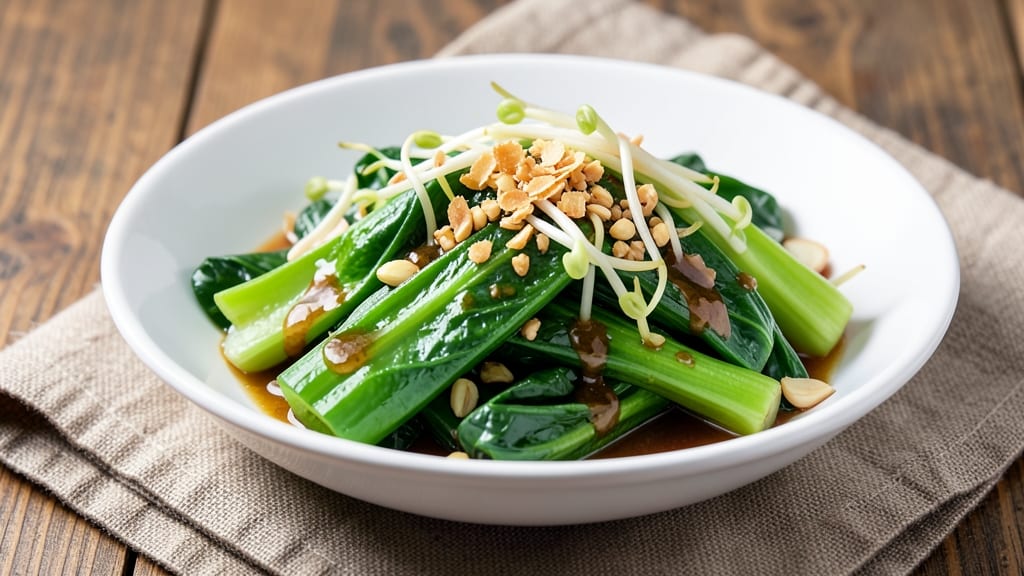
This bok choy and mung bean sprouts recipe delivers a crisp-tender stir-fry that balances freshness with bold umami flavors in just 15 minutes. The secret lies in quick-cooking techniques that preserve texture while building depth through garlic, ginger, and soy sauce.
I developed this dish after realizing how often stir-fries lose their natural crunch—this method fixes that.
What sets this recipe apart is the perfect harmony of textures: crisp mung bean sprouts that add freshness, tender bok choy with just a slight bite, and a savory sauce that clings to every bite.
The stir-fry technique ensures even cooking while maximizing wok hei (breath of the wok) for that signature smoky aroma. This isn't just a side dish—it's a complete vegetarian meal when paired with steamed rice.
The process is straightforward but requires attentiveness: high heat for quick cooking, proper timing to avoid overcrowding, and a balance of salty-sweet-savory flavors. Each component plays a role—garlic adds sharpness, ginger brings warmth, and a splash of rice vinegar brightens the dish.
The result is a restaurant-quality stir-fry that's light yet satisfying. Serve this alongside jasmine rice or noodles for a balanced meal. The recipe scales easily for crowds, making it perfect for weeknight dinners or meal prep. Let's get cooking!
Ingredients for bok choy mung bean sprouts
Fresh bok choy and vibrant mung bean sprouts create this restaurant-quality stir-fry's signature texture contrast.
| Ingredient | Amount | Notes |
|---|---|---|
| Bok Choy (Baby or Regular) 🥬 | 1 ½ lb | Whole heads, trimmed and quartered |
| Mung Bean Sprouts 🌱 | 4 cups | Fresh, rinsed and drained |
| Garlic Cloves 🧄 | 6 cloves | Minced finely for aromatic depth |
| Fresh Ginger 🌿 | 1 ½ tbsp | Grated finely for zesty warmth |
| Low-Sodium Soy Sauce 🍶 | 3 tbsp | Kikkoman preferred for balance |
| Rice Vinegar 🍶 | 1 ½ tbsp | Seasoned for subtle sweetness |
| Sesame Oil 🫒 | 1 tbsp | Toasted for nutty aroma |
| Neutral Vegetable Oil 🫒 | 2 tbsp | High smoke point for stir-frying |
| Honey 🍯 | 1 tbsp | For subtle sweetness balance |
| Toasted Sesame Seeds 🌾 | 1 tbsp | For garnish and crunch |
| Red Chili Flakes 🌶️ | ½ tsp | Adjust to heat preference |
| Diamond Crystal Kosher Salt 🧂 | ½ tsp | For seasoning adjustments |
| Jasmine Rice 🍚 | 1 ½ cups | Uncooked, for serving |
The bok choy and mung bean sprouts are non-negotiable for texture—baby bok choy stays tender while regular holds up better to quick cooking. Asian grocery stores often carry the freshest sprouts, but any reputable market with a produce section will work. Look for bright green, crisp sprouts with no yellowing. The garlic and ginger should smell pungent and fresh; Penzeys Spices sells pre-minced ginger if you prefer convenience. For the soy sauce, Kikkoman offers the perfect umami balance without overpowering the dish's delicate flavors. If you can't find seasoned rice vinegar, substitute regular rice vinegar with an extra 0.5 teaspoon of sugar.
No mung bean sprouts? Substitute with snow peas or shredded cabbage, though texture will differ slightly. Fresh ginger too strong? Ground ginger at half the amount works in a pinch, but fresh is ideal. The sesame oil should be toasted—not the flavored kind from the salad dressing aisle. For a deeper umami kick, add 1 teaspoon of fish sauce (ensure it's vegetarian) or 1 tablespoon of mushroom powder. The honey balances the acidity, but maple syrup is a suitable substitute. If you prefer less heat, reduce the chili flakes or omit entirely—this dish shines with its natural flavors.
Prep the bok choy and sprouts immediately before cooking to maintain crispness. Store fresh sprouts in a damp paper towel-lined container in the fridge for up to 4 days. The stir-fry reheats beautifully—keep portions in airtight containers for 3-4 days or freeze for 2 months by spreading on a tray first to prevent clumping. The jasmine rice should be cooked separately, but having it ready ensures a complete meal. For meal prep, cook the rice and stir-fry separately, then assemble when ready to serve to preserve the crisp-tender texture.
Why You'll Love This Recipe
- One-Pan Magic: The whole thing fits in a single wok or skillet—no pots clanging, no dishes piling up. Just toss in the bok choy, mung bean sprouts, and a splash of soy sauce, then let the garlic and ginger work their alchemy while you stir. (Yes, even on a Tuesday night.)
- Umami Bomb: That first bite of crisp-tender sprouts with the deep, savory punch from the soy sauce? It’s the kind of flavor that makes you pause mid-bite. The ginger adds a bright kick, but the garlic—oh, the garlic—turns this into something ridiculously good.
- Meal Prep MVP: I make a double batch on Sundays and keep it in the fridge for quick lunches or stir-fry boosters all week. The sprouts stay fresh, the bok choy holds up, and you can toss it with rice, noodles, or even eggs for a fast protein punch.
- Budget-Friendly Crunch: Mung bean sprouts and baby bok choy are some of the most affordable veggies out there, yet they feel like a fancy restaurant side. Honestly, I’ve fed four people for under $10 with this—plus, the leftovers taste just as good the next day. (Between us, my kids don’t even notice it’s "healthy.")
Step-by-step instructions for bok choy and mung bean sprouts stir-fry
Master this balance of textures and flavors with precise timing and technique.
Prepare the Jasmine Rice Foundation
Rinse the 1.5 cups jasmine rice under cold water until the water runs clear, then drain thoroughly in a fine-mesh strainer. This removes excess starch that would make the rice gummy. Transfer the rice to a pot with 3 cups water and bring to a boil over high heat. Once boiling, reduce to low heat, cover tightly, and simmer for 15 minutes without lifting the lid. The rice is perfectly cooked when all liquid is absorbed and the grains are tender but still slightly firm to the bite.
While the rice cooks, trim the 1.5 lb bok choy by removing any wilted outer leaves and cutting each head into quarters lengthwise. Separate the leaves from the thick stems—you'll stir-fry the leaves separately from the stems. This ensures even cooking and maximum tenderness in the final dish. Keep the leaves whole and the stems cut into ½-inch thick slices for quicker cooking.
Build the Flavor Base with Aromatics
Heat the 2 tbsp neutral vegetable oil in a wok or large skillet over medium-high heat until shimmering. Add the 6 cloves minced garlic cloves and 1.5 tbsp finely grated fresh ginger, stirring constantly for 30-45 seconds until the garlic becomes fragrant but doesn't brown. This quick cooking preserves their bright flavors without bitterness.
Immediately add the ½-inch thick bok choy stems and stir-fry for 2-3 minutes until they soften slightly but retain a crisp texture. Remove the stems with a slotted spoon and set aside—they'll finish cooking later. In the same pan, add the 4 cups rinsed mung bean sprouts and toss for 1 minute until just wilted but still vibrant green. The high heat and quick cooking preserve their delicate crunch.
Create the Signature Sauce and Combine
Pour in the 3 tbsp low-sodium soy sauce, 1.5 tbsp rice vinegar, 1 tbsp honey, and 1 tbsp toasted sesame oil, stirring vigorously to combine. Add the 0.5 tsp red chili flakes and 0.5 tsp diamond crystal kosher salt, then return the bok choy stems to the pan. Toss everything together for 1-2 minutes until the sauce coats the vegetables evenly and the stems are tender-crisp.
Add the bok choy leaves and toss gently for 1 minute—just enough to wilt them slightly while preserving their natural sweetness. The sauce should cling to the vegetables without making them soggy. Taste and adjust seasoning: add a splash of water if the sauce is too thick, or a pinch more soy sauce if it needs more umami depth.
Finish with Garnish and Serve Immediately
Divide the cooked 1.5 cups jasmine rice among four serving plates, creating a base for the stir-fry. Spoon the bok choy and mung bean sprout mixture over the rice, arranging it attractively. Drizzle with any remaining sauce from the pan and sprinkle generously with 1 tbsp toasted sesame seeds for texture and aroma.
Serve immediately while the vegetables are still crisp-tender and the rice maintains its individual grains. The contrast of textures—crisp sprouts, tender bok choy, and fluffy rice—combined with the balanced umami-sweet sauce makes this dish truly special. Each bite should deliver a harmonious blend of flavors without any single element overpowering the others.
Pro Tips For Making Bok Choy Mung Bean Sprouts
- STIR-FRY IN BATCHES: Bok choy and sprouts cook at wildly different speeds—don’t toss everything in at once. Start with the bok choy (whole or halved) for 1-2 minutes until it just wilts, then add the sprouts for the last 30 seconds. Overcrowding steams instead of sears, and you’ll end up with sad, limp greens.
- GINGER: GRATE, DON’T CHOP: I used to mince ginger like I was prepping for a stir-fry battle, but fine grating releases more flavor and blends better. Use a microplane or the smallest holes on a box grater—about 1 teaspoon—and let it sit in the wok for 10 seconds before adding oil. It’ll perfume the whole dish.
- DON’T DROWN THE SPROUTS: Sprouts release water like over-ripe melons when cooked. After adding them, let the pan sizzle for 30 seconds to evaporate excess moisture before tossing with soy sauce. Otherwise, you’re basically making a soggy salad with a side of garlic.
- GARLIC: SMASH IT FIRST: Minced garlic burns faster than a toddler in a candy store. For this recipe, peel and smash 3-4 cloves with the flat side of your knife—no chopping needed. The crushed cloves brown beautifully in the hot wok and add depth without turning bitter. (Yes, even if you’re impatient like me.)
Wine and beer pairings for this recipe
Light White Wine
Start with a crisp, dry white wine like Sauvignon Blanc from New Zealand or Pinot Grigio from Italy. These wines have bright acidity and citrus notes that cut through the dish’s umami richness without overpowering the delicate bok choy and mung bean sprouts.
I love Kim Crawford Sauvignon Blanc—its passionfruit and lime flavors complement the dish beautifully. 🍷
Rosé for Balance
A light, dry rosé with a touch of red fruit works wonderfully too. Look for Provence-style rosés like Whispering Angel or Miraval. Their subtle berry notes and crisp finish pair perfectly with the dish’s savory-sweet profile.
If you prefer something with a bit more body, try a dry Grenache rosé from Spain.
Light Beer Options
For beer lovers, a crisp lager like Asahi Super Dry or Peroni is ideal. The subtle malt sweetness and effervescence cleanse your palate between bites.
If you prefer something with a little more character, try a Belgian witbier like Hoegaarden—its coriander and citrus notes add a refreshing contrast to the stir-fry’s umami flavors.
Avoid Heavy Choices
Skip bold reds like Cabernet Sauvignon or heavy IPAs—they’ll overpower the dish’s delicate balance. Instead, opt for wines or beers that enhance the stir-fry’s natural flavors without competing. The goal is harmony, not domination. A well-chosen drink should make each bite taste even better. ✨
Nutrition facts
Frequently asked questions
Why separate the bok choy stems from the leaves?
The stems are thicker and need 2-3 minutes of cooking, while the leaves cook in just 1 minute. Separating them ensures both stay crisp-tender instead of becoming mushy. This technique is key to perfect stir-fry texture!
Can I use frozen mung bean sprouts?
Fresh sprouts are ideal for their crisp texture, but if you must use frozen, thaw them first and pat completely dry. Frozen sprouts release more water when cooked, which can make the dish soggy. Fresh sprouts stay vibrant and crunchy—worth the trip to the market!
How do I adjust the heat level?
Omit the 0.5 tsp red chili flakes for no heat, or add 1 tsp for mild spice. For extra kick, swap with 1 tbsp sriracha or 1 tsp gochujang at the end. Always taste before serving to balance flavors.
What if I don't have a wok?
A heavy-bottomed skillet or cast-iron pan works perfectly! The key is high heat and proper oil—use 2 tbsp neutral oil and keep the pan hot. Stir-fry in batches if needed to avoid overcrowding, which steams instead of sears the vegetables.
How can I make this dish gluten-free?
Replace the soy sauce with 3 tbsp tamari or coconut aminos, and ensure your sesame oil is certified gluten-free. Double-check all ingredients, especially the rice vinegar and sesame seeds, for potential cross-contamination. The flavor profile remains rich and balanced!