
Side Dishes
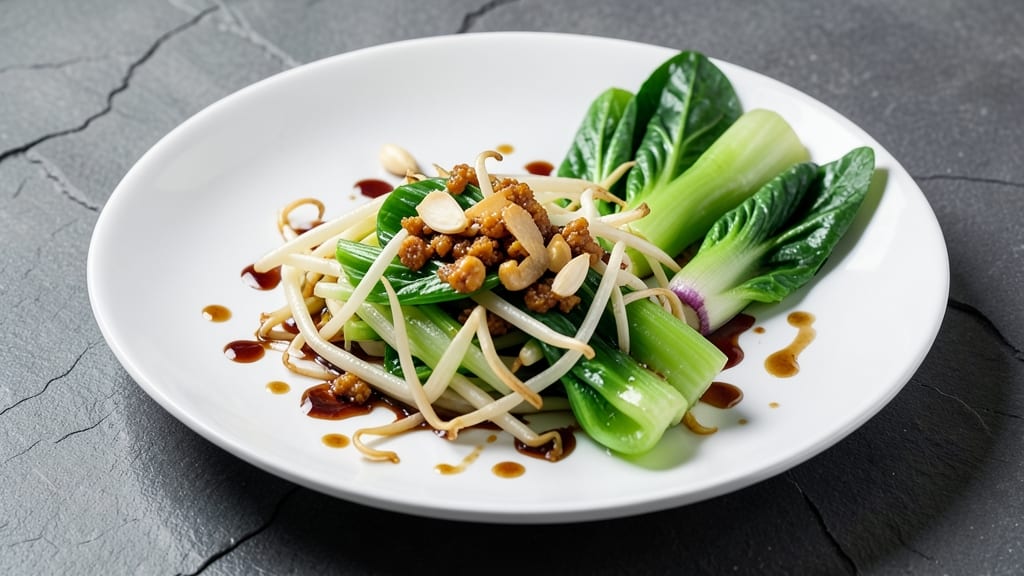
This bean sprouts and bok choy recipe delivers the perfect balance of crisp-tender textures and bold umami flavors in just 15 minutes. The secret lies in wok-searing the vegetables at high heat, which creates that satisfying caramelized edge while keeping the centers vibrant and fresh.
I developed this dish after realizing how often fresh greens get overcooked in stir-fries—this method fixes that problem completely.
The foundation is a simple garlic-ginger base that infuses every bite with aromatic depth, while a touch of soy sauce and sesame oil adds that signature umami punch.
Bok choy's slightly bitter notes contrast beautifully with the mild sweetness of bean sprouts, creating a flavor profile that's both sophisticated and approachable. This makes it an excellent side dish or even a light main when paired with tofu or noodles.
What you'll achieve is a plate of vegetables that's anything but boring—crisp edges give way to tender centers, all coated in a glossy, savory glaze. The aroma alone will have everyone at the table asking what's for dinner, and the best part?
It's packed with plant-based protein and nutrients without sacrificing flavor. The technique is straightforward but delivers restaurant-quality results at home.
Perfect for weeknight dinners, meal prep, or adding to your stir-fry repertoire, this recipe proves you don't need complicated ingredients to create impressive dishes.
The combination of bean sprouts and bok choy provides both texture and nutrition, making it a standout side that pairs beautifully with rice, noodles, or grilled proteins. Let's get cooking!
Ingredients for bean sprouts and bok choy
These vibrant ingredients create restaurant-quality wok-seared vegetables bursting with umami and crisp-tender texture.
| Ingredient | Amount | Notes |
|---|---|---|
| Fresh Bean Sprouts 🌱 | 3 cups | Rinsed and drained thoroughly |
| Bok Choy 🥬 | 2 whole | Baby or regular, cut into quarters |
| Garlic Cloves 🧄 | 4 cloves | Minced for aromatic punch |
| Fresh Ginger 🌿 | 1 tbsp | Finely grated, vibrant flavor |
| Sesame Oil 🫒 | 1 tbsp | Toasted sesame for depth |
| Tamari or Soy Sauce 🍶 | 1 ½ tbsp | Gluten-free tamari preferred |
| Maple Syrup 🍯 | 1 tsp | Balances savory notes |
| Toasted Sesame Seeds 🌾 | 1 tbsp | For garnish and crunch |
| Extra-Virgin Olive Oil 🫒 | 1 ½ tbsp | High smoke point for wok-searing |
| Red Chili Flakes 🌶️ | ½ tsp | Adjust to taste for heat |
| Lime Wedges 🍋 | 2 whole | Freshly squeezed for brightness |
| Fresh Cilantro 🌿 | ¼ cup | Chopped, for fresh finish |
The bok choy and bean sprouts are the stars here—look for baby bok choy at Asian markets for the tenderest texture, but regular works too if cut into quarters. Trader Joe's has the best pre-washed sprouts, but rinse any store-bought variety thoroughly to remove dirt. Freshness is key: the greens should be crisp, not wilted. For extra flavor, I like to massage the bok choy with a pinch of salt for 30 seconds before cooking—it softens them slightly and concentrates their flavor. The garlic and ginger? Freshly grated or minced makes all the difference—pre-minced jarred ginger just won't cut it here.
No sesame oil? Avocado oil or neutral high-smoke-point oil works in a pinch, but you'll lose that nutty depth. Tamari is a must for gluten-free diets, but regular soy sauce works if that's all you've got. Short on maple syrup? Agave nectar or a tiny bit of coconut sugar will do—just taste as you go. The red chili flakes can be swapped for Sichuan peppercorns if you want a numbing kick instead of heat. And cilantro? Coriander leaves are the same thing—use whatever you have. Pro tip: if your cilantro tastes soapy, it's past its prime—grab fresh from the market.
This dish shines when made fresh, but the components keep beautifully for prep ahead. Store the bean sprouts and bok choy separately in airtight containers for up to 3 days in the fridge—they wilt faster together. The garlic and ginger can be prepped a day ahead and stored in the fridge. When ready to cook, pat everything dry with paper towels before searing—this ensures that perfect crisp-tender texture. Leftovers? Reheat gently in a pan with a splash of water to revive the crispness. Freezing isn't recommended for these greens—they turn mushy.
Why You'll Love This Recipe
- No-Chop Nightmare: I swear, this dish is my savior when I’m too tired to chop. Bean sprouts and bok choy need zero prep—just rinse, trim the thick ends of the bok choy, and you’re done. The garlic and ginger get minced in 30 seconds, and boom: dinner’s ready.
- Umami Bomb: That sesame oil finish? Chef’s kiss. The garlic and ginger caramelize just enough to coat the bok choy’s crisp stems and tender leaves, while the bean sprouts soak up the flavor like a sponge. It’s the kind of dish that makes you go, “Wait, this is just stir-fried greens?”—then immediately go back for seconds.
- Leftover Goldmine: Between us, this recipe doubles as tomorrow’s lunch. The flavors only get better after sitting overnight—especially if you toss in a splash of rice vinegar to keep it fresh. Pack it in containers, and you’ve got a no-fuss work lunch that’ll make your coworkers jealous.
- Budget Superstar: Fresh bean sprouts and bok choy are dirt cheap compared to other stir-fry veggies, and they stretch like crazy. Honestly, I’ve fed four people for under $5 with this—plus, the garlic and ginger are pantry staples. It’s the kind of meal that makes you feel fancy without breaking the bank.
Step-by-step instructions for wok-seared bean sprouts and bok choy
Here's how to transform simple ingredients into a restaurant-worthy dish with perfect wok-seared texture.
Prep Ingredients for Maximum Flavor and Texture
Start by rinsing the 3 cups fresh bean sprouts thoroughly under cold water, then drain them completely in a colander. I like to give them a gentle shake to remove any excess moisture—this ensures they'll sear properly instead of steaming. While they drain, cut the 2 whole bok choy into quarters lengthwise, keeping the stems attached for easier handling.
In a small bowl, combine the 4 cloves minced garlic and 1 tablespoon finely grated fresh ginger. This aromatic duo forms the flavor foundation of your dish. I always use a microplane for the ginger to get those fine, vibrant strands that infuse flavor without overpowering. Keep this mixture nearby—you'll add it to the wok just before the vegetables go in.
Create the Umami-Packed Sauce Base
In a small measuring cup, whisk together the 1.5 tablespoons tamari or soy sauce, 1 teaspoon maple syrup, and 0.5 teaspoon red chili flakes. The maple syrup might seem unusual, but it perfectly balances the savory-sweet profile while adding depth. Taste the mixture—it should be tangy with a subtle heat. If you prefer more heat, add an extra pinch of chili flakes.
Set this sauce aside while you prepare your wok. Here's the thing—this sauce will transform your dish from good to exceptional, so don't skip tasting it. The tamari provides that essential umami kick while the maple syrup prevents the dish from being too salty or one-dimensional. Trust me, this small step makes all the difference.
Wok-Sear the Vegetables to Perfection
Heat a wok or large skillet over high heat until it's screaming hot. Add the 1.5 tablespoons extra-virgin olive oil and swirl to coat the surface. When the oil shimmers (about 30 seconds), add the bok choy quarters cut-side down. Cook undisturbed for 2 minutes until the edges develop golden-brown spots—this is your signal they're ready to flip.
Flip the bok choy and add the drained bean sprouts. Toss everything vigorously for 2 minutes until the bean sprouts turn bright green and the bok choy wilts slightly but maintains its structure. The key here is high heat and constant movement—this creates that beautiful wok-seared texture while keeping the vegetables crisp-tender. Don't be afraid to work quickly; these vegetables cook in minutes.
Finish with Aromatics and Brightness
Pour the garlic-ginger mixture into the wok and stir for 30 seconds until fragrant. You'll smell that irresistible aroma of garlic and ginger—this is when the dish really comes together. Immediately add the prepared sauce and toss everything for another 30 seconds until everything is evenly coated and the bean sprouts glisten with the sauce.
Remove from heat and let the vegetables rest for 1 minute. This brief resting period allows the flavors to meld while preventing the bean sprouts from overcooking. The dish should look vibrant with wok-seared edges and a glossy sauce coating every surface. If you're serving immediately, this is the perfect moment—each bite should deliver crisp-tender texture with layers of umami and brightness.
Garnish and Serve with Confidence
Transfer the wok-seared vegetables to serving plates and drizzle with the remaining 1 tablespoon sesame oil. Sprinkle generously with the 1 tablespoon toasted sesame seeds and the 0.25 cup chopped fresh cilantro. The sesame seeds add nutty crunch while the cilantro brings freshness to cut through the richness.
Finally, squeeze the juice from the 2 whole lime wedges over the top and serve immediately. The acidity from the lime brightens all the flavors and prevents the dish from being too heavy. Each serving should be a perfect balance of textures—crisp bean sprouts, tender bok choy, and that irresistible wok-seared crust—with complex flavors that dance on your palate.
Pro Tips For Making Bean Sprouts And Bok Choy
- STIR-FRY IN BATCHES: Bean sprouts release water fast—cook them first in a separate pan until just wilted (3-4 minutes), then set aside. This keeps your bok choy crisp and prevents a soggy mess in the final stir-fry.
- SLICE GINGER THIN: Skip the grating—julienne that ginger into matchsticks. It infuses flavor without turning your dish into a paste, and you won’t accidentally overpower the delicate greens.
- CRISP THE BOK CHOY: Bok choy’s stems take longer to cook. Separate them from the leaves, blanch the stems for 1 minute in boiling water, then finish with the leaves. Your wok won’t turn into a soup.
- SALT THE SPROUTS: Toss the bean sprouts with ½ tsp salt right after rinsing—this draws out excess water and gives them a cleaner bite. (Yes, even if you’re not adding salt later.)
Perfect pairings for this dish
Rice Pairings
Jasmine rice is my go-to choice for this dish—its delicate floral aroma complements the earthy bok choy and fresh bean sprouts beautifully. Cook 1 cup jasmine rice with 1.5 cups water and a pinch of salt for perfectly fluffy grains.
Serve the wok-seared vegetables over the hot rice to create a satisfying, balanced meal that's both comforting and elegant. 🍚
Noodle Combinations
For a lighter option, pair this dish with udon or soba noodles. Cook 4 ounces dried noodles according to package instructions, then toss them with 1 teaspoon toasted sesame oil and a splash of tamari before serving alongside.
The chewy texture of the noodles contrasts perfectly with the crisp-tender vegetables, creating a hearty yet healthy dish. I love adding a soft-boiled egg to udon for extra richness.
Protein Additions
To turn this into a complete protein meal, add pan-seared tofu or grilled shrimp. For tofu, press and cube 8 ounces firm tofu, then pan-fry in 1 tablespoon sesame oil until golden.
Shrimp lovers can toss ½ pound peeled shrimp with 1 teaspoon soy sauce and ½ teaspoon grated ginger before grilling for 2-3 minutes per side. Both options add substantial protein without overpowering the vegetable flavors.
Dipping Sauces
Serve with a simple dipping sauce made by mixing 2 tablespoons tamari, 1 tablespoon rice vinegar, 1 teaspoon honey, and ½ teaspoon sesame oil. For extra depth, add 1 minced garlic clove and ½ teaspoon grated ginger.
This sauce enhances the dish's umami notes while providing a refreshing contrast. I also like offering sriracha on the side for guests who want extra heat. 🌶️
Beverage Pairings
A crisp green tea like Sencha or jasmine tea cleanses the palate between bites, balancing the dish's savory-sweet profile. For alcohol lovers, a dry Sauvignon Blanc with its citrus notes complements the lime and sesame flavors beautifully.
If you prefer beer, opt for a light Japanese lager like Asahi—its subtle maltiness won't compete with the dish's vibrant flavors.
Garnish Variations
Elevate the presentation with creative garnishes. Try crispy fried shallots for added crunch, or sprinkle with pickled red onions for tangy contrast. For a smoky touch, add ½ teaspoon smoked paprika to the sesame oil before drizzling.
Fresh Thai basil leaves make an aromatic alternative to cilantro, especially if you're serving this dish with Thai-inspired flavors. 🌿
Nutrition facts
Frequently asked questions
Can I substitute baby bok choy for regular bok choy?
Yes, but adjust the cooking time! Baby bok choy cooks faster—cut it into quarters and sear for just 1-1.5 minutes per side. Regular bok choy needs 2 minutes per side to develop that perfect wok-seared crust. The key is high heat and watching closely to avoid overcooking.
Why do my bean sprouts turn mushy instead of crisp?
This usually happens from overcrowding the pan or not draining them properly. Always pat sprouts completely dry with paper towels before cooking, and work in batches if needed. The wok should be screaming hot—if it's not, your oil isn't hot enough to create that crisp texture. Try 30 seconds less cooking time next time.
Is this recipe gluten-free?
Yes! Use tamari instead of soy sauce, and check your sesame oil for gluten-free certification. The recipe naturally avoids gluten, but always verify labels—some brands process soy sauce in shared facilities. For extra safety, choose certified gluten-free sesame oil and tamari.
Can I make this ahead of time?
Not ideal for the crisp texture, but you can prep components separately. Store rinsed bean sprouts and chopped bok choy in airtight containers for up to 3 days. Cook them fresh when ready—reheat gently in a pan with a splash of water to revive texture. The sauce can be made 1 day ahead and stored in the fridge.
What's the secret to getting that perfect wok-seared look?
Three things: high heat, dry ingredients, and constant tossing. Your wok should be so hot it smokes when oil hits it. Pat everything completely dry, and work in batches if needed. Toss vigorously for 1-2 minutes—the moment you see golden edges, flip or remove. The resting time (1 minute) locks in that perfect texture!