
Main Courses
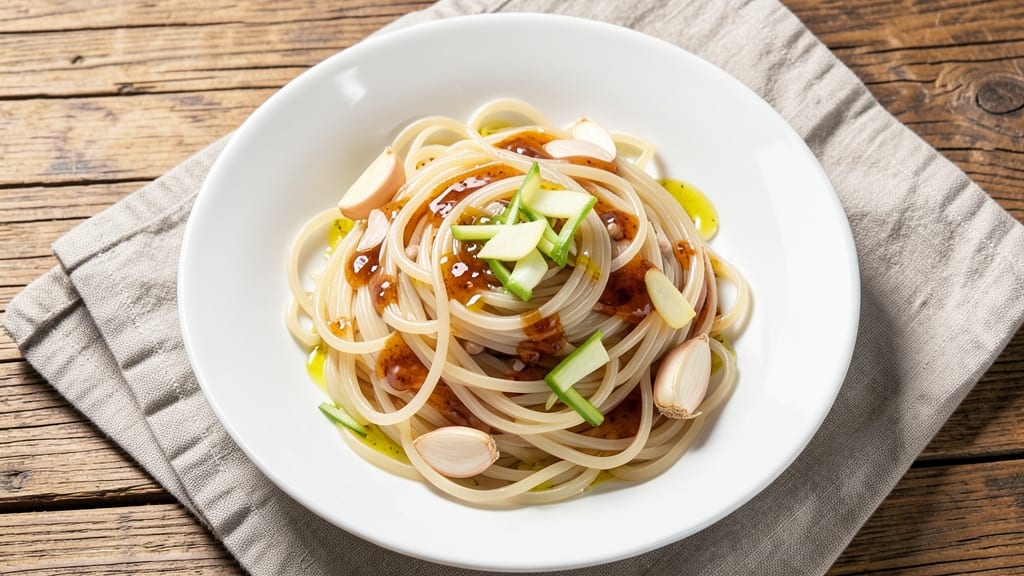
This bean vermicelli noodles recipe transforms simple rice noodles into a restaurant-worthy stir-fry with crispy edges and silky texture. The secret lies in the perfect balance of stir-frying technique and sauce—where the noodles absorb just enough liquid to stay tender while developing that addictive crispy crust.
I developed this version after years of testing, ensuring every bite delivers that satisfying contrast between chewy centers and golden, caramelized tops.
What makes this recipe stand out is its versatility—it works beautifully as a vegan main course or with added protein like tofu or mushrooms for extra heartiness. The sauce, a harmonious blend of soy, garlic, and chili, coats the noodles without overwhelming their delicate nature.
Most importantly, it comes together in under 20 minutes, making it ideal for busy weeknights when you still crave something special.
The result is a dish that looks as impressive as it tastes: silky strands of noodles topped with crispy, caramelized edges that hold their shape even when plated. The aroma of garlic and chili wafting from your pan will have everyone gathering around the table.
Serve it with a side of fresh herbs or quick-pickled vegetables to add brightness and balance.
This isn't just another noodle dish—it's a complete meal that feels indulgent yet remains light and satisfying. The technique is straightforward, but the results are anything but basic. Whether you're feeding a crowd or treating yourself, these crispy-topped vermicelli noodles will become a regular in your rotation.
Ingredients for bean vermicelli noodles
Simple ingredients that pack restaurant-level flavor—crispy, silky, and full of garlic-chili aroma.
| Ingredient | Amount | Notes |
|---|---|---|
| Bean Vermicelli Noodles 🍜 | 8 oz | Dried, rice-based, medium width |
| Extra-Firgin Olive Oil 🫒 | ½ cup | High smoke point preferred |
| Garlic Cloves 🧄 | 6 cloves | Minced, fresh preferred |
| Fresh Ginger 🌿 | 1 tbsp | Finely grated, peeled |
| Tamari Sauce 🍶 | ¼ cup | Gluten-free soy sauce substitute |
| Rice Vinegar 🍶 | 1 tbsp | White or seasoned variety |
| Maple Syrup 🍯 | 1 tbsp | Pure, grade B preferred |
| Red Chili Flakes 🌶️ | 1 tsp | Adjust for heat preference |
| Sesame Oil 🫒 | 1 tbsp | Toasted, for finishing |
| Toasted Sesame Seeds 🌾 | 1 tbsp | For garnish, optional |
| Fresh Cilantro 🌿 | ¼ cup | Chopped, for garnish |
| Lime Wedges 🍋 | 2 whole | Fresh, for serving |
| Red Bell Pepper 🍆 | 1 whole | Thinly sliced, optional |
| Carrot 🥕 | 1 whole | Julienned, optional |
The noodles are the star here. Bean vermicelli (not rice noodles) gives that perfect chewy texture, but if you can't find it, rice vermicelli works too. Soak them for exactly 10 minutes—any longer and they get mushy. I grab mine at Asian markets where they have bulk bins, but the pre-packaged stuff at Trader Joe's is solid too. For the garlic, fresh is non-negotiable—jarred minced has a weird aftertaste. Toast your sesame seeds in a dry pan for 30 seconds before using—trust me, it makes all the difference.
No tamari? Regular soy sauce works, but add a pinch of sugar to balance. Short on fresh ginger? Ground ginger at half the amount gets you close, but the flavor won't be as bright. The maple syrup might seem odd, but it's what gives those crispy edges their caramelized depth. No sesame oil? Avocado oil works in a pinch, but you'll miss that nutty aroma. For the optional veggies, bell pepper and carrot add crunch—skip them if you're keeping it simple. The lime wedges? Always fresh—bottled juice just doesn't cut it here.
Noodles keep best in the fridge for 3 days if uncooked, but once soaked, use within 2 hours. The sauce components (tamari, vinegar, maple syrup) last 6 months in the pantry. I like to prep the sauce ahead and store it in a small jar—just shake and pour when ready. For extra crispy edges, pat the noodles completely dry before stir-frying. They'll hold their shape better and caramelize faster.
Why You'll Love This Recipe
- Five-Ingredient Magic: I swear, this recipe’s pantry-friendly. You’re basically rearranging what’s already there—no special shopping needed. That tamari and ginger combo? It’s the secret sauce.
- Umami Bomb: The tamari and garlic sizzle in olive oil until the noodles soak it up like a sponge. Honestly, the first bite makes me pause—it’s that good.
- Lunchbox Hero: Pack these cold or reheated—they hold up like a champ. My kids grab them for school lunches, and I still sneak seconds from the fridge.
- Budget Win: Bean noodles are cheaper than rice, and they stretch further. I make a big batch, store it, and feed the family for days without breaking the bank.
Step-by-step instructions for crispy-topped vermicelli stir-fry
Here's how to transform silky rice noodles into a restaurant-worthy stir-fry with a perfect crispy finish.
Soak and Prep the Bean Vermicelli Noodles
Place the 8 oz bean vermicelli noodles in a large bowl and cover with hot water (about 1 quart) that's just off boil. Let them soak for 8-10 minutes until they're pliable but still hold their shape. The noodles should be silky and translucent when ready—don't over-soak or they'll turn mushy.
While they soak, prepare a large colander and rinse the noodles under cold water for 30 seconds to stop the cooking process. Drain well and toss with 1 tablespoon sesame oil to prevent sticking. This step is crucial for maintaining that perfect al dente texture we're after.
Build the Flavor Base with Garlic and Ginger
Heat 0.5 cup extra-virgin olive oil in a 14-inch wok or large skillet over medium-high heat until shimmering. Add the 6 minced garlic cloves and 1 tablespoon finely grated ginger, stirring constantly for 1-2 minutes until the garlic turns golden and fragrant—this prevents it from burning. The oil should be hot enough to sizzle but not smoke.
Add the 1 whole julienned carrot and 1 whole thinly sliced red bell pepper to the pan. Stir-fry for 3-4 minutes until the vegetables soften slightly but still maintain crunch. Remove them to a plate and set aside—we'll add them back later to preserve their texture. The vegetables should be bright and vibrant, not wilted.
Create the Signature Sauce
Increase heat to high and add 0.25 cup tamari sauce, 1 tablespoon rice vinegar, 1 tablespoon maple syrup, and 1 teaspoon red chili flakes to the wok. Stir vigorously for 1-2 minutes until the sauce begins to thicken slightly and coats the back of a spoon. This is where the magic happens—the sauce should be glossy and slightly sticky at this stage.
Reduce heat to medium and pour in 1 tablespoon toasted sesame oil, stirring to combine. The aroma should be complex and inviting—savory from the tamari, bright from the vinegar, with a touch of sweetness from the maple. Taste and adjust seasoning if needed, adding a pinch more salt if necessary. This sauce is the soul of our dish.
Cook the Noodles to Crispy Perfection
Return the cooked noodles to the wok along with the reserved vegetables. Toss everything together over high heat for 2-3 minutes, using tongs to break up any large clumps. The noodles should begin to sizzle and develop a golden crust in spots—this is what we're aiming for. If they're sticking, add 1-2 tablespoons hot water to loosen them.
When the noodles are hot throughout and have visible crispy spots on top, remove from heat. The contrast between the silky noodles and crispy edges is what makes this dish special. Spread the noodles on a large plate to cool slightly while we finish.
Finish and Serve with Fresh Garnishes
Return the noodles to the wok and drizzle with 1 tablespoon toasted sesame seeds and 0.25 cup chopped fresh cilantro. Toss gently to distribute evenly. The sesame seeds should toast slightly from the residual heat, adding another layer of texture and aroma to the dish.
Serve immediately with 2 lime wedges on the side. The noodles should be steaming hot with that perfect crispy-silky contrast, and the sauce should cling beautifully to each strand. The lime adds a bright, tangy finish that cuts through the richness of the dish. This is the moment you've been working toward—crispy, flavorful, and completely satisfying.
Pro Tips For Making Bean Vermicelli Noodles
- SOAK NOODLES IN WARM WATER: My grandmother swore by this—bean vermicelli needs warm water (not boiling) to soften properly without turning mushy. Fill a bowl with hot tap water (just off-boil), pour in the noodles, and let them sit for 5-7 minutes while you prep the rest. Stir once halfway through to prevent clumping.
- MINCE GINGER FINE: I learned this the hard way—lumpy ginger ruins the texture. Use a microplane or sharp knife to grate it into almost a paste, not just chunks. Fresh ginger should be peeled first (just rub off the skin with a spoon) and minced so fine it nearly dissolves when cooked.
- SWEAT GARLIC LOW AND SLOW: Skip the sizzle—low heat is your friend here. Add minced garlic to the olive oil and cook on medium-low until it’s golden but not browned (about 3-4 minutes). Browning burns quickly and turns bitter, which kills the delicate flavor of the noodles.
- UPGRADE WITH A SPLASH OF ACID: Tamari sauce is great, but a teaspoon of rice vinegar or lime juice at the end brightens the whole dish. Add it just before serving—this cuts through the richness of the olive oil and makes the noodles taste fresher. (Yes, even if you’re impatient like me.)
Flavor customization for these flavors
Spicy Heat Level
Adjust the red chili flakes to your preference—I like starting with 1 teaspoon for a mild kick, but add ½ teaspoon more if you crave heat. For extra spice, stir in ½ teaspoon sriracha or 1 teaspoon gochujang with the sauce.
If you want smoky depth, swap ½ teaspoon of the chili flakes for smoked paprika. 🌶️
Sweet-Savory Balance
Swap the maple syrup for honey (same amount) if you prefer a more floral sweetness, or use agave nectar for a neutral alternative. For deeper umami, add 1 teaspoon soy sauce or 1 teaspoon fish sauce (if not vegan) to the sauce.
The key is keeping the sauce glossy and balanced—taste as you go!
Umami Boosters
Add 1 tablespoon miso paste (white or red) to the sauce for a rich, fermented depth. Or stir in 1 teaspoon mushroom powder or 1 teaspoon nutritional yeast for an extra savory punch. These work especially well if you're adding mushrooms to the stir-fry for protein. 💡
Herb Variations
Swap cilantro for Thai basil or mint for a brighter, fresher finish. For a more aromatic touch, add 1 teaspoon dried oregano or 1 teaspoon lemongrass paste to the sauce. Fresh herbs should always be added at the end to preserve their vibrant flavor.
Protein Additions
For extra protein, stir-fry 8 oz firm tofu (pressed and cubed) with the vegetables or add 1 cup sliced shiitake mushrooms. If using tofu, marinate it in 1 tablespoon tamari + 1 teaspoon maple syrup for 10 minutes before cooking.
The tofu absorbs the sauce beautifully, adding a satisfying chew.
Texture Contrast
Add crispy fried shallots (store-bought or homemade) or crumbled fried tofu on top for extra crunch. For a creamy element, drizzle with 1 tablespoon coconut cream or 1 teaspoon tahini before serving. These additions elevate the dish from simple to restaurant-worthy. ✨
Nutrition facts
Frequently asked questions
Can I substitute bean vermicelli for regular rice noodles?
Yes, but there will be slight texture differences. Bean vermicelli has a chewier, nutty flavor and holds its shape better when stir-fried. If using regular rice vermicelli, soak them for 5-7 minutes (they cook faster) and pat them extra dry to prevent sticking. The crispy edges will still form, but the overall texture will be slightly softer. For best results, look for medium-width rice noodles at Asian markets.
How do I prevent the noodles from turning mushy?
Over-soaking is the #1 culprit! Stick to 8-10 minutes max for bean vermicelli, then rinse immediately with cold water for 30 seconds to stop cooking. After draining, toss with 1 tablespoon sesame oil while still warm to create a protective barrier. Also, use high heat when stir-frying and work in batches if needed—crowding the pan steams the noodles instead of crisping them.
Can I make this recipe ahead of time?
Not ideal, but possible with adjustments. Cook the noodles and sauce separately, then refrigerate for up to 2 days. Reheat the sauce in a pan until bubbly, then toss with noodles over high heat for 2-3 minutes to revive the crispy texture. For best results, serve immediately after cooking—those crispy edges are freshest when hot! Store components separately to avoid sogginess.
What's the secret to getting crispy edges on the noodles?
The magic happens with three key steps:
- Pat the noodles bone-dry after rinsing,
- Use high heat in a well-seasoned wok or skillet, and
- Stir-fry in small batches. The residual moisture in the noodles creates steam that caramelizes into crispy bits when exposed to high heat. For extra crispiness, add ½ teaspoon cornstarch to the sauce—it helps create a glossy, stickier coating that promotes browning.
Can I make this dish gluten-free?
Use tamari (gluten-free soy sauce) instead of regular soy sauce, and verify that your bean vermicelli is certified gluten-free (most are, but check labels). For extra safety, use certified gluten-free sesame oil and rice vinegar (some brands process in shared facilities). The recipe's natural ingredients already make it naturally gluten-free—just watch those potential cross-contamination points!