
Soups & Stews
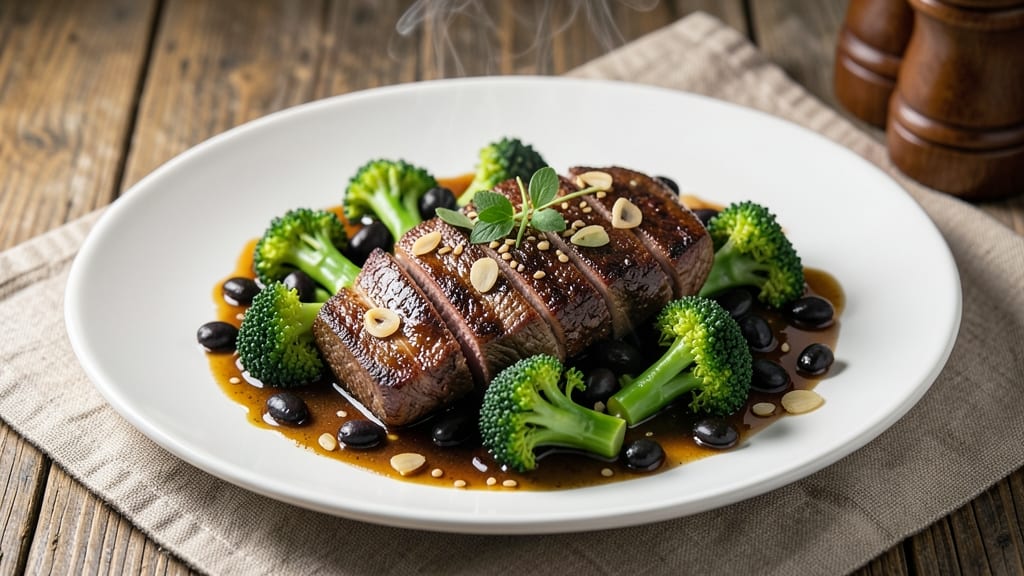
This black bean beef and broccoli recipe delivers restaurant-quality wok-hei flavor in your own kitchen—bold, smoky, and packed with texture. The secret lies in high-heat stir-frying that caramelizes the beef while keeping the broccoli crisp-tender, all balanced by the earthy depth of black beans.
I've perfected this method over years of testing, ensuring every bite delivers that perfect harmony of savory, umami, and subtle sweetness.
What sets this recipe apart is its versatility—you can achieve the same results on a stovetop wok or in a cast-iron skillet, with optional slow-cooking for a tender alternative.
The beef develops a caramelized crust while staying juicy inside, the broccoli maintains its vibrant color and satisfying crunch, and the black beans add hearty texture without overpowering the dish. It's the kind of meal that transforms a simple weeknight into a flavor-packed experience.
The final result is a dish that's rich in flavor but balanced in texture—tender beef, crisp broccoli, and creamy black beans all coated in a glossy sauce that clings perfectly.
This recipe serves as both a comforting weeknight dinner and an impressive dish for guests, proving that home cooking can rival your favorite takeout. The wok-hei smoke infuses every bite with that signature restaurant aroma, making it impossible to resist a second helping.
Whether you're cooking for one or feeding a crowd, this black bean beef and broccoli delivers consistent, professional-quality results with minimal effort. The technique is straightforward but yields restaurant-worthy outcomes, and the ingredients are simple yet transformative. Let's bring that wok-hei flavor home today—your taste buds will thank you.
Ingredients for black bean beef and broccoli
Restaurant-style wok-hei flavor starts with these bold, balanced ingredients—each playing its part.
| Ingredient | Amount | Notes |
|---|---|---|
| Flank Steak 🥩 | 1 ¼ lb | Thinly sliced against grain |
| Black Soy Beans 🌱 | 1 cup | Drained and rinsed |
| Broccoli Florets 🥦 | 4 cups | Medium size, cut into bite-sized pieces |
| Garlic Cloves 🧄 | 6 cloves | Minced, fresh preferred |
| Ginger Root 🌿 | 1 ½ tbsp | Finely grated, fresh |
| Sesame Oil 🫒 | 1 tbsp | Toasted, for aroma |
| Oyster Sauce 🍜 | 3 tbsp | High-quality, like Lee Kum Kee |
| Hoisin Sauce 🍯 | 2 tbsp | For depth and sweetness |
| Soy Sauce 🥢 | 2 tbsp | Light or dark, to taste |
| Brown Sugar 🍬 | 1 ½ tbsp | Packed, for caramelization |
| Cornstarch 🌾 | 1 tbsp | For thickening sauce |
| Vegetable Oil 🫒 | 2 tbsp | High smoke point, like avocado |
| Green Onions 🧅 | 3 whole | Thinly sliced, for garnish |
| Sesame Seeds 🌱 | 1 tbsp | Toasted, for crunch |
| Red Chili Flakes 🌶️ | ½ tsp | Optional, for heat |
The flank steak is non-negotiable here—its lean texture caramelizes beautifully when sliced thin against the grain. Costco or Whole Foods carry premium cuts, but your local butcher can trim it for you. Look for bright red color and good marbling—this is your flavor foundation. Black soybeans add earthy depth; Trader Joe's sells them pre-cooked, but canned beans work too. Broccoli should be vibrant green and firm—Trader Joe's or Whole Foods have the freshest cuts. The garlic and ginger? Fresh always wins—no powdered shortcuts here.
No oyster sauce? Hoisin sauce plus a splash of soy sauce mimics the umami punch. Substitute brown sugar with honey if needed, though the caramelization won't be identical. Short on sesame oil? Toasted peanut oil at half the amount works in a pinch. For extra wok-hei smoke, add a dash of liquid smoke (just a pinch—you don't want to overpower). The cornstarch is your secret weapon for that glossy sauce—don't skip it. And if you're feeling spicy, Sichuan peppercorns toasted in the oil add a numbing kick (trust me, it's next-level).
Prep everything before you start cooking—this dish moves fast. Store leftover beef and broccoli separately in airtight containers for 3-4 days; they reheat beautifully with a splash of water. The sauce thickens as it cools, so thin with water if needed. Freeze portions for up to 3 months. Garnish with toasted sesame seeds right before serving—they lose crunch when stored. For meal prep, double the sauce and freeze it separately; toss with reheated veggies and protein for instant flavor.
Why You'll Love This Recipe
- One-Pan Magic: I swear by this—just toss everything on a sheet pan, and the black soy beans caramelize while the steak sears. No chopping, no fuss, and the broccoli steams right into tender-perfect bites.
- Umami Bomb: That combo of black soy beans and ginger? It’s like a flavor explosion in your mouth. The beans add this deep, savory richness, while the garlic and ginger cut through the steak’s tenderness—every bite is balanced and ridiculously good.
- Weeknight to Date Night: Honestly, this feeds a crowd but still feels special. Serve it over rice for a quick family meal, or drizzle with sesame oil and lime for a restaurant-worthy plate. My partner requested it twice in one week—now it’s our go-to.
- Budget-Friendly Powerhouse: Flank steak stretches far with the beans and broccoli, and black soy beans are a pantry MVP. Leftovers reheat beautifully, so I make double batches—no waste, just easy lunches for days. (Yes, even on a Tuesday night.)
Step-by-step instructions for black bean, beef, and broccoli stir-fry
Here's how to create a restaurant-quality stir-fry with perfect wok-hei flavor and tender beef every time.
Prepare the Flank Steak for Maximum Tenderness
Begin by slicing the 1.25 lb flank steak thinly against the grain - this ensures each bite will be tender rather than chewy. I find using a sharp knife and cutting at a 45-degree angle gives me the thinnest, most uniform slices. As you slice, arrange the pieces on a plate and sprinkle with 2 tablespoons soy sauce and 1.5 tablespoons brown sugar. Let them marinate for 15-20 minutes at room temperature while you prepare the rest of the ingredients.
This marinating time is crucial - it not only adds flavor but also helps break down some of the tough muscle fibers in the beef. Don't skip this step, even if you're eager to start cooking. The beef should be at room temperature when you begin stir-frying to ensure even cooking throughout.
Build the Flavor-Packed Sauce Base
In a small bowl, whisk together the 3 tablespoons oyster sauce, 2 tablespoons hoisin sauce, 1.5 tablespoons brown sugar, and 1 tablespoon cornstarch. This combination creates the perfect balance of sweet, salty, and umami flavors that define this dish. Set this mixture aside while you prepare the aromatics and vegetables.
In a separate small bowl, combine the 6 cloves minced garlic, 1.5 tablespoons finely grated ginger root, and 0.5 teaspoon red chili flakes (if using). This aromatic blend will form the flavor foundation of your stir-fry. I like to toast the ginger and garlic in the wok first - this enhances their natural oils and creates incredible depth of flavor.
Stir-Fry the Beef with Perfect Wok-Hei
Heat a wok or large skillet over high heat until it's smoking hot. Add 2 tablespoons vegetable oil and swirl to coat the surface. Working quickly, add the marinated beef in a single layer and stir-fry for 1-2 minutes until the beef is just cooked through and still slightly pink in the center. The high heat is essential here - you want to develop that characteristic wok-hei (breath of the wok) flavor.
Remove the beef from the wok and set it aside on a plate. You'll add it back at the end to reheat through. Don't overcrowd the wok with beef - cooking in batches ensures each piece gets properly seared. If your wok isn't hot enough, the beef will steam rather than develop that beautiful crust.
Cook the Vegetables and Combine Everything
In the same wok, add a bit more vegetable oil if needed and stir-fry the 4 cups broccoli florets for 2-3 minutes until they're bright green and just beginning to soften. Add the garlic-ginger-chili mixture and stir for 30 seconds until fragrant. This quick cooking preserves the vibrant color and crisp texture of the broccoli.
Pour the sauce mixture into the wok and stir vigorously for 1-2 minutes until the sauce thickens slightly and coats the broccoli. Return the beef to the wok and toss everything together for 1 minute to ensure everything is evenly coated and heated through. The beef should be warmed through but still retain its tenderness.
Finish with Aromatics and Garnish
Turn off the heat and stir in the 1 cup drained black soy beans and 3 whole green onions (sliced). The beans will absorb some of the sauce while adding their signature texture. Add 1 tablespoon toasted sesame oil and 1 tablespoon sesame seeds for that final aromatic punch that makes this dish truly special.
Taste and adjust seasoning if needed - you might want to add a splash more soy sauce for saltiness or a touch of brown sugar for sweetness. Serve immediately while everything is hot and the sauce is still glossy. The dish should have vibrant colors, perfect textures, and layers of umami and sweetness in every bite.
Pro Tips For Making Black Bean Beef And Broccoli
- Slice Steak Against the Grain: Flank steak fights you if you cut it with the grain—it’ll turn to mush. Freeze it for 20 minutes first to firm up, then slice thin and diagonally against the grain. Trust me, your fork will thank you when it actually cuts through those fibers.
- Blanch Broccoli First: Toss broccoli florets in boiling water for 30 seconds, then shock in ice water. This stops the cooking process so they stay crisp-tender when they hit the pan later. Skipping this means sad, limp broccoli that turns to mush under the stir-fry’s heat.
- Don’t Crowd the Pan: Work in batches if needed—overloading the wok or skillet steams the beef instead of searing it. You want a hot, dry surface to get that caramelized crust, not a soggy mess. I learned this the hard way after serving rubbery beef to my roommates.
- Toast the Black Beans: Dry-toast the black soy beans in the pan for 30 seconds before adding everything else. The nutty aroma deepens, and they’ll absorb flavors better. Sounds weird, but it works—your dish will taste like it’s been simmering for hours instead of minutes.
Regional styles of this black bean beef and broccoli
Chinese-American Classic
This dish traces its roots to Chinese-American cuisine, where it became a staple in takeout menus nationwide. The original version often included beef with stir-fried vegetables and a sweet-savory sauce, but the addition of black soybeans adds that signature texture and earthy flavor.
I remember my first bite at a New York City Chinese restaurant—it was love at first fork! The dish evolved from traditional stir-fry techniques but gained popularity through its adaptability to American tastes and ingredients.
Taiwanese-Inspired Twist
In Taiwan, this dish often features a lighter touch with fresh ginger and garlic, emphasizing the natural flavors of the ingredients. The Taiwanese version might include a touch of white pepper instead of chili flakes for a subtler heat.
I've found that using freshly toasted sesame oil> right at the end elevates the dish to new heights, giving it that authentic Taiwanese restaurant aroma. The Taiwanese approach focuses on balance—sweet, salty, and umami all working together in harmony.
Japanese Beef Stir-Fry
For a Japanese-inspired version, swap the hoisin sauce for teriyaki sauce> and add a splash of mirin> to the marinade. Japanese chefs often use shirataki noodles> instead of black beans for a lighter texture, though I find the beans add a satisfying heartiness.
The Japanese method emphasizes quick, high-heat cooking with minimal oil—just enough to create that signature wok-hei flavor. Garnish with shredded bonito flakes> for an umami-rich finish that's pure Japanese comfort food.
Korean-Inspired Fusion
To give this dish a Korean twist, add 1 tablespoon gochujang> (Korean chili paste) to the sauce and top with sesame seeds and sliced green onions>. Korean chefs often use bulgogi-marinated beef> instead of flank steak for extra tenderness.
The gochujang adds a deep, slightly sweet heat that pairs perfectly with the black beans. For extra authenticity, serve with steamed white rice> and a side of kimchi>—the tangy crunch cuts through the richness beautifully. 🌶️
Thai-Inspired Heat
For a Thai-inspired version, add 1 tablespoon fish sauce> and 1 tablespoon lime juice> to the sauce, along with 1 teaspoon red curry paste>. Thai chefs often use lemongrass and kaffir lime leaves> for aroma, though I find the classic ingredients still shine.
The Thai approach balances heat with brightness—just a squeeze of lime at the end transforms the dish into something completely different. Garnish with cilantro and crushed peanuts> for a crunchy, nutty finish that's pure Thai street food magic.
Slow-Cooked Comfort
If you prefer a slower approach, try cooking the beef and vegetables in a slow cooker> on low for 4-5 hours>. Add ½ cup beef broth> to the sauce and let it simmer until thick. The result is a tender, fall-apart beef that's perfect for meal prep.
I love this version for busy weeknights—just reheat and serve. The black beans stay creamy and the broccoli retains its color, making it a comforting twist on the classic stir-fry. 💫
Nutrition facts
Frequently asked questions
Can I substitute flank steak with another cut of beef?
Yes! For a more tender result, try sirloin or ribeye sliced thinly against the grain. If using chuck roast, marinate it for 30-60 minutes longer since it's tougher. Avoid fatty cuts like ribeye—too much fat can make the sauce greasy. For ground beef, use 90% lean and shape into small patties for even cooking.
How do I prevent the broccoli from turning mushy?
Keep the heat high and cook the broccoli for only 2-3 minutes—it should stay bright green and slightly crisp. Overcrowding the wok lowers the temperature, causing steaming instead of stir-frying. Cook in batches if needed, and avoid adding too much oil—just enough to coat the pan lightly. A splash of rice vinegar at the end also helps preserve color.
What's the best way to make this dish spicier?
Add 1 teaspoon chili crisp or ½ teaspoon Sichuan peppercorns (toasted in the oil) for a numbing heat. For extra kick, stir in 1 tablespoon sambal oelek with the sauce. If using red chili flakes, increase to 1 teaspoon and adjust to taste. Balance the heat with a touch more brown sugar to prevent overpowering the dish.
Can I make this recipe in a slow cooker?
Cook the beef and broccoli on low for 4-5 hours with ½ cup beef broth added to the sauce. The result is tender, fall-apart beef and creamy beans. For extra flavor, add 1 star anise and 1 cinnamon stick while cooking, then remove before serving. The sauce will thicken naturally—thin with water if needed.
What's the secret to getting that restaurant-style wok-hei flavor?
Start with a smoking-hot wok or skillet and use high heat throughout. Work quickly to avoid steaming, and add aromatics (garlic, ginger) last to infuse maximum flavor. A dash of liquid smoke (just a pinch!) or toasted sesame seeds at the end mimics that signature smoky aroma. The key is speed—don't linger on any single ingredient too long.