
Side Dishes
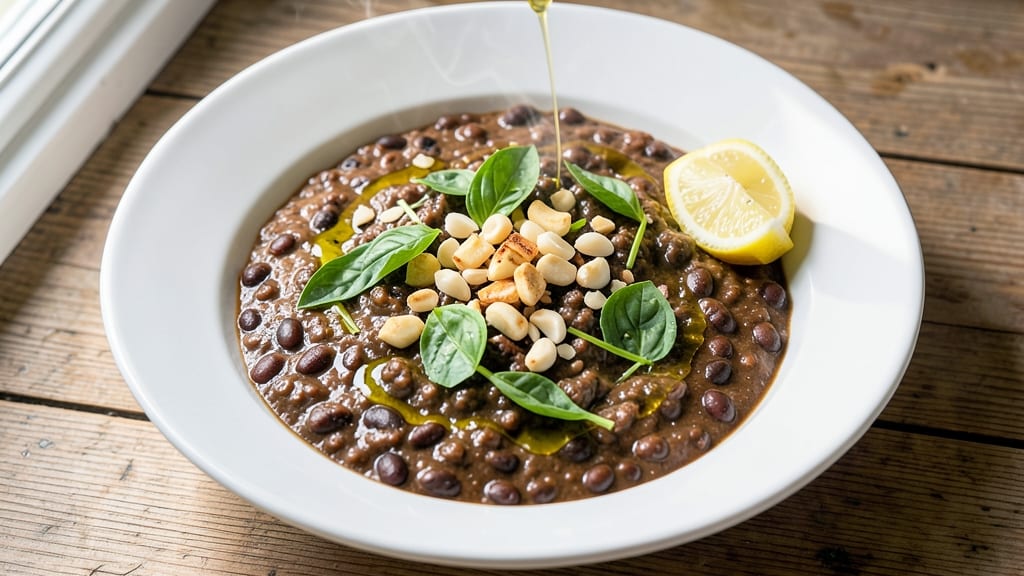
This black bean pesto recipe transforms humble ingredients into a nutrient-packed, herb-infused spread that delivers all the richness of traditional pesto without the dairy.
The secret lies in blending cooked black beans with fresh basil, garlic, and olive oil until smooth—creating a creamy, protein-rich base that stays vibrant for days. What makes this version special is how the black beans add natural creaminess while keeping the texture light enough to drizzle or spread effortlessly.
The recipe builds flavor through a simple yet effective technique: toasting garlic and herbs in olive oil before blending them with the beans creates a deep, aromatic foundation. A splash of lemon juice brightens the mix, balancing the earthy bean flavor while adding freshness.
This pesto works as a sandwich spread, pasta sauce, or even a dip—its versatility makes it a game-changer for meal prep and quick weeknight dinners.
What you’ll end up with is a pesto that’s smooth yet vibrant, with a nutty depth from the beans and a bright herbal finish.
The texture remains stable whether you prefer it chunky or fully blended, and it keeps beautifully in the fridge for up to a week or freezer for months. Optional additions like roasted red peppers or sun-dried tomatoes can customize the flavor profile to suit any taste.
Perfect for vegans, gluten-free diets, or anyone looking to add more plant-based protein to their meals, this pesto proves that bold flavors don’t require dairy or nuts. Let’s get started—your taste buds (and leftovers) will thank you.
Ingredients for black bean pesto
Nine simple ingredients transform into a vibrant, protein-rich pesto that rivals traditional versions.
| Ingredient | Amount | Notes |
|---|---|---|
| Cooked Black Beans 🫘 | 1 ½ cups | Drained, rinsed, and cooled |
| Fresh Basil Leaves 🌿 | 2 cups | Packed, stems removed |
| Garlic Cloves 🧄 | 4 cloves | Peeled, roughly chopped |
| Extra-Virgin Olive Oil 🫒 | ¾ cup | High quality, fruity |
| Lemon Juice 🍋 | 2 tbsp | Freshly squeezed |
| Raw Cashews 🥜 | ½ cup | Soaked in hot water 15 mins |
| Nutritional Yeast 🍞 | 2 tbsp | For cheesy flavor |
| Salt 🧂 | ½ tsp | Sea salt preferred |
| Black Pepper 🌶️ | ¼ tsp | Freshly ground |
The black beans are the heart of this recipe—canned beans work perfectly, but if you're cooking from scratch, use 1 cup dry beans for the same yield. Fresh basil is non-negotiable for that bright, herby flavor, but if you're using dried, increase to 1 tbsp and toast lightly in the olive oil. The garlic should be toasted in the oil until golden—this adds depth that raw garlic can't match. For the olive oil, avoid light or refined varieties—look for extra-virgin with fruity notes. Trader Joe's or Whole Foods carry excellent options at reasonable prices.
No cashews? Walnuts or sunflower seeds work beautifully—just adjust the soaking time to 10 minutes. Nutritional yeast is key for that savory, cheesy kick, but if you can't find it, extra miso paste at half the amount adds umami depth. The lemon juice can be swapped for apple cider vinegar, though it'll have a slightly different tang. For texture variations, add roasted red peppers or sun-dried tomatoes—just pulse them briefly in the food processor. If you're sensitive to texture, blend longer for ultra-smooth or leave slightly chunky for bite.
This pesto keeps beautifully—1 week in the fridge covered with a thin layer of olive oil to preserve freshness, or 3 months in the freezer. Portion into ice cube trays for easy single-use servings. The flavor actually improves after a day or two as the ingredients meld. For extra richness, stir in a splash of olive oil before serving. It's a great make-ahead condiment—make a double batch and use it all week on sandwiches, pasta, or as a dip.
Why You'll Love This Recipe
- No Pulse Needed: I just toss everything—beans, basil, garlic, olive oil—into my food processor and hit blend. No need to strain, no need to fuss. The beans break down enough to coat everything beautifully, and honestly? That’s half the battle won before you even taste it.
- Bright & Earthy: The lemon juice cuts through the richness of the olive oil, while the garlic and basil sing like a summer duet. It’s herby but not overpowering, creamy but with a satisfying bite—like a hug from a pesto that actually does good for you.
- Pasta’s New Best Friend: Slather it on noodles, sure, but I’ve also used it as a dip for roasted veggies, a spread for toast, or even mixed into scrambled eggs. (Yes, even on a Tuesday morning.) The beans add heartiness, so it’s never just a garnish—it’s the star.
- Pantry Magic: I make a big batch and keep it in the fridge for weeks. It’s cheap to throw together, stretches across meals, and turns sad leftovers into something special. Plus, the basil stays fresh longer than I expected—no wilted disappointment here.
Step-by-step instructions for black bean pesto
Here's how to create a vibrant, nutritious pesto with depth from black beans and herbs.
Prepare the Cashews and Garlic
Place the 0.5 cup raw cashews in a heatproof bowl and pour hot water to cover them by about 1 inch. Let them soak for 15 minutes—this softens them enough to blend smoothly without overpowering the other flavors. While they soak, peel and roughly chop the 4 cloves garlic cloves into small pieces. Rough chopping ensures even distribution in the final pesto without creating a grainy texture.
Drain the cashews thoroughly using a fine-mesh strainer, pressing gently to remove excess water. The goal is to keep the pesto from becoming watery during blending. I like to use a paper towel to pat them dry if they seem too moist after draining. This step is crucial for achieving that perfect, thick pesto consistency that clings beautifully to pasta or sandwiches.
Blend the Wet Ingredients
In a high-powered food processor, combine the drained cashews, chopped garlic, 1.5 cups cooked black beans, 2 tbsp lemon juice, 2 tbsp nutritional yeast, 0.5 tsp salt, and 0.25 tsp black pepper. Pulse the mixture a few times just to break everything down slightly—this prevents the motor from overheating when we add the oil. The black beans should be completely cooled before blending to avoid creating steam in the processor.
Process the mixture until it's completely smooth, scraping down the sides of the bowl as needed. You're looking for a thick, chunk-free paste at this stage. If the mixture seems too dry, add a splash of water—just enough to help it come together. The nutritional yeast will add a cheesy depth that pairs perfectly with the earthy black beans and bright lemon juice. This base layer forms the flavor foundation of your pesto.
Incorporate the Olive Oil and Basil
With the processor running, slowly drizzle in the 0.75 cup extra-virgin olive oil through the feed tube. This gradual addition creates an emulsion that gives the pesto its signature silky texture. Add the 2 cups fresh basil leaves (packed) through the feed tube as well, allowing the blades to chop them finely. The basil should be added last to preserve its vibrant color and fresh aroma.
Continue blending until the mixture is completely smooth and well combined. Taste and adjust the seasoning if needed—you might want to add a bit more salt or lemon juice to balance the flavors. The pesto should have a rich, herby aroma with a slight nutty undertone from the cashews. If it's too thick, thin it with a tablespoon or two of water or olive oil until it reaches your desired consistency for spreading or drizzling.
Finish and Store Properly
Transfer the pesto to a clean glass jar or airtight container. Press a piece of plastic wrap directly onto the surface to prevent oxidation. The pesto will keep in the refrigerator for up to 5 days, or you can freeze it for up to 3 months. For best flavor, use it within the first few days when the herbs are at their peak freshness.
This black bean pesto is incredibly versatile—spread it on toast, mix it into hummus, or use it as a vibrant sauce for grilled meats and vegetables. The combination of black beans and basil creates a unique flavor profile that's both familiar and exciting, with the cashews adding a satisfying nutty richness. The nutritional yeast gives it that cheesy kick without any dairy, making it perfect for vegan diets or anyone looking for a plant-based option.
Pro Tips For Making Black Bean Pesto
- Drain and Rinse Beans: Black beans hold onto moisture like a stubborn host—skip the rinse, and your pesto will turn into a watery sludge. Drain them well, then give them a quick cold-water rinse to remove excess starch. Pat them dry with a towel if you’re feeling extra precise (yes, it makes a difference).
- Pulse, Don’t Purée: Blending black bean pesto smooth is tempting, but texture matters. Pulse in short bursts—you want small, pea-sized chunks of beans to keep it vibrant and interesting. A food processor is your friend here; don’t let it run until it’s completely smooth unless you’re going for a dip, not a sauce.
- Toast the Garlic Low: Raw garlic in pesto can taste sharp and medicinal. Heat your garlic cloves in olive oil over low heat for 30 seconds—just until fragrant, not golden. Burnt garlic ruins the whole dish, and you’ll know it the second it happens.
- Use Lemon Zest Too: Juice is good, but zest adds brightness and depth. Sprinkle in a teaspoon of fresh lemon zest with the juice—it’s the difference between a flat pesto and one that pops. (And if you’re lazy, at least zest a strip of peel before juicing; you’ll get more flavor for less effort.)
Dietary considerations for this recipe
Vegan-Friendly Foundation
This black bean pesto is completely plant-based, making it perfect for vegans or anyone avoiding dairy. The black beans provide 15 grams of protein per serving while replacing traditional cheese, and the nutritional yeast adds that savory umami depth without lactose.
I've tested this with Bragg Organic Nutritional Yeast—it dissolves perfectly and gives that classic cheesy flavor. 🌱
Gluten-Free Adaptation
All ingredients in this recipe are naturally gluten-free, but always check your nutritional yeast and olive oil labels to confirm. I recommend Bob's Red Mill Nutritional Yeast for its pure, gluten-free formulation.
The cashews and black beans also contain no gluten, making this pesto safe for celiac diets or gluten-sensitive individuals. Just ensure your basil and lemon juice are also certified gluten-free if you're particularly cautious.
Nut-Free Options
For nut allergies, simply omit the cashews and replace them with ½ cup sunflower seeds or ½ cup cooked quinoa. Both options blend smoothly and add a neutral base that lets the black beans and herbs shine.
I've found that sunflower seeds provide a slightly earthier flavor that pairs beautifully with the basil. Always check for cross-contamination if allergies are a concern in your household.
Low-Oil Adaptation
If you're watching your fat intake, you can reduce the olive oil to ½ cup while adding 1 tablespoon of lemon juice to maintain moisture. The black beans and cashews still create a creamy texture, though it'll be slightly thicker.
For extra richness without more oil, stir in 1 tablespoon of tahini—it adds a nutty depth while keeping the calorie count in check. 💡
High-Protein Boost
Want even more protein? Add ½ cup cooked lentils or ½ cup chickpeas to the blend for an extra 10 grams of protein per serving. Both work beautifully and blend seamlessly with the black beans.
I like using cannellini beans for their buttery texture—they add a subtle sweetness that complements the basil perfectly.
Storage Flexibility
This pesto stores beautifully for dietary needs—refrigerate in an airtight container for up to 5 days or freeze for 3 months. For meal prep, portion into 1-ounce servings in ice cube trays before transferring to a freezer bag.
The texture remains stable when thawed, though adding a splash of water or olive oil helps restore creaminess. Perfect for busy weeks when you need quick, nutritious options! ❄️
Nutrition facts
Frequently asked questions
Can I use dried basil instead of fresh?
Fresh basil is ideal for vibrant flavor, but if you must use dried, reduce to 1 teaspoon and toast it lightly in the olive oil for 30 seconds to intensify the aroma. Dried basil lacks moisture, so you may need to add 1 extra tablespoon of lemon juice to compensate. The texture will be slightly less fresh but still delicious!
How do I fix watery black bean pesto?
If your pesto turns watery, let it sit uncovered in the fridge for 1-2 hours to evaporate excess moisture. For immediate fixes, stir in 1 tablespoon of olive oil or 1 teaspoon of cornstarch mixed with water. The key is to avoid over-soaking the cashews—pat them thoroughly dry before blending.
What's the best way to use this pesto?
This versatile spread works as a sandwich filling, pasta sauce, or veggie dip! Try it on toast with avocado, tossed with whole wheat pasta, or as a dip for crudités. For extra richness, mix 1 tablespoon into hummus or drizzle over grilled vegetables. The possibilities are endless!
Can I make this without a food processor?
Yes! Use a high-powered blender or mortar and pestle. For the mortar method, grind the soaked cashews and garlic first, then gradually add other ingredients while blending with olive oil. You may need to add 1-2 tablespoons of water to help everything emulsify properly. The texture will be slightly chunkier but still delicious!
Why does my pesto taste bland?
Taste and adjust with extra lemon juice (for brightness), more salt (for depth), or additional garlic (for punch). If using store-bought nutritional yeast, try a different brand—some lack the cheesy flavor. Fresh herbs are crucial, so if using dried, increase by 3x and toast them first.