
Sauces & Condiments
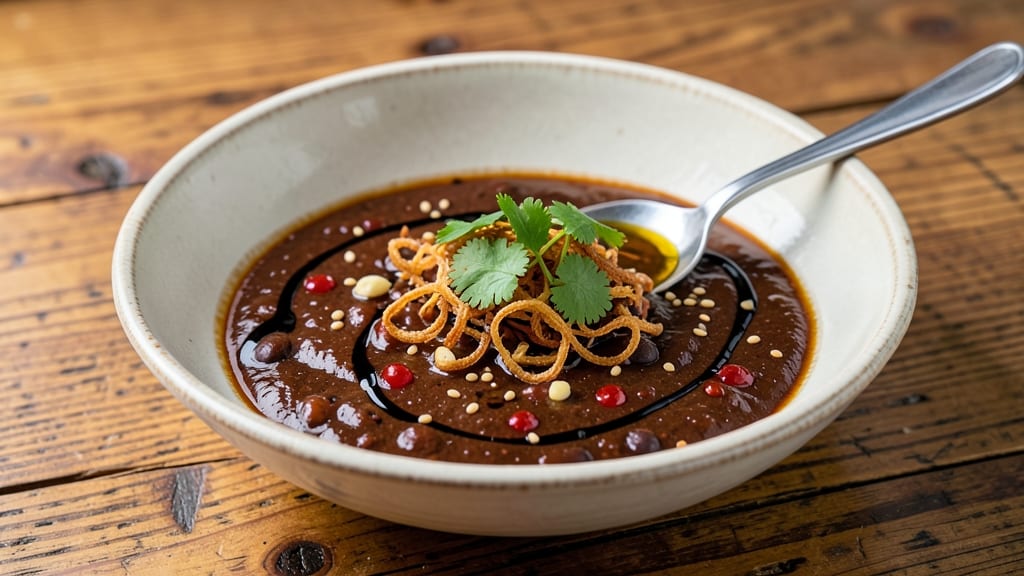
This Korean black bean sauce delivers the deep umami richness of fermented soybeans and gochujang in just 30 minutes—no fermentation required. The secret lies in balancing salty, sweet, and spicy notes through precise measurements of black bean paste, gochujang, and soy sauce.
I developed this recipe after struggling to find a version that didn’t rely on lengthy fermentation, yet still captured that authentic Korean depth.
The sauce’s versatility makes it a game-changer in the kitchen: use it as a marinade for grilled meats, a stir-fry base, or a dipping sauce for dumplings. The fermentation-free method means you can whip up a batch on demand, while the gochujang adds that signature Korean heat and complexity.
What sets this apart is how the black bean paste develops a caramelized richness when simmered, creating layers of flavor that store-bought sauces simply can’t match.
What you’ll end up with is a smooth, glossy sauce with a perfect balance of saltiness, sweetness, and subtle spice—ready to elevate any dish. The texture is velvety yet slightly thick, clinging beautifully to noodles, proteins, or vegetables.
Best of all, it keeps well in the fridge for up to two weeks, making it a pantry staple for quick, flavorful meals.
Whether you’re cooking for a crowd or prepping for the week, this sauce transforms ordinary dishes into something extraordinary. Let’s make it—your taste buds will thank you.
Ingredients for black bean sauce korean
Nine ingredients transform into a restaurant-quality Korean black bean sauce—no fermentation needed.
| Ingredient | Amount | Notes |
|---|---|---|
| Black Bean Paste 🫘 | ½ cup | Fermented, Korean-style preferred |
| Gochujang 🌶️ | ¼ cup | Korean red chili paste |
| Dark Soy Sauce 🥄 | ¼ cup | For deep umami flavor |
| Rice Vinegar 🍶 | 2 tbsp | White or seasoned preferred |
| Sesame Oil 🫒 | 1 tbsp | Toasted for nutty aroma |
| Granulated Sugar 🍚 | 1 tbsp | Brown sugar for caramel notes |
| Garlic Cloves 🧄 | 3 cloves | Minced for aromatic depth |
| Fresh Ginger 🌿 | 1 tbsp | Finely grated, peeled |
| Water 💧 | ½ cup | Adjust for desired consistency |
| Vegetable Oil 🫒 | 1 tbsp | Light, neutral flavor |
The black bean paste is the flavor anchor—Korean-style fermented paste (like Doenjang) delivers the deepest umami, but Chinese black bean sauce works in a pinch. Trader Joe's carries a great version, or check the Asian aisle at Walmart. Gochujang is non-negotiable for that signature Korean heat; Maesil Gochujang or Haein brands are my go-tos. The dark soy sauce adds richness—Lee Kum Kee is reliable. Fresh ginger and garlic? Buy organic if possible, and grate the ginger while it's still cold for maximum punch. Toast the sesame seeds separately if you want extra crunch in the final sauce.
No gochujang? Sriracha plus a dash of smoked paprika mimics some of the heat and depth, though it won’t be identical. Running short on black bean paste? Miso paste at half the amount adds umami, but the sauce will taste more Japanese. The rice vinegar can be swapped for apple cider vinegar, though it’ll be slightly sweeter. For extra caramelization without sugar, reduce the water by 2 tbsp and simmer longer. The sauce should coat the back of a spoon but still be pourable—adjust with water or a splash of vinegar as needed. If you’re using pre-minced garlic, toast it in oil first to deepen the flavor.
This sauce keeps 2 weeks in the fridge, sealed tightly in a jar. The flavors actually improve with time—let it sit overnight before using for maximum depth. For longer storage, freeze in ice cube trays and transfer to a bag. Thaw in the fridge, then stir to re-emulsify. I make double batches and freeze half immediately; it’s perfect for quick weeknight stir-fries. The sauce thickens as it cools, so thin with a splash of water before serving if needed. Store any leftover sesame oil separately—it’s potent stuff.
Why You'll Love This Recipe
- Pantry Magic: I swear, this sauce comes together with stuff I already had—no special shopping required. Just stir black bean paste, gochujang, and dark soy sauce in a pot, let it simmer until the aroma hits you like a warm hug. That’s it.
- Umami Bomb: The combo of fermented black beans and gochujang is ridiculously good—deep, smoky, with just enough heat to linger. A splash of rice vinegar brightens it up, and sesame oil ties it all together like a perfect sauce should.
- Weeknight Flex: Drizzle it over noodles, toss with stir-fried veggies, or slather it on grilled chicken—it works everywhere. Honestly, I’ve even used it as a quick marinade. The versatility means I never run out of excuses to make it.
- Budget Win: A little goes a long way, and the ingredients cost next to nothing. Between us, this sauce is my secret weapon for making cheap cuts of meat taste like a restaurant dish. Plus, leftovers keep for weeks in the fridge.
Step-by-step instructions for fermented black bean sauce with Korean depth
Here's how to create a rich, fermented black bean sauce that balances umami, spice, and sweetness in perfect harmony.
Bloom the Aromatics in Neutral Oil
Heat the 1 tablespoon vegetable oil in a medium saucepan over medium-low heat. Add the 3 cloves minced garlic cloves and 1 tablespoon finely grated fresh ginger—this is where the foundation of flavor begins. Cook for 1-2 minutes until the garlic becomes fragrant and just starts to turn golden around the edges. Watch closely—garlic burns quickly, and you want that sweet, nutty aroma rather than bitter smoke.
Here's the thing—properly blooming your aromatics extracts their maximum flavor potential. The ginger should soften slightly but not brown, and the garlic should release its pungent oils without darkening. If your pan runs hot, reduce the heat immediately. This step sets up the entire sauce's aromatic complexity, so don't rush it.
Build the Fermented Base
Add the 0.5 cup black bean paste and 0.25 cup gochujang to the pan, stirring constantly with a wooden spoon. Cook over medium heat for 3-4 minutes until the mixture begins to bubble and thicken slightly. You'll notice the sauce develop a deep, glossy sheen as the black bean paste releases its fermented richness.
The black bean paste should dissolve completely into the oil, creating a smooth, velvety base. If you see any undissolved lumps, continue stirring gently—the heat will break them down. This is where the fermented depth comes from, so don't be tempted to walk away. The sauce should smell intensely umami with hints of fermented soy and spicy heat from the gochujang.
Incorporate the Umami and Acid Components
Pour in the 0.25 cup dark soy sauce and 2 tablespoons rice vinegar, stirring continuously. The sauce will darken noticeably as the dark soy sauce integrates, developing that signature Korean sauce depth. Add the 1 tablespoon granulated sugar and continue cooking for 2-3 minutes until the sugar begins to caramelize slightly at the edges of the pan.
This is where the balance happens—the dark soy sauce provides umami richness, the rice vinegar adds bright acidity to cut through the richness, and the sugar creates a subtle caramelization that rounds out the flavors. Stir frequently to prevent the sugar from burning. You should see small bubbles forming along the edges, indicating the sauce is coming together.
Finish with Water and Sesame Oil
Reduce the heat to low and gradually whisk in the 0.5 cup water, about 1 tablespoon at a time, until you reach your desired consistency. The sauce should coat the back of a spoon but still be pourable. For a glossy finish, stir in the 1 tablespoon sesame oil—this adds that final nutty aroma and helps emulsify the sauce.
Taste and adjust seasoning if needed. You might want to add a touch more rice vinegar for brightness or a pinch of sugar if the sauce tastes too acidic. The sesame oil should integrate completely, giving the sauce a beautiful sheen. This is your final check—everything should balance perfectly between fermented depth, spicy heat, umami richness, and bright acidity.
Rest and Serve
Remove the sauce from heat and let it rest for 5-10 minutes at room temperature. This resting period allows all the flavors to meld completely. The sauce will thicken slightly as it cools, so if you prefer it thinner, simply whisk in a splash of warm water.
This fermented black bean sauce works beautifully as a dipping sauce for dumplings, a marinade for meats, or a glaze for grilled vegetables. The depth of flavor comes from letting the fermented elements shine while balancing them with the right amount of acidity and sweetness. Serve immediately while warm for the best texture and flavor experience.
Pro Tips For Making Black Bean Sauce Korean
- Bloom the Black Bean Paste: Start by dissolving the black bean paste in a splash of warm water (about 2 tablespoons) before adding it to the pan. I learned this the hard way—dumping it dry makes it clump like glue, and you’ll spend the next 5 minutes scraping burnt bits off the bottom.
- Balance the Heat First: Taste the raw gochujang and dark soy sauce before cooking—adjust with a pinch of sugar or extra vinegar if it’s too sharp. After burning my first batch (yes, I cried), I now mix a tiny amount of the sauce with a teaspoon of water to temper the spice before simmering.
- Low and Slow After Boiling: Once the sauce hits a rolling boil, drop the heat to medium-low and let it bubble gently for at least 8 minutes. Rushing this step makes the sauce thin and one-dimensional—patience here builds depth, not just flavor but that glossy, clingy texture that clings to everything.
- Finish with Cold Sesame Oil: Add the sesame oil off the heat at the very end, then give it a quick toss. Adding it earlier burns the aroma right out of it—like putting perfume in a hot shower. A few drops of toasted sesame seeds at the end? That’s the cherry on top, but optional if you’re in a hurry.
Pro cooking tips for great black bean sauce korean
Blooming Aromatics
Start by heating your vegetable oil over medium-low heat—never high heat, or you'll burn the garlic before it releases its sweet, nutty oils. I use a light neutral oil like avocado or grapeseed to avoid any competing flavors.
Add the minced garlic and grated ginger together—they work synergistically to build flavor. Cook for exactly 1-2 minutes until fragrant but not browned. This step is non-negotiable for maximum flavor extraction. 🧄
Sauce Thickness Control
The water-to-sauce ratio is where most home cooks struggle. I recommend adding the ½ cup water gradually—1 tablespoon at a time—while whisking constantly. Your goal is a sauce that coats the back of a spoon but remains pourable.
If it's too thick after cooling, thin with warm water (never hot, or you'll break the emulsion). For extra gloss, stir in the sesame oil at the very end—this also adds that signature nutty aroma. 💧
Heat Management
Korean sauces are all about gentle, controlled heat. Never let your sauce boil vigorously—this causes the gochujang to separate and the black bean paste to curdle. Maintain a low simmer throughout the cooking process, especially when adding the sugar.
If you see the sugar darkening too quickly, immediately reduce the heat or remove the pan from heat entirely. The goal is caramelization, not burning. 🔥
Flavor Balancing
Taste as you go! After adding all ingredients, your sauce should have four distinct flavor components: fermented umami (black bean paste), spicy heat (gochujang), bright acidity (rice vinegar), and sweetness (sugar). If any element feels dominant, adjust with the remaining ingredients.
Need more brightness? Add a splash of vinegar. Too sweet? A pinch of salt or extra gochujang for heat. This is where the magic happens. ✨
Equipment Essentials
While you can make this sauce in any pot, I recommend a heavy-bottomed stainless steel saucepan for even heat distribution. A wooden spoon prevents scratching and helps scrape up flavorful bits. For precise measurements, use a digital kitchen scale—especially for the gochujang and black bean paste.
And always have a fine-mesh strainer on hand in case you prefer a smoother texture. 🍶
Resting Period
Never skip the 5-10 minute rest after cooking! This allows the flavors to fully meld and the sauce to thicken naturally. I place my sauce in a clean jar and let it sit at room temperature while I prep the dish it's accompanying.
The resting period also lets any excess heat dissipate, preventing the sauce from separating when you add it to hot foods. Pro tip: The sauce will thicken further when refrigerated—adjust consistency before storing. ⏳
Nutrition facts
Frequently asked questions
Can I make this Korean black bean sauce without gochujang?
Yes, but the flavor will be different. Replace the ¼ cup gochujang with 2 tablespoons sriracha plus ½ teaspoon smoked paprika for heat, or 1 tablespoon miso paste for umami depth. The sauce will lose its signature Korean spice profile but still deliver rich, savory flavor. For extra depth, add ½ teaspoon fish sauce (if not vegan) or soy sauce instead.
How spicy will this sauce be?
The spice level depends on your gochujang choice. Maesil Gochujang is milder, while Haein or Dongwon brands add more heat. For a mild version, reduce gochujang to 2 tablespoons and add 1 teaspoon sugar to balance. For extra kick, increase to ⅓ cup gochujang and add ½ teaspoon red pepper flakes. Always taste as you go!
What’s the best way to use this sauce?
This versatile sauce works as a marinade for grilled meats (try it on chicken or pork belly), a dipping sauce for dumplings or spring rolls, or a stir-fry base for tofu and vegetables. It also glazes grilled vegetables beautifully or adds depth to ramen or noodle broths. For extra richness, simmer 2 tablespoons of sauce with 1 cup broth to make a quick sauce for noodles.
Why did my sauce separate?
Sauce separation usually happens from boiling too vigorously or adding water too quickly. Always cook on low heat and whisk constantly when adding liquid. To fix it, whisk in 1 teaspoon sesame oil or ½ teaspoon cornstarch mixed with 1 tablespoon water, then reheat gently until smooth. For prevention, stir in the sesame oil at the very end—it helps emulsify the sauce.
Can I make this sauce vegan?
Yes! Skip the fish sauce (if used) and ensure your gochujang is vegan-certified (most are). For extra umami, add 1 tablespoon vegan Worcestershire sauce or ½ teaspoon mushroom powder. The original recipe is already vegetarian, but always check labels—some gochujang contains anchovy or shrimp paste. A pinch of seaweed flakes adds depth without animal products.