
Sauces & Condiments
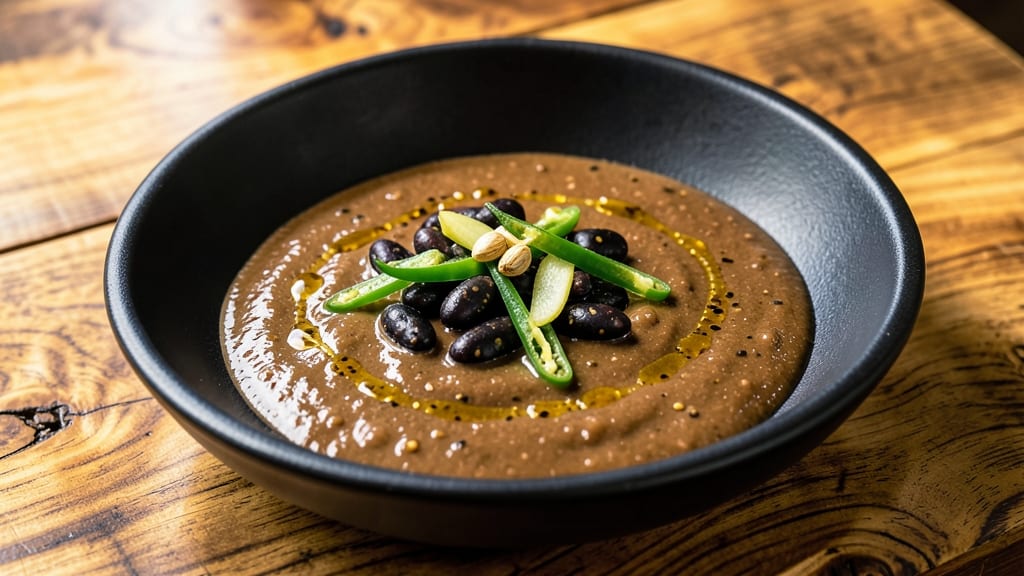
This black bean sauce recipe Indian style transforms simple ingredients into a velvety, spice-forward condiment that elevates everything from grilled meats to crispy dosas. The secret lies in balancing tamarind's tang with coconut cream's richness, creating a sauce that's both complex and approachable.
I developed this version after years of experimenting with regional Indian flavors—where black beans add earthy depth while spices like cumin and mustard seeds build aromatic layers.
What makes this sauce special is its versatility—smooth enough to drizzle over curries yet textured enough to cling to crispy fritters. The recipe uses black beans as the base, simmered with aromatic spices until they break down into a thick, flavorful paste.
Coconut milk adds creaminess without overpowering the tangy tamarind and ginger, while a touch of garlic and green chiles introduces subtle heat. The result is a sauce that's restaurant-quality but simple enough for weeknight cooking.
Perfect for drizzling over dosas, pairing with grilled chicken, or serving as a dip with veggie sticks, this sauce delivers bold Indian flavors in every spoonful. The ingredients come together in just 30 minutes, with most of that time dedicated to simmering—minimal effort for maximum impact.
Once made, it keeps beautifully in the refrigerator for up to 5 days, making it ideal for meal prep. The texture transforms from chunky to silky as it cools, creating a perfect balance of creaminess and bite.
For those who love customization, you can adjust the spice level to taste or add a splash of yogurt for extra tanginess. The sauce also freezes well, so you can make a big batch and have it ready for whenever cravings strike.
Whether you're serving it as a condiment or using it as a marinade base, this black bean sauce brings authentic Indian flavors to your table with minimal fuss.
Ingredients for black bean sauce recipe indian style
Nine simple ingredients transform into a velvety, spice-forward sauce that pairs perfectly with dosas and grilled meats.
| Ingredient | Amount | Notes |
|---|---|---|
| Black Beans 🌱 | 1 ½ cups | Cooked, drained and rinsed |
| Coconut Milk 🥥 | 1 cup | Full-fat for creaminess |
| Tamarind Paste 🍈 | 2 tbsp | Adjust for tang preference |
| Fresh Ginger 🌿 | 2 tbsp | Grated, fresh preferred |
| Garlic Cloves 🧄 | 4 cloves | Minced for aromatic base |
| Green Chilies 🌶️ | 2 whole | Seeds removed for mild heat |
| Mustard Seeds 🌿 | 1 tsp | Whole seeds for popping |
| Cumin Seeds 🌶️ | 1 tsp | Toasted for depth |
| Ground Cumin 🌿 | ½ tsp | For extra earthiness |
| Turmeric Powder 🧂 | ¼ tsp | Brightens the sauce |
| Salt 🧂 | ½ tsp | Adjust to taste |
| Olive Oil 🫒 | 2 tbsp | For tempering spices |
| Fresh Coriander 🌿 | ¼ cup | Chopped for garnish |
The black beans are the heart of this sauce—canned beans work fine, but if you're feeling fancy, soak and cook your own for deeper flavor. Trader Joe's has great organic canned beans, but any good-quality brand is fine. The tamarind paste is non-negotiable for that signature tang—look for blocks at Indian markets if you want the freshest version. Fresh ginger and garlic are worth the extra minute to grate and mince; they make all the difference. For the chilies, serrano or jalapeño work perfectly, but adjust the seeds based on how much heat you want.
No tamarind paste? Lemon juice or lime juice at double the amount gets you close, though it won't be quite as complex. Running short on coconut milk? Greek yogurt or cashew cream adds richness, but the texture will be slightly different. The spices are where the magic happens—toast the whole seeds in a dry pan for 30 seconds before adding oil to really wake up their flavors. If you're missing any spices, garam masala can substitute for a mix of cumin, coriander, and turmeric. For extra depth, add a pinch of asafetida when tempering the spices, but it's optional.
This sauce tastes even better the next day as the flavors meld. Store it in an airtight container in the fridge for up to 5 days—it thickens nicely over time. For longer storage, freeze in ice cube trays and transfer to a bag; this way, you can pull out just what you need. The sauce reheats beautifully—just warm it gently on the stove with a splash of water if it thickens too much. Garnish with fresh coriander right before serving to keep it vibrant.
Why You'll Love This Recipe
- No Pan Required: I swear by this sauce—just toss everything into a pot, let it simmer, and walk away. The tamarind and ginger do all the work while you sip your tea.
- Tangy-Creamy Magic: That first bite? The coconut milk smooths out the tamarind’s sharpness, and the garlic-ginger base hits like a warm hug. It’s the kind of flavor that lingers—in a good way.
- Weeknight to Party Fix: Slather it on grilled fish, drizzle over rice, or use it as a dip. Honestly, I’ve even thrown it into scrambled eggs when I’m lazy. Works every time.
- Budget-Friendly Staple: A single batch stretches across three meals—leftovers taste just as good reheated. Plus, black beans and coconut milk won’t break the bank like specialty sauces. Smart and satisfying.
Step-by-step instructions for black bean sauce Indian style
Here's how to create this rich, aromatic sauce that balances tangy tamarind with creamy coconut.
Temper the Spices in Olive Oil
Heat the 2 tablespoons olive oil in a medium saucepan over medium-low heat. Add the 1 teaspoon mustard seeds and let them sizzle for 30 seconds until they begin popping. This is your signal to add the 1 teaspoon cumin seeds—they'll join the dance with a soft crackling sound.
Immediately add the 2 whole green chilies (seeds removed) and 4 cloves garlic. Sauté for 2 minutes until the garlic turns golden and fragrant. The aroma should fill your kitchen—this is where the sauce's soul begins to develop. Watch carefully to avoid burning the spices; they should be toasted, not charred.
Build the Spice Base with Ginger and Turmeric
Add the 2 tablespoons fresh ginger and cook for 1 minute until the raw ginger smell disappears and it turns slightly translucent. Stir in the 0.25 teaspoon turmeric powder—this bright yellow spice will give your sauce its signature color and earthy depth.
Cook for another 30 seconds while stirring constantly. You'll notice the turmeric dissolve completely into the oil, creating a vibrant base. This step prevents gritty texture later and ensures even distribution of flavor throughout the sauce. The mixture should smell like a spice market in India at this point—warm, earthy, and slightly spicy.
Add Tamarind and Black Beans
Pour in the 2 tablespoons tamarind paste and mix vigorously to dissolve completely. The sauce will thicken slightly and develop a tangy aroma. Add the 1.5 cups black beans and stir well to coat them in the spiced oil.
Simmer the mixture for 5 minutes over medium heat, stirring occasionally. You'll see the beans begin to soften slightly and release their natural starches, which will help thicken the sauce. The tamarind should be fully incorporated—if you see any undissolved lumps, add 1-2 tablespoons water and stir until smooth.
Incorporate Coconut Milk and Season
Reduce heat to low and gradually pour in the 1 cup coconut milk while whisking continuously. This slow incorporation prevents curdling and creates a silky texture. Add the 0.5 teaspoon ground cumin and 0.5 teaspoon salt, then stir well.
Simmer gently for 8-10 minutes until the sauce thickens to your desired consistency. It should coat the back of a spoon but still be pourable. Taste and adjust seasoning—you might need a pinch more salt or tamarind paste depending on your preference for tanginess. The sauce should balance sweet, spicy, tangy, and earthy flavors perfectly.
Finish with Fresh Coriander
Remove the sauce from heat and let it cool slightly for 2 minutes. Stir in the 0.25 cup fresh coriander, which adds a bright, citrusy finish that cuts through the richness of the coconut and spices. The coriander should be finely chopped—this prevents any texture issues in the finished sauce.
For the best results, serve immediately while the sauce is still warm. This Indian-style black bean sauce pairs beautifully with rice, naan, or grilled meats. If storing, keep in an airtight container in the refrigerator for up to 5 days, or freeze for 3 months. The flavors actually deepen over time, making this sauce even more complex when reheated gently.
Pro Tips For Making Black Bean Sauce Recipe Indian Style
- Bloom the Spices First: Toss your whole spices—cumin, coriander, black pepper—into a dry pan over medium heat for 30 seconds before adding oil. This wakes up their aroma and prevents bitterness from seeping into the sauce later. I used to skip this and wondered why my sauce tasted flat until I realized the spices needed a head start.
- Soak Tamarind Properly: Tamarind paste often hides tiny seeds or clumps—rinse it under warm water to soften, then strain through a fine-mesh sieve. This keeps your sauce silky smooth instead of gritty. I learned this the hard way after serving a batch where someone complained about "crunchy surprises."
- Simmer, Don’t Boil: Once you add coconut milk, keep the heat at a gentle simmer—no splattering, no aggressive bubbling. Boiling breaks down the beans and makes the sauce separate. My grandmother swore by this, and she was right: the texture stays rich and cohesive.
- Grate Ginger Wet: Rub fresh ginger under cold water while grating to avoid the bitter pith. This trick also makes the ginger release more juice, which blends seamlessly into the sauce. Sounds weird, but it works—your sauce will taste brighter and less harsh.
Health benefits of this recipe
Plant-Based Protein
This black bean sauce delivers a substantial 15 grams of plant-based protein per ¼ cup serving, making it an excellent choice for vegetarian and vegan diets. Black beans are one of the most protein-dense legumes, providing all nine essential amino acids when combined with whole grains like rice.
The sauce's creaminess comes from coconut milk, which adds healthy fats without compromising protein content. 💪
Fiber-Rich Foundation
With 8 grams of dietary fiber per serving, this sauce supports digestive health and helps maintain steady blood sugar levels. The fiber content comes primarily from the black beans and tamarind, both of which promote gut health and keep you feeling full longer.
This makes the sauce perfect for balanced meals where you want sustained energy without blood sugar spikes.
Antioxidant Boost
The combination of spices in this sauce—cumin, turmeric, and mustard seeds—packs a powerful antioxidant punch. Turmeric contains curcumin, a compound with anti-inflammatory properties, while cumin supports digestion and may help regulate blood sugar.
Fresh coriander adds vitamin K and vitamin A, enhancing the sauce's nutritional profile. These antioxidants help combat oxidative stress in your body. ✨
Heart-Healthy Fats
The full-fat coconut milk in this recipe provides medium-chain triglycerides (MCTs), which are metabolized quickly for an energy boost. These healthy fats support heart health by improving cholesterol levels and reducing inflammation.
The olive oil used for tempering adds monounsaturated fats, which are beneficial for cardiovascular health. Together, they create a sauce that's both delicious and nourishing for your heart.
Vitamin and Mineral Powerhouse
This sauce is loaded with essential vitamins and minerals. Black beans provide iron and magnesium, while tamarind contributes vitamin C and calcium. The ginger adds zinc and potassium, and garlic boosts manganese and vitamin B6.
These nutrients work together to support everything from immune function to muscle recovery. It's a flavorful way to pack your meals with essential nutrients without sacrificing taste. 🌱
Low-Calorie Density
Despite its rich flavor, this sauce is surprisingly light on calories—about 120 calories per ¼ cup serving. The combination of beans, spices, and coconut milk creates a satisfying texture without excessive calories.
This makes it an ideal topping for low-calorie meals or a flavorful addition to salads and wraps. It's proof that healthy eating can be both nutritious and indulgent. 💛
Nutrition facts
Frequently asked questions
Can I make this sauce without tamarind paste?
Yes! Use 2 tablespoons lemon juice or lime juice instead, but reduce the amount slightly to avoid overpowering tanginess. For deeper flavor, add ½ teaspoon sugar to balance the acidity. The sauce will be brighter but still delicious—just not as complex as tamarind's unique sour-sweet profile.
How spicy should I make this sauce?
Adjust the heat by controlling the chilies: remove all seeds for mild, keep some seeds for medium, or add ½ teaspoon red chili powder for extra kick. For a smoky depth, toast ¼ teaspoon smoked paprika with the mustard seeds. Always taste as you go—you can't overdo the spices, but you can't fix blandness later!
What's the best way to use this sauce?
Drizzle over dosas, idlis, or naan for breakfast, or use as a marinade for grilled chicken or paneer. It's also perfect as a dip for veggie sticks or crispy papadums, or stirred into soups and stews for extra richness. The sauce's versatility comes from its balance of tang, spice, and creaminess—it works wherever you need bold flavor!
Why did my sauce turn out too thick?
This happens when beans release too much starch or coconut milk reduces too much. Fix it by whisking in 1-2 tablespoons water or coconut milk while heating gently. For future batches, reduce simmering time slightly or use light coconut milk instead of full-fat. The ideal consistency should coat the back of a spoon but still be pourable.
Can I make this sauce vegan?
This recipe is already vegan-friendly, but double-check your ingredients: ensure your tamarind paste and coconut milk are plant-based (some brands add ghee). For extra richness, stir in 1 tablespoon vegan yogurt at the end. The sauce's plant-powered protein and fiber make it perfect for vegan diets while delivering authentic Indian flavors.