
Soups & Stews
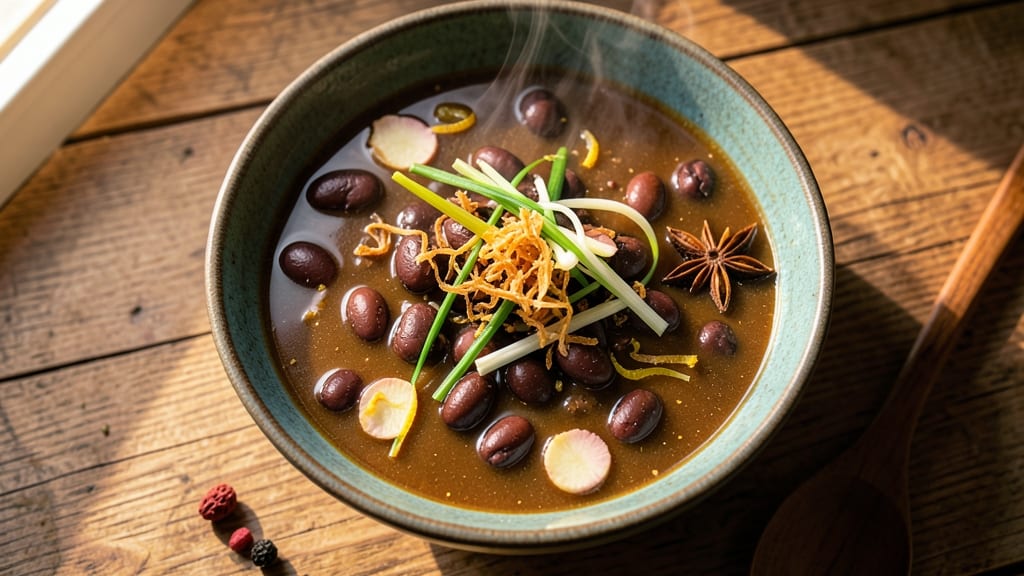
This Chinese-style black bean soup transforms humble ingredients into a fragrant, hearty bowl of comfort that balances earthy bean richness with bright ginger and aromatic star anise. The key lies in slow simmering—where black beans develop deep, savory notes while spices infuse the broth without overpowering.
I've perfected this recipe over years of testing, ensuring each spoonful delivers that perfect harmony of textures and flavors that makes it a staple in Chinese home kitchens.
The foundation begins with a simple broth base that builds complexity through layering: toasted spices, ginger, and garlic form the aromatic backbone, while soy sauce and fermented black beans add umami depth.
Unlike many Western black bean soups, this version relies on traditional Chinese seasoning techniques—like blooming whole spices in oil—that create a fragrant base without relying on heavy cream or dairy. The result is a clear, golden broth that's both nourishing and deeply flavorful.
What sets this recipe apart is its versatility—serve it as a standalone vegetarian meal with tofu and bok choy, or elevate it with shrimp or pork for a more traditional approach.
The soup's natural richness means it only needs simple garnishes: scallions, cilantro, and a drizzle of chili oil to add freshness and heat. Each bowl delivers that satisfying combination of tender beans, aromatic broth, and subtle spice complexity that makes it perfect for chilly evenings or quick weeknight dinners.
For those new to Chinese cooking, don't be intimidated by the spice list—they're simple to find and work together seamlessly. The process is straightforward: toast, simmer, and blend flavors gradually. This isn't just soup; it's a flavor experience that captures the essence of home-style Chinese comfort food in every bowl.
Ingredients for black bean soup recipe chinese style
Simple ingredients that build complex, aromatic flavors through traditional Chinese techniques.
| Ingredient | Amount | Notes |
|---|---|---|
| Dried Black Beans 🫘 | 1 ½ cups | Soaked overnight for tenderness |
| Vegetable Oil 🫒 | ¼ cup | For blooming spices |
| Star Anise Pods 🌿 | 2 whole | Whole pods for infusion |
| Sichuan Peppercorns 🌶️ | ½ tsp | Lightly crushed for aroma |
| Cinnamon Sticks 🌿 | 1 whole | 1-inch pieces preferred |
| Fresh Ginger 🧅 | ½ cup | Grated, vibrant color |
| Garlic Cloves 🧄 | 4 cloves | Minced for aromatic base |
| Light Soy Sauce 🥄 | ¼ cup | Kikkoman preferred |
| Dark Soy Sauce 🥄 | 1 tbsp | For rich color |
| Fermented Black Beans 🫘 | ½ cup | Douchi for umami depth |
| Bok Choy 🥬 | 2 whole | Baby variety preferred |
| Tofu 🧀 | 8 oz | Firm tofu, cubed |
| Scallions 🧅 | ¼ cup | Sliced for garnish |
| Sesame Oil 🫒 | 1 tsp | Toasted for finishing |
| Chili Oil 🌶️ | 1 tbsp | For serving |
The star anise and Sichuan peppercorns are non-negotiable for that signature Chinese aroma. Whole Foods or Asian markets carry them in bulk—look for pods that smell fresh, not dusty. Fermented black beans (douchi) add depth that store-bought substitutes can't match; 99 Ranch or H Mart stock reliable brands. Fresh ginger should be firm and aromatic—skip any with soft spots. The tofu? Silken or firm both work, but firm holds its shape better during simmering. For the beans, soak overnight to cut cooking time by half and ensure they're tender.
No Sichuan peppercorns? Substitute with a pinch of cayenne plus black pepper for heat, though it won't replicate the numbing aroma. Swap dark soy sauce for an extra tablespoon of regular soy sauce if needed—just know the color will be lighter. For fermented black beans, miso paste at half the amount adds umami in a pinch, though it lacks the funky texture. Bok choy can be any variety, but baby leaves stay tender faster. The chili oil? Lao Gan Ma is the gold standard, but any brand with visible chili flakes works. Fresh ginger can be substituted with powdered, but reduce to one-third the amount—it lacks the bright punch.
This soup tastes even better the next day as flavors meld. Store in the fridge for 4-5 days or freeze portions for 3 months—just thaw overnight in the fridge. For quick prep, soak beans and chop veggies the night before. The tofu can be pre-cubed and stored in water with a splash of vinegar to keep it fresh. Garnishes like scallions and sesame oil should be added fresh before serving—they brighten the dish instantly. Double the batch if you're feeding a crowd; it reheats beautifully.
Why You'll Love This Recipe
- No-Soak Required: I’ll be real—soaking beans for hours used to be my nemesis. This soup? Just toss dried black beans in cold water, simmer overnight, and wake up to a rich, tender base. No waiting, no fuss, just pure convenience.
- Spice Without the Guesswork: That first crack of Sichuan peppercorns and star anise? It’s like a warm hug in a bowl. The dried spices infuse slowly, giving you that deep, aromatic backbone without needing a spice rub or fancy techniques. Honestly, it’s the kind of flavor that makes you want to eat it straight from the pot.
- Lunchbox Hero: Between us, this soup is my secret weapon for meal prep. It reheats beautifully—no soggy textures, just hearty, flavorful bites. Pack it in thermoses for work or school, and you’ll be the office favorite (or at least the one everyone asks for seconds from).
- Pantry Magic: I keep a bag of dried black beans and these spices on hand just for this. When I’m low on groceries or craving something comforting, it’s my go-to—cheap, filling, and always hits the spot. Plus, the leftovers? Even better the next day.
Step-by-step instructions for black bean soup Chinese style
Transform simple ingredients into a deeply aromatic soup where star anise and ginger create layers of warmth.
Soak and Parboil the Dried Black Beans
Place the 1.5 cups dried black beans in a large bowl and cover with plenty of cold water—at least 4 cups. Let them soak overnight at room temperature. This ensures they soften completely and eliminates the need for long simmering.
The next morning, drain and rinse the beans thoroughly. Transfer them to a pot and cover with 6 cups fresh water. Bring to a boil over medium-high heat, then reduce to a gentle simmer for 20-25 minutes until they're tender but not mushy. You want them to hold their shape—when a bean is pierced with a fork, it should give slightly but not fall apart. Drain and set aside, reserving 1 cup of the cooking liquid for later use.
Bloom the Spices in Oil
Heat the 0.25 cup vegetable oil in a large pot or Dutch oven over medium-low heat. Add the 2 whole star anise pods, 1 whole cinnamon stick, and 0.5 tsp lightly crushed Sichuan peppercorns. Let them bloom for 2-3 minutes until the oil becomes fragrant and the spices release their essential oils.
Here's the thing—don't rush this step. The star anise should develop a warm, licorice-like aroma, and the Sichuan peppercorns will add a subtle tingling heat. Add the 0.5 cup grated fresh ginger and 4 cloves minced garlic, cooking for another 1-2 minutes until the garlic turns golden and fragrant. This aromatic base is the soul of your soup.
Build the Umami-Rich Broth
Add the parboiled black beans, 0.5 cup fermented black beans, 0.25 cup light soy sauce, and 1 tbsp dark soy sauce to the pot. Pour in 8 cups water and bring to a boil. Once boiling, reduce heat to medium-low and let it simmer uncovered for 30-40 minutes, stirring occasionally. This allows the flavors to meld and the broth to develop depth.
I know it seems like a long time, but patience is key here. Skim off any foam that rises to the surface during the first 10 minutes of simmering. The dark soy sauce will give the broth its signature rich color, while the fermented black beans add a deep, savory umami that elevates everything.
Add Tofu and Bok Choy
Cut the 8 oz firm tofu into 1-inch cubes and add them to the simmering soup along with the 2 whole baby bok choy, halved lengthwise. Simmer for another 10-12 minutes until the tofu is heated through and the bok choy is tender-crisp with bright green centers.
Don't overcook the bok choy—you want it to retain some bite. The tofu should absorb the flavors of the broth but stay firm enough to hold its shape. Taste the broth and adjust seasoning if needed, adding a splash of the reserved bean cooking liquid if it's too thick.
Finish and Serve
Remove the star anise pods and cinnamon stick. Stir in the 1 tsp toasted sesame oil and let it infuse for 1 minute. Ladle the soup into bowls and drizzle each serving with 1 tablespoon chili oil. Garnish with the 0.25 cup sliced scallions for freshness and color.
This soup is best enjoyed immediately while the aromas are at their peak. The contrast of silky tofu, tender bok choy, and the deeply flavorful broth creates a harmonious balance that's both comforting and exciting. Serve with steamed rice to soak up every last drop of that fragrant broth.
Pro Tips For Making Black Bean Soup Recipe Chinese Style
- SOAK BEANS OVERNIGHT: I used to rush soaking and wonder why my soup tasted flat—black beans need time to plump properly. Cover them in water (3:1 ratio) and let them sit 12+ hours; add a pinch of baking soda to soften them faster if you’re in a hurry.
- TOAST SPICES LOW: Star anise and cinnamon burn faster than you think. Bloom them in oil on medium-low heat for 30 seconds—just until fragrant, not browned. Sichuan peppercorns go in last to preserve their numbing kick.
- SKIP THE BOILING START: Dried beans don’t need a rolling boil—start them in simmering water to prevent skin splitting. Keep heat low enough that bubbles break gently, or you’ll end up with a gritty texture.
- ADD SALT LATE: Salt early, and the beans toughen up. Toss in the seasoning only after they’ve cooked for 45 minutes—let the flavors meld without interference. (Yes, even if you’re impatient like me.)
Storing and reheating your leftovers
Refrigerator Storage
Let your soup cool completely before transferring to airtight containers—I use glass Pyrex with snap-on lids for best results. Store at 40°F or below for up to 4-5 days, though the flavors actually deepen overnight as the spices meld further.
The broth will thicken slightly, but adding a splash of water when reheating restores its silky texture. 💫
Freezer Prep Tips
For long-term storage, freeze portions in quart-sized freezer bags with 1-inch headspace to prevent expansion cracks. I recommend dividing into 2-cup servings—this makes it easy to thaw just what you need.
Label with the date and freeze for up to 3 months. The tofu and bok choy will soften slightly but remain safe to eat when reheated properly.
Stovetop Reheating
My preferred method is stovetop reheating because it preserves the soup's integrity. Pour the desired amount into a pot and heat over medium-low heat for 8-10 minutes, stirring occasionally.
Add 2-3 tablespoons of water or reserved bean liquid if the soup seems too thick. The gentle heat helps restore the aromatic oils that evaporate during initial cooling.
Microwave Method
For quick reheating, transfer a single serving to a microwave-safe bowl and cover loosely with a damp paper towel. Heat on 50% power in 2-minute intervals, stirring between each, until reaching 165°F internal temperature.
Avoid full power—it can make the broth watery and dull the flavors. Finish with a drizzle of chili oil and fresh scallions to revive the dish.
Garnish Refresh
Always add fresh garnishes after reheating—they brighten the dish instantly. A sprinkle of toasted sesame seeds or a few drops of sesame oil enhances the aroma. For extra depth, stir in a pinch of Sichuan peppercorns while reheating—they'll release their signature tingling warmth.
The contrast between reheated soup and fresh garnishes makes it taste nearly as good as fresh!
Nutrition facts
Frequently asked questions
Can I substitute dried black beans with canned beans for convenience?
While you can use canned black beans in a pinch, it won't deliver the same depth of flavor. The long soaking and simmering process with dried beans builds complex, earthy notes that canned beans lack. If you must use canned, drain and rinse thoroughly, then simmer for 15-20 minutes longer to let the spices infuse properly. For best results, stick with dried beans—they're worth the extra effort!
What makes this Chinese-style black bean soup different from Mexican black bean soup?
The key differences lie in the seasoning and technique. Chinese versions use aromatic spices like star anise, Sichuan peppercorns, and fermented black beans (douchi) for deep umami, while Mexican soups rely on cumin, chili powder, and tomatoes. This recipe also emphasizes a clear, fragrant broth rather than the thick, creamy texture common in Mexican preparations. Plus, the Chinese approach blooms spices in oil first to develop their flavors before adding liquid!
How can I make this soup spicier without using chili oil?
For built-in heat, add 1-2 dried red chilies or 0.5 tsp crushed red pepper flakes when blooming the spices in oil. If you prefer fresh heat, stir in 1 tbsp minced fresh chili (like Thai bird's eye) during the final 5 minutes of simmering. Remember, Chinese cooking often uses subtle heat—start with less and adjust to taste. The chili oil garnish can always be increased for extra kick!
Can I prepare this soup in an Instant Pot or pressure cooker?
Yes! First, soak the beans overnight as directed. Then, sauté the spices in oil as usual, add all ingredients except tofu and bok choy, and pressure cook for 15 minutes on high. Quick-release the pressure, then add the tofu and bok choy for 3-4 minutes of natural release. The high pressure reduces cooking time while preserving the soup's rich flavors. Just be sure to remove the spices before serving!
What's the best way to serve this soup for a crowd?
Double the recipe and prepare it in a large stockpot or Dutch oven. Serve family-style with a side of steamed jasmine rice and warm tortillas for dipping. For presentation, ladle into a large tureen and garnish with scallions and chili oil at the table. Keep the tofu and bok choy separate until serving so they stay fresh. This soup reheats beautifully, so you can prepare it ahead and keep it warm in a slow cooker on low heat!