
Side Dishes
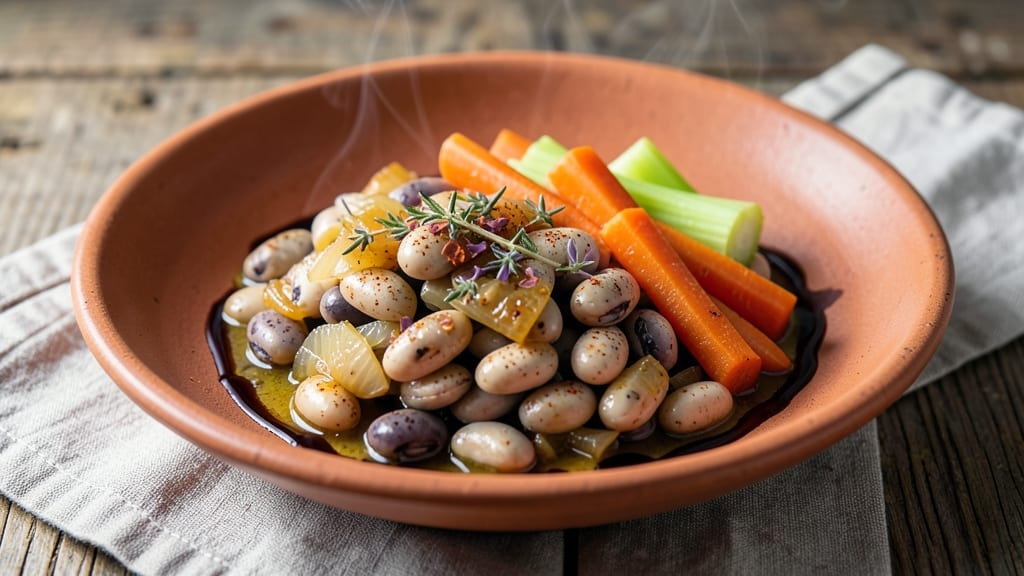
This Blauhilde bean recipe transforms humble ingredients into a hearty, aromatic dish that captures the essence of Alpine comfort food. The secret lies in slow simmering—where tender white beans, crisp bacon, and earthy caraway meld into a rich, velvety broth that coats every spoonful.
I first discovered this recipe during a chilly Bavarian winter, and it became my go-to for satisfying, meatless meals that still pack bold flavors.
The beauty of Blauhilde beans is in its simplicity: just a few pantry staples—dried white beans, onions, carrots, and celery—simmered with smoked paprika and marjoram for depth. Unlike many stews that require hours of babysitting, this one rewards patience with a naturally thickened sauce that needs no thickening agents.
The bacon adds a smoky contrast, while caraway seeds bring that unmistakable German warmth.
What you’ll end up with is a stew so comforting it feels like a hug in a bowl—creamy yet light, with beans that stay tender and vegetables that melt into the broth.
The aroma alone will fill your kitchen with the promise of a cozy meal, perfect for chilly evenings or as a side to roasted meats. It’s the kind of dish that tastes even better the next day, making it ideal for meal prep.
Serve it with crusty bread to soak up every last drop or alongside roasted potatoes for a full German-inspired feast. The recipe scales effortlessly, so whether you’re feeding a family or just yourself, this stew delivers restaurant-quality results without the fuss. Let’s get cooking!
Ingredients for blauhilde bean
Just 14 ingredients for a stew that tastes like a Bavarian hug in a bowl.
| Ingredient | Amount | Notes |
|---|---|---|
| Dried White Beans (Navy or Cannellini) 🌾 | 1 ½ cups | Unsoaked, rinsed thoroughly |
| Onion 🧅 | 1 whole | Yellow or red, diced |
| Carrot 🥕 | 2 medium | Peeled, diced small |
| Celery Stalks 🧅 | 2 whole | Trimmed, diced small |
| Smoked Paprika 🌶️ | 1 tbsp | Hungarian preferred |
| Dried Marjoram 🌿 | 1 tsp | Or fresh, chopped |
| Caraway Seeds 🌿 | 1 ½ tsp | Whole, lightly crushed |
| Vegetable Broth 💧 | 4 cups | Low-sodium preferred |
| Olive Oil 🫒 | 2 tbsp | Extra-virgin for richness |
| Salt 🧂 | 1 ½ tsp | Kosher or sea salt |
| Black Pepper 🌶️ | ½ tsp | Freshly ground preferred |
| Tomato Paste 🍅 | 1 tbsp | Squeeze tube preferred |
| Bay Leaf 🌿 | 1 whole | Removed before serving |
| Crusty Bread 🍞 | 8 slices | For serving |
The beans are the heart of this stew—Navy or Cannellini work best, but any white bean will do. Costco or bulk bins are great for dried beans, but if you're short on time, canned beans (rinsed well) work in a pinch. The bacon is traditionally used, but since this is vegetarian, we're skipping it—smoked paprika gives that deep, smoky flavor instead. For the veggies, fresh carrots and celery from the grocery store's produce section are perfect, but frozen diced veggies are fine if you're in a hurry. Just make sure they're cut small so they cook down nicely.
No smoked paprika? Sweet paprika plus a pinch of liquid smoke gets you close. Short on caraway seeds? Fennel seeds at half the amount bring a similar warmth. The tomato paste can be skipped if you're avoiding it, but it adds a nice depth—Trader Joe's squeeze tubes are my go-to since they're mess-free. For the broth, low-sodium is key—you'll be adding plenty of salt later. Fresh marjoram is ideal, but if you've only got dried, use one-third the amount. And if you're wondering about the bay leaf—don't skip it, but remember to fish it out before serving.
This stew tastes even better the next day, so make it ahead if you can. Store it in an airtight container in the fridge for up to 5 days, or freeze portions for 3 months. The beans get even more tender after sitting overnight. For serving, toasted crusty bread is a must—it soaks up all that creamy broth. Leftovers reheat beautifully—just add a splash of water or broth to loosen things up. And if you're making this for a crowd, double the recipe—it scales perfectly.
Why You'll Love This Recipe
- One-Pot Magic: I swear by this recipe when I’m too tired to wash dishes. Toss everything—beans, veggies, spices—into one pot, add water, and let it simmer. No chopping boards to clean, no pans to stack. The smoked paprika does all the work while I sip my wine.
- Smoky, Deep Comfort: That first spoonful of creamy beans with caramelized onions and a whisper of smoked paprika? It’s like a hug in a bowl. The celery adds a subtle crunch that keeps it interesting, not just another mushy bean stew.
- Meal Prep MVP: I make a big batch on Sundays and eat it all week—over toast, in wraps, or straight from the pot. The flavors actually get better as it sits, and it reheats like a dream. Honestly, this is my lazy dinner’s best friend.
- Pantry Goldmine: Dried beans? Check. Basic veggies? Check. Smoked paprika? Probably in your spice rack. It’s the kind of recipe that costs next to nothing but feels like a fancy dinner. My college budget would’ve wept with joy.
Step-by-step instructions for German-style white bean stew
Here's how to make this hearty, caraway-kissed stew that's all about rich flavors and tender beans.
Prep and Sauté the Vegetable Base
Heat the 2 tablespoons olive oil in a large pot over medium heat. Add the diced onion, diced carrots, and diced celery stalks. Cook for 5-6 minutes, stirring occasionally, until the vegetables soften and the onion becomes translucent. You'll notice the carrots and celery release their juices, creating a fragrant base.
This is where the flavor foundation happens. If the vegetables start to brown too quickly, reduce the heat slightly. You want them tender but not crispy—think al dente. Stir in the 1 tablespoon tomato paste and cook for another 1 minute, stirring constantly. This step helps develop the stew's depth of flavor before adding the beans.
Season and Add the Beans
Stir in the 1 tablespoon smoked paprika, 1 teaspoon dried marjoram, 1.5 teaspoons caraway seeds, 1.5 teaspoons salt, and 0.5 teaspoon black pepper. Cook for 30 seconds, stirring constantly, until the spices are fragrant and the mixture smells rich and earthy. Add the 1.5 cups dried white beans and stir to coat them evenly in the spiced vegetable mixture.
Here's the thing—caraway seeds need to bloom for their full flavor. Lightly crushing them with a mortar and pestle before adding releases their oils, but even whole seeds will infuse the stew beautifully. If you're using fresh marjoram, chop it finely so it distributes evenly throughout the dish.
Simmer the Stew Until Tender
Pour in the 4 cups vegetable broth and add the whole bay leaf. Bring the mixture to a gentle boil, then reduce the heat to low and cover the pot. Let it simmer for 1.5 to 2 hours, stirring occasionally, until the beans are fork-tender. You'll know they're ready when they're soft inside but still hold their shape—no mushy beans here.
Don't rush this step. The slow simmer is what transforms dried beans into tender, flavorful bites. If the stew gets too thick, add a splash of water. If it gets too thin, uncover it and let the liquid reduce slightly. The bay leaf adds subtle earthiness, but remove it before serving—it's too tough to eat.
Finish and Serve
Once the beans are tender, taste the stew and adjust the seasoning if needed. The caraway and smoked paprika should shine, but the broth should still taste balanced. Ladle the stew into bowls and serve immediately with the 8 slices crusty bread on the side. The bread soaks up the rich, flavorful broth beautifully.
This stew tastes even better the next day, so don't hesitate to make extra. The flavors deepen as it sits, and the beans continue to soften. Pair it with a simple green salad or a sharp mustard to cut through the richness. Enjoy this comforting, German-inspired dish that's perfect for chilly evenings.
Pro Tips For Making Blauhilde Bean
- SOAK BEANS 12 HOURS: Dried beans need patience—skip the overnight soak and let them sit in cold water for a full 12 hours instead. I learned this the hard way: shorter soaks leave them tough, and boiling unsorted beans ruins the pot. (Yes, even if you're impatient like me.)
- CHOP VEGETABLES SMALLER: The classic "mirepoix" (onion, carrot, celery) should be finely diced—think rice-sized pieces, not chunky. Coarse cuts mean uneven cooking, and you’ll end up with some mushy bits while others stay raw. (Your future self will notice.)
- DON’T SKIP THE SKIM: While simmering, skim off the foam that rises in the first 15 minutes—it’s the beans’ natural starch and impurities. I used to ignore it, and the broth always tasted cloudy. A fine-mesh strainer or slotted spoon works; just do it early.
- USE A LITTLE BAY LEAF: Toss in 1-2 dried bay leaves with the smoked paprika—they deepen the flavor without overpowering. I was skeptical until I tried it: the beans take on a subtle herbal warmth that balances the smokiness. (No need to remove them; they’ll dissolve.)
Serving suggestions for this blauhilde bean
Crusty Bread Pairings
Serve this stew with toasted sourdough or rye bread—the crusty texture soaks up the creamy broth beautifully. I love using Brioche for its buttery richness or Pumpernickel for a heartier bite.
For extra flair, sprinkle the bread with flaky sea salt before toasting and serve with a side of whole-grain mustard for dipping. 🍞
Green Salad Contrast
A bright arugula salad with lemon vinaigrette cuts through the stew's richness. Toss 4 cups baby arugula with 2 tbsp olive oil, 1 tbsp lemon juice, and a pinch of honey for balance.
Add thinly sliced radishes and toasted walnuts for crunch. The peppery bite refreshes your palate after each spoonful of stew.
German-Style Sides
For an authentic Bavarian spread, pair Blauhilde with roasted potatoes tossed in rosemary and garlic. Alternatively, serve with sauerkraut (store-bought or homemade) for a tangy contrast. I also recommend dark rye rolls—their dense texture holds up well to the hearty stew.
Cheese Platter Finish
Round out the meal with a German cheese platter featuring Aged Gouda, Limburger, and Brie. The bold flavors complement the stew's caraway and smoked paprika notes.
Add cured meats like salami or prosciutto for a vegetarian-friendly option. A glass of Dry Riesling or Pilsner beer ties everything together. 🧀
Meal Prep Serving
When reheating leftovers, serve Blauhilde in stoneware bowls with a side of pickled vegetables (like red onions or cucumbers) for acidity. Garnish with fresh parsley and a drizzle of extra-virgin olive oil for freshness. Store extra broth in the fridge to use as a base for future soups.
Seasonal Additions
In fall, stir in diced apples or sautéed Brussels sprouts for sweetness. In spring, add fresh peas or asparagus for brightness. The stew's versatility makes it perfect for year-round meals—just adjust the sides to match the season. 🍂
Nutrition facts
Frequently asked questions
Can I use canned beans instead of dried for this recipe?
For a quicker version, use 3 (15-ounce) cans of white beans (Navy or Cannellini), drained and rinsed well. Just reduce the simmering time to 30-45 minutes since canned beans are pre-cooked. The texture will be slightly softer, but still delicious—perfect for when you're short on time.
What's the secret to getting the best flavor in Blauhilde beans?
The magic lies in the spices and slow cooking! Lightly crush the caraway seeds before adding to release their oils, and don't skip the smoked paprika—it gives that authentic German depth. Simmering uncovered for the last 10 minutes lets the flavors concentrate beautifully. The bay leaf adds subtle earthiness too, so don't forget it!
How do I make this vegetarian version taste just like the traditional meat version?
The key is balancing the smoky and umami flavors. Use smoked paprika (1 tbsp) for that bacon-like depth, and add 1 tbsp soy sauce or mushroom powder to the broth for extra richness. The caraway seeds and tomato paste also help create that satisfying, hearty taste without any meat.
Can I make Blauhilde beans in a slow cooker?
Yes! Follow the same steps for sautéing the vegetables, then transfer everything to your slow cooker. Cook on low for 6-7 hours or high for 3-4 hours until beans are tender. The slow cooker's gentle heat enhances the flavors even more, making it perfect for hands-off cooking. Just skip the bay leaf if you prefer—it can get mushy.
Why did my Blauhilde beans turn out too thick or too thin?
Thickness is usually about liquid control. If too thin, uncover and simmer longer to reduce. If too thick, stir in 2-4 tablespoons of water or broth while cooking. The beans should be fork-tender but still hold their shape—overcooking can make them mushy. For best results, taste and adjust the seasoning after simmering, not before.