
Salads
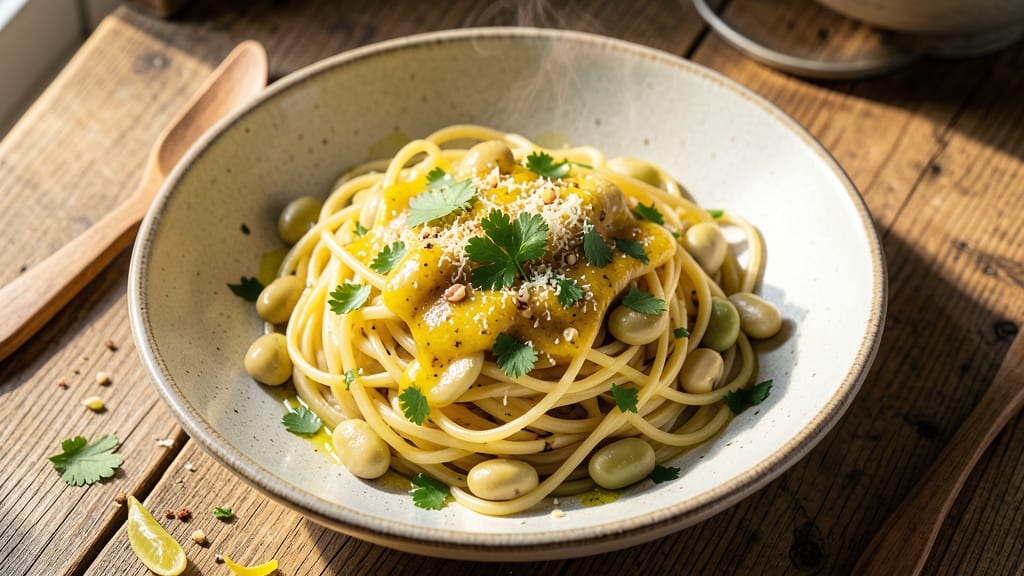
This broad bean pasta recipe transforms humble ingredients into a vibrant, protein-packed dish that delivers earthy green flavor and buttery crunch in every bite.
The secret lies in perfectly cooked broad beans—whether you blanch them for tender texture or lightly roast for nutty depth—paired with al dente pasta and a bright lemon-herb sauce.
I developed this recipe after discovering how broad beans elevate simple pasta into something restaurant-worthy, especially when finished with crispy pancetta or toasted pine nuts.
The beauty of this dish is its versatility—it works as a light lunch or hearty vegetarian main, depending on how you style it. Broad beans add a satisfying crunch and nutty sweetness, while the pasta absorbs the sauce beautifully.
A sprinkle of fresh herbs and flaky sea salt at the end ties everything together, creating a dish that’s both elegant and effortless. The key is balancing the beans’ natural earthiness with bright citrus and rich olive oil for a sauce that’s creamy yet fresh.
What makes this recipe stand out is the textural contrast—tender pasta, crisp beans, and optional crunchy toppings—all while keeping the dish vegetarian-friendly without sacrificing depth.
The broad beans can be prepped in minutes (peeling is easier than you think!) and combined with a simple stovetop sauce that’s packed with flavor. Whether you’re serving it for a weeknight dinner or a special occasion, this pasta delivers restaurant-quality results with minimal effort.
The finishing touches are where the magic happens—think toasted nuts, shaved parmesan, or a drizzle of chili oil for heat. Plate it simply with a sprinkle of herbs for a fresh look, or go bold with a drizzle of sauce and extra beans for a showstopping presentation.
This dish proves that vegetarian pasta can be just as satisfying as any meat-based meal, with bold flavors and textures that keep it exciting.
Ingredients for broad bean pasta
Humble broad beans and al dente pasta create restaurant-worthy vegetarian magic with minimal effort.
| Ingredient | Amount | Notes |
|---|---|---|
| Fresh Broad Beans (fava beans) 🌱 | 1 ½ lb | Shell and trim ends before cooking |
| Extra-Virgin Olive Oil 🫒 | ½ cup | High-quality, fruity variety |
| Lemon Zest 🍋 | 1 tbsp | Freshly grated, vibrant yellow |
| Lemon Juice 🍋 | 2 tbsp | Freshly squeezed, no pulp |
| Garlic Cloves 🧄 | 4 cloves | Minced, fresh preferred |
| Fresh Flat-Leaf Parsley 🌿 | ½ cup | Chopped, stems removed |
| Fresh Mint Leaves 🍃 | ¼ cup | Finely chopped, optional |
| Pine Nuts 🥜 | ½ cup | Toasted until golden |
| Ditalini Pasta 🍝 | 12 oz | Al dente preferred |
| Flaky Sea Salt 🧂 | 1 tsp | For finishing |
| Vegetable Broth 💧 | 1 ½ cups | Low-sodium preferred |
| Parmesan Cheese 🧀 | ½ cup | Freshly grated, optional |
| Chili Flakes 🌶️ | ½ tsp | For optional heat |
The broad beans are the star—fresh, in-shell fava beans make all the difference. Hit up your local farmers market or specialty grocer like Whole Foods for the freshest, most flavorful pods. If you can't find them fresh, Trader Joe's often carries pre-shelled fava beans in their freezer section. The key is cooking them just until tender—overcooking turns them mushy. I like to blanch them first for a delicate texture, then lightly roast some for extra crunch. Look for pods that are firm and vibrant green, not wilted or discolored. The fresher the beans, the more intense their earthy, nutty flavor.
No fresh parsley? Dried works at half the amount, but trust me, fresh is worth the extra minute. Running low on pine nuts? Toasted walnuts or pecans add a similar crunch. The lemon zest and juice can be swapped for lime if you prefer—just adjust to taste. For the pasta, ditalini or farfalle work beautifully, but any short pasta shape will do. If you're feeling adventurous, try adding a handful of wilted spinach to the sauce for extra color. The vegetable broth can be homemade or store-bought—just make sure it's low-sodium. For a richer sauce, stir in a splash of heavy cream at the end, but keep it vegetarian-friendly with plant-based cream if needed.
Pasta keeps best in the fridge for 2-3 days if stored in an airtight container, but this dish tastes even better the next day as flavors meld. The broad beans? Blanch and store them in the fridge for up to 2 days or freeze for 3 months. I like to make extra sauce and store it separately so I can quickly reheat portions. For the pine nuts, keep them in the freezer to prevent rancidity—they stay fresh for up to 6 months that way. When reheating, add a splash of water to keep the sauce from drying out. The finishing touches—herbs, salt, and chili flakes—are best added fresh right before serving.
Why You'll Love This Recipe
- No Shelling Hassle: I’ll admit, broad beans need shelling—but it’s worth it. You only need to shuck about 10-15 pods for a meal, and the beans practically fall out of their skins once blanched. That’s 10 minutes max, and you’re left with tender, buttery beans that taste like spring in a bowl.
- Lemon-Garlic Magic: The bright zing of lemon zest and juice cuts through the richness of the olive oil, making every bite pop. Sautéed garlic? Oh, it’s not just “flavor”—it’s that golden, fragrant aroma that turns a simple pasta into something you’ll reach for again.
- Weeknight or Weekend: Throw this together while your pasta boils—no fancy techniques, just fresh beans tossed with garlic and lemon. It’s the kind of dish that works for a lazy Tuesday or a fancier Friday, depending on how you plate it. (Pro tip: Garnish with parsley if you’re feeling fancy.)
- Budget-Friendly Protein: Broad beans are cheaper than most fresh veggies but pack a punch. A pound of pods feeds four, and the leftovers? Even better the next day—just reheat with a splash of pasta water. Honestly, it’s one of those recipes where the ingredients cost less than takeout, but the taste wins every time.
Step-by-step instructions for earthy broad bean pasta
Here's how to transform fresh broad beans into a vibrant, buttery pasta dish with perfect texture.
Prepare the Broad Beans
Start by shelling the 1.5 lb fresh broad beans and trimming the ends with a small knife. I like to work over a bowl to catch the pods - they're edible but tough. Place the shelled beans in a pot of cold water and bring to a boil. Once boiling, reduce heat to a simmer and cook for 8-10 minutes until tender but still holding their shape. The beans should be bright green and fork-tender, not mushy.
Drain immediately and transfer to an ice bath to stop cooking. This shock treatment preserves their vibrant color and firm texture. While they cool, I like to give them a quick rinse under cold water to remove any residual starch. The beans will shrink slightly as they cool - this is normal and actually improves their texture in the final dish.
Toast the Pine Nuts and Cook the Pasta
While the beans cool, heat a dry skillet over medium heat and add the 0.5 cup pine nuts. Toast them for 3-4 minutes, stirring constantly, until they're golden brown and fragrant. Watch closely - they burn quickly! Remove from heat and set aside on a plate.
In a separate pot, bring 4 quarts water to a rolling boil and add 1 tsp salt. Cook the 12 oz ditalini pasta until 1 minute before al dente (about 10-11 minutes). Reserve 1 cup pasta water before draining - this starchy water is essential for creating a silky sauce. The pasta should be tender but still offer slight resistance when bitten.
Build the Herb-Infused Olive Oil Base
In a large skillet, heat 0.25 cup extra-virgin olive oil over medium-low heat. Add the 4 minced garlic cloves and sauté for 1 minute until fragrant but not browned. Add the 0.5 cup chopped parsley and 0.25 cup chopped mint leaves, stirring for 30 seconds until the herbs release their vibrant aroma.
Remove from heat and stir in the 1 tbsp lemon zest and 2 tbsp lemon juice. This brightens the flavors and prevents the oil from overheating. Keep this mixture warm while you prepare the remaining components - the citrus notes will infuse beautifully into the final dish.
Combine Everything for Maximum Flavor
Add the cooked pasta to the skillet with the herb oil. Toss gently to coat, then stir in the cooled broad beans. Pour in 1 cup vegetable broth and toss again, using the reserved pasta water if needed to create a light, silky sauce. The beans should be fully coated but still visible - we want their earthy flavor to shine.
Remove from heat and fold in the toasted pine nuts, 0.5 cup grated Parmesan cheese, and 0.5 tsp chili flakes. Taste and adjust seasoning with additional flaky sea salt if needed. The dish should balance earthy beans with bright citrus, nutty pine nuts, and a touch of heat from the chili flakes.
Finish with Perfect Texture
Let the pasta sit off heat for 2-3 minutes - this allows the flavors to meld while maintaining the pasta's al dente texture. Before serving, give it one final toss with a splash of the remaining 0.25 cup extra-virgin olive oil to create a luxurious finish. The beans should be warm but still holding their shape, the pasta perfectly al dente, and the pine nuts providing satisfying crunch.
Serve immediately with additional flaky sea salt and a sprinkle of fresh parsley for color. The contrast between the buttery pasta, earthy beans, and crisp pine nuts makes this dish truly special - every bite delivers a perfect balance of textures and flavors.
Pro Tips For Making Broad Bean Pasta
- PEEL BEANS RIGHT: Fresh broad beans need their skins off—don’t skip this. Use a sharp knife to slice them open lengthwise, then scrape out the insides with the blade (like shaving). I learned the hard way that skipping this step leaves a gritty texture no amount of chewing fixes.
- SALT THE WATER LATE: Add salt to your pasta water only after it’s boiling hard—wait until you drop in the beans. Too early, and the skins soften unevenly; too late, and they’ll taste bland. Trust me, timing matters more than you’d think.
- TOAST GARLIC LOW: Sauté those garlic cloves in olive oil over low heat until golden, not brown. High heat burns them fast, turning sweet into bitter—ruining the whole dish. I used to rush this, and now I just watch the pan like a hawk.
- ZEST FIRST, JUICE LAST: Add lemon zest to the oil while cooking the beans—it infuses flavor better. Save the juice for finishing, right after the pasta drains. This keeps the dish bright and balanced, not drowned in acid. (Yes, even if you’re impatient like me.)
Common mistakes when making this recipe
Overcooking Broad Beans
Broad beans turn mushy and unappetizing when overcooked—this is the #1 mistake I see. They should be tender but still hold their shape, like al dente pasta. I recommend blanching them for 8-10 minutes in boiling water, then shocking in ice water immediately.
If you're using canned beans, rinse them thoroughly to remove excess sodium and cook for just 3-4 minutes to warm through. Overcooking destroys their delicate texture and earthy flavor. 🌱
Skipping the Ice Bath
Many home cooks forget to shock their beans in ice water after boiling, which leads to uneven cooking and dull color. The ice bath stops the cooking process instantly and preserves their vibrant green hue.
I like to add a handful of ice cubes directly to the pot before draining, then transfer to a colander. This step is non-negotiable for maintaining that restaurant-quality presentation. Without it, your beans will continue cooking and lose their firm texture.
Using Low-Quality Olive Oil
The sauce relies entirely on high-quality extra-virgin olive oil—using anything less results in a flat, bland dish. I recommend brands like California Olive Ranch or Colavita for their fruity, peppery notes that complement the broad beans.
Cheap oil lacks the depth needed to carry the bright lemon and herb flavors. Always use the best you can find—your taste buds will notice the difference immediately.
Ignoring Pasta Water
Reserving 1 cup of pasta water is crucial for creating a silky sauce that clings to the pasta and beans. Without it, your sauce will be dry and clumpy. I like to add the reserved water gradually while tossing the pasta, using it like a liquid binder.
If your sauce seems too thick, add more pasta water 1 tablespoon at a time until you reach the perfect consistency. This simple step makes all the difference in texture.
Overcrowding the Pasta Pot
Packing too many beans or pasta into the pot causes uneven cooking and a gummy texture. I recommend cooking pasta in batches if needed, and never exceed ½ pound of pasta per 4 quarts of water.
The same goes for blanching beans—use a large enough pot so they have room to move freely. Overcrowding leads to steaming rather than boiling, which prevents proper cooking and creates a mushy final texture. A slightly larger pot makes all the difference.
Forgetting to Toast Nuts
Skipping the toasted pine nuts means missing out on their essential crunch and nutty depth. I always toast them in a dry skillet over medium heat for 3-4 minutes, stirring constantly to prevent burning. Watch closely—they go from perfect to burnt in seconds!
If you're short on time, you can toast them in a 350°F oven for 5-6 minutes instead. Untosted nuts add no texture contrast and taste bland in comparison. 🥜
Nutrition facts
Frequently asked questions
Can I use canned broad beans instead of fresh?
Yes, but with adjustments! Canned broad beans are more convenient but contain more sodium. Rinse thoroughly and cook for just 3-4 minutes to warm through while keeping their texture. For best results, use low-sodium varieties and add extra lemon juice to balance the flavors. Fresh beans offer superior texture and flavor, but canned works in a pinch.
How do I peel broad beans quickly?
Blanch fresh broad beans for 2 minutes in boiling water, then shock in ice water. The skins will slip off easily when rubbed between your fingers. For extra speed, use a peeler to remove the outer skin after blanching. This method works best with fresh, young beans - older beans may be tougher to peel. Always wear gloves when handling raw beans to avoid skin irritation.
What pasta shapes work best with broad beans?
Short, sturdy shapes like ditalini, penne, or farfalle work best because they hold up to the beans' texture. Avoid delicate shapes like angel hair that might break. For extra flavor contrast, try rigatoni with ridges that catch the broad bean sauce beautifully. The key is choosing a shape that complements the beans' earthy flavor without overpowering it.
Can I make this recipe without pine nuts?
Swap pine nuts for toasted walnuts, pecans, or almonds for similar texture. For a nut-free option, try crispy toasted breadcrumbs or fried shallots. The crunch is essential for balancing the dish's richness, so choose a topping that adds satisfying texture. Just be sure to toast your alternative thoroughly for maximum flavor.
How can I make this dish spicier?
Add ½ teaspoon red pepper flakes to the sauce or drizzle with chili oil before serving. For heat lovers, stir in 1 teaspoon sriracha or fresh chili paste at the end. Balance the heat with extra lemon juice to keep the dish bright. Start with small amounts - you can always add more, but removing heat is impossible!