
Sauces & Condiments
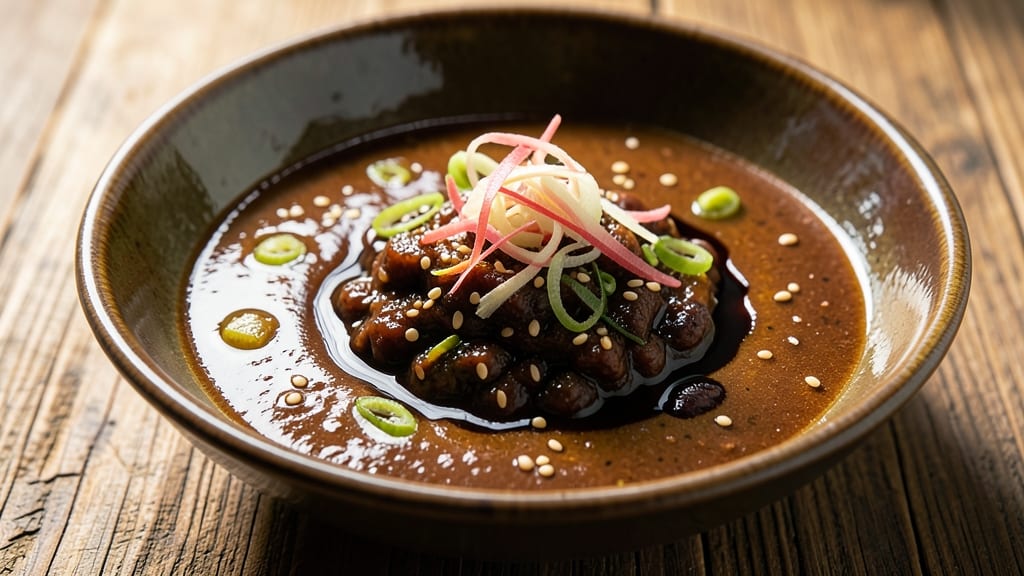
This brown bean sauce recipe transforms simple pantry staples into a deep, umami-rich condiment that elevates stir-fries, marinades, and bowls.
The sauce builds complexity through slow simmering of fermented bean paste, soy sauce, and brown sugar, creating a balance of sweet, salty, and savory notes that cling perfectly to proteins and vegetables.
I developed this version after tasting countless Asian street food sauces—this one delivers that same restaurant-quality depth at home.
The foundation of great brown bean sauce lies in patience and layering flavors. We start with a base of dark soy sauce and brown sugar, then deepen the umami through fermented bean paste (or miso paste as a substitute), which adds that signature earthy richness.
Aromatics like garlic, ginger, and vinegar brighten the sauce, while a touch of chili or sesame oil adds just enough heat and nuttiness. The sauce reduces slowly to develop concentration, ensuring every drop delivers maximum flavor.
What you'll end up with is a glossy, velvety sauce with a perfect balance of sweetness, saltiness, and umami depth—ideal for tossing with stir-fried vegetables, drizzling over noodle bowls, or using as a marinade for meats.
The sauce keeps well in the refrigerator for up to two weeks, making it perfect for meal prep or batch cooking. This is the kind of sauce that turns ordinary dishes into extraordinary ones with minimal effort.
For dietary adaptations, simply reduce or omit sugar for a lower-carb version, or use gluten-free soy sauce and tamari for a gluten-free alternative. The recipe scales easily, so feel free to double the batch if you plan to use it frequently.
Let's get started on creating this versatile, flavor-packed sauce that will become a staple in your kitchen.
Ingredients for brown bean sauce
Nine simple ingredients transform into a restaurant-quality sauce that brings umami depth to any dish.
| Ingredient | Amount | Notes |
|---|---|---|
| Fermented Bean Paste 🥫 | ½ cup | Or miso paste for substitute |
| Dark Soy Sauce 🍶 | ½ cup | For deep color and saltiness |
| Brown Sugar 🍯 | ½ cup | Light or dark variety works |
| Garlic Cloves 🧄 | 6 cloves | Minced for aromatic depth |
| Fresh Ginger 🌿 | 2 tbsp | Grated, for zesty brightness |
| Rice Vinegar 🍶 | ¼ cup | White or seasoned variety |
| Sesame Oil 🫒 | 1 tbsp | Toasted for nutty aroma |
| Red Chili Flakes 🌶️ | 1 tsp | Adjust for heat preference |
| Water 💧 | ½ cup | For thinning consistency |
| Cornstarch Slurry 🌾 | 1 tbsp | 1 tbsp cornstarch + 1 tbsp water |
Fermented bean paste is the umami powerhouse here—look for the dark, chunky kind at Asian markets or the international aisle of Whole Foods. If you can't find it, miso paste works beautifully as a substitute, though it'll have a slightly different texture. The dark soy sauce gives that signature deep color—La Choy or Lee Kum Kee are my go-tos, but any brand with a rich, molasses-like appearance will do. Brown sugar adds caramel notes as it simmers, so don't skip it. For garlic and ginger, fresh is non-negotiable—dried powders just won't cut it here. Toast your sesame oil in a dry pan for 30 seconds before adding to really wake up those nutty flavors.
No fermented bean paste? Miso paste is your best bet, though it'll be slightly smoother. Running short on rice vinegar? Apple cider vinegar or white wine vinegar work in a pinch, but rice vinegar's mild sweetness is ideal. The cornstarch slurry is what gives the sauce that glossy finish—make sure it's smooth before adding, or you'll get lumps. For heat, gochujang or sambal oelek can replace chili flakes if you want more complexity. The sauce reduces significantly, so if you're making a big batch, double everything except the cornstarch slurry—add that gradually at the end to thicken.
This sauce keeps like a dream—two weeks in the fridge sealed in a jar. The flavors actually improve over time, so make extra. For leftovers, reheat gently on low and stir in a splash of water if it thickens too much. Freeze portions in ice cube trays for single-use servings—just thaw and stir. If you're prepping for meal prep, store in small containers so you can grab exactly what you need without transferring. The sauce thickens as it cools, so it'll be perfect consistency right out of the fridge.
Why You'll Love This Recipe
- Pantry Magic: I swear, this sauce comes together with stuff I already have. Fermented bean paste and dark soy sauce do all the heavy lifting—no fancy shopping required. The only fresh bits are garlic and ginger, which I always keep on hand.
- Umami Bomb: That fermented bean paste? It’s the secret weapon. One spoonful and you’ve got this deep, savory punch that sticks with you. The brown sugar balances it just enough to make it irresistible—like a hug in sauce form.
- Weeknight Wonder: Slap it on noodles, toss it with tofu, or drizzle it over rice—it’s my go-to when I’m too tired to think. Honestly, I’ve even used it as a quick glaze for roasted chicken. Versatile enough to handle whatever’s on the menu.
- Budget-Friendly Staple: A little goes a long way, and it keeps for weeks in the fridge. I make a big batch, freeze half, and suddenly I’ve got a flavor powerhouse that costs pennies per serving. (Yes, even on a Tuesday night.)
Step-by-step instructions for brown bean sauce
This rich, umami-packed sauce comes together in minutes with simple technique.
Bloom the Fermented Bean Paste
In a medium saucepan, combine the 0.5 cup Fermented Bean Paste with the 0.5 cup Dark Soy Sauce and 0.5 cup Brown Sugar. Place the saucepan over medium heat and stir constantly for 3-4 minutes until the mixture begins to bubble gently and the sugar dissolves completely.
The fermented bean paste will release its deep, earthy aroma as it warms. You're looking for a smooth, syrupy consistency without any graininess. If you notice any lumps forming, press them through a fine-mesh sieve to ensure a velvety texture for your sauce. This foundational step builds the umami backbone that defines the sauce's character.
Add Aromatics and Simmer
Add the 6 cloves minced Garlic Cloves and 2 tbsp grated Fresh Ginger to the saucepan, stirring constantly for 1 minute until the garlic becomes fragrant but doesn't brown. Pour in the 0.25 cup Rice Vinegar and 0.5 cup Water, then bring the mixture to a gentle simmer over medium-low heat.
Let the sauce simmer uncovered for 10-12 minutes, stirring occasionally, until it thickens slightly and the liquid reduces by about 25%. You'll notice the aroma becoming more complex as the garlic and ginger meld with the fermented flavors. This reduction step concentrates the flavors and creates the perfect balance between sweet, salty, and tangy notes that make this sauce so versatile.
Incorporate Finishing Touches
Remove the saucepan from heat and stir in the 1 tbsp Sesame Oil and 1 tsp Red Chili Flakes. The sesame oil adds a nutty depth, while the chili flakes introduce just the right amount of heat. Taste the sauce and adjust the seasoning if needed—you might want to add a pinch more salt or a splash of rice vinegar to refine the balance.
Return the sauce to low heat and stir in the 1 tbsp Cornstarch Slurry (mixed from 1 tbsp cornstarch and 1 tbsp water). Simmer for an additional 1-2 minutes until the sauce thickens to your desired consistency—it should coat the back of a spoon but still be pourable. This final adjustment ensures the sauce clings beautifully to stir-fries, noodles, or bowls without being too thick.
Rest and Serve
Transfer the brown bean sauce to a clean bowl and let it rest at room temperature for 10-15 minutes. This resting period allows the flavors to fully meld and the sauce to reach its optimal texture. The sauce will thicken slightly as it cools, so if you prefer it thinner, you can stir in a splash of hot water or rice vinegar to adjust the consistency.
Serve the sauce immediately over your favorite stir-fry, noodle dish, or grain bowl. The deep umami flavor pairs perfectly with grilled meats, tofu, or fresh vegetables. For best results, store any leftovers in an airtight container in the refrigerator for up to 5 days, or freeze for up to 3 months. The sauce actually improves with time as the flavors continue to develop!
Pro Tips For Making Brown Bean Sauce
- Bloom the Ginger First: Toss your sliced ginger into the pan before the oil—just let it sizzle for 10 seconds until fragrant. I used to add it later, and the sauce always tasted flat. That quick burst of heat unlocks the spice without burning it.
- Simmer Slow After Sugar: Once you add brown sugar, drop the heat to low and let it melt completely before stirring. I learned this the hard way—rushing it makes the sauce grainy instead of glossy. Patience here makes all the difference.
- Toast the Bean Paste: Cook the fermented bean paste in oil for 2–3 minutes until it darkens and smells nutty. Skipping this step leaves it raw-tasting, like undercooked peanut butter. Trust me, the extra time pays off.
- Balance the Salt Early: Taste after adding dark soy sauce, then adjust with a pinch of salt—fermented bean paste is already salty. I used to overdo it, and the sauce ended up harsh. Start conservative, then tweak.
Creative variations of this brown bean sauce
Asian Street Food Style
For an extra-funky, restaurant-quality version, add 1 tbsp gochujang (Korean chili paste) and 1 tsp toasted sesame seeds at the end.
Simmer the sauce with ½ cup chicken broth instead of water for deeper meaty notes—this is how street food stalls in Taiwan and Malaysia make their signature brown bean sauces. I like to finish with a splash of Shaoxing wine (just 1 tsp) for complexity. 🌶️
Latin American Twist
Swap the fermented bean paste for ½ cup molasses and 2 tbsp blackstrap molasses for a Caribbean-inspired version. Add 1 tsp ground allspice and ½ tsp cinnamon to the simmering sauce, then finish with 1 tbsp lime juice instead of vinegar.
This works beautifully with grilled chicken or black beans. The molasses gives it a deep, caramelized richness that pairs perfectly with tropical flavors.
Spicy Sesame Kick
For heat lovers, double the red chili flakes to 2 tsp and add 1 tbsp sambal oelek at the end. Stir in 1 tsp grated fresh ginger and 1 tsp grated galangal (if available) for a Thai-inspired depth.
Finish with a drizzle of chili oil and crushed peanuts for texture. This version is perfect for spicy noodle bowls or as a dipping sauce for spring rolls. 🔥
Sweet and Tangy Glaze
Reduce the brown sugar to ¼ cup and add 2 tbsp honey or maple syrup for a sweeter glaze. Increase the rice vinegar to ¼ cup and add 1 tbsp fish sauce for umami.
This version works as a glaze for grilled meats or as a dipping sauce for dumplings. The tangy-sweet balance makes it irresistible with fried rice or noodles.
Low-Sodium Adaptation
For a lighter version, use ½ cup coconut aminos instead of soy sauce and reduce the fermented bean paste to ¼ cup. Add 1 tsp miso paste for umami without extra sodium.
Sweeten with 2 tbsp monk fruit sweetener or maple syrup instead of brown sugar. This keeps the rich flavor while cutting back on salt. It’s perfect for health-conscious meal prep. 💛
Smoky Chipotle Version
Infuse the sauce with smoky depth by adding 1 tsp adobo sauce (from canned chipotles) and ½ tsp smoked paprika to the simmering mixture. Finish with a drizzle of chipotle oil for extra richness.
This version pairs beautifully with grilled corn, black beans, or as a marinade for chicken. The smoky notes add a whole new dimension to the classic brown bean sauce. 🌽
Nutrition facts
Frequently asked questions
Can I substitute miso paste for fermented bean paste?
Yes! Miso paste works beautifully as a substitute—it adds that same deep umami richness. Use a 1:1 ratio, but expect a slightly smoother texture. For extra authenticity, try red miso (like awase miso) for a darker color and bolder flavor. If your miso is too salty, reduce the soy sauce slightly.
How do I adjust the sweetness in this sauce?
Start by reducing the brown sugar to ¼ cup if you prefer less sweetness, then balance with extra rice vinegar (1-2 tbsp) for tang. For a sweeter version, increase the sugar to ⅔ cup and add 1 tbsp honey at the end. Taste as you go—flavors meld as the sauce cools, so adjustments may be needed later.
What’s the best way to store leftover brown bean sauce?
Store in an airtight container in the fridge for up to 2 weeks—it actually tastes better as flavors deepen! For longer storage, freeze in ice cube trays (thaw and stir with water if needed). The sauce thickens when cold, so thin with a splash of water or vinegar before reheating.
Can I make this sauce without a stove?
Not ideal, but you can try! Mix all ingredients (except cornstarch) in a microwave-safe bowl and heat in 30-second bursts, stirring between each. The texture won’t reduce as perfectly, but it’ll still taste rich. For best results, use a slow cooker on low for 1-2 hours instead.
Why did my sauce turn out too thick?
This usually happens if you didn’t reduce the liquid enough or over-thickened with cornstarch. Thin with 1-2 tsp hot water or rice vinegar, stirring constantly. For future batches, simmer uncovered for 15-20 minutes to reduce more liquid before adding cornstarch. The sauce should coat a spoon but still be pourable.