
Soups & Stews
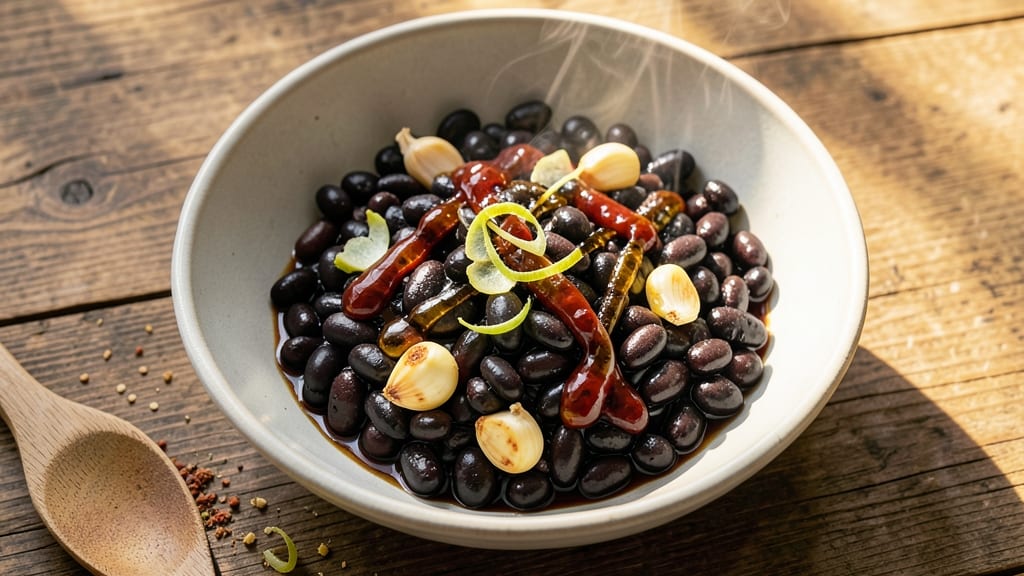
This black bean chili oil transforms simple meals into bold, umami-rich experiences with just a drizzle. 🔥 The secret lies in blending smoky chili oil with mashed black beans, garlic, and a touch of soy sauce, creating a versatile condiment that adds depth to everything from noodles to grilled vegetables.
I developed this recipe after craving something with more texture and substance than traditional chili oils—something that could stand up to hearty dishes while adding a rich, savory punch.
The process is straightforward: simmer black beans with chili oil, garlic, and spices until the flavors meld into a thick, aromatic paste. No blending required—just mashing the beans creates the perfect consistency for dipping or drizzling.
The result is a condiment that’s restaurant-quality but easy to make at home, with a balance of smoky, spicy, and slightly sweet notes that elevate any dish.
What makes this chili oil special is its versatility—drizzle it over steaming bowls of ramen, stir it into stir-fries, or serve it as a dipping sauce for crispy tofu or fresh spring rolls. The beans add body and protein, while the chili oil brings the heat.
Unlike dry spice blends, this recipe delivers a liquid infusion that clings to food, ensuring every bite is packed with flavor.
Store it in the fridge for up to a week, or preserve it in the freezer for months. The longer it sits, the more the flavors develop, making it a pantry staple worth repeating. Let’s get cooking—this chili oil will change the way you season your meals.
Ingredients for black bean chili oil
Nine simple ingredients transform into a bold, restaurant-quality chili oil with depth and texture.
| Ingredient | Amount | Notes |
|---|---|---|
| Black Beans 🌿 | 1 cup | Canned, drained and rinsed |
| Chili Oil 🌶️ | ½ cup | Smoky, store-bought or homemade |
| Garlic Cloves 🧄 | 4 cloves | Minced, fresh preferred |
| Soy Sauce 🥢 | 2 tbsp | Light or dark variety |
| Sesame Oil 🫒 | 1 tbsp | Toasted, for aroma |
| Ginger Root 🌿 | 1 tbsp | Freshly grated |
| Red Chili Flakes 🔥 | 1 tbsp | Adjust for heat preference |
| Maple Syrup 🍯 | 1 tbsp | For subtle sweetness |
| Vegetable Oil 🫒 | 1 tbsp | For cooking beans |
| Sea Salt 🧂 | ½ tsp | Fine grain preferred |
The black beans are the heart of this recipe—canned is fine, but if you've got dried, soak them overnight for richer flavor. Chili oil is non-negotiable for that smoky backbone (I grab the La Choy brand at the grocery store, but any good chili oil works). Fresh garlic and ginger? Worth the extra minute to grate—they add layers of brightness that dried spices can't match. If you're short on time, pre-minced garlic from the jar is a solid backup, but fresh is always better. Look for organic ginger at your local market if you can—it's brighter and less fibrous.
No chili oil? Mix 2 tbsp gochujang with 1 tbsp neutral oil for a quick substitute. Soy sauce options vary—light soy is subtler, while dark adds depth. For extra heat, swap red chili flakes for crushed dried chilies (soak first). Sesame oil adds aroma, but if you're sensitive to its flavor, reduce to 1/2 tbsp. The maple syrup might seem odd, but it balances the heat beautifully—agave works too. If you're making a big batch, double everything except the chili flakes (adjust to taste).
This keeps for 1 week in the fridge in an airtight jar, but the flavors deepen over time. For longer storage, freeze in ice cube trays—perfect for single-use portions. The oil will separate slightly, so give it a quick stir before using. Drizzle over ramen, mix into stir-fries, or serve with dumplings. Trust me, you'll want to make extra—this stuff disappears fast.
Why You'll Love This Recipe
- Here’s what sold me: this stuff actually improves the next day. The flavors meld even more, and I’ve used cold leftovers in wraps, soups, or even as a quick pasta sauce. Plus, it’s cheap enough that I don’t stress about wasting it—just freeze half and thank me later.
- Foolproof Pantry Staples: I swear by this because it uses what I always have—dried black beans (no soaking needed!) and that jar of chili oil gathering dust in my cabinet. Honestly, the only prep is mashing the beans slightly and mincing garlic, which takes less time than scrolling through my phone.
- Umami Bomb Combo: That soy sauce and sesame oil marriage? It’s what makes this recipe dangerously addictive. The chili oil brings heat, but the beans soak it up like a sponge, turning every bite into a perfect balance of smoky, salty, and slightly sweet—no fancy spices required.
- Weeknight Hero: Between us, this is my go-to when I’m too tired to plan dinner. Toss it over rice, stir it into scrambled eggs, or drizzle it on toast with a fried egg—it’s the kind of thing that turns a lazy night into a satisfying meal without breaking a sweat.
Step-by-step instructions for black bean chili oil
Here's how to blend smoky, spicy flavors into a versatile condiment that's perfect for dipping or cooking.
🍳 Step 1: Sauté the Aromatics
Heat the 1 tablespoon vegetable oil in a medium skillet over medium heat. Add the 4 cloves minced garlic cloves and cook for 1-2 minutes until they turn light golden and smell fragrant—this is when their sweetness peaks. Don't let them burn, or you'll get bitter flavors.
Next, add the 1 tablespoon freshly grated ginger root and the 1 tablespoon red chili flakes. Stir everything together for 30 seconds until the ginger softens slightly and the chili flakes darken just a bit. This quick cooking releases their essential oils, which will infuse into your oil later. The mixture should smell earthy, spicy, and slightly sweet.
👨🍳 Step 2: Toast the Black Beans
Add the 1 cup drained and rinsed black beans to the skillet. Stir them around for 2-3 minutes until they begin to slightly crisp in spots and develop a deep golden-brown color. This toasting step adds texture and caramelized depth to your chili oil.
I like to press down gently on the beans during the first minute—this prevents them from curling and ensures even contact with the pan. If they stick, add a splash of water and scrape up any browned bits from the bottom. These bits are packed with flavor and will become part of your oil's base.
🥘 Step 3: Combine Wet Ingredients
Pour in the 2 tablespoons soy sauce and 1 tablespoon maple syrup, stirring everything together. Let the mixture simmer for 1 minute until the soy sauce reduces slightly and the beans absorb the flavors. You'll notice the mixture becomes thicker and stickier as the liquid cooks off.
Remove the skillet from heat and let it cool for 5 minutes. This resting period prevents the sesame oil from burning when you add it later. While it cools, give the mixture a taste—this is where you can adjust the seasoning. If it needs more heat, add a pinch more chili flakes. If it needs sweetness, add a tiny bit more maple syrup.
🔥 Step 4: Infuse with Chili Oil
Carefully pour in the 0.5 cup chili oil and the 1 tablespoon toasted sesame oil into the skillet. Stir everything together gently—you want to combine the flavors without creating too much foam. The mixture should look like a thick, smoky paste with tiny black bean specks.
Add the 0.5 teaspoon sea salt and stir one final time. The salt should dissolve completely into the oil. If the mixture looks too thick, add 1-2 teaspoons of water to loosen it. The final texture should be like a thick, vibrant condiment—easy to drizzle but still spreadable.
⏰ Step 5: Rest and Store
Transfer the chili oil to a clean jar and let it sit at room temperature for 30 minutes. This resting time allows all the flavors to meld together perfectly. The black beans will soften slightly, and the oil will absorb all their smoky, spicy goodness.
Once cooled, store the chili oil in an airtight container in the refrigerator for up to 2 weeks. Before using, give it a good stir—the beans will settle to the bottom. This smoky, spicy blend is perfect for dipping spring rolls, drizzling over noodles, or adding a kick to soups and stir-fries. Enjoy it while it's fresh and vibrant!
Pro Tips For Making Black Bean Chili Oil
- Crush Garlic with Heat: Don’t just chop those garlic cloves—smash them flat with the side of your knife first, then sear them in the pan until they’re golden at the edges. This makes a real difference in flavor, especially when you’re drowning them in chili oil later.
- Drain Beans Thoroughly: Skip the soggy mess: rinse your black beans twice and drain them in a colander for at least 5 minutes. Leftover starch in the water will turn your chili oil into a thick, gloopy sludge instead of a glossy, clingy sauce.
- Start Low, End High: After adding the beans and soy sauce, simmer on low for the first 8 minutes—this lets the flavors meld without burning. Then crank the heat to medium-high for the last 2 minutes to evaporate excess moisture and deepen the umami.
- Toast Beans First: Before tossing them in the chili oil, dry the beans in a hot pan for 2-3 minutes until they’re fragrant and slightly crisp. Sounds weird, but it works: it prevents the oil from turning into a watery, flavorless bath when the beans release their moisture.
Common mistakes when making your black bean chili oil
Overcooking the Beans
Black beans are delicate when toasted, and overcooking them turns them mushy instead of crispy. I’ve ruined batches by letting them sit too long in the pan—once they reach deep golden-brown, remove them immediately.
The goal is 2-3 minutes max of toasting, not until they’re fully cooked. If you’re unsure, taste one—it should offer a slight resistance when bitten. 🔥
Skipping the Resting Time
Rushing the 30-minute resting period means the flavors won’t meld properly. The chili oil needs time to fully infuse into the beans and absorb their smoky depth. I’ve made the mistake of serving it immediately, and the result was a disjointed mix of flavors instead of a cohesive condiment.
Trust the process—let it sit! ⏰
Using Low-Quality Chili Oil
Not all chili oils are created equal. Cheap, watery, or overly vinegary chili oils will dilute the richness of your black bean base. I recommend La Choy or Ma Ma brands for their bold, smoky profiles.
If you’re making your own chili oil, ensure it’s properly infused with chili flakes and garlic—skip the shortcuts here. 🌶️
Ignoring the Garlic’s Color
Garlic should turn light golden when sautéed, not brown or black. Overcooked garlic becomes bitter and overpowering, ruining the balance of flavors. I once burned a batch because I walked away for just a minute—now I keep a close eye on it.
Aim for 1-2 minutes max over medium heat. 🧄
Forgetting to Stir While Simmering
When combining the wet ingredients (soy sauce and maple syrup), constant stirring prevents sticking and ensures even cooking. I’ve seen batches where the beans stuck to the pan, creating a burnt layer that ruined the texture. Stir every 30 seconds to keep everything smooth and flavorful. 🥘
Adding Salt Too Early
Salt draws out moisture, which can make your chili oil too thin or watery. Always add the ½ teaspoon sea salt at the very end, after the chili oil is infused.
I’ve learned this the hard way—adding salt too soon turns the mixture into a soupy mess instead of a thick, drizzlable condiment. Save it for the final step! 🧂
Nutrition facts
Frequently asked questions
Can I substitute black beans for another type of bean?
Yes, but texture and flavor will change. Try pinto beans for a slightly nuttier taste, or kidney beans for a firmer bite. Avoid white beans—they're too soft and will turn mushy when toasted. For best results, stick with black beans, but if you're experimenting, rinse canned beans well to remove excess starch.
How spicy should my chili oil be?
The recipe starts with 1 tablespoon red chili flakes for balanced heat. For milder flavor, reduce to ½ tablespoon or swap for ½ teaspoon cayenne pepper. If you love heat, add an extra ½ teaspoon of chili flakes or a pinch of crushed dried chilies. Always taste before adding more—you can adjust after the resting period.
Can I make this without chili oil?
For a homemade version, blend ½ cup neutral oil with 1 tbsp chili flakes, 1 minced garlic clove, and ½ tsp smoked paprika. Heat gently for 5 minutes on low, then strain. This takes 10 minutes but gives you full control over the smokiness. For extra depth, add ½ tsp liquid smoke to the black bean mixture.
What's the best way to use this chili oil?
This versatile condiment works as a drizzle, dip, or stir-in. Drizzle over ramen, pho, or grilled veggies. Use as a dip for spring rolls, dumplings, or crispy tofu. Stir into soups, stir-fries, or even veggie burgers. For extra richness, mix 1 tbsp into mayo or tahini for a spicy spread. The beans add body, so it won't separate like regular chili oil.
Why did my chili oil separate?
Oil separation is normal—black beans are denser than oil. Before using, stir vigorously or blend briefly to recombine. For a smoother texture, add 1 tsp cornstarch to the beans before mashing. If storing long-term, keep the jar completely full to minimize air exposure, which causes separation. The flavor won't be affected!