
Soups & Stews
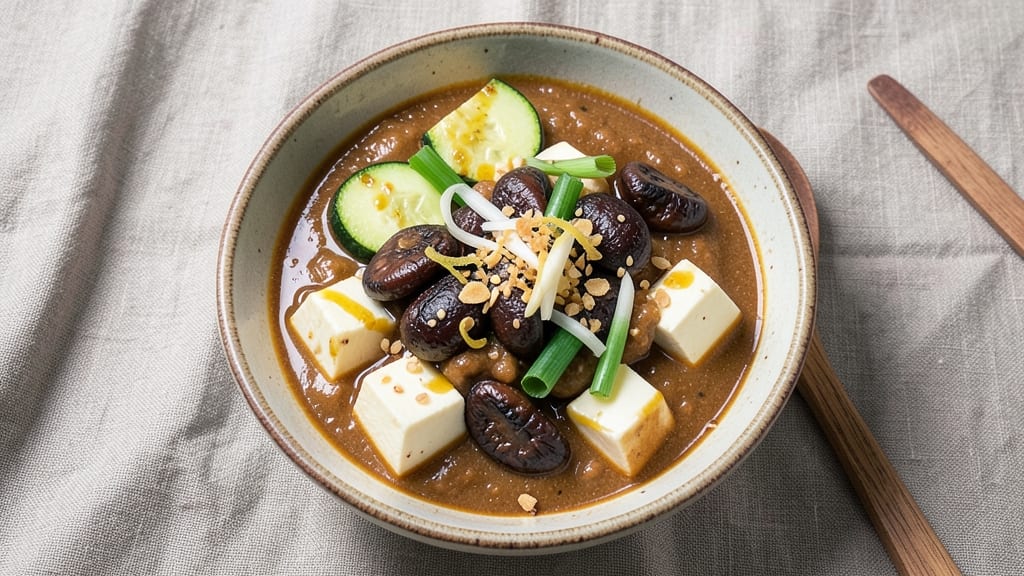
This Korean bean paste stew delivers restaurant-quality depth with every spoonful—umami-rich, silky, and packed with fermented flavor that transforms simple vegetables into a hearty meal. The secret lies in fermented soybean paste (doenjang), which develops complex, savory notes when simmered with vegetables and tofu.
I’ve refined this recipe to balance authenticity with approachability, ensuring the perfect harmony of earthy, tangy, and slightly sweet flavors.
The beauty of this dish is its versatility—traditionally made with vegetables like zucchini and mushrooms, it easily adapts to dietary preferences by swapping in tofu or omitting meat entirely.
The long simmering process (about 45 minutes) allows the bean paste to infuse every ingredient, creating a velvety stew that’s both comforting and deeply satisfying. Unlike quick weeknight meals, this recipe rewards patience with layers of flavor that build with each bite.
By the time you’re done, you’ll have a silky, aromatic stew with tender vegetables, melt-in-your-mouth tofu, and a glossy sauce that clings to every ingredient. The aroma alone—warm, earthy, and slightly smoky—will have everyone at the table asking for seconds.
Serve it over steamed rice to soak up every last drop of that rich, umami-packed broth.
Whether you’re cooking for a family dinner or meal prepping for the week, this stew delivers restaurant-quality results with minimal effort. The key is letting the flavors develop slowly, so don’t rush it—your taste buds will thank you. Here’s how to make it perfectly every time.
Ingredients for bean paste stew korean
Fermented soybean paste and umami-rich vegetables create this silky, aromatic Korean bean paste stew.
| Ingredient | Amount | Notes |
|---|---|---|
| Fermented Soybean Paste (Doenjang) 🍶 | ½ cup | Korean fermented soybean paste, not miso |
| Firm Tofu 🍫 | 1 lb | Extra-firm, pressed and cubed |
| Zucchini 🥒 | 2 medium | Sliced into half-moons |
| Shiitake Mushrooms 🍄 | 8 whole | Stems removed, sliced |
| Green Onions 🧅 | 4 whole | White and green parts separated |
| Garlic Cloves 🧄 | 6 cloves | Minced for depth |
| Fresh Ginger 🌿 | 1 inch | Thinly sliced, peeled |
| Sesame Oil 🫒 | 1 tbsp | Toasted sesame oil preferred |
| Korean Red Pepper Flakes (Gochugaru) 🌶️ | 1 tbsp | Adjust for heat preference |
| Soy Sauce 🍶 | 2 tbsp | Korean soy sauce preferred |
| Rice Vinegar 🍶 | 1 tbsp | For tangy brightness |
| Vegetable Broth 💧 | 3 cups | Low-sodium preferred |
| White Rice 🍚 | 2 cups | Uncooked, for serving |
| Toasted Sesame Seeds 🌾 | 1 tbsp | For garnish |
| Salt 🧂 | ½ tsp | Kosher or sea salt |
The doenjang is non-negotiable—this fermented soybean paste gives the stew its signature depth. Grab a Korean specialty store or well-stocked Asian market for authentic quality; the dark, chunky paste should smell earthy and funky, not bland. If you can't find doenjang, miso paste works in a pinch, but it won't have the same complexity. For the tofu, extra-firm is key—it holds up better during the long simmer. Press it for at least 30 minutes to remove excess water, then cube into even-sized pieces so they cook uniformly. The shiitake mushrooms should be plump and firm, not shriveled; Trader Joe's often carries good ones pre-packaged.
No doenjang? Double the miso paste plus 1 tsp soy sauce gets you close, but you'll miss that fermented funk. Short on shiitake mushrooms? Cremini or oyster mushrooms work beautifully—they're more accessible and still pack umami punch. The Korean red pepper flakes (gochugaru) are worth hunting down at an Asian market; regular cayenne won't give you that sweet, fruity heat. For the garlic and ginger, fresh is non-negotiable—dried powders just won't cut it here. The rice vinegar adds brightness, but if you've got apple cider vinegar, it's a fine swap. And trust me on the sesame oil—toast it in a dry pan first to deepen its nutty aroma before adding to the stew.
This stew tastes even better the next day as flavors meld—make a double batch and freeze half for lazy weeknights. Store leftovers in an airtight container for 4-5 days in the fridge, or freeze for up to 3 months. The tofu absorbs all the umami goodness, so reheat gently to keep it tender. For serving, steam the rice separately and let everyone build their bowls with the stew, tofu, and veggies. The sesame seeds add crunch—toast them fresh before sprinkling on top, or keep them whole for garnish. The aroma alone will have your kitchen smelling like a Korean restaurant for hours.
Why You'll Love This Recipe
- One-Pot Magic: I swear by this recipe when I’m too tired to wash a million dishes. Just toss the tofu, zucchini, and shiitakes into a pot with the doenjang, add water, and let it simmer—no extra pans, no stress. The mushrooms soften perfectly while the tofu soaks up that deep, savory broth.
- Umami Bomb: Honestly, the doenjang alone makes this stew. That rich, funky fermented flavor? It’s like a hug in a bowl—earthy, slightly sweet, and packed with depth. The zucchini adds a fresh bite, and the green onions finish it with a bright punch. Every spoonful tastes like you’ve been cooking all day.
- Potluck Hero: Between us, this is my go-to for gatherings. It’s hearty enough to feed a crowd but simple enough that I can prep it ahead and reheat it later. Bring it to a picnic, a potluck, or even a lazy Sunday—it’s always a hit, and no one questions the leftovers.
- Budget-Friendly Powerhouse: I make this at least twice a month because it’s cheap, filling, and never boring. Doenjang is affordable, tofu stretches far, and seasonal veggies keep it fresh. Plus, it tastes even better the next day—so I end up with extra portions for my lunchbox without breaking the bank.
Step-by-step instructions for Korean bean paste stew
Here's how to create a rich, umami-packed stew where doenjang's deep flavor shines alongside silky tofu and earthy mushrooms.
Prepare the Aromatic Base
Heat the 1 tablespoon sesame oil in a large pot over medium heat. Add the 6 cloves minced garlic and 1 inch thinly sliced ginger, cooking for 1 minute until fragrant—you'll smell that bright, zesty aroma that forms the stew's foundation.
Next, add the 1 tablespoon Korean red pepper flakes (gochugaru) and stir for 30 seconds until the flakes darken slightly. This step develops the stew's signature warmth. Immediately add the 0.5 cup fermented soybean paste (doenjang) and stir vigorously for 2 minutes to dissolve completely into the oil. The paste will darken and release its complex, savory aroma—this is where the magic begins.
Build the Stew's Heart
Pour in the 3 cups vegetable broth and bring to a gentle simmer over medium-low heat. Add the 1 lb cubed firm tofu and 8 sliced shiitake mushrooms, stirring gently to coat everything in the doenjang-infused liquid. Let it simmer uncovered for 8 minutes until the tofu begins to soften and the mushrooms release their moisture.
Here's where the stew starts transforming—you'll see the liquid darken and thicken slightly as the flavors meld. If it looks too thin, reduce heat to low and let it simmer longer. The key is patience; rushing will make the stew taste flat and one-dimensional.
Incorporate Vegetables and Season
Add the 2 medium zucchini sliced into half-moons and white parts of 4 green onions, stirring gently to distribute. Cook for 5 minutes until the zucchini softens but still holds its shape—you want tender-crisp texture, not mush. Season with 2 tablespoons soy sauce and 1 tablespoon rice vinegar, stirring well to balance the richness with bright acidity.
Taste and adjust seasoning with the 0.5 teaspoon salt—this stew should sing with umami, not just saltiness. The rice vinegar adds that essential tang that cuts through the richness, while the soy sauce deepens the savory profile. Let it simmer for another 3 minutes to let all flavors fully integrate.
Finish and Serve
Remove from heat and let the stew rest for 5 minutes. This resting period allows the flavors to settle and the liquid to thicken slightly. Stir in the green onion tops and 1 tablespoon toasted sesame seeds, reserving some seeds for garnish. The sesame adds nutty depth and visual contrast against the dark stew.
Serve immediately over 2 cups cooked white rice, spooning the stew generously over each portion. Garnish with additional sesame seeds and a drizzle of sesame oil if desired. The contrast of silky tofu, chewy mushrooms, and tender zucchini against the rice creates the perfect textural experience with every bite.
Pro Tips For Making Bean Paste Stew Korean
- STIR FIRST, THEN ADD: Bloom that doenjang in 1-2 tablespoons of oil for 30 seconds before adding water—it deepens the flavor instead of just dissolving into the broth. I used to skip this, and the stew always tasted flat until I realized the paste needed a chance to sing.
- CUT TOFU IN HALF: Slice firm tofu into ½-inch cubes, then cut each cube diagonally—this gives you more surface area for browning without turning to mush. I learned this after my tofu just sat there looking sad in the stew.
- SAVE THE MUSHROOM SOAK: Use the salty water from rehydrating dried shiitake mushrooms to season your broth—it adds umami without extra salt. Sounds weird, but it works: that first soak is packed with flavor, not just water.
- COOK ZUCCHINI LAST: Add zucchini only in the final 5 minutes—it stays crisp and vibrant instead of turning into a sad, mushy blob. I was skeptical until I tried it, and now I never cook it any other way.
Serving suggestions for this dish
Rice Pairing Essentials
Steamed short-grain white rice is the classic pairing—its sticky texture soaks up the stew’s rich sauce perfectly. I recommend 2 cups uncooked rice per serving, steamed until just tender (about 15 minutes).
For extra flavor, add ½ teaspoon toasted sesame oil to the steaming water. The contrast of silky rice and velvety stew is what makes this dish so satisfying. 🍚
Side Dish Harmony
Add kimchi for a tangy crunch—its bright acidity balances the stew’s depth. I like ½ cup store-bought or homemade kimchi, warmed slightly to soften. Another great option is steamed spinach with 1 clove minced garlic and a pinch of salt—it adds freshness without overpowering.
For a heartier bite, serve with pickled radish or cucumber salad to cut through the richness.
Garnish Like a Pro
Fresh green onion tops and toasted sesame seeds elevate both flavor and presentation. Toast the seeds in a dry pan over low heat for 1 minute until fragrant, then sprinkle generously. A drizzle of toasted sesame oil adds another layer of nutty aroma.
For extra flair, add a few thinly sliced scallions or a pinch of Korean red pepper flakes for heat lovers. 🌿
Beverage Pairings
A crisp Korean barley tea (boricha) or green tea complements the stew’s umami without overpowering it. For something stronger, try a light soju cocktail—mix 1 oz soju with ½ oz rice vinegar and a splash of soda water.
Avoid heavy red wines; their tannins clash with the stew’s richness. A cold sparkling water with lemon also works beautifully to cleanse the palate between bites.
Make-Ahead Serving
This stew tastes even better the next day—flavors meld beautifully. Store leftovers in an airtight container in the fridge for up to 4 days. Reheat gently on the stovetop with 2 tbsp water to restore silky texture.
For meal prep, serve over pre-cooked rice** stored separately. The aroma alone will make your kitchen smell like a Korean restaurant! 🏡
Nutrition facts
Frequently asked questions
What's the difference between doenjang and miso paste?
Doenjang is a Korean fermented soybean paste with a funkier, deeper flavor and chunkier texture than Japanese miso. It has a more complex, slightly sweet and earthy taste with a hint of saltiness. While miso can work in a pinch (double the amount), doenjang's unique fermentation gives this stew its signature umami depth that miso simply can't replicate.
Can I make this stew without tofu?
Swap the tofu for 1 lb firm white fish (like cod or halibut) or 1 lb extra-firm chickpeas for a meat-free option. If using fish, add it during the last 5 minutes of cooking to prevent overcooking. For chickpeas, simmer them for 10 minutes until tender. The key is maintaining that silky texture contrast in the stew.
Why does my stew taste bitter?
Bitter flavors usually come from overcooking the doenjang or using too much red pepper flakes. Reduce heat to low after adding vegetables, and never let the stew boil vigorously. For balance, add 1 tsp rice vinegar or a pinch of sugar to counteract bitterness. Also ensure your doenjang is fresh—old paste can develop harsh flavors.
How can I make this stew spicier?
Start with the 1 tbsp gochugaru as written, then adjust to taste. For extra heat, add ½ tsp Korean chili flakes or a few drops of gochujang (Korean chili paste) at the end. If you love heat, try 1 tsp finely chopped fresh chili (like Thai bird's eye) along with the garlic. Always taste before serving!
Can I use this stew as a soup base?
Yes! Thin the stew with 1-2 cups additional broth and serve it as a soup with extra toppings like soft-boiled eggs, sliced mushrooms, or crispy fried shallots. For a lighter version, strain out some vegetables and reduce the broth by half to create a clear, umami-rich broth perfect for noodles or dumplings.