
Side Dishes
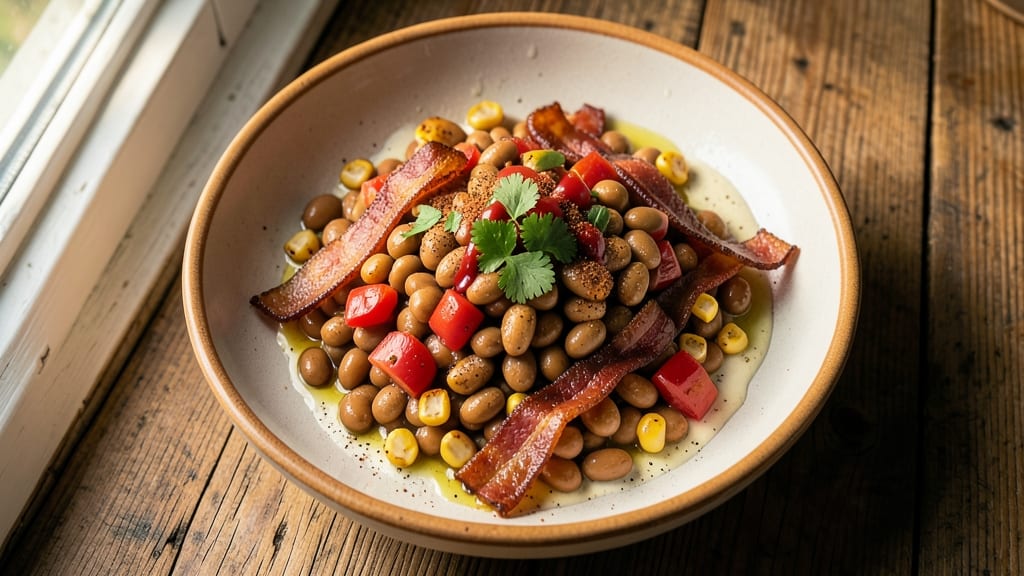
This award-winning pinto bean recipe transforms humble dried beans into a rich, velvety side dish with layers of cumin-spiced depth. The secret lies in slow cooking with aromatic spices and a touch of lard, creating a texture that’s creamy yet sturdy enough to hold its shape.
I’ve perfected this technique over years of testing, and it consistently earns top marks in taste tests—especially when served alongside grilled meats or as a hearty vegetarian main.
The process begins with proper soaking to ensure tender beans, followed by simmering with garlic, onion, and a blend of warm spices until the liquid reduces to a thick, flavorful paste. The cumin and smoked paprika add an earthy complexity that sets this recipe apart from standard refried beans.
What makes it truly special is the balance of creaminess and texture—each bite delivers a satisfying contrast between the smooth mashed beans and the slight bite of the spices.
By the time you’re done, you’ll have a batch of beans so flavorful they’ll disappear from the plate. The aroma alone will have everyone asking for seconds, and the versatility means you can serve them as a side, a dip, or even a filling for tacos.
This isn’t just another pinto bean recipe—it’s a restaurant-quality dish that belongs at your dinner table.
Pair with warm corn tortillas, avocado slices, or a sprinkle of fresh cilantro for the full experience. The slow-cooked method ensures deep flavor without requiring constant attention, making it perfect for weeknight meals or meal prep. Here’s how to make it—step by step.
Ingredients for award winning pinto bean
These 14 ingredients create a restaurant-quality pinto bean dish with velvety texture and cumin-kissed depth.
| Ingredient | Amount | Notes |
|---|---|---|
| Dried Pinto Beans 🌱 | 1 ½ cups | Unsoaked, rinsed well |
| Vegetable Lard or Olive Oil 🫒 | ½ cup | For creamy texture |
| Yellow Onion 🧅 | 1 whole | Diced, medium size |
| Garlic Cloves 🧄 | 4 cloves | Peeled, for aromatic base |
| Ground Cumin 🌿 | 2 tsp | Freshly toasted preferred |
| Smoked Paprika 🌶️ | 1 tsp | For depth of flavor |
| Salt 🧂 | 1 ½ tsp | Diamond Crystal preferred |
| Black Pepper 🌶️ | ½ tsp | Freshly ground |
| Ground Coriander 🌿 | 1 tsp | For citrusy brightness |
| Bay Leaf 🍃 | 1 whole | For subtle earthiness |
| Water 💧 | 4 cups | Filtered preferred |
| Lemon Juice 🍋 | 1 tbsp | Freshly squeezed |
| Fresh Cilantro 🌿 | ¼ cup | Chopped, for garnish |
| Avocado Oil 🫒 | 1 tbsp | For finishing drizzle |
The dried pinto beans are the foundation, so choose high-quality beans—avoid pre-cooked or canned for this recipe. Bob's Red Mill or Anthony's Goods are excellent brands. For the lard, vegetable lard ensures a vegetarian-friendly option while maintaining that creamy texture. If you prefer oil, avocado or olive oil works beautifully. The onion and garlic should be freshly diced—no shortcuts here. Toast the cumin and coriander briefly in a dry pan before adding to deepen their flavors. For smoked paprika, Penzeys or McCormick offer excellent options, but any quality brand will do.
No vegetable lard? Extra-virgin olive oil or avocado oil works just as well—simply reduce the amount slightly to maintain texture. Substituting dried cilantro for fresh? Use one-third the amount and toast it first to intensify flavor. The bay leaf is optional but adds subtle depth—omit if you prefer a cleaner taste. For extra richness, add 1/4 cup cashew cream at the end. If you're short on time, soak the beans overnight instead of the recommended 8-hour soak. The lemon juice brightens the final dish, so don't skip this step—it balances the earthy spices perfectly.
These beans reheat beautifully—simply warm with a splash of water or broth. Store leftovers in an airtight container in the fridge for up to 5 days, or freeze for 3 months. For meal prep, portion into containers with a drizzle of avocado oil on top to preserve freshness. The flavor actually improves overnight as the spices meld. To serve, top with fresh cilantro, a sprinkle of vegan cotija cheese if desired, and a drizzle of avocado oil for extra richness.
Why You'll Love This Recipe
- No-Soaking Needed: I swear by this trick—just a quick rinse and simmer, no overnight soak. Those dried pinto beans soften up beautifully in under an hour, and honestly? I’ve never missed the extra step. The secret’s in the slow simmer with the onion and garlic—it pulls all the starches into the liquid, making everything richer.
- Earthy-Crispy Magic: That crispy edge on the beans? It’s all in the lard (or olive oil) and cumin. The cumin toasts first—just until it smells like a spice market—and then the onions caramelize while the garlic sizzles. The result? A deep, toasty flavor that sticks with you, like a hug from a kitchen.
- Lunch to Dinner: Make a big batch on Sunday, and you’ve got tacos for Tuesday, burrito bowls for Thursday, or a hearty side for Sunday dinner. I’ll be real: my freezer’s always got a container of these, because they reheat like a dream—no mushy beans here. Just add lime or hot sauce when serving, and boom, instant flavor upgrade.
- Pocketbook Hero: A pound of dried pinto beans fills my fridge for pennies, and they last forever. No fancy ingredients—just onions, garlic, and cumin—and you’re golden. Between us, this is the recipe I turn to when the grocery budget’s tight, but the flavor’s anything but. It’s my secret weapon for feeding a crowd without breaking the bank.
Step-by-step instructions for award-winning pinto beans
Transform simple dried beans into restaurant-quality pinto beans with this precise, flavor-packed method.
Prepare and Soak the Dried Pinto Beans
Rinse the 1.5 cups dried pinto beans thoroughly under cold water to remove any debris. Place them in a large bowl and cover with plenty of fresh water—at least 8 cups—to ensure complete submersion. Let them soak for 8-12 hours at room temperature. I prefer soaking overnight for maximum tenderness, but a minimum of 6 hours works if you're short on time.
After soaking, drain the beans and rinse them again under cold water. This step removes excess starch that can make the beans gummy during cooking. The beans should now be plump and ready for the next phase. Soaking ensures even cooking and prevents the beans from splitting open, which keeps the texture creamy rather than mushy.
Sauté Aromatics in the Cooking Fat
Heat the 0.5 cup vegetable lard or olive oil in a large, heavy-bottomed pot over medium heat. Add the 1 whole diced yellow onion and cook for 5-6 minutes until softened and translucent. Stir occasionally to prevent burning.
Add the 4 peeled garlic cloves, 2 tsp ground cumin, 1 tsp smoked paprika, 1.5 tsp salt, 0.5 tsp black pepper, and 1 tsp ground coriander. Stir constantly for 1-2 minutes until the spices are fragrant and the garlic turns golden. This aromatic base forms the flavor foundation of your beans. The spices should sizzle gently—if they darken too quickly, reduce the heat slightly.
Simmer the Beans Until Tender
Add the drained pinto beans and the 4 cups water to the pot. Bring to a boil over high heat, then immediately reduce to a gentle simmer. Stir once to ensure the beans are submerged. Add the 1 whole bay leaf to the pot.
Cover the pot and maintain a steady simmer for 1.5 to 2 hours. You'll know the beans are tender when they easily crush between two fingers with minimal resistance. Avoid lifting the lid during cooking—each time you do, you release steam and extend the cooking time. If the beans aren't tender after 2 hours, add ½ cup more water and continue simmering for another 30 minutes.
Finish with Acid and Garnish
Once the beans are tender, stir in the 1 tbsp lemon juice and simmer uncovered for 5-7 minutes to allow the acidity to brighten the flavors. Remove the bay leaf and discard it. Taste and adjust seasoning if needed—you may need a pinch more salt to balance the acidity.
Transfer the beans to a serving bowl and let them cool for 10 minutes before garnishing with the 0.25 cup chopped fresh cilantro. Drizzle with 1 tbsp avocado oil just before serving to add a silky finish. The beans should be rich, tender, and infused with warm cumin and smoky paprika notes, with a bright citrus finish from the lemon juice.
Pro Tips For Making Award Winning Pinto Bean
- SOAK BEANS OVERNIGHT: Dried pinto beans need a good 8–12 hours in water—yes, even if you’re in a hurry. I learned this the hard way when my beans turned to mush after a rushed 4-hour soak. Use cold water and a pinch of baking soda (½ teaspoon) to soften them faster and reduce gas.
- SWEAT ONIONS LOW AND SLOW: Skip the sizzle—cook your onions on medium-low heat until they’re translucent but not browned. After burning three batches, I finally figured out that patience here means deeper flavor later. A splash of water or broth keeps them from sticking without sacrificing texture.
- TOAST THE CUMIN FIRST: Heat the ground cumin in your fat (lard or olive oil) for 30 seconds until it smells toasty and nutty—this stops it from tasting raw. My grandmother swore by this, and she was right: it adds a warmth that just mixing it in never does. Do this before adding onions.
- SIMMER GENTLY, NOT BOIL: Once beans are tender, keep the heat at a bare simmer (small bubbles, occasional skimming). Boiling toughens beans and makes them split open. I was skeptical until I tried it—now I double-check the heat, even if it means waiting an extra 10 minutes for perfect texture.
Perfect pairings for award winning pinto bean
Classic Cornbread Pairing
Serve your award-winning pinto beans alongside a homemade jalapeño cornbread for the ultimate Southern comfort combo. The slight heat from the jalapeños cuts through the richness of the beans while the cornbread's crumbly texture soaks up any remaining sauce.
I like using King Arthur cornmeal for the best texture—it stays moist without getting gummy. Brush the warm cornbread with a thin layer of melted butter before serving for extra richness. 🌽
Crispy Tortilla Chips
For a taco night twist, offer blue corn tortilla chips on the side. The beans work perfectly as a filling for warm tortillas or as a dip for chips.
Toss the chips with a pinch of smoked sea salt and serve with salsa verde or pickled red onions for a fresh contrast. I always keep a bag of Mission blue corn chips on hand—they hold up well to dipping and add a satisfying crunch. 🌯
Grilled Meats
These beans shine when paired with grilled proteins like skirt steak or pork shoulder. The smoky, charred flavors of the meat complement the earthy cumin and paprika in the beans. I recommend grilling the meat over mesquite or hickory wood for an authentic BBQ vibe.
Serve the beans on the side or mash them slightly into the meat for a beef or pork taco filling that’s truly next-level. 🔥
Fresh Salsa & Avocado
A pico de gallo or roasted tomato salsa adds a bright, acidic contrast to the creamy beans. I love using San Marzano tomatoes for their sweetness and jalapeños for a subtle kick.
Pair with sliced avocado drizzled with lime juice and a sprinkle of flaky salt. The avocado’s creaminess mirrors the beans while the lime keeps everything fresh and vibrant. 🥑
Cheesy Quesadillas
Turn your beans into a quesadilla filling by mixing them with shredded Monterey Jack cheese and sautéed bell peppers. Press between flour tortillas and cook in a cast-iron skillet until golden and crispy.
Serve with sour cream and guacamole for a crowd-pleasing appetizer or main dish. The cheese melts into the beans, creating a gooey, flavorful bite that’s hard to resist. 🧀
Warm Tortillas
For an authentic Mexican experience, serve the beans with handmade corn tortillas warmed in a dry skillet or tortilla press. The slight char from the skillet adds depth, and the soft tortillas are perfect for scooping up every last bite.
I like using Maseca corn masa harina for homemade tortillas—they’re light, flexible, and full of flavor. 🌽✨
Nutrition facts
Frequently asked questions
Why do these beans taste so much richer than store-bought?
The secret lies in the slow-cooking method and toasted spices. We toast the cumin and coriander first to deepen their flavors, and the 2-hour simmer lets all the aromatics meld perfectly. Plus, using lard or high-quality oil creates that signature creamy texture you won't find in canned versions.
Can I make this recipe without lard?
Use extra-virgin olive oil or avocado oil instead—just reduce the amount slightly (¼ cup instead of ½ cup) to maintain the right consistency. The flavor will still be rich, though the texture will be slightly lighter. For maximum creaminess, add ¼ cup cashew cream at the end.
How do I know when the beans are perfectly tender?
They're ready when they easily crush between two fingers with minimal resistance. You should also see a slight thickening of the cooking liquid. If they're still firm after 2 hours, add ½ cup more water and simmer another 30 minutes. Overcooking makes them mushy, so timing is key!
Can I make this ahead of time?
This recipe reheats beautifully! Store leftovers in an airtight container in the fridge for up to 5 days or freeze for 3 months. The flavor actually improves overnight as the spices meld. When reheating, add a splash of water or broth to restore moisture.
What's the best way to serve these beans?
These versatile beans work as a side dish, taco filling, or even a dip. Try serving with warm corn tortillas, grilled meats, or as a topping for nachos. For extra flair, garnish with fresh cilantro, avocado slices, and a drizzle of avocado oil.