
Sauces & Condiments
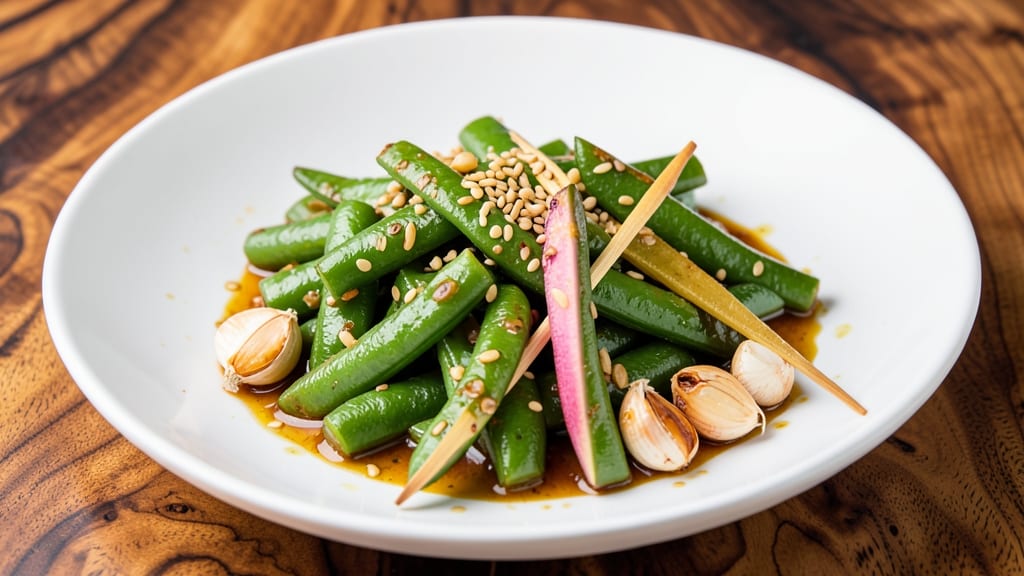
Recreating Pf Chang's green bean sauce at home delivers that signature umami depth and vibrant texture you crave in every bite. This sauce transforms simple ingredients—soy sauce, garlic, ginger, and green beans—into a restaurant-quality condiment that elevates everything from spring rolls to noodles.
I’ve perfected the balance of tangy, nutty, and slightly sweet flavors that make this sauce irresistible.
The secret lies in simmering the sauce just long enough to develop those complex flavors without overcooking the green beans, which should remain tender-crisp. A splash of sesame oil adds richness, while a touch of chili (if you prefer heat) brings a subtle kick.
The result is a smooth, velvety sauce that clings perfectly to any dish, making it a versatile staple for Asian-inspired meals.
What makes this recipe stand out is its adaptability—use it as a dipping sauce, stir it into stir-fries, or drizzle it over rice bowls for instant restaurant-quality flavor.
The sauce keeps well in the fridge for up to a week, so you can make a batch ahead and enjoy it all week long. This is the kind of sauce that turns ordinary meals into something extraordinary.
Whether you’re hosting a dinner party or simply craving takeout flavors at home, this green bean sauce will become your new go-to. Let’s get cooking—your taste buds will thank you!
Ingredients for pf chang's green bean sauce
Pantry staples plus a handful of fresh ingredients. That's all it takes for restaurant-quality sauce.
| Ingredient | Amount | Notes |
|---|---|---|
| Green Beans 🥦 | 1 ½ cups | Trimmed, tender-crisp |
| Light Soy Sauce 🍶 | ½ cup | Kikkoman preferred |
| Dark Soy Sauce 🍶 | 1 tbsp | For umami depth |
| Fresh Ginger 🧄 | 1 tbsp | Finely grated, fresh |
| Garlic Cloves 🧄 | 3 cloves | Minced, fresh |
| Sesame Oil 🫒 | 1 tbsp | Toasted, for richness |
| Brown Sugar 🍯 | 1 tbsp | Light, granulated |
| Red Chili Flakes 🌶️ | ½ tsp | Optional, for heat |
| Water 💧 | ½ cup | Room temperature |
| Cornstarch 🌾 | 1 tsp | For thickening |
The green beans are non-negotiable—fresh or frozen work best, but skip the canned kind (they’re mushy). Look for bright green, crisp beans at the grocery store, or grab the frozen ones at Trader Joe’s for convenience. The soy sauces? Kikkoman light and dark are my go-tos, but any good-quality brands will do. Fresh ginger and garlic make all the difference—no substitutions here. Toast your sesame oil in a dry pan for 30 seconds before adding it to the sauce for extra depth (trust me on this).
No dark soy sauce? Substitute with an extra tablespoon of light soy sauce plus a teaspoon of molasses for that caramelized flavor. Running low on cornstarch? Arrowroot powder works 1:1. Want to skip the chili flakes? A pinch of Sichuan peppercorns adds a numbing kick instead. The brown sugar can be swapped for honey or maple syrup, but it’s worth having on hand for that perfect balance of sweet and savory. For a nutty twist, stir in 1 teaspoon of sesame seeds at the end.
This sauce reheats beautifully—just warm it gently on the stove with a splash of water. Keeps 5-7 days in the fridge, sealed tightly. Freezes for 3 months if you want to make a big batch. I always double the recipe and freeze half—nothing beats pulling out a jar of pre-made sauce for a last-minute dinner. Store it in a clean, airtight container to keep those flavors locked in.
Why You'll Love This Recipe
- No-Fuss Sauce Magic: I love that this sauce comes together in just one pot—no fancy prep, no weird ingredients. You blanch the green beans while the soy and ginger simmer, and boom, you’re done. The only chopping is mincing garlic and grating ginger, and honestly? My kids can handle that.
- Umami Bomb: That combo of light and dark soy sauce with fresh ginger and garlic? It’s like a flavor hug for your taste buds. The brown sugar and sesame oil tie it all together—sweet, savory, nutty—without being cloying. Trust me, the first bite will make you forget store-bought sauces exist.
- Dips, Toppings, Everything: This isn’t just for green beans—slather it on dumplings, noodles, or even grilled chicken. My friend uses it as a marinade for pork, and it’s chef’s kiss. It’s the kind of sauce that turns a simple meal into a restaurant-worthy dish, no fuss.
- Budget-Friendly Leftovers: You’re using pantry staples (and green beans are cheap!), and it makes enough to freeze half for later. I’ll be real: I’ve made this three times in a week, and it’s still my go-to for weeknight dinners. Five dollars’ worth of ingredients? That’s a win.
Step-by-step instructions for Pf Chang's green bean sauce
Here's the method that delivers that signature umami-packed flavor you love.
Blanch and Prep the Green Beans
Trim the ends from the 1.5 cups green beans and cut them into 2-inch pieces. In a medium pot, bring 4 cups of water to a rolling boil—yes, more than what's in the recipe. Add the green beans and cook for exactly 2 minutes until they turn bright green and are tender-crisp. Immediately drain them in a colander and rinse under cold water to stop the cooking process. This quick blanching preserves their vibrant color and crisp texture while preparing them for the sauce.
Here's the thing—don't overcook them. You want them to stay bright and slightly crisp, not mushy. Once drained, transfer the green beans to a cutting board and let them cool slightly while you prepare the sauce base. I like to pat them dry with a paper towel to help the sauce cling better later.
Build the Flavor Base
In a small saucepan, combine the 0.5 cup light soy sauce, 1 tbsp dark soy sauce, 1 tbsp finely grated fresh ginger, and 3 cloves minced garlic cloves. Bring this mixture to a gentle simmer over medium heat, stirring constantly for 2 minutes. You'll notice the aroma filling your kitchen—that's the umami bomb starting to form.
While it simmers, add the 1 tbsp brown sugar and 0.5 tsp red chili flakes. Stir until the sugar dissolves completely and the chili flakes are evenly distributed. This is where the sweet and spicy notes come together to create the signature balance. Keep the heat at medium-low to prevent the garlic from burning—burnt garlic ruins everything.
Thicken and Finish the Sauce
In a small bowl, whisk together the 1 tsp cornstarch with the 0.5 cup room temperature water until completely dissolved. This slurry is your thickening agent. Once the soy-ginger-garlic mixture is simmering gently, slowly pour in the cornstarch slurry while whisking constantly. You'll see the sauce begin to thicken almost immediately.
Simmer for an additional 2 minutes until the sauce reaches a glossy, slightly thick consistency—it should coat the back of a spoon but still be pourable. Remove from heat and stir in the 1 tbsp toasted sesame oil. The oil will add that rich, nutty depth that makes this sauce so special. Give it one final taste and adjust seasoning if needed—maybe a pinch more salt or a touch more sugar to balance the flavors.
Combine and Serve
Add the blanched green beans to the saucepan with the finished sauce. Gently toss everything together until the green beans are fully coated in that glossy, umami-packed sauce. Let the mixture sit for 1 minute to allow the flavors to meld completely. The sauce should cling beautifully to each green bean, creating that perfect balance of crisp texture and rich flavor.
Serve immediately while the sauce is still warm and vibrant. This sauce is best enjoyed fresh—it won't keep well if stored for long periods. Pair it with your favorite dipping dishes or use it as a flavorful topping for noodles and rice bowls. The combination of sweet, savory, spicy, and umami will have everyone reaching for seconds!
Pro Tips For Making Pf Chang'S Green Bean Sauce
- Time the Blanching: That 2-minute boil for the green beans is non-negotiable—set a timer or watch the clock. I learned this the hard way: even 30 seconds extra turns them mushy, and nobody wants sad, limp green beans in their sauce. Rinse them immediately in cold water to stop cooking, or they’ll keep softening while you work.
- Grate Ginger Fine: The recipe says "finely grated," but I used to be lazy and just chop it. Big mistake—the sauce tastes patchy. Use a microplane or the smallest holes on a box grater so it dissolves smoothly into the soy sauce. You want it to disappear, not sit as chunks.
- Whisk the Cornstarch Slowly: Pouring that cornstarch slurry too fast creates lumps, and nobody wants gluey sauce. Dribble it in while whisking constantly—like you’re stirring your coffee, but with more focus. If it thickens too fast, add a splash of water to loosen it back up.
- Toast Sesame Oil First: Skip the raw sesame oil—heat it in the saucepan for 10 seconds off the heat before mixing. That toasted aroma makes a real difference. (Yes, even if you’re impatient like me.) The oil should smell nutty, not flat, when you stir it in.
Flavor customization for this dish
Sweet and Spicy Twist
Add 1 tsp honey or 1 tsp agave syrup to the brown sugar during the simmering stage for a caramelized sweetness that balances the savory flavors. For extra heat, increase the red chili flakes to 1 tsp—or swap them for ½ tsp cayenne pepper for a smoother kick.
This version keeps the sauce vibrant and slightly fruity, perfect for dipping spring rolls or noodles. 🌶️
Nutty Sesame Upgrade
Stir in 1 tbsp toasted sesame seeds at the very end for a satisfying crunch and deeper nutty flavor. For an even richer texture, blend ¼ cup roasted peanuts into a fine powder and mix them into the sauce before serving.
This adds protein and a subtle earthiness that elevates every bite.
Garlic-Free Option
Skip the garlic entirely if you’re sensitive to its flavor, but don’t skip the depth! Replace 3 minced garlic cloves with 1 tbsp grated onion or 1 tsp onion powder for a milder, still aromatic base. The onion adds sweetness and body without overpowering the sauce.
Umami Bomb Boost
For an extra umami punch, add 1 tsp fish sauce (like Red Boat) or ½ tsp msg during the simmering phase. This enhances the savory notes without changing the texture.
I also love adding 1 tsp soy sauce reduction (like Lee Kum Kee) for a concentrated depth of flavor.
Creamy Texture Variation
For a velvety finish, whisk in 2 tbsp silken tofu purée or 1 tbsp coconut milk at the end. This creates a luscious, almost satay-like consistency while keeping the sauce light. It’s perfect for drizzling over rice or noodles for extra richness. 💫
Seasonal Herb Infusion
Finish with fresh herbs like 1 tbsp chopped cilantro or 1 tsp minced Thai basil for a bright, aromatic contrast. For a citrusy twist, add 1 tsp lime zest or 1 tbsp lime juice at the end. These herbs brighten the sauce and make it feel fresh, especially in summer.
Nutrition facts
Frequently asked questions
Why do I need to blanch the green beans before adding them to the sauce?
Blanching preserves the tender-crisp texture of the green beans while brightening their color. This quick 2-minute boil stops the cooking process when you add them to the sauce, ensuring they stay vibrant and crisp—not mushy. It also helps the sauce cling better to the beans later!
Can I make this sauce without fresh ginger or garlic?
Fresh ginger and garlic are key for authentic flavor, but you can substitute! For ginger, use 1 tbsp ground ginger, and for garlic, try 1 tbsp grated onion or 1 tsp onion powder. The sauce will still taste delicious, just with a slightly milder profile.
How do I adjust the sweetness or spice level?
For extra sweetness, add ½ tsp honey or ½ tsp agave during simmering. To boost heat, increase the red chili flakes to 1 tsp or swap for ½ tsp cayenne pepper. Taste as you go—balance is everything!
Can I use this sauce as a marinade for proteins?
After cooking the sauce, let it cool slightly, then marinate chicken, shrimp, or tofu in it for 30 minutes to 2 hours. The umami and sweetness will infuse beautifully. Just don’t over-marinate—1 hour max to avoid mushiness.
What’s the best way to reheat leftover sauce?
Gently warm the sauce on the stove over low heat with a splash of water to prevent burning. Stir constantly until hot—this restores its glossy texture. Avoid microwaving, as it can make the sauce grainy.