
Sauces & Condiments
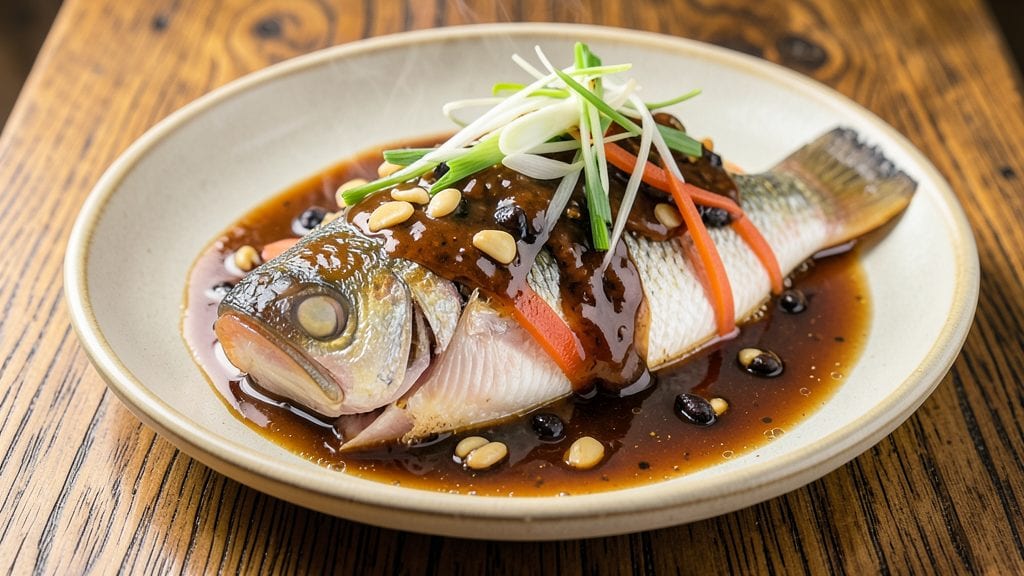
This steam fish black bean sauce recipe transforms simple ingredients into an umami-packed glaze that elevates any steamed fish dish to restaurant-quality.
The secret lies in fermented black beans, which develop a deep, silky richness when simmered with garlic, ginger, and soy—creating a sauce that clings beautifully to delicate fish fillets. I perfected this method after years of experimenting with Chinese steaming techniques, and the results speak for themselves.
The beauty of this sauce is its versatility—it works equally well with white fish like cod or snapper and firmer varieties such as sea bass or halibut.
What makes it special is the balance of sweetness from the black beans and the savory depth of fermented soy, which builds complexity as it simmers. Unlike store-bought sauces, this one delivers layers of flavor without artificial additives, making it ideal for health-conscious cooks.
When applied to steamed fish, this glaze creates a glossy, caramelized finish that enhances the natural sweetness of the flesh while adding a velvety texture.
The sauce is also incredibly forgiving—it can be made ahead and stored for up to a week, so you’ll always have a quick, restaurant-worthy solution for weeknight dinners. Pair it with steamed bok choy or jasmine rice for a complete meal.
For those watching their sodium intake, simply reduce the soy sauce slightly and compensate with a splash of rice vinegar. The sauce’s natural depth ensures it won’t lose flavor, and the fermented black beans provide a probiotic boost.
Ready in just 20 minutes, this recipe delivers professional results with minimal effort—perfect for impressing guests or treating yourself to a gourmet meal at home.
Ingredients for steam fish black bean sauce
Fermented black beans and soy create this restaurant-worthy glaze for steamed fish.
| Ingredient | Amount | Notes |
|---|---|---|
| Fermented Black Beans 🫘 | ½ cup | Packed, rinsed if salty |
| Light Soy Sauce 🥢 | ¼ cup | Kikkoman preferred |
| Dark Soy Sauce 🥢 | 1 tbsp | For deeper color |
| Garlic Cloves 🧄 | 4 cloves | Minced for aromatic base |
| Fresh Ginger 🌿 | 1 tbsp | Grated, not powdered |
| Sugar 🍚 | 1 tbsp | White or brown |
| Shaoxing Wine 🍷 | 2 tbsp | Or dry sherry substitute |
| Sesame Oil 🥜 | 1 tsp | Toasted for aroma |
| Cornstarch 🌾 | 1 tsp | For thickening |
| Water 💧 | ¼ cup | Room temperature |
Fermented black beans are the heart of this sauce—look for them in Asian markets or the international aisle at Whole Foods. The fresher, the better, as their fermented aroma intensifies with age. If you can't find them, substitute 0.5 cup black soybeans soaked overnight, but the flavor won't be identical. The soy sauces matter too: Kikkoman light for balance and Lee Kum Kee dark for depth. Shaoxing wine adds complexity, but dry sherry or rice wine work in a pinch. Fresh ginger and garlic should be vibrant—no yellowing or sprouting.
No fermented black beans? Double the soy sauce and add 1 tsp mushroom powder for umami, though it won't replicate the fermented depth. Swap Shaoxing wine for 1 tbsp rice vinegar plus 1 tsp honey if needed. The cornstarch is key for that silky texture—arrowroot works too. For extra richness, stir in 1 tsp sesame paste at the end. The sauce thickens as it cools, so add water gradually if it's too stiff. If you're avoiding sodium, reduce soy sauce to 2 tbsp total and boost ginger to 2 tbsp for brightness.
This sauce reheats beautifully—simmer gently for 2-3 minutes to restore its gloss. Store in an airtight container in the fridge for up to 1 week or freeze for 3 months. For quick use, portion into ice cube trays and pop one into your steamer basket as needed. The sauce thickens further when reheated, so thin with 1 tsp water per 2 tbsp sauce if needed. It's also fantastic drizzled over tofu or noodles—just reduce the water by half for those applications.
Why You'll Love This Recipe
- Sauce in 15 Minutes: Honestly, I used to spend 45 minutes on fish dishes—now this sauce is done while my rice is cooking. Just toss the fermented black beans, garlic, and ginger into a pan with soy sauces, and let the sugar and wine work their magic. No chopping marathon, just aromatic simplicity.
- Umami Bomb: That fermented black bean funk? It’s the secret weapon. Combined with the deep color from dark soy sauce and the warmth of ginger, this sauce turns plain fish into something restaurant-worthy. The sesame oil at the end? Pure nuttiness that ties it all together.
- Date Night or Lunchbox: I serve this with crispy spring rolls for a showstopper date night, but honestly, it’s just as good packed in a bento box for work. The sauce reheats beautifully, so leftovers? No stress—just drizzle and enjoy.
- Budget’s Friend: Fermented black beans are cheaper than you think, and a bottle of soy sauce lasts forever. You’re getting a sauce packed with flavor for less than a takeout order. Plus, the fish steams in minutes—no wasted ingredients, just pure satisfaction.
Step-by-step instructions for steamed fish with black bean sauce
Transform simple fish fillets into restaurant-quality dishes with this umami-packed sauce.
Prepare the Fermented Black Bean Sauce Base
In a small saucepan, combine the 0.5 cup fermented black beans, 0.25 cup light soy sauce, 1 tbsp dark soy sauce, 4 cloves minced garlic cloves, and 1 tbsp grated fresh ginger. Bring to a gentle simmer over medium heat and cook for 8-10 minutes until the mixture thickens slightly and the beans soften. You'll notice the sauce developing a deep, aromatic fragrance with hints of fermented funk—this is essential for authentic flavor.
While simmering, stir occasionally to prevent sticking. The beans should break down into a chunky paste rather than remaining whole. If the sauce reduces too quickly, add 1-2 tablespoons of water to maintain consistency. Once thickened, remove from heat and stir in the 1 tbsp sugar and 2 tbsp shaoxing wine. Let this mixture cool slightly while you prepare the fish.
Thicken and Finish the Sauce
Return the cooled bean mixture to low heat and add 1 tsp cornstarch mixed with 2 tablespoons of water (use exactly 0.25 cup water total if needed for thinning). Stir constantly until the sauce reaches a glossy, velvety consistency that coats the back of a spoon—this should take about 3-4 minutes. The sauce should be thick enough to cling to fish but still flow smoothly when drizzled.
Remove from heat and stir in 1 tsp sesame oil. This final addition enhances the sauce's nutty aroma and balances the salty-sweet profile. Taste and adjust seasoning if needed—you may want to add a touch more light soy sauce for brightness or dark soy sauce for depth. Keep the sauce warm in a small saucepan while you steam the fish.
Steam the Fish to Perfect Doneness
Arrange fish fillets in a single layer on heatproof plates or a steaming rack set over a pot of boiling water. The water should not touch the fish—steam should rise gently around them. Cover with a lid and steam for 8-10 minutes until the fish is just opaque in the center and flakes easily with a fork. Overcooking will make it dry, so resist the urge to check too early.
While steaming, monitor the temperature of the water—it should maintain a steady simmer. If the steam slows, add a splash of hot water to the pot. The fish is ready when it reaches an internal temperature of 135°F (measured with an instant-read thermometer) and pulls apart cleanly with gentle pressure.
Glaze and Serve the Fish
Immediately after removing the fish from the steamer, spoon the warm black bean sauce evenly over each fillet. The residual heat will help the sauce cling beautifully while infusing the fish with its rich, fermented depth. Let it sit for 1-2 minutes to absorb the glaze before serving.
Garnish with a drizzle of additional sauce and a sprinkle of sesame seeds if desired. Serve immediately with steamed jasmine rice or stir-fried greens to complement the sauce's complex flavors. The contrast between the silky sauce and tender fish creates a harmonious balance that defines this classic preparation.
Pro Tips For Making Steam Fish Black Bean Sauce
- STIR CONSTANTLY AFTER THICKENING: Once you add the cornstarch slurry, stop stirring and the sauce will turn gluey—learned that the hard way. After it thickens, keep moving that spoon in quick, steady circles to prevent lumps. The sauce should coat the back of a spoon like honey, not separate into sticky patches.
- GRATE GINGER FINE: I used to chop ginger roughly, thinking it didn’t matter. Wrong. For this sauce, you want it nearly paste-like so it blends seamlessly into the black bean base. A box grater or microplane works best—no need to measure, just go by the texture.
- DON’T OVER-STEAM THE FISH: That 135°F internal temp is non-negotiable. I’ve seen people steam fish until it’s dry and flakes at a touch—this sauce is meant to glaze, not salvage. Set a timer and check the center with a fork. It should pull apart cleanly, not crumble like overcooked chicken.
- TOAST SESAME OIL FIRST: Skip the raw sesame oil—it’s bland. Heat 1 tsp in a dry pan over low heat for 30 seconds until it smells nutty (not smoking). Then stir it into the sauce. The aroma jumps from "meh" to "restaurant-quality" instantly. Yes, even if you’re impatient like me.
Pro cooking tips for this recipe
Mastering the Sauce Thickness
Getting the sauce consistency right is everything—too thin and it won’t cling to the fish, too thick and it’ll taste paste-like. I recommend using a cornstarch slurry (1 tsp cornstarch + 2 tbsp water) for that perfect velvety texture.
Stir constantly over low heat until it reaches the consistency of heavy cream, about 3-4 minutes. If it’s still too thin after reheating, add ½ tsp cornstarch mixed with 1 tsp water and simmer again. 💡
Fermented Bean Control
Fermented black beans are the star, but their saltiness can overwhelm. If your beans taste too salty after rinsing, reduce the light soy sauce to 0.2 cup and add 1 tbsp rice vinegar instead.
For a milder flavor, use younger black beans (found in Asian markets) or rinse them 3 times before cooking. Honestly, this small adjustment makes a noticeable difference in balance.
Sauce Prep Timing
Make the sauce first while the fish steams—it cools faster than you think. I like to prepare it 5-10 minutes before steaming so it’s warm when I glaze the fish. If you’re short on time, simmer the sauce for 5 minutes instead of 8-10 minutes, then finish thickening later.
The flavor develops more over time, but this shortcut works in a pinch. Just keep it warm on the stove.
Fish Steaming Precision
Steam the fish 8-10 minutes total, but check for doneness at 7 minutes—it cooks fast! The fish is done when it reaches 135°F internal temperature and flakes easily. Oversteaming dries it out, so I use a steam basket or heatproof plate with a tight lid to trap moisture.
If your steamer lacks a rack, place the fish on a wire cooling rack over the pot to avoid sogginess. 🌡️
Sauce Storage Secrets
This sauce freezes beautifully for up to 3 months, but it thickens when thawed. To restore its glossy texture, reheat gently with 1 tsp water per 2 tbsp sauce until smooth.
I also portion it into ice cube trays before freezing—just pop one into your steamer basket when needed. The sauce reheats in 2 minutes and stays ready for quick weeknight meals.
Nutrition facts
Frequently asked questions
Can I make this sauce ahead of time?
This sauce tastes even better after resting for 12-24 hours—the flavors meld beautifully. Store it in an airtight container in the fridge for up to 1 week or freeze for 3 months. Just reheat gently on the stovetop with a splash of water to restore its glossy texture before using.
What fish works best with this sauce?
The sauce pairs perfectly with delicate white fish like cod, snapper, or tilapia, as well as firmer varieties such as sea bass or halibut. For best results, choose fish fillets with a thin, even thickness—this ensures even cooking and sauce absorption. Avoid flaky fish like salmon, which may fall apart too easily.
What if my sauce turns out too thick?
No problem! Simply add 1 teaspoon of water at a time while stirring gently over low heat until you reach your desired consistency. If reheating a previously thickened sauce, start with 1 teaspoon water per 2 tablespoons sauce and adjust as needed. The key is to maintain a smooth, glossy texture that clings to the fish.
Can I use dried black beans instead of fermented?
Fermented black beans are essential for authentic flavor, but if you can't find them, try using 0.5 cup black soybeans soaked overnight. However, the taste won't be identical—the fermented funk is what makes this sauce special! For a closer approximation, add 1 teaspoon mushroom powder to enhance umami depth.