
Soups & Stews
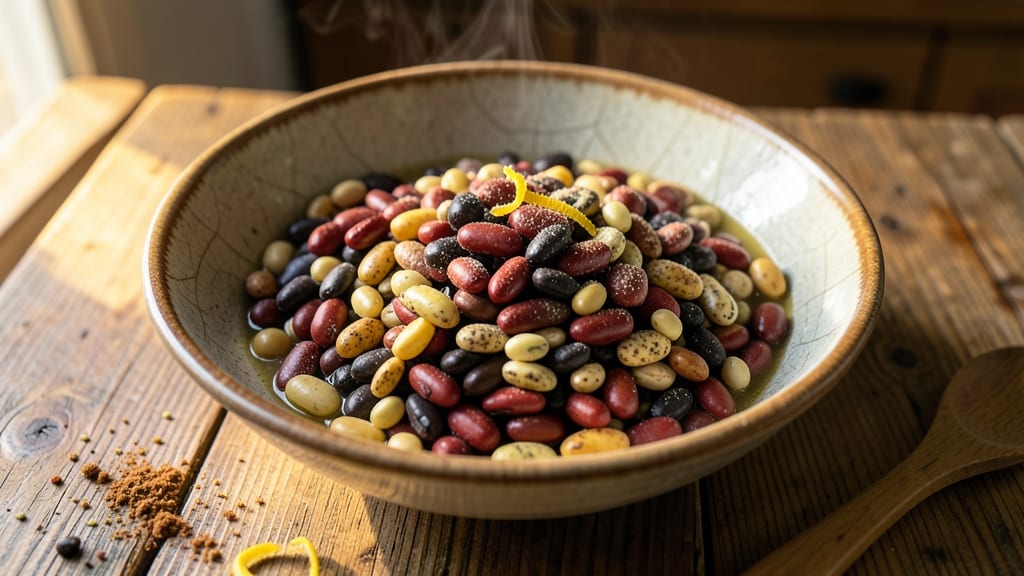
This 7 bean soup mix recipe transforms your pantry into a source of hearty, all-day comfort with just a few simple ingredients. ✨ The blend of seven different dried beans creates a robust, protein-rich base, while carefully measured spices ensure every pot of soup delivers deep, satisfying flavor.
Perfect for meal preppers or anyone who loves the slow-simmered richness of classic bean soup, this mix is designed to simplify your cooking while delivering restaurant-quality results.
The foundation of this mix is a precise combination of black beans, kidney beans, navy beans, pinto beans, great northern beans, lima beans, and small white beans, each contributing texture and nutritional benefits.
I’ve included garlic powder, onion powder, salt, black pepper, and bay leaves to build flavor directly into the mix, so you only need to add water and a few pantry staples to create a soup that’s rich, aromatic, and full of body.
The spices are measured in small, easy-to-use quantities—just 1 tablespoon of each spice per batch—so you can scale the recipe up or down without hassle.
What makes this mix truly versatile is its ability to adapt to any soup recipe you’re making.
Whether you’re simmering it for hours in a slow cooker or whipping up a quick version on the stove, the blend ensures every spoonful is packed with comforting, textured beans and balanced seasoning.
The mix stays fresh for up to 6 months when stored in an airtight container, making it an ideal pantry staple for busy weeks or cozy winter nights.
For extra depth, consider adding smoked paprika, cumin, or a pinch of cayenne to the mix before storing—these optional spices can transform your soup into a smoky, spiced variation that’s perfect for heartier meals. Once you’ve mastered this blend, you’ll never reach for canned beans again. Let’s get started!
Ingredients for 7 bean soup mix
Seven beans plus six spices—your pantry’s new secret weapon for cozy soup days.
| Ingredient | Amount | Notes |
|---|---|---|
| Dried Black Beans 🌱 | ½ cup | Rinse before using |
| Dried Kidney Beans 🌱 | ½ cup | Rinse before using |
| Dried Navy Beans 🌱 | ½ cup | Rinse before using |
| Dried Pinto Beans 🌱 | ½ cup | Rinse before using |
| Dried Great Northern Beans 🌱 | ½ cup | Rinse before using |
| Dried Lima Beans 🌱 | ½ cup | Rinse before using |
| Dried Small White Beans 🌱 | ½ cup | Rinse before using |
| Garlic Powder 🧄 | 1 tbsp | Freshly ground preferred |
| Onion Powder 🧅 | 1 tbsp | Freshly ground preferred |
| Sea Salt 🧂 | 1 tsp | Diamond Crystal preferred |
| Ground Black Pepper 🌶️ | ½ tsp | Freshly ground preferred |
| Dried Bay Leaves 🌿 | 2 whole | Crushed lightly for flavor |
The beans are the heart of this mix, so grab them from the bulk section if you can—Whole Foods or Sprouts have the best selection. Great Northern and Navy beans hold their shape beautifully, while kidney and pinto add texture and color. If you’re short on time, pre-soaked beans work, but overnight soaking cuts cooking time dramatically. Look for beans that are plump and free of debris—anything dusty or discolored should go in the trash. For extra convenience, Trader Joe’s sells pre-packaged dried beans in handy 16-ounce bags.
No garlic powder? Fresh garlic works too—just add 3 cloves to your soup later. Short on onion powder? Fresh onion or onion flakes at half the amount do the trick. The bay leaves can be skipped if you’re sensitive to their flavor, but trust me, they add that subtle earthy depth. Want to kick things up? Toss in ½ teaspoon smoked paprika or cumin for a smoky twist. All spices should be stored in airtight containers—glass jars keep them fresh longest. If your bay leaves smell stale, toss them and grab fresh ones.
This mix keeps for up to 6 months in a cool, dark place—pantry or cabinet works perfectly. Store it in an airtight container to keep out moisture. Once you’ve made your first pot of soup, you’ll want to double the batch. I always keep a backup in my freezer—just portion it into ziplock bags for easy grab-and-go cooking. The spices lose potency over time, so if your mix tastes flat after a few months, it’s time to refresh them.
Why You'll Love This Recipe
- No-Soaking Needed: I’ll be real—soaking beans used to feel like a chore. This mix? Just rinse the dried beans, toss them in a pot, and let them simmer. The navy beans and Great Northerns soften first, while the pintos and black beans hold their shape—no guesswork, no waiting.
- Earthy Depth Bomb: Honestly, the combo of kidney beans (meaty, smoky) and black beans (rich, almost chocolatey) changes the game. When you add garlic, thyme, and a splash of vinegar, it’s like a warm hug in a bowl—simple spices, but the texture and flavor? Ridiculously satisfying.
- Meal Prep MVP: Between us, I make a big batch on Sundays and freeze it in portions. Whether it’s a quick lunch for me or a side for a potluck, this soup stretches across the week. The different beans keep it interesting—some hearty, some tender—so no one gets bored.
- Pocketbook Hero: A pound of dried beans costs less than a single takeout meal. This mix feeds four for under $3, and the flavors only get better the next day. My college-student nephew calls it “the soup that actually fills you up”—and he’s not wrong.
Step-by-step instructions for 7 bean soup mix
Here's how to transform your pantry staples into a soul-warming bowl of goodness.
👨🍳 Step 1: Rinse and Combine All Beans
Start by rinsing each type of bean under cold water in a colander. This removes any dirt or debris that might have clung to them during storage. I like to do this separately so I can inspect each type—sometimes you'll find little rocks or twigs hiding in dried beans.
Transfer all the rinsed beans to a large mixing bowl. You should have exactly 3½ cups of dried beans total. Give them a quick stir to mix them up—this ensures even distribution of flavors when you cook them. The variety of beans gives you that perfect texture contrast: creamy black beans, hearty kidney beans, and tender navy beans all working together.
🍳 Step 2: Toast the Beans for Maximum Flavor
Heat a large skillet over medium heat and add the dry bean mixture. Toast them for 5-7 minutes, stirring frequently with a wooden spoon. You're looking for the beans to develop a nutty aroma and turn slightly darker in color—this step deepens their flavor and removes any raw taste.
Here's the thing—don't walk away during this step. The beans can burn quickly, especially the smaller ones. You'll know they're ready when they smell toasty and aromatic, almost like popcorn. This toasting also helps break down some of the complex sugars in the beans, making them easier to digest later.
🥘 Step 3: Build the Seasoning Base
While the beans are still warm from toasting, transfer them to a large pot or Dutch oven. Add the 1 tablespoon garlic powder, 1 tablespoon onion powder, 1 teaspoon sea salt, and ½ teaspoon ground black pepper. Stir everything together until the spices are evenly distributed throughout the beans.
Lightly crush the 2 whole dried bay leaves between your palms and add them to the pot. The bay leaves will infuse the soup with their earthy aroma as it simmers. Don't worry about crushing them too finely—just enough to release their flavor. This is where the magic happens: the spices cling to the toasted beans, creating flavor bombs that will burst in every spoonful.
⏰ Step 4: Simmer Until Tender and Flavorful
Add 8 cups of water to the pot (enough to cover the beans by about 2 inches). Bring to a boil over high heat, then immediately reduce to a gentle simmer. Cover the pot and let it cook for 1 hour to 1 hour 15 minutes, stirring occasionally to prevent the beans from sticking to the bottom.
After the initial hour, check the beans for doneness. They should be tender but still hold their shape—you want them to be fork-tender, not mushy. If they're not quite there, continue simmering for another 15-30 minutes. The longer they cook, the more flavor they'll absorb from the spices. I like to taste-test occasionally, but be careful—they'll be very hot!
🍽️ Step 5: Adjust Seasoning and Serve
Once the beans are tender, taste the soup and adjust the seasoning if needed. You might want to add a bit more salt or pepper to your liking. The beans should be seasoned throughout, not just on the surface. If the soup is too thick, add a bit more water or broth to reach your desired consistency.
Remove the bay leaves before serving—you don't want them in your mouth, though they've done their job. Ladle the soup into bowls and serve it warm. This hearty soup tastes even better the next day as the flavors continue to meld together. I like to pair it with crusty bread to soak up every last drop of that comforting broth.
Pro Tips For Making 7 Bean Soup Mix
- SOAK BEANS SEPARATELY: Navy and Great Northern beans need 8+ hours of soaking—black and pinto beans only need 4. I learned this the hard way by tossing everything in one bowl and ending up with undercooked navy beans. Use two containers: one for the slow-soakers, one for the speedy ones.
- STIR BEANS EARLY: After the first 10 minutes of boiling, give those beans a good stir. Navy beans especially love to clump like stubborn kids at storytime, and if you let them stick, they’ll turn into a gluey mess. A quick wooden spoon breakup keeps them loose and even.
- SKIP THE SALT RUSH: Adding salt too soon makes beans tough—wait until they’ve simmered for at least 30 minutes. I used to dump salt in at the start like a nervous host, and the beans turned out mealy. Patience here makes a real difference.
- SAVE TIME WITH PARTIAL SOAK: No time for overnight soaking? Boil the beans for 2 minutes, then let them sit off-heat in hot water for 1 hour. It’s not perfect, but it cuts soaking time in half—especially useful when you’re staring at a clock and a half-finished soup.
Essential equipment for perfect results
Essential Pots & Pans
Start with a large Dutch oven—I recommend a Le Creuset 5.5-quart—for even heat distribution and deep flavor development. The thick walls prevent scorching, while the tight lid traps steam to tenderize beans perfectly.
For smaller batches, a 5-6 quart heavy-bottomed pot works just as well. Avoid thin aluminum pots—they heat unevenly and can burn the bottom of your beans. 🔥
Skillet for Toasting
A 10-inch cast iron skillet is ideal for toasting your beans—Lodge Pre-Seasoned is my go-to brand. Cast iron retains heat beautifully and develops that nutty aroma through even toasting. If you don’t have cast iron, a stainless steel skillet works too, but monitor closely to prevent sticking.
Medium heat is key—too hot and you’ll burn the beans before they toast properly.
Mixing & Storage Tools
Use a large mixing bowl with high sides to combine all beans before toasting—I prefer OXO Good Grips for its non-slip base. For storage, invest in amber glass canisters with airtight lids (like Kirkland Signature) to block light and preserve freshness.
Mason jars work too, but their wide mouths let moisture creep in faster. Label your containers with the date to track freshness.
Optional: Immersion Blender
If you like your soup silky smooth, an immersion blender (like Ninja PN601) lets you blend directly in the pot without transferring hot liquid. For chunkier texture, skip blending and just stir vigorously.
A wooden spoon is perfect for stirring during simmering—it won’t scratch your pot like metal utensils can.
Slow Cooker Alternative
For hands-off cooking, a 6-quart slow cooker (like Hamilton Beach) works wonders. Add the beans, spices, and water, then cook on low for 8-10 hours or high for 4-5 hours. The slow cooker’s gentle heat ensures even cooking without watching the pot. Just
Nutrition facts
Frequently asked questions
Can I substitute any of the beans in this mix?
Yes, but choose wisely! For texture variety, swap lima beans with butter beans or small white beans for cannellini beans. Avoid replacing kidney beans—they add essential color and heartiness. If you must skip one, reduce the total to 3 cups and maintain the 7-bean balance by adding 1 extra tablespoon of your favorite bean type.
How do I adjust the spice level for picky eaters?
Simply reduce the black pepper to ¼ teaspoon and skip the bay leaves entirely. For extra mildness, add ½ teaspoon dried parsley instead—it adds freshness without heat. The garlic and onion powders remain essential for flavor, but you can halve them too if needed. Always taste after cooking and adjust with fresh herbs if required.
Can I make this mix without toasting the beans?
Technically yes, but the flavor will be noticeably less rich. Toasting removes raw bean taste and deepens their nutty aroma. If skipping this step, simmer the beans 15-20 minutes longer to compensate. For best results, always toast—it's the secret to restaurant-quality flavor in your homemade mix.
What's the best way to store extra mix for long-term use?
Portion into airtight glass jars or vacuum-sealed bags and store in a cool, dark pantry for up to 6 months. For longer storage (12 months), freeze portions in ziplock bags with all air removed. Label with the date—freshness fades after 6 months even in ideal conditions. Always check for moisture before storing.
Can I add meat to this bean mix?
This mix works perfectly with smoked sausage, bacon, or shredded chicken added during the final 30 minutes of cooking. For best results, brown the meat first and add it with the beans. The spices in your mix will complement the meat beautifully—just reduce the salt by ¼ teaspoon since cured meats are already salty.