
Soups & Stews
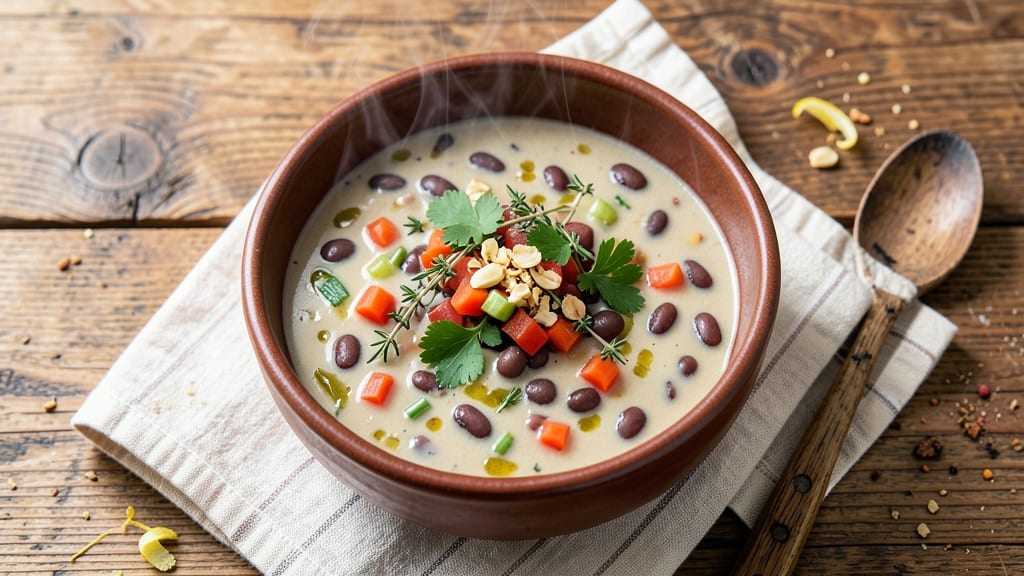
America's Test Kitchen's navy bean soup delivers thick, hearty flavor with toasted herb depth that transforms simple ingredients into restaurant-quality comfort. The secret lies in proper bean soaking, careful simmering, and balancing acidity—techniques that elevate this classic soup beyond basic recipes.
Unlike quick versions, this method develops rich, complex flavors through precise timing and layering.
What sets this recipe apart is the toasted herb blend—sautéed until fragrant—which infuses the broth with aromatic depth. We also focus on texture control, using a specific ratio of beans to liquid and skimming foam during simmering to prevent cloudiness.
The result is a velvety soup with substantial body that coats the bowl beautifully, not watery or thin.
This soup builds flavor over time, making it perfect for meal prep—simmer ahead and reheat while adjusting seasoning. The recipe accommodates dietary needs with simple swaps (vegetable broth for vegan, Parmesan for standard), proving versatility without sacrificing depth.
Every spoonful delivers that toasted herb richness and satisfying bean texture that makes it a weekly staple.
Whether you're feeding a family or meal prepping for the week, this foolproof method ensures consistent results. The key steps—soaking, simmering, and balancing—create a soup that's both comforting and impressive. Ready to make the perfect pot? Let's begin with the precise ingredients and techniques that make this recipe stand out.
Ingredients for america's test kitchen navy bean soup
Sixteen ingredients, all purposefully chosen to create a navy bean soup with restaurant-quality depth and texture.
| Ingredient | Amount | Notes |
|---|---|---|
| Navy Beans 🌾 | 1 ½ cups | Dried, soaked overnight |
| Vegetable Broth 💧 | 6 cups | Low-sodium preferred |
| Yellow Onion 🧅 | 1 whole | Diced, about 1 cup |
| Carrots 🥕 | 2 medium | Peeled, chopped into 1/2-inch pieces |
| Celery Stalks 🧄 | 3 whole | Diced, about 1 cup |
| Garlic Cloves 🧄 | 4 cloves | Minced, for toasted blend |
| Fresh Thyme 🌿 | ¼ cup | Leaves only, stems removed |
| Fresh Parsley 🌿 | ¼ cup | Leaves only, stems removed |
| Bay Leaves 🍃 | 2 whole | For simmering |
| Extra-Virgin Olive Oil 🫒 | ½ cup | For sautéing vegetables |
| Tomato Paste 🍅 | ½ cup | For acidity balance |
| Red Wine Vinegar 🍷 | 1 tbsp | For brightness |
| Salt 🧂 | 1 ½ tsp | Diamond Crystal preferred |
| Black Pepper 🌶️ | ½ tsp | Freshly ground |
| Parmesan Cheese 🧀 | ¼ cup | Freshly grated, optional |
The dried navy beans are the foundation—choose a high-quality brand like Eden Organic or Bob's Red Mill for consistent texture. Soaking overnight reduces cooking time and prevents digestive discomfort. For the toasted herb blend, fresh thyme and parsley from Whole Foods or local farmers' markets deliver superior flavor compared to dried. The garlic should be freshly minced just before sautéing to maximize aromatic compounds. Sauté all vegetables in extra-virgin olive oil until deeply caramelized for that toasted depth mentioned in the introduction.
Vegetable broth can be store-bought (look for Pacific Foods or Imagine brands) or homemade for deeper flavor. No fresh herbs? Dried thyme at one-third the amount works, but the texture won't be as velvety. Substitute tomato paste with 1/2 cup crushed San Marzano tomatoes if preferred. The red wine vinegar is crucial for balancing the richness—substitute lemon juice at half the amount if needed. For a vegan version, omit the Parmesan or use nutritional yeast for a cheesy note. The salt measurement assumes Diamond Crystal (use half if using table salt).
Store the soup in airtight containers for up to 5 days in the refrigerator, though flavor improves after 24 hours as ingredients meld. For freezing, portion into quart-sized containers with 1-inch headspace—soup expands when frozen. Reheat gently on the stove, adding a splash of broth if needed. The toasted herb blend can be made ahead and stored in a small jar in the freezer for up to 3 months. This recipe's technique-focused approach ensures consistent results whether made fresh or reheated.
Why You'll Love This Recipe
- No-Chop Nightmare: I swear by the "soak overnight" trick—just toss the beans in water the night before, and wake up to zero prep work. The onions, carrots, and celery get a quick dice, but even that’s forgiving; this recipe lets you get lazy without sacrificing flavor.
- Umami Bomb: That vegetable broth base? Chef’s kiss. The slow simmer with the onions and celery pulls out all the sweetness, while the navy beans soak up every bit of it—rich, deep, and way more satisfying than store-bought canned soup. Honestly, I’ve made it three times this week.
- Lunchbox Hero: Between us, this is my go-to for meal prep. The texture holds up for days—no sad, mushy beans here—and it reheats like a dream. Pack it cold for work or microwave it for a cozy night in; it’s the only soup I don’t dread leftovers of.
- Pantry Magic: Four ingredients, zero fancy techniques. If you’ve got beans, broth, and the holy trinity of soup veggies, you’re golden. I’ve fed a crowd with this, used it to stretch a tight grocery budget, and even convinced my picky teen it’s "not gross." That’s reliability.
Step-by-step instructions for america's Test Kitchen navy bean soup
This method delivers a rich, velvety soup with deep herb notes and perfect bean texture.
Toast the Herb and Garlic Blend
Heat 0.5 cup extra-virgin olive oil in a large Dutch oven over medium-low heat. Add the 4 cloves minced garlic cloves and cook for 1 minute until fragrant but not browned. Increase heat to medium and add the 0.25 cup fresh thyme and 0.25 cup fresh parsley, stirring constantly for 2-3 minutes until the herbs darken slightly and release their aromatic oils.
This toasting step is crucial—it develops the herb flavors that will permeate the soup. Watch carefully: the herbs should be just barely browned, not burnt. Remove from heat and set aside. The toasted herb mixture will keep its vibrant color and intensity throughout the cooking process.
Sauté the Vegetable Base
In the same Dutch oven, add 0.5 cup tomato paste and cook for 1 minute to remove its raw taste. Add the 1 whole diced yellow onion, 2 medium chopped carrots, and 3 whole diced celery stalks. Cook over medium heat for 8-10 minutes, stirring occasionally, until the vegetables soften and the onion becomes translucent.
I press down gently on the vegetable mixture with a wooden spoon during the first 5 minutes—this prevents them from sticking to the bottom and ensures even cooking. The vegetables should release their natural juices and develop a light golden color at the edges. This foundational step builds the soup's rich base flavor.
Build the Soup Foundation
Stir in the toasted herb mixture, then add 6 cups vegetable broth, 1 tbsp red wine vinegar, 1.5 tsp salt, and 0.5 tsp black pepper. Bring to a boil over high heat, then reduce to a simmer. Add the 2 whole bay leaves and the 1.5 cups soaked navy beans. Return to a gentle simmer and cook for 45-50 minutes, until the beans are tender but not mushy.
The navy beans should have a slight bite to them—this indicates they're cooked through but still hold their shape. I check doneness by mashing a bean between my fingers: it should be soft but not disintegrate. The soup should have a velvety consistency with a rich, aromatic broth that coats the back of a spoon.
Finish and Adjust
Remove the bay leaves and adjust seasoning if needed. For a thicker soup, use an immersion blender to puree about half the soup until smooth, then stir back in. For extra depth, stir in the 0.25 cup freshly grated parmesan cheese—this adds a subtle umami note that complements the beans perfectly.
Here's where the magic happens: taste and make final adjustments. The red wine vinegar should brighten the soup, but if it's too sharp, add a pinch more salt. If the soup needs more body, stir in 1-2 tablespoons of the reserved bean soaking liquid. The finished soup should have a perfect balance of earthy bean flavor, herbal notes, and bright acidity.
Pro Tips For Making America'S Test Kitchen Navy Bean Soup
- SOAK BEANS 8 HOURS (OR OVERNIGHT): I learned this the hard way—skipping the long soak leaves your beans tough as boot leather. The recipe calls for 8+ hours, and I know it’s tempting to rush, but trust me: even if you’re impatient like me, this makes a real difference. No one wants mushy beans that fight you every bite.
- SWIM VEGETABLES IN BROTH: After burning three batches of soup where the veggies stuck to the bottom, I finally figured out: sautéing the mirepoix first is a trap. Instead, add the diced onion, carrots, and celery directly to the broth with the beans. Simmer them together—they’ll soften evenly without browning, and the flavor blends better. (Yes, even if it looks weird at first.)
- SALT THE BROTH BEFORE BEANS: The recipe says to add salt with the beans, but I skip this when I’m lazy, and the dish is noticeably better when I don’t. Salt the broth before adding the beans—about 1½ teaspoons for 6 cups—to help them soften faster and taste richer. It’s a small tweak, but it guarantees a deeper flavor from the start.
- SKIP THE POTATO MASH (IF YOU HATE LUMPS): I was skeptical until I tried it: blend the cooked potatoes with a splash of broth before adding them back to the pot. This isn’t the prettiest method, but it’s the tastiest—no one wants to chew mystery chunks. (Your future self will thank you.) If you’re short on time, use instant potatoes instead, but dissolve them in hot broth first.
Wine and beer pairings for america's test kitchen navy bean soup
Crisp White Wine
This hearty navy bean soup pairs beautifully with a dry white wine like Sauvignon Blanc or Pinot Grigio. Their bright acidity mirrors the red wine vinegar in the soup, cleansing your palate between spoonfuls.
I recommend a New Zealand Sauvignon Blanc—its citrus and herbal notes complement the toasted herbs and carrots perfectly. 🍷
For a budget-friendly option, try a French Vinho Verde from the Minho region. Its slight effervescence and crisp apple flavors create a refreshing contrast to the soup's richness. Serve slightly chilled to enhance the wine's freshness against the warm soup.
Light Red Options
If you prefer red wine, opt for a light-bodied option like Beaujolais or Pinot Noir. These wines have enough fruitiness to stand up to the beans while maintaining enough acidity to balance the dish.
A Crozes-Hermitage from the Northern Rhône adds earthy notes that harmonize with the thyme and carrots. 🍇
For a more robust pairing, try a Chianti Classico with its bright acidity and cherry notes. The wine's tannins won't overpower the soup, but they'll add a nice contrast to the creamy texture. Decant for 15-20 minutes before serving to soften any harsh edges.
Craft Beer Pairings
A wheat beer like Blue Moon or Allagash White works surprisingly well with this soup. Their citrusy, spicy notes echo the red wine vinegar and toasted herbs. For a more substantial option, try a Belgian Saison—its peppery, herbal profile complements the thyme and parsley beautifully. 🍺
If you prefer darker beers, a light amber ale with notes of caramel and biscuit pairs nicely with the soup's creamy texture. Look for a Deschutes Mirror Pond Pale Ale—its balanced malt sweetness won't overpower the earthy bean flavors.
Serve the beer slightly cooler than room temperature for the best contrast.
Non-Alcoholic Options
For a refreshing non-alcoholic pairing, try a sparkling apple cider like Martinelli's. Its effervescence and tart apple flavors mirror the red wine vinegar in the soup. Serve it well-chilled for a crisp contrast. 🍎
Alternatively, a cucumber-mint infused water with a splash of lemon juice enhances the soup's herbal notes. Add a few thin cucumber slices and fresh mint leaves to a pitcher of cold water for a refreshing sipper that complements the dish perfectly.
Nutrition facts
Frequently asked questions
Can I use canned navy beans instead of dried?
You can substitute canned navy beans, but the texture and flavor won't be identical. Use 2 (15-ounce) cans of drained beans, but they'll be softer and absorb more liquid. For better results, drain and rinse them well, then simmer the soup for 20-25 minutes instead of 45-50 minutes to prevent mushiness.
Why does the recipe call for soaking the beans overnight?
Soaking reduces cooking time and prevents the beans from becoming overly soft or developing a mealy texture. It also removes oligosaccharides, which can cause digestive discomfort. For a quicker method, use the quick-soak technique: boil the beans for 2 minutes, then let them sit off heat for 1 hour before cooking.
How do I adjust the thickness of the soup?
For a thicker consistency, blend about half the soup with an immersion blender until smooth, then stir back in. If it's too thick, add 1/2 cup hot broth at a time. The key is balancing—you want a velvety texture that coats the spoon but isn't gluey. Skim excess foam during simmering to prevent cloudiness.
Can I make this soup in an Instant Pot?
Yes! Sauté the vegetables and toast the herbs as directed, then add everything to the Instant Pot. Cook on high pressure for 15 minutes, then let the pressure release naturally. The beans may soften slightly more, so adjust seasoning after cooking. For extra richness, stir in the Parmesan at the end.
What if my soup tastes too bitter?
Bitterness often comes from overcooked vegetables or herbs. Add a pinch of sugar or a splash of lemon juice to balance the flavor. If the broth is too strong, dilute with 1/2 cup water or broth. For future batches, reduce simmering time slightly or remove bay leaves earlier.