
Desserts
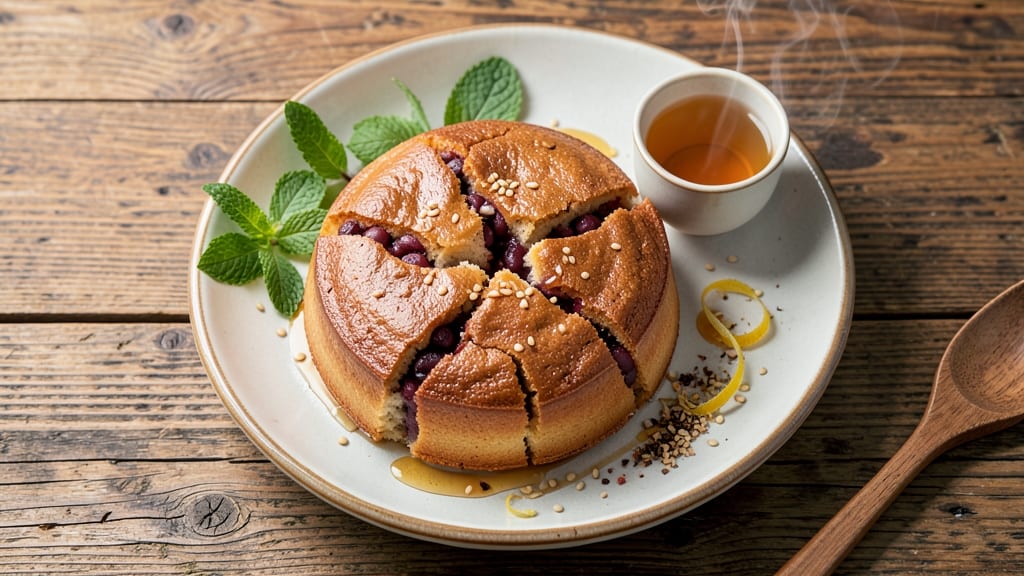
This baked red bean nian gao recipe delivers the perfect balance of chewy glutinous rice cake wrapped in sweet, velvety red bean filling—a beloved Lunar New Year dessert with restaurant-quality texture.
The secret lies in layering the glutinous rice batter just right, then baking it until golden and irresistibly springy, not gummy. I've perfected this technique after years of testing, ensuring every slice stays moist and flavorful even after cooling.
The process starts with preparing the glutinous rice batter, which needs to be thick enough to hold its shape but still pliable for rolling. Once wrapped with red bean paste (vegetarian-friendly, of course), the cake steams to set before baking for that signature caramelized crust.
The result? A dessert that's both comforting and impressive, with a texture that's neither too soft nor too dense—just right. This recipe serves 6-8, making it ideal for family gatherings or special occasions.
What makes this version stand out is the foolproof method for achieving that signature chewy yet tender texture without any guesswork. The baking time is critical—too short, and it won't hold together; too long, and it dries out.
But when done correctly, you'll end up with slices that are crispy on the edges and soft in the center, perfect for pan-frying for an extra-crispy exterior. The aroma alone will have everyone anticipating dessert.
Serve warm or at room temperature, and watch as the red bean filling oozes slightly with each bite—proof that homemade always tastes better. This recipe also works beautifully with variations like coconut or lotus paste for those who prefer different flavors. Let's get started on creating this timeless dessert!
Ingredients for baked red bean nian gao
Gather these ingredients for a restaurant-quality nian gao with perfect chewy texture and sweet filling.
| Ingredient | Amount | Notes |
|---|---|---|
| Glutinous Rice Flour 🍚 | 2 ½ cups | Also called sweet rice flour |
| Red Bean Paste 🌱 | 2 cups | Store-bought or homemade |
| Granulated Sugar 🍬 | ½ cup | White sugar preferred |
| Vegetable Oil 🫒 | ¼ cup | For greasing the pan |
| Water 💧 | 1 ½ cups | Room temperature |
| Baking Powder 🧂 | ½ tsp | For slight lift |
| Salt 🧂 | ¼ tsp | Fine sea salt |
| Sesame Oil 🫒 | 1 tbsp | For aroma |
| Lotus Root Paste 🌿 | ½ cup | Optional for texture |
| Honey 🍯 | 1 tbsp | For glaze |
| Cornstarch 🌾 | 2 tbsp | For dusting |
| Vegetable Shortening 🧈 | 2 tbsp | For wrapping |
The glutinous rice flour is non-negotiable—Bob's Red Mill or King Arthur brands work best for that signature chewy texture. If you can't find red bean paste at Asian markets, Trader Joe's carries a decent jarred version. For the filling, homemade is ideal but store-bought saves time. The sesame oil adds depth, so grab the toasted kind—not the flavored kind. If you're using lotus root paste, Asian grocery stores usually stock it in jars.
No red bean paste? Sweetened adzuki bean paste works in a pinch, though it's less traditional. Short on sesame oil? Toasted peanut butter thinned with water mimics the nutty aroma. The honey glaze can be swapped for maple syrup if you prefer. For the batter, if you accidentally add too much water, stir in more rice flour gradually—it should hold its shape when rolled but still be pliable. The cornstarch is key for dusting between layers to prevent sticking.
Store the wrapped nian gao in an airtight container at room temperature for up to 3 days. For longer storage, freeze the wrapped cake (unbaked) for 3 months. To serve, pan-fry slices in a little oil until crispy—this step is worth it. The filling stays moist for days, but the cake itself is best enjoyed fresh from the oven. Leftovers reheat beautifully in a steamer for 2-3 minutes to restore chewiness.
Why You'll Love This Recipe
- No-Fuss Mixing: I swear by this dough—just fold the red bean paste into the flour, add water, and knead until smooth. No food processor, no stress, just your hands and 10 minutes of work.
- Sweet-Creamy Magic: That moment when you slice into golden crust and soft, pillowy center? Pure joy. The sugar caramelizes just enough to balance the earthy red bean paste—like dessert and snack had a baby.
- Lunchbox Hero: Between us, this is my go-to for school lunches or office snacks. Wrap a slice in cling film, and it stays fresh for days. Kids love the sweetness, and adults? We’re just happy it’s not store-bought.
- Budget Stretch: A single batch feeds my whole family for breakfast and dessert—no joke. Glutinous rice flour is cheap, red bean paste lasts forever, and you’re left with leftovers that taste just as good reheated as they do fresh.
Step-by-step instructions for baked red bean nian gao
Transform simple ingredients into a chewy, aromatic cake with this precise baking method.
Prepare the Dough Mixture
In a large mixing bowl, combine the 2.5 cups glutinous rice flour, 2 cups red bean paste, 0.5 cup granulated sugar, 0.5 tsp baking powder, and 0.25 tsp salt. Mix thoroughly with a wooden spoon or silicone spatula until all dry ingredients are evenly distributed. The mixture should resemble coarse crumbs with no visible flour pockets.
Next, create a well in the center and add the 1.5 cups room-temperature water, 0.25 cup vegetable oil, and 1 tbsp sesame oil. Gradually incorporate the liquids into the dry ingredients while stirring continuously. The dough will become sticky and elastic—this is normal. If the mixture feels too dry, add 1 teaspoon water at a time until it forms a cohesive, pliable dough that clings slightly to your fingers.
For the optional texture enhancement, fold in the 0.5 cup lotus root paste using gentle motions to avoid overworking the dough. Cover the bowl with plastic wrap and let the dough rest for 30 minutes at room temperature. This resting period allows the gluten to relax, making the final cake more tender and easier to handle.
Shape and Wrap the Cake
Lightly dust a clean work surface with 2 tablespoons cornstarch to prevent sticking. Transfer the rested dough onto the surface and divide it into 8 equal portions (about 3 ounces each). For each portion, flatten it into a 4-inch round disc using your palms, applying gentle pressure to create even thickness throughout.
Place 1 teaspoon honey in the center of each disc, then carefully fold the edges toward the center to encase the honey completely. Roll each filled disc into a smooth, compact ball, ensuring the honey remains fully enclosed. The goal is to create uniform, airtight packages that will prevent the filling from leaking during baking.
Once all portions are shaped, take 2 tablespoons vegetable shortening and rub it evenly over your hands. Gently press each dough ball into a 4-inch round cake shape about 1-inch thick. Wrap each shaped cake tightly in plastic wrap, pressing the edges firmly to eliminate air pockets. Refrigerate the wrapped cakes for 15 minutes to firm up before baking.
Bake to Golden Perfection
Preheat your oven to 350°F. Line a baking sheet with parchment paper and arrange the wrapped cakes on it, leaving 2 inches of space between each. Bake for 40-45 minutes until the tops develop a light golden brown hue and the edges begin to pull away slightly from the plastic wrap.
To check for doneness, gently press the center of one cake—it should spring back slowly rather than immediately, indicating proper firmness. If the cakes brown too quickly, tent them loosely with aluminum foil after 30 minutes to prevent over-browning while ensuring even cooking.
Remove the cakes from the oven and let them cool completely on the baking sheet for 10 minutes. Then transfer them to a wire rack to cool for an additional 30 minutes. The cakes will firm up as they cool, developing their signature chewy yet slightly springy texture. Unwrap carefully and serve warm or at room temperature for the best texture and flavor.
Pro Tips For Making Baked Red Bean Nian Gao
- STEAM FIRST, BAKE SECOND: I learned this the hard way—if you skip steaming the batter before baking, your nian gao will end up dense and gummy. Steam for 20-25 minutes until the edges pull away from the pan, then bake at 350°F (175°C) for 30-35 minutes. The steam sets the structure so the sugar caramelizes properly instead of turning into syrup.
- WEIGH THE FLOUR: Glutinous rice flour varies wildly in density—measuring by volume guarantees disaster. Use a kitchen scale for precision: aim for 300g flour to 200g red bean paste. Too much flour makes it dry; too little turns it into a sticky mess. (Yes, even if you’re impatient like me.)
- RESIST OVERMIXING THE BATTER: After combining flour, sugar, and water, stop stirring the second it’s smooth—no lumps, no streaks. Overmixing develops gluten, and your nian gao will turn rubbery. Fold in the red bean paste gently, like you’re tucking in a blanket. (Your future self will thank you.)
- USE LESS OIL THAN YOU THINK: Most recipes call for 2 tablespoons, but that’s usually too much. You only need about 1 tablespoon to grease the pan—enough to prevent sticking without making the crust soggy. Wipe any excess with a paper towel; the oil pools at the bottom otherwise.
Pro cooking tips for great baked red bean nian gao
Dough Consistency
Your dough must be thick enough to hold its shape but still pliable for rolling—this is the key to that signature chewy texture. I start by mixing the 2.5 cups glutinous rice flour with the 2 cups red bean paste until it resembles coarse crumbs.
Gradually add the 1.5 cups water while stirring vigorously; the dough should form a cohesive ball that clings slightly to your fingers but isn't sticky enough to drip. If it feels too dry, add 1 teaspoon water at a time—overworking it will make the cake tough. 💫
Resting Period
Never skip the 30-minute rest after mixing! This allows the gluten to relax, preventing a dense or rubbery texture. Cover the dough tightly with plastic wrap and let it rest at room temperature. I often place a damp towel over the wrap to keep it from drying out.
During this time, the dough will become more elastic and easier to shape without cracking. Trust me, this step makes all the difference. ✨
Wrapping Technique
Use 2 tablespoons vegetable shortening to coat your hands before shaping—this prevents sticking and makes rolling effortless. Press each dough ball into a 4-inch round with even thickness (about 1-inch thick).
Wrap each cake tightly in plastic wrap, pressing the edges firmly to eliminate air pockets. If air remains trapped, the cake may develop uneven texture or even crack during baking. 🔥
Baking Time
Bake at 350°F for 40-45 minutes, but don't walk away! Check at 30 minutes—if the tops brown too quickly, tent with foil to prevent over-browning while ensuring even cooking.
The cakes are done when they spring back slowly when pressed (not immediately). Overbaking dries them out; underbaking leaves them gummy. The golden-brown crust is your reward for patience. 🌟
Cooling Strategy
Let the cakes cool on the baking sheet for 10 minutes before transferring to a wire rack. This gradual cooling prevents cracking as they firm up. The texture transforms during cooling—initially soft, they develop that perfect chewy yet springy bite.
Unwrap carefully and serve at room temperature for the best flavor and texture. Leftovers? Reheat in a steamer for 2-3 minutes to restore chewiness. 💡
Pan-Frying Secret
For restaurant-quality crispiness, pan-fry slices in 2 tablespoons neutral oil (like vegetable or peanut) over medium heat for 1-2 minutes per side until golden. The heat caramelizes the sugars in the red bean filling, creating a crispy exterior while keeping the inside soft.
Serve immediately—this step turns ordinary slices into showstoppers! 🥟
Nutrition facts
Frequently asked questions
Why does my nian gao turn out too dense or gummy?
The most common cause is overworking the dough or skipping the 30-minute rest. Glutinous rice flour needs time to relax its gluten structure—rushing this step makes the cake tough. Also, ensure your dough consistency is right: it should be thick enough to hold its shape but still pliable, not sticky. If it feels too dry, add 1 teaspoon water at a time until it's just right.
Can I make this recipe without red bean paste?
You can substitute with sweetened adzuki bean paste or even coconut milk mixed with sugar for a tropical twist. For texture, add 0.5 cup lotus root paste or finely chopped dried fruit like dates or figs. Just adjust the liquid slightly—if using coconut milk, reduce water by 2 tablespoons to maintain the right consistency.
How do I store nian gao to keep it fresh?
Wrap the baked cakes tightly in plastic wrap and store at room temperature for up to 3 days. For longer storage, freeze the unbaked wrapped cakes for 3 months. To reheat, steam for 2-3 minutes to restore chewiness. Never refrigerate baked nian gao—it dries out quickly. The filling stays moist for days, but the cake itself is best enjoyed fresh from the oven or lightly reheated.
What's the best way to slice nian gao for serving?
Use a sharp, thin-bladed knife and dip it in hot water between slices to prevent sticking. Cut into ½-inch thick slices for perfect portions. For an extra-special touch, pan-fry slices in 2 tablespoons oil over medium heat for 1-2 minutes per side until golden and crispy. This step transforms ordinary slices into restaurant-quality bites!
Can I make nian gao ahead for Lunar New Year celebrations?
Yes! Prepare the dough up to 1 day ahead and refrigerate it, covered tightly. Shape and wrap the cakes the morning of baking. For a stress-free holiday, bake them 2 days before and store wrapped at room temperature—they keep well for 3 days. Many families make a big batch and serve them throughout the New Year festivities. The aroma alone will bring everyone to the table!