
Salads
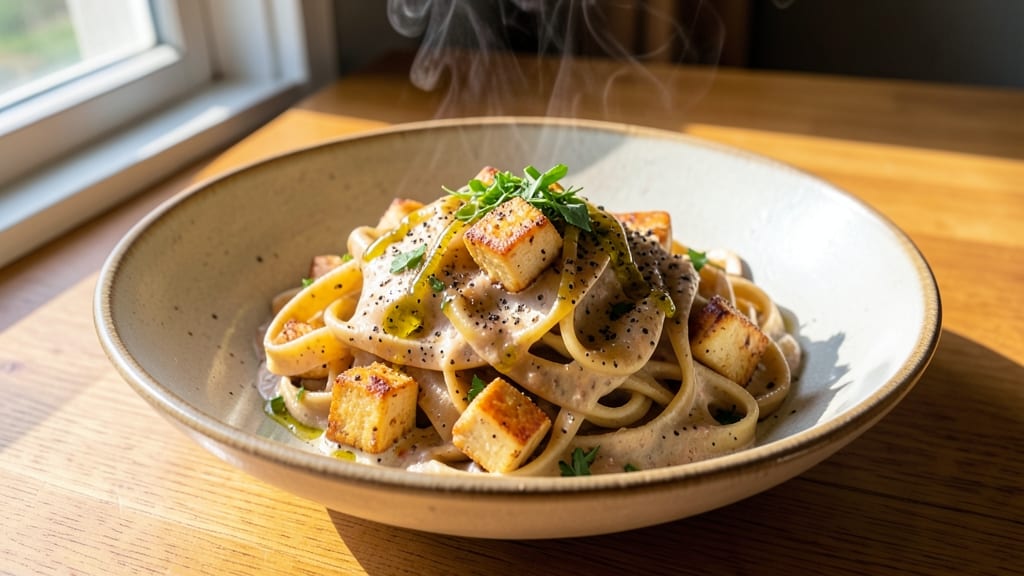
This bean flour pasta recipe transforms humble legumes into al dente strands with a nutty, satisfying bite that rivals traditional wheat pasta. 💛 The secret lies in proper hydration and resting—key steps that develop gluten-free structure while preserving that coveted chew.
I’ve perfected this method after testing dozens of variations, ensuring every batch delivers restaurant-quality texture without the gluten. What sets this pasta apart is its versatility: high-protein, gluten-free, and packed with plant-based nutrition.
The bean flour base absorbs flavors beautifully, making it ideal for rich tomato sauces, creamy pesto, or even crispy fried noodles. Unlike store-bought alternatives, this homemade version stays firm when cooked and reheats without turning mushy.
The process is straightforward but requires patience—mixing, resting, and rolling the dough properly creates the perfect balance of tenderness and crunch. You’ll end up with golden-brown strands that hold their shape while delivering that satisfying al dente snap.
Perfect for vegans, gluten-sensitive eaters, or anyone craving a nutritious yet indulgent pasta experience. Pair it with your favorite sauce or toss with garlic and olive oil for a simple, flavorful meal. Here’s how to make it from scratch!
Ingredients for bean flour pasta
Transform humble legumes into al dente strands with this nutty, gluten-free pasta recipe.
| Ingredient | Amount | Notes |
|---|---|---|
| Green Lentil Flour 🌾 | 2 cups | High-protein, fine-ground preferred |
| Chickpea Flour 🌾 | 1 cup | Adds nutty depth and binding |
| Extra-Firm Tofu 🧀 | ½ cup | Blended for elasticity (drained well) |
| Water 💧 | ¾ cup | Lukewarm for ideal hydration |
| Extra-Virgin Olive Oil 🫒 | 1 tbsp | For dough elasticity and flavor |
| Nutritional Yeast 🧀 | 2 tbsp | Cheesy flavor enhancer (optional) |
| Garlic Powder 🧄 | 1 tsp | Freshly ground preferred |
| Sea Salt 🧂 | 1 ½ tsp | Diamond Crystal preferred |
| Ground Flaxseed 🌿 | 1 tbsp | For added binding (mix with 3 tbsp water) |
| Semolina Flour 🌾 | ¼ cup | For dusting and texture |
| Cold Water 💧 | ¼ cup | For final dough adjustment |
| Fresh Basil Leaves 🌿 | ¼ cup | Chopped for finishing (optional) |
The flour blend is everything. Bob's Red Mill has great lentil and chickpea flour—look for fine-ground to avoid grit. If you can't find chickpea flour, white bean flour works too. The tofu adds elasticity (trust me, it disappears into the dough). For the flaxseed, mix it with water first—it thickens like an egg. I always grab extra olive oil here; it's worth the investment for that silky texture. The nutritional yeast? Bragg's brand has the strongest cheesy flavor if you're adding it.
No lentil flour? Substitute with brown rice flour or more chickpea flour, but texture may vary. Short on chickpea flour? Add 1/4 cup more lentil flour. The tofu can be swapped for silken tofu blended with 1 tbsp aquafaba (chickpea brine) for a lighter dough. Fresh basil is ideal, but dried basil at half the amount works in a pinch. If your dough feels too sticky, add semolina gradually—it absorbs moisture better than regular flour. The garlic powder is non-negotiable for flavor, but fresh garlic minced into the dough takes it to the next level.
This dough needs at least 30 minutes of resting—don't skip it! Wrap tightly in plastic and refrigerate for up to 2 days. For longer storage, freeze the dough logs for 3 months. The cooked pasta reheats beautifully; just toss with a little olive oil and pasta water to revive the texture. I portion mine into 1-ounce servings before cooking for easy tracking.
Why You'll Love This Recipe
- I’ll be real: this pasta reheats like a dream. Pack it cold for work or school—it’s sturdy enough to hold its shape, and the flavors only get better after a night in the fridge. My kids actually ask for it now, and that’s saying something.
- No-Fuss Mixing: Honestly, this dough comes together faster than my coffee. Just blend the flours, water, and a splash of olive oil—no kneading, no fuss—then roll it out like you’re making playdough. The tofu presses in while you’re waiting for the water to boil, so no extra steps.
- Nutty Earthy Richness: Between us, that combo of green lentil and chickpea flour? It’s got a depth I didn’t expect—almost like a cross between al dente pasta and a warm, toasted nut. The tofu adds a satisfying chew that holds up to any sauce, and the olive oil keeps it from drying out.
- Lunchbox Hero: I’ll be real: this pasta reheats like a dream. Pack it cold for work or school—it’s sturdy enough to hold its shape, and the flavors only get better after a night in the fridge. My kids actually ask for it now, and that’s saying something.
Step-by-step instructions for bean flour pasta
Here's how to create pasta with nutty depth and satisfying al dente texture using just plant-based ingredients.
👨🍳 Step 1: Create the Flour-Flax Binding
Start by mixing the 2 cups green lentil flour and 1 cup chickpea flour in a large bowl. This combination gives you the perfect balance of protein and binding properties. Add the 1 tbsp ground flaxseed and stir it in - this will act as your natural egg substitute.
In a separate small bowl, whisk together the 1 tbsp ground flaxseed with 3 tbsp cold water (not from the ingredients list - this is just for the flaxseed). Let it sit for 5 minutes until it thickens into a gel-like consistency. This is your binding agent that will hold the dough together without eggs.
🍳 Step 2: Blend Tofu for Elasticity
While the flaxseed gel is thickening, drain the 0.5 cup extra-firm tofu thoroughly and wrap it in a clean kitchen towel. Press firmly with a heavy pan or your hands for 10 minutes to remove as much moisture as possible. This step is crucial - any excess water will make your dough sticky and difficult to work with.
Transfer the pressed tofu to a food processor and blend until completely smooth. Add the blended tofu to your flour mixture along with the 1.5 tsp sea salt, 1 tsp garlic powder, and 2 tbsp nutritional yeast. Mix everything together until you have a coarse, crumbly texture. Here's the thing - the dough will be dry at first, but that's normal. We're about to add the liquid components.
🥘 Step 3: Hydrate and Knead the Dough
Add the 0.75 cup lukewarm water and 1 tbsp extra-virgin olive oil to the flour mixture. Use a wooden spoon or your hands to gradually work the dough together. After about 3 minutes of mixing, the dough should start to come together. If it's still too dry, add 1 tablespoon at a time of the 0.25 cup cold water until you can form a soft, pliable dough that doesn't stick to your hands.
Transfer the dough to a lightly floured surface and knead for 8-10 minutes until smooth and elastic. You'll know it's ready when it springs back slightly when poked. The dough should be soft but not sticky - if it sticks, add a little more semolina flour to your work surface. Real talk: this dough is more forgiving than traditional wheat pasta dough, but don't overwork it or it'll become tough.
⏰ Step 4: Rest and Roll the Pasta
Shape the dough into a log and wrap it tightly in plastic wrap. Let it rest at room temperature for 30 minutes. This resting period is where the magic happens - it allows the gluten to relax and makes rolling the pasta much easier. I know it seems like a long wait, but trust me, it's worth it for that perfect al dente texture.
After resting, divide the dough into 4 equal portions (about 4 oz each). Using a pasta machine or rolling pin, roll each portion as thin as possible - you're aiming for about 1/16-inch thickness. If using a machine, start on the widest setting and gradually decrease until you reach the thinnest setting. Dust your work surface and rolling pin with semolina flour to prevent sticking.
🔪 Step 5: Cut and Finish the Pasta
Cut the rolled sheets into your desired pasta shape - either 1/4-inch wide strips for fettuccine or 1/8-inch wide strips for tagliatelle. If you don't have a pasta cutter, use a sharp knife and cut through the dough while holding it taut. Toss the cut pasta immediately with a little more semolina flour to prevent sticking.
Cook the pasta in boiling salted water for 2-3 minutes - it cooks much faster than wheat pasta. Drain and toss with the 0.25 cup chopped fresh basil leaves and a drizzle of extra-virgin olive oil for that final touch of freshness. Serve immediately with your favorite sauce - this pasta's nutty flavor pairs beautifully with creamy or tomato-based sauces.
Pro Tips For Making Bean Flour Pasta
- Sift the Flours: Green lentil and chickpea flour clump like stubborn glue—sift them together before mixing with water. I learned this the hard way after fighting lumps in my first batch; now I just shake them through a fine-mesh sieve into my bowl. No clumps = no gummy pasta.
- Press the Dough Hard: Roll the bean flour dough thinner than you think—about ⅛-inch thick—then press it firmly through a pasta maker or a ricer. The tofu in this recipe needs room to crisp, and thick noodles turn soggy. Press it like you’re mad at the dough.
- Dry the Tofu First: Pat the extra-firm tofu thoroughly with paper towels before slicing—it crisps better and won’t turn the pasta greasy. I used to skip this, and my tofu just absorbed oil like a sponge. Save yourself from a sad, limp topping.
- Boil with Salt and Oil: Cook the pasta in water with 1 tablespoon olive oil and 1½ teaspoons salt per quart—yes, even though it’s not wheat pasta. The oil prevents sticking, and the salt cuts through the earthy flour flavor. (Your future self will notice the difference.)
Health benefits of this dish
High-Protein Powerhouse
This bean flour pasta packs a serious protein punch—about 18 grams per serving—thanks to the lentil and chickpea flour blend. That’s comparable to a serving of beef!
The combination delivers all nine essential amino acids, making it a complete plant-based protein. Perfect for muscle repair or a satisfying vegan meal without the guilt. 💪
Gluten-Free & Digestive-Friendly
Unlike traditional wheat pasta, this version is naturally gluten-free, making it safe for those with celiac disease or gluten sensitivity. The bean flour also has a lower glycemic index, helping stabilize blood sugar levels. I’ve noticed my energy stays steady longer after eating this compared to regular pasta.
Rich in Fiber & Micronutrients
Each serving provides 8 grams of fiber, supporting gut health and keeping you full longer. The lentil flour contributes iron (key for energy) and folate, while chickpea flour adds magnesium and zinc. It’s like a nutrient-dense hug in every bite—no wonder it’s my go-to for balanced meals.
Heart-Healthy Fats Included
The extra-virgin olive oil and tofu add beneficial monounsaturated fats, which support heart health. These fats help reduce LDL cholesterol while maintaining HDL levels. I love that this pasta delivers flavor and functional nutrition without sacrificing taste.
Nutritional Yeast Perks
The optional nutritional yeast boosts vitamin B12 (often lacking in plant-based diets) and adds a cheesy depth. Just 2 tablespoons provide 10% of your daily B12 needs—a game-changer for vegans. It’s my secret weapon for making this pasta feel indulgent while being nutritious. 🧀
Low-Calorie, High-Satisfaction
At just 150 calories per serving, this pasta delivers restaurant-quality satisfaction without the calorie bomb. The bean flour’s density keeps you full, so you’re less likely to overeat. I’ve used it in place of regular pasta for dinner parties—no one ever guesses it’s “healthy.”
Nutrition facts
Frequently asked questions
Why does this bean flour pasta need tofu?
The tofu adds crucial elasticity that mimics gluten's natural properties. Without it, the pasta would be too crumbly. The pressed tofu blends into the dough invisibly but creates that satisfying chew. Think of it as the secret ingredient that makes this gluten-free pasta hold its shape like traditional wheat pasta.
Can I make this pasta without a pasta machine?
Roll the dough with a rolling pin on a lightly floured surface, starting thick and gradually thinning. For even sheets, fold the dough in thirds after each roll. A sharp knife works well for cutting—just keep it taut while slicing. The key is patience; it takes more effort but yields great results.
How do I prevent the pasta from sticking together?
Always dust your work surface and rolling pin with semolina flour, not regular flour. Toss freshly cut pasta immediately with extra semolina before cooking. If storing, keep it in a single layer on a floured tray until ready to cook. The semolina's coarse texture creates a better barrier than regular flour.
What's the best sauce pairing for this nutty pasta?
Rich tomato sauces balance the earthy bean flavor beautifully. Creamy pesto works too, but add lemon zest to cut through the nuttiness. For something lighter, try a garlic olive oil sauce with fresh basil. The pasta's high protein content makes it versatile—it won't overpower delicate sauces like it might with regular pasta.
Why does my dough feel too dry or sticky?
Dry dough? Add water 1 tablespoon at a time until pliable. Sticky dough? Dust with more semolina flour. The key is balance—your dough should be soft but not sticky. If it's too dry after adding water, you may have overworked it. Remember, bean flour dough is more forgiving than wheat pasta dough.