
Appetizers
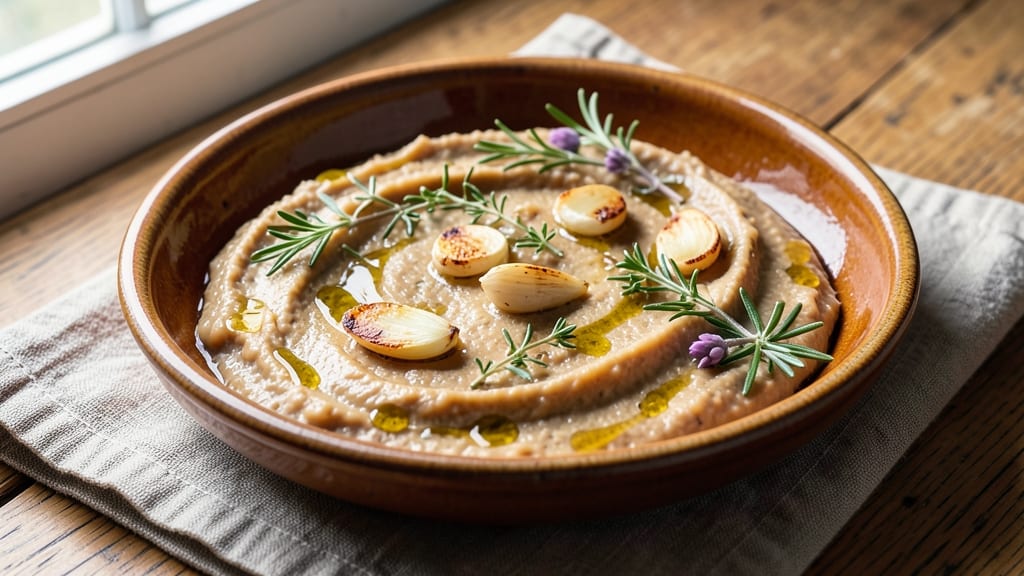
This bean pâté recipe transforms humble white beans into a silky smooth, nutty spread that rivals traditional meat-based versions. The secret lies in slow-cooked beans blended with aromatic herbs and a touch of olive oil, creating a rich texture without any animal products.
What makes this recipe stand out is its versatility—perfect for appetizers, sandwich spreads, or elegant hors d'oeuvres.
Unlike many pâtés, this version relies on simple ingredients and a foolproof method that delivers restaurant-quality results at home. The beans soften until they practically melt, while toasted garlic and fresh herbs infuse layers of flavor.
No special equipment is needed—just a blender and patience for the perfect blend of creaminess and depth.
By the time you’re done, you’ll have a velvety, spreadable pâté with a subtle nutty richness that pairs beautifully with crusty bread, crackers, or even as a dip for fresh vegetables.
The best part? It stays fresh in the fridge for up to a week, making it ideal for meal prep or entertaining.
Whether you're hosting a dinner party or simply craving something sophisticated yet easy to prepare, this bean pâté delivers. Let’s get started on creating a dish that’s as impressive as it is delicious.
Ingredients for bean pate
Humble white beans become luxurious pâté with these aromatic, nutty ingredients.
| Ingredient | Amount | Notes |
|---|---|---|
| Great Northern White Beans 🌾 | 1 ½ cups | Dried, soaked overnight |
| Extra-Virgin Olive Oil 🫒 | ½ cup | High quality, fruity |
| Garlic Cloves 🧄 | 6 whole | Toasted until golden |
| Fresh Thyme Leaves 🌿 | ¼ cup | Stems removed |
| Fresh Rosemary 🌿 | ¼ cup | Finely chopped |
| Lemon Juice 🍋 | 2 tbsp | Freshly squeezed |
| Salt 🧂 | 1 tsp | Diamond Crystal preferred |
| Black Peppercorns 🌶️ | ½ tsp | Freshly cracked |
| Cashews 🥜 | ¼ cup | Soaked for creaminess |
| Water 💧 | 1 cup | For blending consistency |
| Maple Syrup 🍯 | 1 tbsp | For subtle sweetness |
| Smoked Paprika 🌶️ | ½ tsp | For depth of flavor |
| Nutritional Yeast 🧀 | 2 tbsp | For cheesy umami |
The beans are the heart of this pâté, so choose high-quality dried white beans—Great Northern or Cannellini work best. Soak them overnight for tender, melt-in-your-mouth texture. Trader Joe's or bulk bins at Whole Foods have excellent options. Toasting the garlic until golden adds a nutty depth that’s absolutely essential—don’t skip this step. Fresh herbs like thyme and rosemary should be vibrant and fragrant; if they smell dull, they’re past their prime. The cashews add a creamy richness, so soak them for at least 2 hours to soften completely.
Short on time? Canned beans work in a pinch, but rinse them well to remove excess sodium. No fresh herbs? Dried thyme at one-third the amount gets you close, though fresh is ideal. The nutritional yeast is a game-changer for that cheesy umami—Bob’s Red Mill brand is widely available and potent. For a smokier flavor, swap smoked paprika for regular paprika and add a pinch of liquid smoke. If you’re feeling adventurous, toasted pine nuts can replace cashews for a different texture, though they’re pricier.
This pâté keeps beautifully in an airtight container in the fridge for up to 7 days, though it tastes even better the next day as flavors meld. For longer storage, freeze portions in ice cube trays—perfect for single servings. The texture will firm up slightly when chilled, so let it sit at room temperature for 10-15 minutes before serving to achieve that silky smoothness. Spread it on crusty baguette slices, dollop onto crackers, or use as a dip for veggie sticks—it’s that versatile.
Why You'll Love This Recipe
- I’ll be real: most leftovers are sad. Not this. Bean pâté actually improves overnight, deepening in flavor and smoothing out into something even richer. Store it in the fridge for up to five days, and it’s still my secret weapon for throwing together a meal without stress. Plus, it’s one of those recipes where the more you make, the less you notice the cost—beans and herbs are budget-friendly, but the taste? Pure luxury.
- Five-Ingredient Magic: I swear, this recipe is one of those rare dishes where the ingredient list reads like a grocery store speedrun. Great Northern beans, olive oil, garlic, thyme, rosemary—nothing fancy, just pure flavor. The trick? Simmering everything together until the beans break down into that velvety, spreadable texture. No blender required, no fancy techniques—just patience and a pot.
- Herb-Packed Punch: Between us, that garlic-thyme-rosemary combo is chef’s kiss. The olive oil carries the freshness of the herbs while the beans soak it all up, creating a pâte that’s bright but never overpowering. Honestly, I’ve made it for brunch, charcuterie boards, and even as a sandwich spread—each time, people ask, “What’s in this?” before I can answer.
- Weeknight to Party: This is my go-to when I need something that works for everything. Slather it on crusty bread for a quick lunch, dollop it on grilled cheese, or serve it chilled with crackers at a last-minute gathering. (Yes, even on a Tuesday night.) The best part? It tastes just as good reheated as it does fresh—meaning it’s the ultimate lazy dinner that still feels special.
Step-by-step instructions for bean pâté
This pâté delivers velvety texture and complex flavor—here's exactly how to transform humble beans into restaurant-worthy elegance.
Toast the Garlic and Dry Herbs
Heat a dry skillet over medium heat and add the 6 whole garlic cloves. Toast them for 3-5 minutes until they turn golden brown and release their sweet aroma—this deepens their flavor significantly. Remove from heat immediately to prevent burning.
In the same skillet, add the 0.25 cup fresh rosemary and 0.25 cup fresh thyme leaves. Toast for 1-2 minutes until fragrant, stirring constantly to prevent burning. Let cool completely before transferring to your food processor—this ensures you capture all their aromatic oils without bitterness.
Blend the Base Ingredients
Transfer the toasted garlic and herbs to a high-powered food processor along with the 1.5 cups soaked Great Northern white beans, 0.25 cup soaked cashews, and 1 cup water. Process until completely smooth, scraping down the sides as needed. This creates the silky foundation—patience here prevents graininess in your finished pâté.
With the processor running, slowly drizzle in the 0.5 cup extra-virgin olive oil through the feed tube. This gradual incorporation creates an emulsified texture rather than separated oils. Process for an additional 1-2 minutes until perfectly smooth and homogenous.
Build Flavor Layers
Add the 2 tbsp freshly squeezed lemon juice, 1 tbsp maple syrup, 0.5 tsp smoked paprika, 2 tbsp nutritional yeast, 1 tsp salt, and 0.5 tsp freshly cracked black peppercorns to the processor. Pulse just until combined—over-processing can heat the mixture and break the emulsion.
Taste and adjust seasoning if needed. The pâté should be rich but balanced, with bright lemon notes cutting through the nutty bean base. Here's where the magic happens: the nutritional yeast adds that unmistakable cheesy depth while the maple syrup provides subtle sweetness that rounds out the flavors.
Refine the Texture
Transfer the pâté to a mixing bowl and let it cool slightly if needed. Use a silicone spatula to press it through a fine-mesh sieve if you prefer absolutely silky texture—this removes any remaining bean skins or cashew fragments. The result should be completely smooth with no visible texture.
For best results, chill the pâté in the refrigerator for at least 2 hours before serving. This allows all the flavors to meld completely and the texture to set properly. When ready to serve, give it one final taste and adjust seasoning if needed—sometimes chilling intensifies flavors.
Pro Tips For Making Bean Pate
- SOAK BEANS OVERNIGHT: I learned this the hard way—skipping the soak makes the beans gummy no matter how long you cook them. Toss dried Great Northerns in cold water (4 cups per cup of beans) and let them sit 12+ hours. Rinse before cooking to remove excess starch, which keeps the pâte from turning gluey.
- CRUSH GARLIC GENTLY: Mince those cloves, don’t pulverize them. Overworking releases bitter compounds that’ll turn your pâte harsh. Aim for tiny specks, not paste—think "confetti," not "garlic snow."
- SIMMER LOW AND Slow: The pot’s not a race. After the initial boil, drop to a bare simmer (tiny bubbles, maybe 150°F). Rush this, and the beans break down into mush instead of creamy texture. Cover and let it hum for 45-60 minutes.
- SAVOR THE HERBS: Strip thyme leaves off stems, but leave rosemary sprigs whole—remove them before blending. The needles add depth, but whole sprigs burn easily. Taste the pâte before blending; adjust salt and acid (a splash of lemon juice) if it’s bland.
Essential equipment for perfect results
High-Powered Blender
A high-powered food processor or blender is essential for achieving that silky, smooth texture. I swear by my Ninja BN601—it handles the beans and cashews effortlessly, creating a velvety consistency without overheating.
If you don’t have one, a Vitamix or Cuisinart are excellent alternatives. The key is blending until completely smooth, so don’t skimp on processing time. 💫
Fine-Mesh Sieve
For that restaurant-quality finish, a fine-mesh sieve helps remove any lingering bean skins or cashew fragments. I use a stainless steel mesh sieve from Amazon—it’s affordable and does the job perfectly.
Press the pâté through gently with a silicone spatula for a flawless texture. This step is optional but makes a noticeable difference in smoothness.
Dry Skillet
A heavy-bottomed dry skillet is crucial for toasting the garlic and herbs without burning them. I prefer my Lodge cast iron skillet—it distributes heat evenly and adds a subtle smoky depth.
Toasting the garlic until golden brown is non-negotiable; it’s the secret to that nutty, aromatic flavor. Keep the heat at medium-low to avoid burning the herbs.
Mixing Bowl
Once your pâté is blended, transfer it to a large mixing bowl for final adjustments. I like using glass mixing bowls because they’re non-reactive and easy to clean.
This is where you’ll taste and refine the flavors, ensuring everything is perfectly balanced. A silicone spatula is perfect for stirring and pressing through the sieve if needed.
Air-Tight Storage Container
To keep your pâté fresh for up to 7 days, store it in an airtight container. I recommend glass jars with silicone seals—they’re reusable and prevent freezer burn if you decide to freeze portions.
Label the container with the date to track freshness. Chilling also helps the flavors meld beautifully, so plan ahead for the best results. ❄️
Optional: Ice Cube Trays
For single-serving portions or freezer storage, ice cube trays are a game-changer. Freeze the pâté in small cubes, then transfer to a freezer bag. This makes it easy to thaw just what you need without defrosting the whole batch.
Perfect for meal prep or sharing with friends! Just pop a cube into a bowl and let it sit at room temperature for 10-15 minutes before serving. 🍽️
Nutrition facts
Frequently asked questions
Can I use canned beans instead of dried for this bean pâté?
Yes, you can use canned beans in a pinch! Drain and rinse 2 (15 oz) cans of white beans well to remove excess sodium, then proceed with the recipe. For best texture, add 1 extra tablespoon of water during blending to compensate for the beans' natural moisture. The flavor will be slightly less developed than with soaked dried beans, but still delicious.
How do I achieve the smoothest texture possible?
The secret is patience and technique! Use a high-powered food processor and blend until completely smooth, scraping down the sides frequently. For that restaurant-quality finish, press the finished pâté through a fine-mesh sieve using a silicone spatula. Chilling for 2+ hours before serving also helps the texture set beautifully.
Can I make this pâté ahead of time?
This pâté actually tastes better the next day as flavors meld. Store in an airtight container in the fridge for up to 7 days. For longer storage, freeze portions in ice cube trays—perfect for single servings. Let it sit at room temperature for 10-15 minutes before serving to restore that silky smoothness.
What are the best ways to serve this bean pâté?
This versatile spread works beautifully as an appetizer, sandwich spread, or charcuterie board star! Serve with crusty bread, baguette slices, or crackers. It also pairs wonderfully with fresh vegetables like cucumber slices, bell pepper strips, or endive leaves. For a fancy touch, pipe it into small cups with a pastry bag and garnish with fresh herbs.
Why does my pâté look oily after blending?
This happens when the oil separates from the bean mixture. To fix it, simply add 1 teaspoon of lemon juice or 1 tablespoon of water and blend again. The acidity helps re-emulsify the mixture. For prevention, drizzle the olive oil slowly while blending and avoid over-processing, which can break the emulsion.