
Soups & Stews
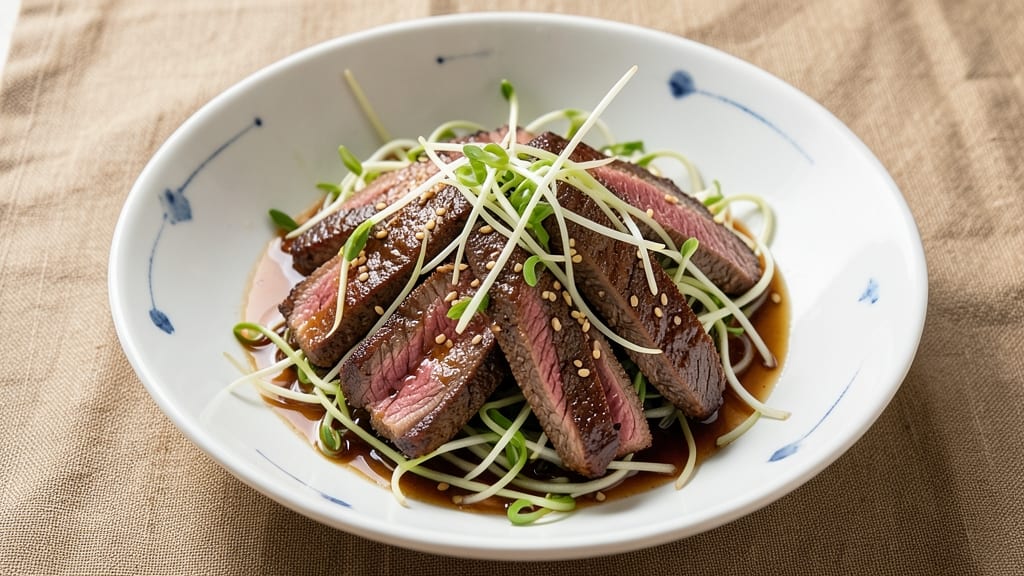
This beef and bean sprouts recipe delivers restaurant-quality wok-fired flavor in just 15 minutes, transforming simple ingredients into crisp-tender bites that balance protein and freshness perfectly. The secret lies in high-heat stir-frying, where beef develops a caramelized crust while bean sprouts maintain their signature crunch.
I've perfected this technique through countless weeknight dinners—it's become my go-to when craving something quick yet satisfying.
What sets this recipe apart is the harmony of textures and flavors: tender beef strips with a slight char, crisp bean sprouts that pop with each bite, and a savory-sweet sauce that ties everything together.
The process is straightforward—marinate the beef briefly, stir-fry at high heat, and toss with the sauce just before serving—but the results feel like a high-end restaurant dish. This method ensures maximum flavor with minimal effort, making it ideal for busy weeknights.
The dish comes together in four simple steps, with each component playing a crucial role: the beef must be sliced thinly for even cooking, the bean sprouts should be blanched briefly to soften without losing their crispness, and the sauce—made with soy sauce, garlic, and a touch of brown sugar—adds depth without overpowering.
The combination of these elements creates a dish that's both hearty and light, perfect for serving over steamed rice or as a standalone meal.
For an extra touch of sophistication, garnish with sliced green onions and sesame seeds before serving. The dish holds well for up to 24 hours in the refrigerator, making it a great option for meal prep.
Whether you're feeding a family or treating yourself to a quick, flavorful dinner, this recipe delivers consistent, restaurant-quality results every time.
Ingredients for beef and bean sprouts
High-heat wok-fired beef and bean sprouts rely on precise ingredients for that signature crisp-tender texture and savory-sweet balance.
| Ingredient | Amount | Notes |
|---|---|---|
| Flank Steak 🥩 | 1 lb | Thinly sliced against grain |
| Bean Sprouts 🌱 | 4 cups | Fresh, rinsed thoroughly |
| Green Onions 🧅 | 3 whole | Sliced into 1-inch pieces |
| Sesame Seeds 🌾 | 1 tbsp | Toasted for garnish |
| Low-Sodium Soy Sauce 🍶 | 3 tbsp | Kikkoman preferred |
| Oyster Sauce 🍶 | 1 tbsp | For depth of flavor |
| Brown Sugar 🍚 | 1 tbsp | Light or dark |
| Garlic Cloves 🧄 | 4 cloves | Minced finely |
| Fresh Ginger 🌿 | 1 tbsp | Grated finely |
| Vegetable Oil 🫒 | 2 tbsp | High smoke point |
| Cornstarch 🌾 | 1 tbsp | For tenderizing beef |
| White Wine 🍷 | ¼ cup | Dry variety |
| Steamed White Rice 🍚 | 2 cups | Cooked, for serving |
| Salt 🧂 | ½ tsp | Diamond Crystal preferred |
| Black Pepper 🌶️ | ¼ tsp | Freshly ground |
The flank steak is non-negotiable here—its lean, fibrous texture breaks down perfectly when sliced against the grain. Look for USDA Choice or Prime at Whole Foods or your local butcher shop for optimal marbling. If you can't find flank steak, sirloin or ribeye work in a pinch, but slice them even thinner. Bean sprouts should be bright green and crisp—avoid wilted bags. Rinse them well to remove any dirt or debris. The green onions and sesame seeds add freshness and crunch, so don't skip the final garnish. For the sauce, Kikkoman soy sauce delivers the right balance of saltiness without overpowering the dish.
No low-sodium soy sauce? Regular soy sauce at half the amount works, but reduce the salt in the dish. Substituting oyster sauce? Hoisin sauce at double the amount gives a similar sweet-savory profile. Fresh ginger and garlic are ideal, but powdered ginger at one-third the amount or garlic powder at half the amount will suffice. For the cornstarch, arrowroot powder is a one-to-one substitute. If you're avoiding alcohol, replace the white wine with an equal amount of beef broth—it won't be identical, but the dish will still shine. The key to tender beef is the cornstarch marinade, so don't rush this step.
Prep the bean sprouts first—they cook fastest. Blanch them for 30 seconds in boiling water, then shock in ice water to maintain crispness. The beef marinade keeps for 4 hours in the fridge, but the dish is best served immediately after cooking. If storing, refrigerate for up to 24 hours in an airtight container, but the texture will soften slightly. For meal prep, cook the beef and sauce separately, then combine with fresh bean sprouts just before serving. Garnish with sesame seeds and green onions right before eating to preserve their freshness.
Why You'll Love This Recipe
- Two-Ingredient Magic: I swear by this combo—flank steak and bean sprouts. The steak delivers that perfect chew, while the sprouts add a satisfying crunch that doesn’t wilt under the heat. Honestly, it’s the kind of dish where you realize you’ve been overcomplicating weeknight meals.
- Umami Bomb: That low-sodium soy sauce? It’s the secret weapon here. One quick toss, and suddenly you’ve got layers of savory depth without the salt overload. The sesame seeds add a nutty finish that makes every bite taste like you put in way more effort than you actually did.
- Lunchbox Hero: Between us, this is my go-to for meal prep. Slice the steak thin, toss it with the sprouts and sauce, and it holds up for days in the fridge. Pack it cold or reheat it—either way, it’s the kind of leftovers that actually get eaten. (Yes, even on a Tuesday night.)
- Budget Powerhouse: Flank steak stretches further than you’d think when sliced against the grain, and bean sprouts are one of those ingredients that give you serious volume for pennies. I’ll be real: it’s the kind of recipe that makes me feel like I’m feeding a crowd without breaking the bank.
Step-by-step instructions for wok-hot beef and bean sprouts
This method delivers restaurant-quality texture in record time—crisp-tender beef and vibrant sprouts with perfect wok hei.
Prep the Flank Steak for Maximum Tenderness
Place the 1 lb flank steak between two sheets of plastic wrap and pound it to an even ⅛-inch thickness using a meat mallet. This ensures even cooking and prevents tough, chewy bites. Once pounded, transfer the meat to a bowl and sprinkle with the 1 tablespoon cornstarch and 0.5 teaspoon salt. Toss gently to coat evenly—this creates a delicate crust that tenderizes the meat as it cooks.
Let the seasoned steak rest for 10 minutes at room temperature. This step is crucial—cold meat releases unevenly into the wok, leading to undercooked centers. While it rests, slice the 3 whole green onions into 1-inch pieces and set aside. The cornstarch coating will also help the beef develop a subtle sheen when cooked, signaling it's ready to flip.
Build the Flavor Base in the Wok
Heat a wok or large skillet over high heat until it's smoking hot. Add the 2 tablespoons vegetable oil and swirl to coat the surface evenly. Once the oil shimmers, add the 4 cloves minced garlic and 1 tablespoon grated fresh ginger, cooking for 30 seconds until fragrant but not browned—this prevents bitterness and ensures the aromatics meld into the sauce.
Add the prepped flank steak in a single layer, letting it sear undisturbed for 1-2 minutes until a golden crust forms. Here's the thing—don't move it yet. You'll know it's ready when the edges lift easily from the wok. This initial sear locks in juices and creates the foundation for your sauce. Once the steak releases, push it to one side of the wok and pour in the 0.25 cup white wine, scraping up any browned bits from the bottom.
Develop the Sauce and Cook the Sprouts
Return the steak to the center of the wok and reduce the heat to medium-high. Add the 3 tablespoons low-sodium soy sauce, 1 tablespoon oyster sauce, and 1 tablespoon brown sugar, stirring to combine. Let the sauce simmer for 1 minute until it thickens slightly and coats the steak—this is where the magic happens, creating a glossy, umami-rich glaze.
Push the steak and sauce to one side of the wok and add the 4 cups rinsed bean sprouts to the empty side. Stir-fry for 2-3 minutes until the sprouts are bright green and just beginning to wilt—you want them to maintain their crisp texture rather than turning mushy. Toss everything together and cook for another 30 seconds to ensure the sprouts absorb the flavorful sauce.
Finish with Crisp-Tender Perfection
Remove the wok from heat and transfer the beef and sprouts to a serving platter. The residual heat will carry the cooking process just enough to finish everything at the perfect doneness. Sprinkle with the 1 tablespoon toasted sesame seeds and the 0.25 teaspoon black pepper, tossing gently to distribute evenly. The sesame seeds add a nutty crunch that contrasts beautifully with the tender beef and crisp sprouts.
Serve immediately over the 2 cups steamed white rice, ensuring each bite delivers the perfect balance of textures—crisp-tender beef, vibrant sprouts, and a glossy sauce that clings to every strand of rice. The dish should be piping hot, with the aroma of garlic, ginger, and soy sauce filling the air. This is the moment that matters: serve while the wok hei (breath of the wok) is still present, carrying the essence of the dish to your table.
Pro Tips For Making Beef And Bean Sprouts
- Slice Against the Grain: Flank steak’s tough fibers run diagonally, so cutting them across (not with the grain) guarantees tender bites. I used to ignore this and ended up with chewy strips—now I slice thinly after resting, and every forkful melts.
- Blanch Sprouts First: Toss bean sprouts in boiling water for 30 seconds, then shock in ice water. This removes dirt, softens them slightly, and keeps them from turning mushy when stir-fried later. (Yes, it’s an extra step, but your dish won’t taste like wet cardboard.)
- Use a Cast Iron: The first 2 minutes of searing flank steak at screaming heat (450°F+) builds that crust you crave. A cast iron or heavy skillet holds heat better than nonstick—no, your cheap pan won’t cut it here. Crowd the meat, and it’ll steam instead of sear.
- Finish with Soy Sauce Last: Add low-sodium soy sauce in the final 30 seconds of cooking, not at the start. This keeps the bean sprouts crisp and the beef from absorbing too much liquid. (I learned this after serving a watery pile—don’t make my mistake.)
Regional styles of beef and bean sprouts
Chinese Stir-Fry Roots
This dish traces its origins to classic Chinese stir-fry traditions, where quick cooking over high heat preserves freshness while building deep flavor. In Cantonese cuisine, similar preparations use wok hei—the smoky aroma from high-heat cooking—to elevate simple ingredients.
The combination of beef and bean sprouts reflects the balance between protein and vegetables found in many regional Chinese dishes, particularly in Guangdong province, where stir-frying became an art form. 🌱
Korean Kimchi-Inspired Twist
For a Korean-inspired variation, swap the soy-oyster sauce for gochujang (Korean fermented chili paste) mixed with 1 tablespoon honey and 1 teaspoon sesame oil. Add 1 tablespoon chopped scallions and ½ teaspoon red pepper flakes to the sauce for a spicy, tangy kick.
Serve with steamed short-grain rice and a side of kimchi for an authentic Korean street-food vibe. The bean sprouts add a refreshing crunch that cuts through the bold flavors.
Japanese Teriyaki Adaptation
Transform this into a Japanese teriyaki-style dish by replacing the sauce with a homemade teriyaki glaze: mix 3 tablespoons soy sauce, 1 tablespoon mirin, 1 tablespoon sake, and 1 tablespoon brown sugar, then simmer until thickened.
Cook the beef and sprouts separately—first sear the beef in 1 tablespoon sesame oil, then toss the sprouts in ½ tablespoon soy sauce and 1 teaspoon toasted sesame seeds. Finish by drizzling the teriyaki sauce over everything and garnishing with shredded nori for an umami boost.
Thai Basil Heat Boost
Infuse this dish with Thai flavors by adding ¼ cup chopped Thai basil and 1 tablespoon fish sauce to the sauce. Stir in 1 teaspoon palm sugar (or brown sugar) and ½ teaspoon white pepper for a fragrant, aromatic twist.
Top with crushed peanuts and lime wedges for serving. The bean sprouts’ crispness contrasts beautifully with the rich, herby sauce, making this a perfect street-food-inspired meal. 🌶️
Vietnamese Caramelized Version
For a Vietnamese-inspired take, caramelize 2 tablespoons fish sauce and 1 tablespoon rock sugar in the wok until sticky, then add the beef and sprouts. Finish with 1 tablespoon chopped cilantro, 1 teaspoon lime zest, and a splash of fresh lime juice.
Serve with rice noodles or fresh baguette slices for a fusion twist. The bean sprouts’ freshness balances the deep, caramelized flavors perfectly.
American Home-Cook Adaptation
Simplify for home cooks by using Worcestershire sauce (1 tablespoon) instead of oyster sauce, and swap soy sauce for regular soy sauce (reduce to 2 tablespoons). Add ½ teaspoon smoked paprika for a subtle smokiness, and serve with cornbread or mashed potatoes for a comforting, home-style meal.
This version keeps the dish approachable while maintaining the crisp-tender texture that makes it special. 💡
Nutrition facts
Frequently asked questions
Can I substitute flank steak with another cut of beef?
For best results, use sirloin or ribeye—both work well when sliced thinly against the grain. Avoid tougher cuts like chuck; they won't tenderize properly in the 15-minute cooking window. If using pre-sliced beef from the grocery store, pat it dry thoroughly before cooking to ensure a good sear.
How do I keep bean sprouts crisp instead of soggy?
Blanch them for just 30 seconds in boiling water, then immediately shock in ice water. This preserves their crunch while softening slightly. For extra crispness, add them to the wok only 1 minute before serving—this ensures they stay vibrant and snappy. Avoid overcrowding the pan, as steam will make them limp.
What if I don't have white wine for deglazing?
No problem! Use beef broth, apple cider vinegar, or even dry sherry in a pinch. For a non-alcoholic option, 1 tablespoon lemon juice works well—it adds brightness but won't overpower the dish. The key is to scrape up those flavorful browned bits (fond) from the wok for maximum depth.
Can I make this dish ahead of time?
Cook the beef and sauce separately, then refrigerate in airtight containers for up to 24 hours. Reheat the beef gently in a skillet, then toss with fresh bean sprouts and sauce just before serving. The texture won't be identical, but it's still delicious. For best results, cook and serve immediately to capture that signature wok hei aroma.
Why does my beef turn out chewy instead of tender?
This usually happens when the meat isn't sliced thinly enough or isn't rested before cooking. Always slice against the grain and pound to ⅛-inch thickness. Let the meat rest for 10 minutes at room temperature before cooking—this ensures even doneness. If using frozen beef, thaw it completely first and pat it very dry before seasoning.