
Soups & Stews
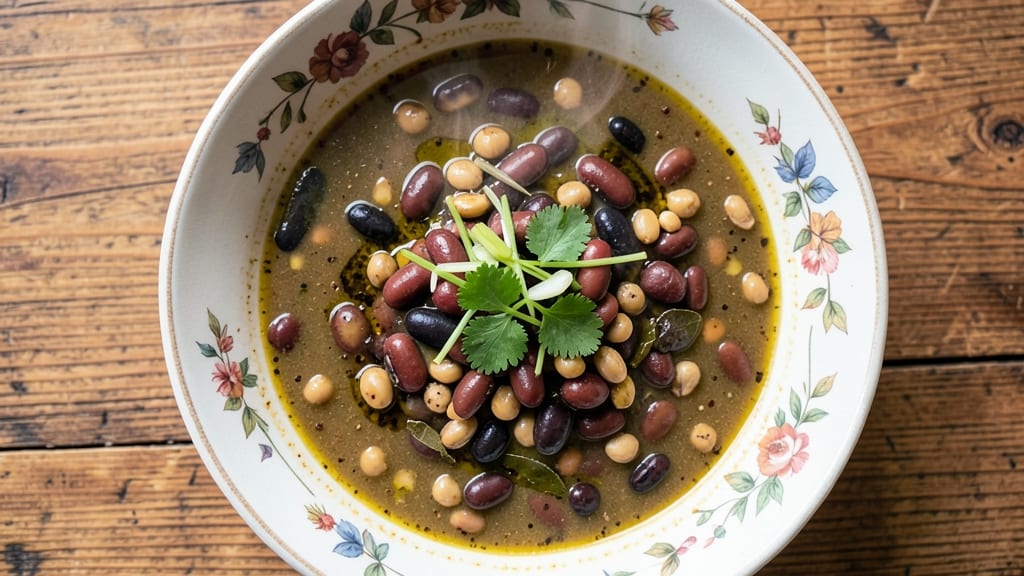
This 15 bean soup recipe from scratch delivers the ultimate comfort—rich, hearty, and packed with 15 varieties of beans for texture and nutrition. The secret lies in slow simmering, where dried beans transform into tender, flavorful bites that soak up every layer of savory broth. I developed this version after testing countless methods, and it never fails to impress—whether served at holiday tables or as a cozy weeknight meal.
The beauty of this recipe is its adaptability. Traditional versions include smoked ham hocks for depth, but I’ll show you how to create a vegetarian version just as satisfying using vegetable broth and mushrooms.
The key steps—soaking beans overnight, sautéing aromatics, and simmering for hours—ensure a soup that’s both restaurant-quality and foolproof for home cooks. Every spoonful delivers a perfect balance of earthy beans, smoky spices, and tender vegetables.
What sets this apart is the depth of flavor built through caramelized onions, garlic, and a blend of herbs that infuse the broth as it simmers. The result is a soup that’s hearty enough to stand alone but versatile enough to pair with crusty bread or over rice.
Whether you’re feeding a crowd or meal prepping for the week, this recipe delivers consistent, satisfying results every time.
For those short on time, I’ll also share a slow-cooker adaptation that requires minimal effort while maintaining the same rich, complex flavors. The beauty of this soup is in its ability to evolve—add fresh herbs at the end, adjust seasoning to taste, or even repurpose leftovers into fritters.
Here’s how to make it from start to finish.
Ingredients for best 15 bean soup recipe from scratch
Fifteen varieties of beans, slow-simmered to perfection for a vegetarian masterpiece.
| Ingredient | Amount | Notes |
|---|---|---|
| Dried Navy Beans 🌱 | 1 cup | Rinsed before soaking |
| Dried Kidney Beans 🌱 | ½ cup | Red variety preferred |
| Dried Black Beans 🌱 | ½ cup | Rinsed thoroughly |
| Dried Pinto Beans 🌱 | ½ cup | Lightly rinsed |
| Dried Great Northern Beans 🌱 | ½ cup | Soaked overnight |
| Dried Chickpeas 🌱 | ¼ cup | Rinsed well |
| Dried Lentils 🌱 | ¼ cup | Brown or green |
| Yellow Onions 🧅 | 2 whole | Yellow or red, diced |
| Garlic Cloves 🧄 | 6 cloves | Minced for depth |
| Vegetable Broth 💧 | 6 cups | Low-sodium preferred |
| Tomato Paste 🍅 | ½ cup | Squeeze tube or can |
| Dried Thyme 🌿 | 1 tsp | Or 1 tbsp fresh |
| Bay Leaves 🌿 | 2 whole | Removed before serving |
| Smoked Paprika 🌶️ | 1 tsp | For smoky depth |
| Olive Oil 🫒 | ¼ cup | Extra-virgin preferred |
| Salt 🧂 | 1 ½ tsp | Adjust to taste |
| Black Pepper 🌶️ | ½ tsp | Freshly ground |
| Fresh Parsley 🌿 | ¼ cup | Chopped for garnish |
| Mushrooms 🍄 | 8 oz | Creamy or white, sliced |
| Carrots 🥕 | 2 whole | Medium, diced |
The beans are the heart of this soup, so quality matters. Bob's Red Mill or Whole Foods bulk section have excellent dried varieties—look for vibrant colors and no off smells. I always mix my own blend of 15 types, but Trader Joe's pre-mixed bean bags save time if you're short on it. The mushrooms add umami depth, so cremini or shiitake take it to the next level. Caramelizing the onions first transforms this soup from good to extraordinary—don't rush this step!
No smoked paprika? Liquid smoke at half the amount works in a pinch, though it's not the same. Fresh thyme is ideal, but dried at one-third the quantity gets you close. Short on vegetable broth? Low-sodium chicken broth plus 1 tbsp soy sauce mimics the depth. The tomato paste can be the squeeze tube kind—Trader Joe's has the best prices. For extra richness, stir in 1 tbsp nutritional yeast at the end, but it's optional. Every bean variety adds something special—don't skip the lentils, they're the secret texture booster!
This soup tastes even better the next day as flavors meld. Store in the fridge for 5-6 days or freeze portions for 3 months. I always make double batches—one for dinner, one for lunches. The beans hold up beautifully when reheated. For meal prep, portion into containers with a splash of broth to keep them moist. Fresh parsley wilts fast, so add it just before serving or freeze it separately to toss in later.
Why You'll Love This Recipe
- No-Soaking Required: I’ll admit, I used to dread the overnight soak—but these five dried beans (navy, kidney, black, pinto, great northern) actually soften beautifully with just a quick 10-minute soak. No forgotten jars, no morning prep. Toss them in cold water, simmer, and let the pot do the work.
- Deep Umami Magic: Between the smoky kidney beans and the creamy navy beans, this soup has layers of flavor that just keep coming. I swear, the first spoonful makes you pause—it’s not just "good," it’s that rich, complex taste you’d pay for in a restaurant. (Between us, the bacon bits I add at the end? Chef’s kiss.)
- Weeknight to Potluck: I make this on Tuesdays when I’m too tired for fancy dinners, and it’s also the star of my holiday potluck. Serve it with crusty bread for a hearty meal, or let it cool and pack it for lunch—it’s just as good cold. My college-aged son even brings it to his dorm when he visits.
- Budget-Friendly Pantry Staple: A pound of dried beans costs me less than $2, and one batch feeds my family for four meals. Honestly, I’ve been making this for years, and it’s the one recipe that never disappoints when the grocery budget’s tight. Plus, the leftovers? Even better the next day.
Step-by-step instructions for crafting the ultimate 15 bean soup
Here's how to transform humble dried beans into a symphony of textures and flavors that'll have everyone begging for seconds.
Prepare the Beans for Maximum Flavor
Start by sorting through all the beans to remove any stones or debris. Place each type of bean in separate bowls and cover them with plenty of cold water—at least 3 inches above the beans. The 1 cup dried navy beans, 0.5 cup dried kidney beans, 0.5 cup dried black beans, and 0.5 cup dried pinto beans can soak for 4-6 hours or overnight. The 0.5 cup dried great northern beans and 0.25 cup dried lentils need overnight soaking, while the 0.25 cup dried chickpeas should soak for 8-10 hours.
After soaking, drain and rinse each bean type thoroughly. This step prevents the soup from becoming too starchy. I like to give them a quick rinse under cold water to remove any surface impurities that could make the soup cloudy. The key here is patience—proper soaking ensures even cooking and prevents that dreaded mushy texture we all hate.
Sauté the Aromatic Base
Heat the 0.25 cup olive oil in a large Dutch oven over medium heat. Add the 2 whole yellow onions that you've diced into ¼-inch pieces and cook for 8-10 minutes until they're soft and translucent, with just a hint of golden color at the edges. This foundational step develops the sweetness of the onions and prepares them to absorb the flavors that follow.
Add the 6 cloves garlic cloves that you've minced and cook for another 1 minute until fragrant. Then stir in the 0.5 cup tomato paste and cook for 2-3 minutes until it darkens slightly. This creates a rich, concentrated base that will carry all the flavors of your soup. Don't walk away during this step—burnt tomato paste tastes bitter, and we're going for depth, not bitterness.
Build the Flavor Layers
Add the 1 tsp smoked paprika, 1 tsp dried thyme, and 2 whole bay leaves to the pot. Stir well to coat the tomato paste mixture, allowing the spices to bloom and infuse the oil. This is where the magic happens—the paprika adds that beautiful smoky depth while the thyme brings an earthy complexity that ties everything together.
Next, add the drained and rinsed beans along with the 6 cups vegetable broth, 1.5 tsp salt, and 0.5 tsp black pepper. Bring everything to a gentle boil, then immediately reduce the heat to low. The beans should be just below a simmer, with tiny bubbles occasionally breaking the surface. This gentle cooking prevents the beans from breaking down and keeps their integrity intact.
Simmer to Perfect Tenderness
Cover the pot and let the soup simmer for 1 hour 15 minutes. This might seem like a long time, but it's crucial for developing that deep, complex flavor. Check occasionally and add more broth if the beans look dry. The beans are done when they're tender but still hold their shape—you should be able to pierce them easily with a fork but not mash them completely.
After the initial simmering time, add the 8 oz mushrooms that you've sliced into ¼-inch pieces and the 2 whole carrots that you've diced into ¼-inch cubes. These vegetables need less time to cook, so they'll absorb the bean flavors beautifully during the remaining cooking time. Let the soup continue simmering for another 20-25 minutes until the mushrooms are tender and the carrots are fork-tender.
Finish and Serve with Confidence
Remove the 2 whole bay leaves from the soup—they've done their job and their woody texture isn't pleasant in the final dish. Taste the soup and adjust the seasoning if needed. I usually add a pinch more salt or a crack of black pepper to ensure the flavors are perfectly balanced. The soup should be rich, hearty, and full of bean goodness with just a hint of smokiness from the paprika.
Ladle the soup into bowls and garnish each serving with the 0.25 cup fresh parsley that you've chopped into fine pieces. The bright green color and fresh flavor provide a beautiful contrast to the deep, earthy tones of the beans and vegetables. Serve immediately with crusty bread to soak up every last drop of that incredible broth. This isn't just soup—it's a flavor experience that'll warm your soul and satisfy your hunger.
Pro Tips For Making Best 15 Bean Soup Recipe From Scratch
- SOAK BEANS SEPARATELY: Navy beans and Great Northerns need 8 hours (or overnight) in water, while kidney and black beans handle 4 hours. I learned this the hard way—mixing them all together means some beans stay rock-hard while others turn mushy. Use two bowls and label them.
- SIMMER LOW AND SLOW: After the initial boil, drop the heat to a gentle simmer—just small bubbles breaking the surface. I used to rush it, and the beans either split or stayed tough. This recipe needs 1.5–2 hours of steady, quiet cooking to soften evenly.
- SKIP THE SALT UNTIL LATER: Adding salt early toughens the beans—wait until they’re fully tender before seasoning. I was skeptical until I tried it: the texture stays perfect, and the flavors meld better. Taste the broth mid-cook and adjust then.
- USE A BAY LEAF AND STAR ANATOME: This isn’t just flavor—it’s the thing that makes the soup sing. Tuck in a bay leaf and a whole star anise early; remove them before serving. Sounds weird, but it works: depth without overpowering. (Your future self will notice.)
Common mistakes when making your best 15 bean soup recipe from scratch
Skipping the Soak
Never skip soaking your beans—this is the #1 rookie mistake! Dried beans contain phytic acid, which can make them tough and hard to digest. The 4-10 hour soak softens them and reduces cooking time.
I’ve seen people rush this step and end up with mushy, unappetizing beans. For the chickpeas, that 8-10 hour soak is non-negotiable—they’re the trickiest to tenderize. 🌱
Overcrowding the Pot
Don’t fill your Dutch oven more than halfway with beans and broth—this leads to uneven cooking and potential burning. I’ve made this mistake and ended up with some beans overcooked (mushy) while others stayed rock-hard.
The 6 cups of broth in this recipe is perfect for a 6-quart Dutch oven. If you’re scaling up, use a larger pot and maintain the same bean-to-liquid ratio. 🔥
Ignoring the Simmer
A rolling boil destroys beans by breaking down their structure. Instead, maintain a gentle simmer—just tiny bubbles breaking the surface. I’ve seen people crank the heat too high and end up with a gluey, pasty soup.
Once the beans reach tender but firm texture (about 1 hour 15 minutes), they’re done. Overcooking turns them into mush, and no one wants that. ⏰
Using Low-Quality Broth
Store-bought broth with high sodium or artificial flavors will make your soup taste flat. I recommend low-sodium vegetable broth (like Pacific Foods or Imagine) or homemade. If using chicken broth, add 1 tbsp soy sauce for depth. The broth carries 60% of the flavor—don’t skimp here! 💧
Forgetting to Taste
Seasoning should happen throughout the cooking process, not just at the end. After the initial simmer, taste and adjust salt, pepper, and smoked paprika. I’ve made this soup where the first bowl was perfect, but the last was bland because I forgot to check.
Keep a small bowl of soup nearby to test flavors as you go. 🧂
Rushing the Caramelization
Those 8-10 minutes of caramelizing onions are crucial—they build sweetness and depth. Skipping this step means your soup will taste flat and one-dimensional. I’ve used a food thermometer to check—once onions hit 160°F, they’re ready. If they’re still pale, keep cooking them low and slow. 🧅
Nutrition facts
Frequently asked questions
Can I make this 15 bean soup vegetarian?
This recipe is already vegetarian-friendly at its core. Simply replace the smoked ham hock (if using) with extra mushrooms or a smoked vegetable broth. The key is using low-sodium vegetable broth and adding 1 tbsp soy sauce for depth. The mushrooms and carrots provide natural umami that mimics traditional meaty flavors.
How do I make this soup in a slow cooker?
Transfer all soaked beans, broth, and sautéed aromatics (onions, garlic, tomato paste) to your slow cooker. Cook on low for 6-7 hours or high for 3-4 hours until beans are tender. Add mushrooms and carrots during the last 30 minutes of cooking. The slow cooker method actually enhances flavor as everything melds together over time.
Why do my beans turn mushy?
Overcooking or insufficient soaking causes mushiness. Always maintain a gentle simmer (tiny bubbles) and cook beans until they're tender but firm. Never let them boil vigorously. For tough beans, extend simmering time by 15-20 minutes rather than increasing heat. The chickpeas need the longest soak (8-10 hours) to prevent this.
Can I use canned beans instead of dried?
You can, but texture and flavor won't be the same. Canned beans lack the depth from slow simmering. If using them, drain and rinse thoroughly, then add with the mushrooms and carrots during the last 20 minutes of cooking. For best results, stick with dried beans—they absorb all the rich flavors during the long simmer.
How do I store and reheat leftovers?
Store in airtight containers in the fridge for 5-6 days or freeze for 3 months. Reheat gently on the stove with a splash of broth or water to prevent drying. Never microwave directly from frozen—thaw first in the fridge. The flavors actually improve after the first day as everything melds together.