
Salads
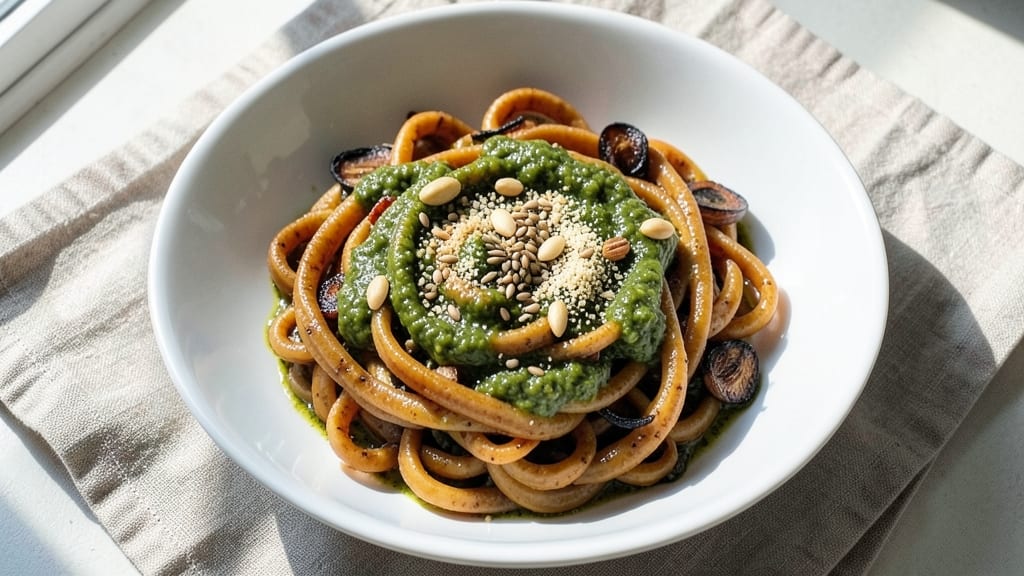
This black bean flour pasta recipe transforms humble ingredients into crispy, protein-rich noodles with a satisfying umami bite. The secret lies in balancing hydration and texture—black bean flour creates a sturdy yet tender dough that holds up beautifully during cooking.
Unlike traditional wheat pasta, this version delivers plant-based protein and a nutty depth that pairs perfectly with bold, vegan-friendly sauces.
The dough requires precise kneading and resting to develop elasticity, but the effort pays off with golden-brown edges and a satisfying bite. We’ll cover the exact hydration ratio (about 1:1 flour-to-water) and kneading technique to ensure your pasta cooks evenly and stays al dente.
No special equipment is needed—just patience and a food processor for smooth dough.
Once cooked, these noodles hold their shape while absorbing flavors like a dream. Toss them with garlic-infused olive oil, chili flakes, and fresh herbs for a simple yet restaurant-worthy dish.
The earthy, slightly sweet notes of black bean flour make it a standout for vegan diets, gluten-sensitive eaters, or anyone craving a heartier pasta experience.
Serve immediately for crispy texture or reheat gently to maintain chewiness. Pair with roasted vegetables, a creamy cashew sauce, or a tangy lemon-herb dressing. This recipe proves plant-based pasta can be just as satisfying as traditional—without compromising on flavor or texture.
Ingredients for black bean flour pasta
Earthy black bean flour meets simple pantry staples for pasta with restaurant-quality texture and plant-powered protein.
| Ingredient | Amount | Notes |
|---|---|---|
| Black Bean Flour 🌾 | 2 cups | High-protein, finely milled |
| Extra-Virgin Olive Oil 🫒 | ½ cup | Cold-pressed for flavor |
| Water 💧 | 1 ¼ cups | Room temperature preferred |
| Salt 🧂 | 1 ½ tsp | Fine sea salt |
| Garlic Cloves 🧄 | 2 whole | Minced for aroma |
| Nutritional Yeast 🧀 | 2 tbsp | For cheesy depth |
| Ground Flaxseed 🌰 | 1 tbsp | For binding |
| Chili Flakes 🌶️ | 1 tsp | Adjust for heat |
| Fresh Parsley 🌿 | ¼ cup | Chopped for garnish |
| Lemon Juice 🍋 | 1 tbsp | Freshly squeezed |
| Semolina Flour 🌾 | ¼ cup | For dusting |
| Coconut Oil 🥥 | 2 tbsp | For cooking |
The black bean flour is the star here—Bob's Red Mill or Anthony's Goods are my go-tos for consistent texture. Look for a fine grind; coarser flour can create a gritty dough. If you can't find black bean flour, chickpea flour works in a pinch, though the flavor will differ slightly. The hydration ratio is critical: too much water makes the dough sticky, too little results in dry pasta. Balance is key, and the dough should feel like wet sandpaper when kneaded. For an extra boost of umami, add 1 tbsp of miso paste to the dough—it deepens the flavor without altering texture.
No flaxseed? Chia seeds ground into a powder work just as well for binding, though flaxseed has a slightly nuttier profile. Substituting nutritional yeast? White miso paste at half the amount provides a similar savory punch. The coconut oil is non-negotiable for cooking—its high smoke point ensures crispy edges without burning. For a gluten-free option, ensure your black bean flour is certified gluten-free, as some brands may process in shared facilities. If you're short on time, pre-mix the dry ingredients in a bowl and store in an airtight container for up to 2 weeks—just add water and knead when ready.
Fresh parsley wilts quickly, so store it in a damp paper towel-lined container for up to 5 days. The dough can be wrapped in plastic and refrigerated for 3 days or frozen for 3 months—thaw overnight in the fridge before rolling. Cooked pasta reheats best in a dry skillet over medium heat for 2-3 minutes, stirring constantly to maintain crispiness. Portion into single servings before freezing to avoid clumping. For extra crispiness, toss cooked pasta with 1 tsp of cornstarch before serving—it absorbs moisture and enhances that satisfying crunch.
Why You'll Love This Recipe
- Four-Ingredient Magic: I swear by this—just black bean flour, olive oil, water, and salt. That’s it. No fancy prep, no waiting for dough to rise, just mix, knead, and roll. My lazy Saturdays just got a whole lot easier.
- Nutty Earthy Kick: The black bean flour gives it this deep, toasty flavor that’s nothing like regular pasta. Add a splash of olive oil and minced garlic, and you’ve got a dish that tastes like it simmered for hours—even if it’s ready in 20 minutes.
- Meal Prep MVP: This pasta holds up perfectly for leftovers. Toss it with roasted veggies or a simple tomato sauce, and it’s still hearty and satisfying the next day. Honestly, I make a big batch on Sundays and eat it all week—no sad, mushy pasta here.
- Budget-Friendly Protein: Black bean flour is a game-changer for stretching meals. It’s packed with fiber and plant-based protein, so you’re feeding your family without breaking the bank. Plus, the ingredients cost a fraction of what store-bought pasta does. Win-win.
Step-by-step instructions for black bean flour pasta
Here's the method for crafting crispy, protein-rich pasta with a satisfying bite and nutty depth.
Mix the Dough to Achieve Perfect Elasticity
In a large mixing bowl, combine the 2 cups black bean flour with 1.5 teaspoons salt, 2 tablespoons nutritional yeast, 1 tablespoon ground flaxseed, and 1 teaspoon chili flakes. I like to whisk these dry ingredients first to ensure even distribution of the nutritional yeast and flaxseed, which adds binding properties and a cheesy note to the final texture.
Next, create a well in the center and add 0.5 cup extra-virgin olive oil and 1.25 cups water. Using a wooden spoon or your hands, gradually incorporate the wet ingredients into the dry, mixing until a shaggy dough forms. The dough should be soft but not sticky—if it feels too dry, add 1 teaspoon water at a time until it comes together. Let it rest for 10 minutes while you prepare the next step. This resting period allows the flaxseed to hydrate and the gluten to relax, making the dough easier to handle.
Knead and Rest for Optimal Texture
Transfer the dough to a lightly floured surface and knead for 5-7 minutes until smooth and elastic. I press down firmly with the heel of my hand and fold the dough over itself, rotating it a quarter turn after each fold. This technique develops the gluten structure, which is crucial for preventing the pasta from turning gummy when cooked. If the dough feels too sticky, dust with 1-2 tablespoons semolina flour—this prevents sticking and adds a subtle nutty flavor.
Shape the dough into a log, wrap it tightly in plastic wrap, and refrigerate for at least 30 minutes (or up to 24 hours). This cold rest is essential for achieving crispy pasta—it firms up the dough, making it easier to roll thin and preventing the noodles from spreading excessively during cooking. The longer it rests, the better the texture, but even 30 minutes makes a noticeable difference.
Roll and Cut the Pasta for Even Cooking
Preheat your oven to 375°F and line two baking sheets with parchment paper. On a lightly floured surface, use a rolling pin to roll the chilled dough into a 1/8-inch thick sheet. I find that rolling it gradually from thick to thin yields the most consistent results—start with 1/4-inch thickness and roll progressively thinner until you reach the desired gauge. Dust the sheet with semolina flour as you roll to prevent sticking.
Use a sharp pasta cutter or knife to slice the sheet into 1/4-inch wide strips. If you don't have a cutter, score the dough with a knife at 1/4-inch intervals and carefully lift each strip. Immediately transfer the cut pasta to the prepared baking sheets, spacing them 1 inch apart to allow for even crisping. The semolina coating will give the pasta its signature crispy texture, so don't skip this step.
Bake for Crispy Perfection
Bake the pasta for 12-15 minutes, flipping the sheets halfway through, until the edges are deep golden brown and the noodles look dry to the touch. Watch closely after 10 minutes—the pasta should be crisping but not burning. The coconut oil in the recipe helps achieve that perfect balance of crispiness and chewiness. Remove from the oven and let cool for 5 minutes before storing in an airtight container.
To cook, bring a pot of salted water to a boil and add the pasta. It should cook in 2-3 minutes—black bean flour pasta cooks faster than traditional wheat pasta. Drain and toss immediately with 1 tablespoon lemon juice and 2 tablespoons chopped fresh parsley. The acidity of the lemon brightens the earthy flavors, while the parsley adds freshness. Serve with your favorite sauce or simply enjoy the crispy noodles as-is for a satisfying, umami-packed bite.
Pro Tips For Making Black Bean Flour Pasta
- WHISK VIGOROUSLY: Black bean flour is stubborn—it clumps like a bad hair day. Use a fork first to break up any lumps, then switch to a whisk and stir like you’re mixing a cocktail. The goal is a smooth batter, not a gritty mess that’ll turn your pasta into a textured disaster.
- SALT THE WATER HARD: This isn’t your grandma’s pasta water. Black bean flour pasta needs a serious salt bath—think 1½ tablespoons per quart of water, not the "lightly seasoned" stuff. The flour absorbs less salt than wheat, so you’ve got to compensate. Trust me, bland pasta is a crime.
- STOP STIRRING AT 90 SECONDS: I learned this the hard way—over-mixing turns your batter into glue. Once you’ve whisked the flour, water, and olive oil into a thick, shimmery paste (about 90 seconds), stop. Any longer and you’ll end up with a chewy, dense noodle instead of the tender, al dente strands you want.
- GARLIC NEEDS A HEAD START: Don’t toss raw garlic into the pot after the pasta cooks—it’ll just sit there like a sad, undercooked guest. Sauté 2 minced cloves in olive oil until they’re golden and fragrant before adding the pasta water. That way, the aroma infuses the cooking liquid, and your sauce won’t taste like an afterthought.
Troubleshooting perfect results
Dough Too Sticky?
Black bean flour absorbs moisture differently than wheat flour, so the dough may feel overly sticky. If it clings to your hands or surface, add 1-2 tablespoons semolina flour (or all-purpose flour in a pinch) while kneading.
Work it in gradually—too much flour will make the pasta dry and crumbly. I’ve found that resting the dough for 10 extra minutes before kneading helps too, as it allows the flaxseed to bind better. 💫
Pasta Breaks While Rolling
If your dough tears when rolling, it’s likely under-rested or too dry. First, ensure you’ve chilled the dough for at least 30 minutes—this firms it up.
If it’s still fragile, lightly dust the rolling surface with semolina flour and roll more gently, starting thicker (¼-inch) and gradually thinning. For extra strength, add 1 teaspoon ground flaxseed to the dough if you have leftovers.
Avoid overworking it, as black bean flour dough can turn gummy if over-kneaded.
Cooked Pasta Turns Mushy
Black bean flour pasta cooks faster than wheat pasta—2-3 minutes max in boiling water. If it turns mushy, you’ve overcooked it. Test a piece early by tasting it (it should be al dente with a slight bite).
For extra crispiness, toss cooked pasta with 1 teaspoon cornstarch before serving. If storing, refrigerate in a single layer and reheat in a dry skillet over medium heat for 2-3 minutes, stirring constantly to restore crispness.
Baked Pasta Won’t Crisp
Crispy edges depend on semolina flour and coconut oil—skip either, and you’ll lose that satisfying crunch. Preheat your oven to 375°F and bake on the middle rack for even heat distribution. If your pasta still feels soft, bake 2-3 minutes longer and flip the sheets halfway.
For a pro trick, broil for 1-2 minutes at the end (watch closely!) to intensify browning. Avoid overcrowding the baking sheets—1-inch spacing ensures air circulation for crispiness.
Dough Too Dry or Crumbly
If your dough feels dry or falls apart, it needs more moisture. Gradually add 1 teaspoon water at a time until it holds together. Black bean flour varies by brand—Bob’s Red Mill tends to absorb less moisture than Anthony’s Goods.
For a backup, mix 1 tablespoon aquafaba (chickpea brine) into the water to improve elasticity. If the dough still crumbles, let it rest 15 minutes covered with a damp towel before kneading again. 🌟
Nutrition facts
Frequently asked questions
Can I make this pasta without semolina flour?
Yes, but you may lose some crispiness. Replace semolina with all-purpose flour or rice flour for dusting, though semolina adds a nutty flavor and better texture. For extra crunch, toss cooked pasta with 1 teaspoon cornstarch before serving. The key is ensuring your rolling surface is well-dusted to prevent sticking.
How do I store leftover black bean flour pasta?
Store cooked pasta in an airtight container in the fridge for 3-4 days or freeze for 1 month. For best texture, reheat in a dry skillet over medium heat for 2-3 minutes, stirring constantly. Avoid microwaving—it makes the pasta soggy. To prevent clumping, freeze in single layers separated by parchment paper.
What's the best sauce to pair with this pasta?
This pasta's earthy, nutty flavor pairs beautifully with creamy cashew sauce, garlic-infused olive oil with chili flakes, or a tangy lemon-herb dressing. For extra protein, try a white bean and tomato sauce or a smoky chipotle cashew cream. The crispy texture holds up well to both light and hearty sauces.
Is black bean flour pasta gluten-free?
Yes, if using certified gluten-free black bean flour. Always check the package label, as some brands may process in facilities that handle gluten. The recipe naturally replaces wheat flour with a plant-based alternative that's also higher in protein and fiber. For extra safety, use separate utensils and surfaces if you're avoiding cross-contamination.
Why does my dough feel different than wheat pasta dough?
Black bean flour has a higher protein content and absorbs moisture differently, making the dough denser and less elastic. It requires more kneading (5-7 minutes) and a longer rest (30+ minutes) to develop proper texture. The dough should feel firm but not crumbly—if it's too sticky, add semolina flour gradually while kneading.