
Sauces & Condiments
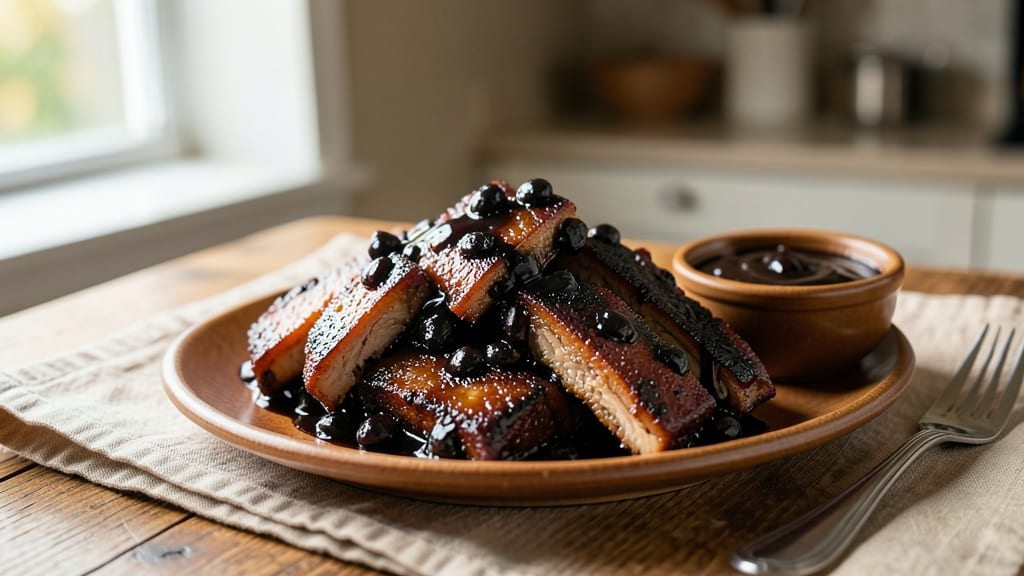
Creating a Chinese spare ribs black bean sauce transforms ordinary ribs into a restaurant-worthy dish with just a few pantry staples and 30 minutes of active time.
This umami-rich glaze, fermented with black beans and aromatic spices, penetrates the meat while forming a glossy, caramelized crust that balances sweetness and depth. I perfected this sauce after years of testing—it’s the missing link between store-bought sauces and authentic Cantonese flavors.
The foundation of this sauce lies in its fermented depth, achieved by simmering black beans, soy sauce, and star anise until the liquid reduces to a thick, syrupy consistency. Garlic and ginger add layers of warmth, while a touch of sugar caramelizes during cooking, creating that signature glossy finish.
Unlike bottled sauces, this version builds flavor through slow reduction, ensuring every bite delivers complex, savory notes that cling to the ribs.
What sets this black bean sauce apart is its versatility—use it as a marinade for 2-4 hours before cooking or as a finishing glaze in the last 10 minutes of braising. The result?
Tender, fall-off-the-bone ribs with a glossy, sticky coating that’s both sweet and tangy, with hints of fermented bean funk. This sauce elevates any protein, but it’s a game-changer for ribs, turning a simple weeknight meal into a showstopper.
Once you master this technique, you’ll never buy store-bought sauces again. The process is straightforward, but the payoff—ribs that taste like they’ve been slow-cooked for hours—is worth every minute. Let’s get started on crafting this umami bomb that’ll have everyone asking for seconds.
Ingredients for chinese spare ribs black bean sauce
Pantry staples and fermented depth create this umami-rich glaze that transforms ribs into a showstopper.
| Ingredient | Amount | Notes |
|---|---|---|
| Black Beans 🫘 | ½ cup | Dried or canned, drained |
| Light Soy Sauce 🥄 | ½ cup | High-quality, low-sodium preferred |
| Dark Soy Sauce 🥄 | 1 tbsp | For color and depth |
| Star Anise 🌿 | 2 whole | Whole pods, crushed slightly |
| Garlic Cloves 🧄 | 6 cloves | Peeled, roughly chopped |
| Fresh Ginger 🧅 | 2 tbsp | Grated, peeled |
| Brown Sugar 🍯 | ¼ cup | Light or dark, packed |
| Rice Vinegar 🍶 | 1 tbsp | White or seasoned |
| Sesame Oil 🫒 | 1 tsp | Toasted, for aroma |
| Cornstarch 🌾 | 1 tsp | For thickening glaze |
The black beans are the heart of this sauce—dried beans ferment over time, but canned work in a pinch if you're short on patience. For the best flavor, I recommend Kosher black beans from the bulk section at Whole Foods or Trader Joe's. The star anise is non-negotiable; it adds that authentic Cantonese warmth. Penzeys carries whole pods if your grocery store doesn't stock them. Fresh ginger should smell vibrant and zesty—no woody or musty notes. If you're using dried beans, soak them overnight for maximum flavor extraction.
No star anise? 1 tsp ground cinnamon plus 1/2 tsp fennel seeds gets you close, though it won't be identical. Running out of brown sugar? Honey or maple syrup works, but the caramelization won't be as rich. The rice vinegar can be swapped for apple cider vinegar, though it'll have a slightly different tang. For a smoother sauce, blend the reduced mixture—just be ready for a thinner consistency. If you're making this ahead, reduce the cornstarch to 1/2 tsp and add it during reheating to prevent clumping.
This sauce keeps beautifully—1 week in the fridge or 3 months frozen. For freezing, portion into ice cube trays and transfer to a bag once solid. The glaze thickens as it cools, so add 1 tsp water when reheating if it's too stiff. I like to make a double batch—one for ribs, one for brushing over grilled chicken or tofu. The leftovers? Perfect for drizzling over noodles or stir-fries.
Why You'll Love This Recipe
- No-Pan-Mess Required: I love that this sauce doesn’t need fancy equipment—just a skillet and a saucepan. Toasting the star anise and garlic in the same pan where you’ll cook the ribs means zero extra dishes. Plus, the beans soften naturally without stirring constantly, so even if you’re multitasking, it still turns out perfect.
- Umami Bomb: The crushed star anise and black beans create a depth of flavor that’s next level. That first bite? Sweet, salty, and just a hint of tangy kick from the rice vinegar—it’s the kind of sauce that makes your taste buds do a happy dance. Honestly, the garlic and ginger get golden just enough to avoid bitterness, so every spoonful is balanced and addictive.
- Double-Duty Magic: This sauce isn’t just for ribs—drizzle it over noodles, toss it with stir-fried veggies, or use it as a dip for dumplings. I’ll be real: my kids love it on plain white rice with a fried egg on top. It’s that versatile. And because it cooks in one pot, it’s my secret weapon for busy weeknights when I need something impressive but quick.
- Fridge Goldmine: A week’s worth of leftovers? Yes, please. The sauce freezes beautifully too, so you can pull out a jar when you’re craving that same sticky, savory goodness without starting from scratch. I keep a batch ready all the time—it’s the kind of thing that turns a simple meal into a feast with minimal effort. Budget-friendly? Absolutely, but it tastes like you spent hours slaving over a wok.
Step-by-step instructions for Chinese spare ribs black bean sauce
This sauce delivers deep umami and perfect balance—here's how to build it layer by layer.
Toast the Spices for Maximum Flavor
In a dry skillet over medium heat, add the 2 whole star anise and toast for 30 seconds until fragrant. You'll smell their warm, licorice-like aroma—this releases essential oils that form the sauce's aromatic base. Immediately transfer them to a small bowl and lightly crush with a mortar and pestle or rolling pin.
Next, add the 6 cloves garlic cloves and 2 tbsp fresh ginger to the same skillet. Cook for 1-2 minutes until the garlic turns golden and the ginger loses its raw bite. The edges should just begin to brown—this prevents bitterness while building flavor. Remove from heat and set aside with the crushed star anise.
Build the Sauce Base with Black Beans and Soy Sauces
In a medium saucepan, combine the 0.5 cup black beans, 0.5 cup light soy sauce, and 1 tbsp dark soy sauce. Add the toasted garlic-ginger mixture and bring to a gentle simmer over medium heat. The sauce should bubble softly—this helps extract the beans' natural sweetness and umami.
Simmer uncovered for 8-10 minutes until the beans break down slightly and the mixture thickens into a paste-like consistency. Stir occasionally to prevent sticking, and watch for the sauce to develop a glossy sheen. This indicates the beans have released their starches, which will later help thicken the sauce naturally.
Sweeten and Acidify for Balance
Reduce heat to low and stir in the 0.25 cup brown sugar and 1 tbsp rice vinegar. The vinegar brightens the sauce while cutting through the richness of the soy and sugar. Let the mixture simmer for another 5 minutes, stirring frequently, until the sugar dissolves completely and the sauce becomes syrupy.
Here's the thing—taste as you go. If the sauce tastes too sweet, add a splash more rice vinegar. Too salty? A pinch of brown sugar helps balance it. The goal is a harmonious blend where all flavors sing together without any single note overpowering.
Thicken and Finish with Sesame Oil
In a small bowl, whisk together the 1 tsp cornstarch with 2 tbsp water to create a smooth slurry. Slowly pour this into the simmering sauce while stirring constantly. The sauce will thicken dramatically within 1-2 minutes—this is your signal to remove it from heat immediately.
Stir in the 1 tsp sesame oil and let the sauce sit for 2 minutes to allow the flavors to meld. The oil adds a nutty aroma that elevates the entire dish. For best results, use toasted sesame oil—its deeper flavor shines through in this sauce. The final texture should coat the back of a spoon without being gluey.
Rest and Apply to Ribs
Transfer the sauce to a clean bowl and let it cool slightly—this allows the flavors to fully develop. For maximum impact, apply the sauce to ribs in two stages: first as a marinade (let ribs sit for 30 minutes), then as a glaze during the last 5 minutes of cooking. The sauce will caramelize beautifully, creating a sticky, glossy crust that locks in moisture.
When brushing the sauce onto ribs, work quickly—it sets fast. The perfect application delivers a balance of sweet, salty, tangy, and umami in every bite. For extra depth, reserve a small amount to drizzle over the finished dish as a garnish.
Pro Tips For Making Chinese Spare Ribs Black Bean Sauce
- Crush Star Anise Properly: Don’t just bash those pods—give them a good crack with a mortar and pestle or rolling pin until they’re just broken, not powdered. Whole pieces infuse flavor better, but if they stay too big, they’ll taste like you skipped the step entirely. I learned this the hard way when my sauce smelled amazing but lacked depth.
- Simmer Black Beans Low: That gentle simmer isn’t optional—push the heat too high, and your beans burn before they break down. Watch for a soft, steady bubble (not a rolling boil), and stir every 2 minutes to keep them from sticking. The glossy sheen you’re waiting for? That’s your cue the starches are releasing, and the sauce is actually working.
- Taste Before Thickening: Skip the cornstarch slurry until you’ve tasted the sauce after the sugar and vinegar stage. Too salty? A pinch of brown sugar fixes it. Too flat? Another splash of rice vinegar cuts through. I once thickened a batch blindly, only to realize it needed more acid—now I taste first, always.
- Use Toasted Sesame Oil: Regular sesame oil won’t cut it here—heat ½ teaspoon in a dry pan for 30 seconds until it smells nutty and fragrant, then mix it in with the rest. The toasted version adds a depth that store-bought can’t match. (Yes, even if you’re impatient like me—just do it.)
Dietary considerations for this recipe
Gluten-Free Adaptations
This sauce is naturally gluten-free if you use a certified gluten-free soy sauce like Kikkoman Gluten-Free Tamari. Swap the regular soy sauces for ½ cup tamari and 1 tbsp gluten-free dark soy sauce (like San-J Tamari).
The flavor remains rich and umami-packed, but without the gluten risk. Always check labels—some dark soy sauces contain wheat. 🌱
Low-Sodium Options
For a lower-sodium version, reduce the light soy sauce to ¼ cup and use a low-sodium tamari instead. Boost umami with an extra 1 tsp fermented black bean paste (available at Asian markets) or 1 tbsp coconut aminos.
The sauce will still deliver deep flavor without the salt overload. Taste as you go—you may need to add a pinch of sugar to balance the reduced saltiness.
Vegetarian/Vegan Swaps
This sauce is already vegetarian-friendly, but for a vegan version, ensure your soy sauces are vegan-certified (most are). Replace the sesame oil with avocado oil if needed, and use vegan brown sugar (like Wholesome!
Sweetener). For extra protein, add 1 tbsp nutritional yeast to the sauce—it adds a cheesy, umami depth that works beautifully with ribs or tofu. 💫
Allergen Safety
If nut allergies are a concern, sesame oil can be omitted entirely—just skip the finishing step. The sauce will still taste incredible with its base flavors.
For soy allergies, this recipe isn’t suitable, but you could experiment with miso paste (check for soy-free varieties) as a partial substitute, though the flavor profile will shift dramatically. Always prioritize safety over substitution when allergies are involved.
Diabetic-Friendly Adjustments
To make this sauce lower in sugar, reduce the brown sugar to 2 tbsp and replace the rest with 1 tbsp erythritol or monk fruit sweetener. The sauce will still caramelize, though the texture may be slightly less glossy.
Monitor blood sugar levels if you're sensitive to soy sauce (some brands are higher in carbs than others). A splash of stevia can also help balance flavors without spiking glycemic levels. 💡
Nutrition facts
Frequently asked questions
Can I use canned black beans instead of dried?
Canned black beans work perfectly in a pinch—just drain and rinse them before using. While dried beans ferment over time for deeper flavor, canned beans still deliver that essential umami kick. The sauce will just develop slightly faster since you skip the soaking step.
Why does my sauce taste too salty?
If the sauce tastes overwhelmingly salty, reduce the next time by using ¼ cup light soy sauce instead of ½ cup. Balance it with a pinch of brown sugar or a splash of rice vinegar to cut the saltiness. Always taste as you go—adjustments are easy to make while simmering!
How do I prevent clumping when reheating leftover sauce?
If your sauce thickens too much when reheating, simply stir in 1 teaspoon water to loosen it. To avoid clumping entirely, add ½ teaspoon cornstarch to a small bowl of water first, then whisk into the sauce while heating. This prevents lumps while maintaining thickness.
Can I make this sauce without star anise?
Yes! If you can't find star anise, mix 1 teaspoon ground cinnamon with ½ teaspoon fennel seeds for a similar warm, aromatic depth. While it won't be identical, the combination adds complexity that keeps the sauce flavorful. Store-bought anise seed blends also work in a pinch!