
Main Courses
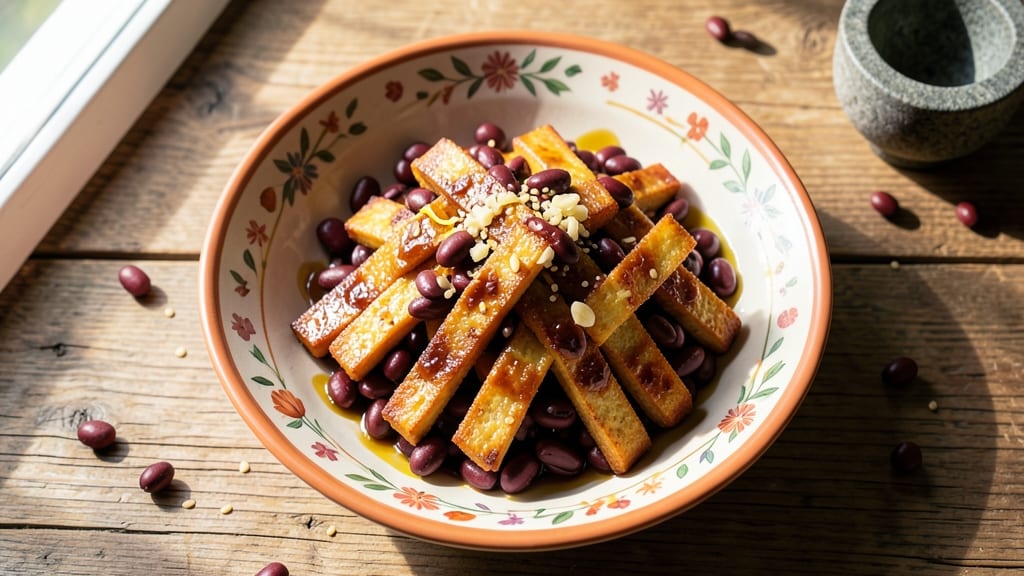
This adzuki bean and tempeh recipe delivers crispy edges and deep umami flavor in every bite, proving plant-based meals can be just as satisfying as meat dishes.
The marriage of earthy adzuki beans and fermented tempeh creates a protein-packed bowl with texture contrast—tender tempeh cubes with crispy exteriors and creamy bean centers. I developed this recipe after realizing how often tempeh gets overlooked in favor of tofu, and the crispy technique transforms it into something truly special.
The foundation starts with properly marinating the tempeh in soy sauce and garlic for at least 30 minutes (longer if possible), which builds flavor and helps create that signature crispy texture when pan-fried.
Meanwhile, adzuki beans simmer until tender but still hold their shape, absorbing the savory broth without becoming mushy. What makes this dish work is balancing these two proteins with simple vegetables and a tangy sesame dressing that ties everything together.
By the time you plate this bowl, you'll have a restaurant-quality dish with golden-crispy tempeh pieces, perfectly cooked beans, and vibrant vegetables all coated in that umami-rich sauce. The texture contrast alone makes it unforgettable—each bite delivers crispy edges that give way to tender centers.
This is the kind of meal that converts even the most skeptical plant-based eaters.
Serve over steamed rice for a complete meal, or pair with miso soup and pickled vegetables for an authentic Asian-inspired spread. The recipe scales beautifully for meal prep, making it perfect for busy weeknights when you want something nourishing without sacrificing flavor.
Let's get cooking—this bowl delivers on both nutrition and satisfaction.
Ingredients for adzuki bean tempeh
Earthy adzuki beans meet crispy tempeh in this umami-rich protein bowl, delivering restaurant-quality texture contrast.
| Ingredient | Amount | Notes |
|---|---|---|
| Adzuki Beans (Dried) 🌾 | 1 ½ cups | Rinsed thoroughly before cooking |
| Tempeh 🍄 | 1 lb | Firm, organic preferred |
| Low-Sodium Soy Sauce 🥄 | ½ cup | For marinating tempeh |
| Garlic Cloves 🧄 | 6 cloves | Minced for marinade |
| Sesame Oil 🫒 | 2 tbsp | Toasted sesame oil preferred |
| Vegetable Oil 🫒 | ¼ cup | For pan-frying tempeh |
| Red Bell Pepper 🌶️ | 1 whole | Sliced into thin strips |
| Carrot 🥕 | 2 whole | Julienned for crunch |
| Green Onion 🧅 | 3 whole | Thinly sliced for garnish |
| Sesame Seeds 🥜 | 2 tbsp | Toasted for garnish |
| Rice Vinegar 🍶 | 2 tbsp | For sesame dressing |
| Maple Syrup 🍯 | 1 tbsp | For sweetness balance |
| White Sesame Paste 🥜 | 1 tbsp | For dressing thickness |
| Jalapeño Pepper 🌶️ | 1 whole | Seeds removed, minced |
| Sea Salt 🧂 | 1 ½ tsp | Adjust to taste |
The tempeh is the star here—organic tempeh from Whole Foods or Lightlife brand delivers the best texture. Look for firm tempeh with minimal cracks, as it holds its shape better during frying. The adzuki beans should be plump and vibrant when soaked, not shriveled. For the soy sauce, Kikkoman or San-J brands provide that perfect balance of saltiness without overwhelming the dish. The garlic should be freshly minced to avoid bitterness in the marinade, and the sesame oil needs to be toasted for that nutty aroma that elevates the entire bowl.
No organic tempeh? Lightlife or Trader Joe's brands are excellent alternatives, though organic tempeh has a slightly firmer texture. Short on sesame oil? Toast regular sesame seeds in a dry pan for 1-2 minutes until fragrant, then grind into a paste with a pinch of salt. The jalapeño can be omitted if you prefer no heat, or swap for fresh serrano peppers for extra spice. For the dressing, if you can't find white sesame paste, blend toasted sesame seeds with a splash of water until smooth. The red bell pepper and carrot can be swapped for shredded cabbage or snap peas if you're looking for different textures.
Tempeh marinates best in the fridge for at least 30 minutes, but overnight works too—just drain it before frying. The cooked adzuki beans keep well in the fridge for 5 days in their cooking liquid, and the tempeh can be pre-fried and stored separately for 3 days. The sesame dressing stays fresh for 5 days in an airtight container, though it's best used within 2 days for maximum flavor. For meal prep, assemble the bowls just before serving to maintain crispiness—reheat the tempeh and beans separately and toss with fresh vegetables and dressing.
Why You'll Love This Recipe
- No-Soaking Required: I’ll admit, dried adzuki beans usually need hours of soaking—but not here. Just a quick rinse and simmer, and you’re done. That’s 20 minutes I’d rather spend scrolling through memes than staring at a bowl of water.
- Umami Bomb Combo: The tempeh soaks up the soy sauce like a sponge, while the adzuki beans turn tender with just a hint of earthiness. Toss in minced garlic and a drizzle of sesame oil, and—chef’s kiss—you’ve got a flavor punch that’ll make your taste buds do a happy dance.
- Lunchbox Hero: This recipe doubles as a hearty salad or a filling bowl when you’re short on time. Pack the leftovers in mason jars for work lunches, or serve it cold over rice for a no-fuss dinner. My college self would’ve cried happy tears over this.
- Budget Meal, Big Payoff: Adzuki beans and tempeh are pantry staples that won’t break the bank, and they stretch across multiple meals. Honestly, I’ve made this stretch into four lunches with zero waste—plus, the leftovers taste even better the next day. Win-win.
Step-by-step instructions for adzuki bean and tempeh protein bowl
Master the art of balancing textures and flavors in this umami-rich bowl.
Prepare the Tempeh for Perfect Crispy Edges
Slice the 1 lb tempeh into ¼-inch thick rectangles, then cut each slice diagonally into ½-inch wide strips. This creates maximum surface area for crispy edges. Place the strips in a bowl and pour over the 0.5 cup low-sodium soy sauce, then add the 6 minced garlic cloves and 1.5 tsp sea salt. Let marinate for at least 30 minutes at room temperature, turning occasionally to ensure even coating.
After marinating, pat the tempeh dry with paper towels—this critical step prevents steaming instead of browning. Heat 0.25 cup vegetable oil in a large skillet over medium-high heat until shimmering. Add the tempeh strips in a single layer (work in batches if needed) and cook undisturbed for 3-4 minutes until the edges develop a deep golden-brown crust. Flip and cook another 2-3 minutes until evenly crispy. Transfer to a paper towel-lined plate to drain excess oil.
Cook the Adzuki Beans Until Tender
Rinse the 1.5 cups dried adzuki beans thoroughly under cold water, then soak in plenty of fresh water for at least 8 hours (or overnight). Drain and rinse again before cooking. In a medium saucepan, combine the beans with 8 cups fresh water and bring to a boil over high heat. Reduce to a simmer and cook for 45-60 minutes until the beans are fork-tender but still hold their shape.
Drain any remaining water and return the beans to the pot. Add 1 tbsp maple syrup and 1 tbsp white sesame paste, stirring gently to coat. Keep warm over low heat—the beans will continue to absorb flavors as the dish comes together. The natural sweetness of the maple syrup balances the earthy tempeh, while the sesame paste adds depth without overpowering.
Assemble the Crunchy Vegetable Base
Julienne the 2 whole carrots into ¼-inch matchsticks and slice the 1 whole red bell pepper into ¼-inch strips. Heat 1 tbsp vegetable oil in a separate skillet over medium-high heat and sauté the carrots for 3 minutes until slightly softened. Add the bell pepper and cook for another 4-5 minutes until tender-crisp but still vibrant. Season lightly with ½ tsp sea salt and set aside.
For the jalapeño, remove seeds and mince the 1 whole jalapeño pepper finely. Thinly slice the 3 whole green onions, separating the white and green parts. These will add freshness and a subtle heat to cut through the richness of the tempeh and beans. Keep all components separate until assembly to maintain texture contrast.
Create the Sesame Dressing for Binding Flavors
In a small bowl, whisk together the 2 tbsp rice vinegar, 2 tbsp sesame oil, and 1 tbsp white sesame paste until smooth. Gradually add 2 tbsp water while whisking to reach a pourable consistency—this dressing should cling to ingredients without overwhelming them. The white sesame paste acts as a natural thickener, while the vinegar brightens the umami flavors.
Taste and adjust seasoning with additional sea salt if needed. The dressing should be tangy with a nutty undertone, complementing rather than competing with the other components. Set aside until ready to combine with the bowl ingredients.
Build and Garnish the Protein Bowl
Divide the cooked adzuki beans evenly among 4 bowls. Top each portion with 3-4 crispy tempeh strips, arranging them fanned out for visual appeal. Spoon the sautéed carrot and bell pepper mixture over the beans, then drizzle with 1 tbsp sesame dressing per bowl. The contrast of textures—creamy beans, crispy tempeh, and crunchy vegetables—creates an ideal bite.
Garnish each bowl with ½ tbsp toasted sesame seeds, the minced jalapeño, and the sliced green onions, focusing on the white parts for color contrast. Serve immediately while the tempeh remains crispy and the beans are warm. The final assembly brings all elements together, ensuring each spoonful delivers balanced umami, sweetness, and texture.
Pro Tips For Making Adzuki Bean Tempeh
- SOAK BEANS OVERNIGHT: I learned this the hard way—rushing adzuki beans with a quick soak leads to uneven texture and that dreaded split-open mess. Cover them in cold water for 12+ hours (yes, even if you’re impatient like me), then drain and rinse before cooking. The extra time guarantees tender, whole beans that hold their shape.
- CUT TEMPEH THIN: Thick slices of tempeh stay rubbery no matter how long you cook them. Slice it paper-thin (about ¼-inch) before pressing and marinating—this ensures it cooks fast and absorbs the soy sauce evenly. Use a sharp knife and work with the grain for clean cuts.
- SAUTÉ GARLIC LOW: High heat burns garlic faster than you can blink, turning it bitter and ruining the dish. Once the tempeh hits the pan, reduce the heat to medium-low and add the minced garlic—just enough to sizzle gently. You want aroma, not smoke.
- SAVE TIME WITH MISO: Skip the long simmer by swapping half the soy sauce for a spoonful of white miso paste. It dissolves instantly, adds depth without extra cooking, and cuts down on active time. Just whisk it into the soy sauce before tossing with the beans and tempeh.
Best sauces and condiments for adzuki bean tempeh
Sesame-Garlic Dressing
The star of this bowl is the sesame dressing—a perfect balance of tangy, nutty, and umami flavors. Whisk together 2 tbsp rice vinegar, 2 tbsp toasted sesame oil, and 1 tbsp white sesame paste until smooth.
Thin with 2 tbsp water for a silky consistency that clings beautifully to the tempeh and beans. The white sesame paste (found in Asian markets or online) adds depth without overpowering, while the vinegar brightens the dish. Adjust with sea salt to taste—this dressing should enhance, not dominate. 💛
Spicy Miso-Ginger Sauce
For a bold twist, swap the sesame dressing for a miso-ginger glaze that adds complexity. Mix 2 tbsp white miso paste, 1 tbsp soy sauce, 1 tbsp maple syrup, 1 tbsp rice vinegar, and 1 tsp grated fresh ginger.
Thin with 2 tbsp water and simmer for 3 minutes to meld flavors. Drizzle over the bowl just before serving—it caramelizes slightly from the heat, creating a sticky, savory coating. Pair with pickled ginger on the side for contrast. 🌶️
Peanut-Sriracha Drizzle
Craving heat and richness? Try a peanut-sriracha drizzle that adds crunch and a kick. Blend 2 tbsp creamy peanut butter, 1 tbsp sriracha, 1 tsp lime juice, and 1 tsp soy sauce until smooth. Thin with 1 tbsp water and drizzle over the bowl.
Top with crushed peanuts for texture. This sauce cuts through the earthy tempeh and beans, adding a creamy, spicy contrast. Store-bought peanut butter works, but natural or organic brands like Smucker’s or Crazy Richard’s add better flavor. 🥜
Yuzu Kosho Mayo
For a Japanese-inspired finish, whip together 2 tbsp vegan mayo, 1 tsp yuzu kosho (or sub ½ tsp sriracha + ½ tsp lemon zest), and ½ tsp toasted sesame oil. The yuzu kosho (a citrusy chili paste) adds a bright, tangy heat that elevates the bowl.
Drizzle lightly over the top or serve on the side for dipping. If you can’t find yuzu kosho, mix 1 tsp sriracha with ½ tsp lemon zest for a similar effect. This sauce is light yet flavorful, balancing the dish’s richness. ✨
Sweet Chili Glaze
Add a touch of sweetness with a sweet chili glaze that complements the umami tempeh. Simmer 2 tbsp rice vinegar, 1 tbsp soy sauce, 1 tbsp maple syrup, and 1 tsp red pepper flakes for 2 minutes until slightly thickened.
Brush lightly over the tempeh before serving or drizzle over the bowl. The red pepper flakes add subtle heat, while the maple syrup rounds out the flavors. For extra depth, stir in ½ tsp grated ginger while simmering. 🍯
Quick Pickled Vegetables
No sauce? Elevate the bowl with quick-pickled vegetables that add acidity and crunch. Thinly slice ½ cup red onion and ½ cup carrot, then toss with ¼ cup rice vinegar, 1 tsp sugar, and ½ tsp sea salt.
Let sit for 15 minutes before draining. The pickled veggies cut through the richness, adding brightness and texture. Serve on top or on the side—either way, they’ll make the bowl feel fresh and dynamic. 🥕
Nutrition facts
Frequently asked questions
Can I use canned adzuki beans instead of dried?
Yes, but adjust the cooking time and method. Use 2 (15 oz) cans of drained adzuki beans (about 3 cups total) and simmer them with 1 tbsp maple syrup and 1 tbsp white sesame paste for just 5-10 minutes to warm through and meld flavors. Canned beans are pre-cooked, so they won't need the long simmering time of dried beans.
Why does my tempeh turn out soggy instead of crispy?
Soggy tempeh usually means one of two things: not drying it properly after marinating or cooking at too low heat. Always pat tempeh strips very dry with paper towels before frying, and use medium-high heat in your skillet. If your oil isn't hot enough, the tempeh will steam instead of brown.
How do I make this recipe gluten-free?
Swap the soy sauce for tamari or coconut aminos (both gluten-free), and check your tempeh packaging—most store-bought tempeh is naturally gluten-free, but some brands may process it in shared facilities. For the dressing, use rice vinegar and ensure your sesame paste is certified gluten-free if needed.
Can I prep this ahead of time for meal prep?
Cook the adzuki beans and tempeh separately, then store them in airtight containers in the fridge for up to 4 days. Keep the dressing separate until ready to assemble—this prevents sogginess. When reheating, warm the tempeh and beans separately to maintain crispiness, then toss with fresh vegetables and dressing just before serving.
What's the best way to store leftover tempeh?
Store cooked tempeh in an airtight container in the fridge for up to 5 days. For longer storage, freeze it for up to 3 months. To reheat, warm in a dry skillet over medium heat for 2-3 minutes to restore crispiness, or bake at 375°F (190°C) for 5-7 minutes until heated through.