
Main Courses
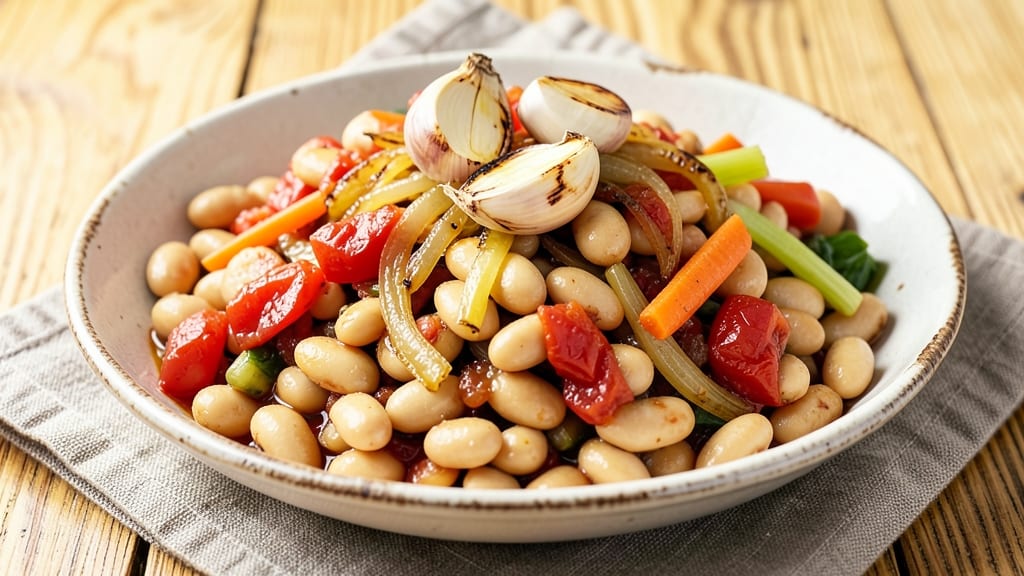
This bean ragout recipe transforms humble ingredients into a rich, hearty dish that sings with tomato, herbs, and slow-simmered depth. The secret lies in layering flavors—sautéing aromatics until fragrant, letting beans absorb the sauce, and finishing with a touch of acidity for balance.
I developed this version after years of refining traditional techniques, ensuring every spoonful delivers restaurant-quality comfort at home.
The beauty of ragout is its adaptability—use canned beans for convenience or dried for deeper flavor, swap seasonal vegetables, and adjust herbs to your taste. What makes this recipe special is the slow simmer, which develops a velvety texture and concentrated flavor that canned sauces can't match.
The result? A dish so satisfying it becomes the centerpiece of any meal, whether served with crusty bread or over rice.
What you'll achieve is a deep-flavored tomato and herb stew with tender beans, caramelized vegetables, and a sauce that clings perfectly to each bite. The aromatics—garlic, onions, and fresh herbs—infuse every component, while the acidity from tomatoes or vinegar brightens the richness.
This is the kind of dish that improves with time, making it ideal for meal prep or last-minute gatherings.
Pair it with crusty bread to soak up every last drop or serve alongside roasted potatoes for a complete vegetarian feast. The technique is straightforward, but the result is anything but basic—this ragout proves that simple ingredients, when treated with care, can create something extraordinary. Let's get started.
Ingredients for bean ragout
Transform humble pantry staples into a restaurant-worthy bean ragout with deep tomato and herb flavors.
| Ingredient | Amount | Notes |
|---|---|---|
| Dried White Beans 🌾 | 1 ½ cups | Soaked overnight for best texture |
| Crushed Tomatoes 🍅 | 2 cups | San Marzano preferred for sweetness |
| Yellow Onion 🧅 | 1 whole | Medium size, finely diced |
| Garlic Cloves 🧄 | 4 cloves | Freshly minced for aromatic depth |
| Carrots 🥕 | 3 medium | Peeled and sliced into rounds |
| Celery Stalks 🥬 | 2 whole | Trimmed and chopped into bite-sized pieces |
| Fresh Rosemary 🌿 | ½ tsp | Chopped, or 1 tsp dried equivalent |
| Fresh Thyme 🌿 | ½ tsp | Leaves only, finely chopped |
| Vegetable Oil 🫒 | ¼ cup | High smoke point preferred |
| Vegetable Broth 💧 | 1 ½ cups | Low-sodium for flavor control |
| Red Wine Vinegar 🍷 | 1 tbsp | For acidity balance |
| Salt 🧂 | 1 ½ tsp | Diamond Crystal preferred |
| Black Pepper 🌶️ | ½ tsp | Freshly cracked for heat |
| Bay Leaves 🌿 | 2 whole | Removed before serving |
The beans are the foundation—dried white beans develop the richest texture, but canned beans (drained and rinsed) work in a pinch. For dried, soak overnight in plenty of water to prevent gassiness. San Marzano crushed tomatoes bring natural sweetness and vibrant color, though high-quality canned tomatoes suffice. The aromatics—onion, garlic, carrots, and celery—should be finely chopped to meld into the sauce. Fresh rosemary and thyme elevate flavor, but dried herbs at one-third the amount are acceptable. Sourcing tip: Whole Foods or Trader Joe's carry excellent dried beans and canned tomatoes.
No fresh herbs? Dried oregano or basil at one-third the amount delivers similar depth. Short on tomatoes? Fresh plum tomatoes blended with their juices work beautifully. The red wine vinegar adds brightness—substitute balsamic vinegar if unavailable, though it's slightly sweeter. For a deeper flavor, deglaze the pot with a splash of dry white wine after sautéing the vegetables. The vegetable broth should be low-sodium to avoid over-salting the dish. Diamond Crystal kosher salt dissolves smoothly and enhances flavor without bitterness. Adjust seasoning gradually—taste as you go.
This ragout improves with time—reheat gently on the stove with a splash of water or broth to restore moisture. Store in an airtight container in the fridge for up to 5 days, or freeze for 3 months in portion-sized containers. For meal prep, double the batch and freeze half. To serve, garnish with fresh herbs just before eating. Pair with crusty sourdough or wild rice to complement the hearty texture. The dish also reheats beautifully for lunches—portion into containers with a side of bread for grab-and-go meals.
Why You'll Love This Recipe
- I’ll be real: I keep dried beans on hand just for this. They’re cheap, they last forever, and they stretch into meals that actually impress. The onions and carrots add color and crunch, but the real MVP? That can of crushed tomatoes sitting in my cabinet for months. No waste, no stress—just flavor that doesn’t break the bank.
- One-Pot Magic: I swear by this recipe because it’s literally one pot—no chopping boards, no extra pans. Just toss in the dried beans (soaked overnight, but honestly, I often cheat with canned when I’m desperate), onions, garlic, and carrots, then let it simmer. The crushed tomatoes handle all the heavy lifting while I do actual living.
- Garlic-Kissed Comfort: Between us, the moment those garlic cloves hit the pan is my favorite part. They caramelize just enough to add this deep, savory punch that makes the whole dish taste like a hug. The white beans soak up all the tomato-y richness, and the carrots? They melt into that perfect, slightly sweet spot. Not fancy, but ridiculously satisfying.
- Weeknight Superstar: This is my go-to when I’m too tired to plan but still need something hearty. Double the batch on Sunday, and I’ve got lunch for Tuesday, a quick dinner for Thursday, or a last-minute potluck dish. Freeze half if you’re feeling extra—it reheats like a dream, no weird textures.
Step-by-step instructions for deep-flavored tomato and herb slow simmer
This method builds rich, layered flavors through precise timing and gentle cooking techniques.
Prepare the Beans for Maximum Texture
Drain and rinse the soaked 1.5 cups dried white beans thoroughly under cold water. Place them in a large pot and cover with fresh cold water by 2 inches—this prevents the beans from floating and ensures even cooking. Add 1.5 teaspoons salt and bring to a boil over high heat. Once boiling, immediately reduce to a gentle simmer and cook uncovered for 45-60 minutes until the beans are tender but still hold their shape.
Here's the thing—overcooking at this stage turns beans mushy. You want them fork-tender with just a slight bite. Test by mashing one between your fingers; it should yield slightly with resistance. Drain the beans, reserving 1 cup of the cooking liquid for later use. This starchy liquid becomes the secret to a velvety ragout.
Develop the Aromatic Base
Heat the 0.25 cup vegetable oil in a large Dutch oven over medium heat until shimmering. Add the finely diced yellow onion and cook for 5-6 minutes until softened and translucent. Stir in the minced garlic cloves, sliced carrots, and chopped celery stalks, cooking for another 5 minutes until the vegetables begin to caramelize at the edges.
This step is where the foundation happens. The vegetables should release their natural juices and develop a rich, golden color. If the pan gets too dry, add 2 tablespoons water—just enough to deglaze without diluting the flavors. The vegetables should be tender but still retain their shape, not falling apart.
Build the Tomato-Herb Sauce
Pour in the 2 cups crushed tomatoes, scraping up any browned bits from the bottom of the pot. Add the 0.5 teaspoon chopped fresh rosemary, 0.5 teaspoon chopped fresh thyme, 1 tablespoon red wine vinegar, and the 2 whole bay leaves. Stir well, then bring to a gentle simmer over medium-low heat. Let it cook uncovered for 15 minutes, stirring occasionally, until the liquid reduces slightly and the flavors meld together.
The vinegar brightens the tomatoes while the herbs infuse their earthy notes. You'll notice the sauce darkening and thickening—this is when the natural sugars caramelize. If it reduces too quickly, add 2 tablespoons vegetable broth to maintain moisture. The sauce should coat the back of a spoon but still be loose enough to stir easily.
Combine and Simmer to Perfection
Add the cooked beans, 1.5 cups vegetable broth, and the reserved 1 cup bean cooking liquid to the Dutch oven. Stir in the 0.5 teaspoon black pepper and bring to a gentle simmer over low heat. Partially cover the pot and let it cook for 30-40 minutes, stirring every 10 minutes to prevent sticking and ensure even heating.
The ragout should thicken gradually as the liquid absorbs into the beans. You're aiming for a consistency where the beans are coated in a rich, glossy sauce but not swimming in liquid. Taste and adjust seasoning—add more salt if needed, or a splash of red wine vinegar for brightness. The bay leaves should be removed before serving, as they can be bitter if overcooked.
Rest and Serve for Optimal Texture
Once the ragout reaches your desired consistency—typically 30-40 minutes of simmering—remove it from heat and let it rest for 10 minutes. This resting period allows the flavors to fully integrate and the beans to absorb any remaining liquid, resulting in a more cohesive texture.
Serve the ragout warm, garnished with additional chopped fresh thyme or rosemary if desired. The dish should be hearty yet balanced, with tender beans in a deeply flavored tomato-herb sauce. Pair it with crusty bread or over polenta to soak up every last bit of that velvety ragout. The longer it sits, the better the flavors develop—so don't hesitate to make extra for leftovers.
Pro Tips For Making Bean Ragout
- SOAK BEANS OVERNIGHT: I learned this the hard way—rushing the soak means tough beans that never break down. Use 3 cups of water per cup of dried white beans, add a pinch of baking soda (trust me), and let them sit 12+ hours. No? Your ragout will taste like chewing cardboard, not flavor.
- SWEAT ONIONS LOW: High heat turns onions bitter, and you want them soft and sweet for this ragout. Use medium-low, add a splash of water, and cover the pan for 8-10 minutes. Stir occasionally—burnt onions ruin everything, and no one’s got time for that.
- CRUSH TOMATOES WELL: Skip the chunky bits if you want a smooth texture. Mash the crushed tomatoes with your fingers or a fork until there’s no resistance. This isn’t soup—you want a velvety base, not a stew with hidden surprises.
- ADD CARROTS LAST: Toss them in with the beans too early, and they’ll turn to mush. Save them for the final 15 minutes of cooking—just until they’re tender, not falling apart. Your ragout’s texture depends on this, so don’t skip it.
Troubleshooting perfect results
Mushy Beans Fix
If your beans turn mushy, it’s likely from overcooking or insufficient soaking. For dried beans, simmer for no longer than 60 minutes—they should be tender but still hold their shape. If using canned beans, rinse thoroughly to remove excess starch.
For a quick fix, stir in 1 tablespoon cornstarch mixed with 2 tablespoons water and simmer for 5 minutes to thicken the sauce and absorb excess moisture. 💫
Sauce Too Thin?
A watery ragout usually means too much liquid or insufficient simmering time. Reduce heat to low and let it cook uncovered for 10-15 minutes, stirring occasionally, to evaporate excess liquid. If needed, stir in 1 tablespoon tomato paste or 1 tablespoon cornstarch mixed with cold water to thicken.
For extra depth, add ½ cup reserved bean cooking liquid—its starch content naturally thickens the sauce.
Overpowering Vinegar
Too much acidity from vinegar can make the dish taste sharp. Balance it by adding 1 teaspoon sugar or ½ teaspoon honey to counteract the tartness.
Alternatively, stir in 1 tablespoon tomato paste or a pinch of salt to round out the flavors. Taste as you go—small adjustments make a big difference!
Burnt Onions or Garlic
If your aromatics burn, they’ll add bitterness to the dish. To prevent this, keep heat at medium and stir frequently. If it happens, deglaze the pot immediately with ¼ cup vegetable broth or white wine, scraping up the browned bits.
This step rescues flavor instead of letting bitterness dominate. Always keep an eye on the pan—burnt aromatics are a common rookie mistake. 🔥
Lacking Depth of Flavor
A bland ragout often means underdeveloped aromatics or insufficient simmering. Boost flavor by adding 1 teaspoon soy sauce (for umami) or ½ teaspoon smoked paprika for a smoky note. Let the dish simmer longer (up to 1 hour) to deepen the sauce.
For a quick fix, stir in 1 tablespoon balsamic vinegar or a splash of red wine at the end to brighten and complexify the flavors.
Vegetables Too Crunchy
If carrots or celery remain undercooked, they’ll disrupt the dish’s creamy texture. Simmer the ragout for an additional 10-15 minutes until vegetables soften. For a faster fix, puree ½ cup of the cooked veggies and stir back in to blend their flavors into the sauce.
This also adds natural sweetness and thickens the consistency without overcooking the beans. 🥕
Nutrition facts
Frequently asked questions
Can I use canned beans instead of dried?
Yes! For convenience, use 2 (15-ounce) cans of white beans (like cannellini or great northern), drained and rinsed thoroughly. Just reduce the simmering time by 15-20 minutes since canned beans are pre-cooked. The texture will be slightly softer but still delicious.
How do I make this ragout spicier?
Add ½ teaspoon red pepper flakes or 1 chopped chipotle pepper in adobo sauce when building the tomato-herb sauce. For heat lovers, stir in 1 teaspoon cayenne pepper at the end. Always taste first—you can adjust, but you can't remove spice!
What's the best way to reheat leftovers?
Gently reheat on the stove over low heat with 2 tablespoons water or broth to restore moisture. Avoid microwaving—it makes beans mushy. For extra flavor, add a splash of red wine vinegar or tomato paste while warming. Leftovers taste even better the next day!
Can I make this ragout in an Instant Pot?
Sauté the aromatics as directed, then add all ingredients except broth. Seal the lid and cook on High Pressure for 5 minutes, followed by a 10-minute natural release. Add broth and simmer on Low for 10 minutes to thicken. The pressure cooker cuts time by half but delivers the same deep flavor.
What herbs can I substitute if I don't have rosemary or thyme?
Use ½ teaspoon dried oregano or ½ teaspoon basil for thyme, and ½ teaspoon dried marjoram for rosemary. For a Mediterranean twist, add ¼ teaspoon ground allspice. Fresh herbs always taste best, but dried works in a pinch—just use one-third the amount.