
Sauces & Condiments
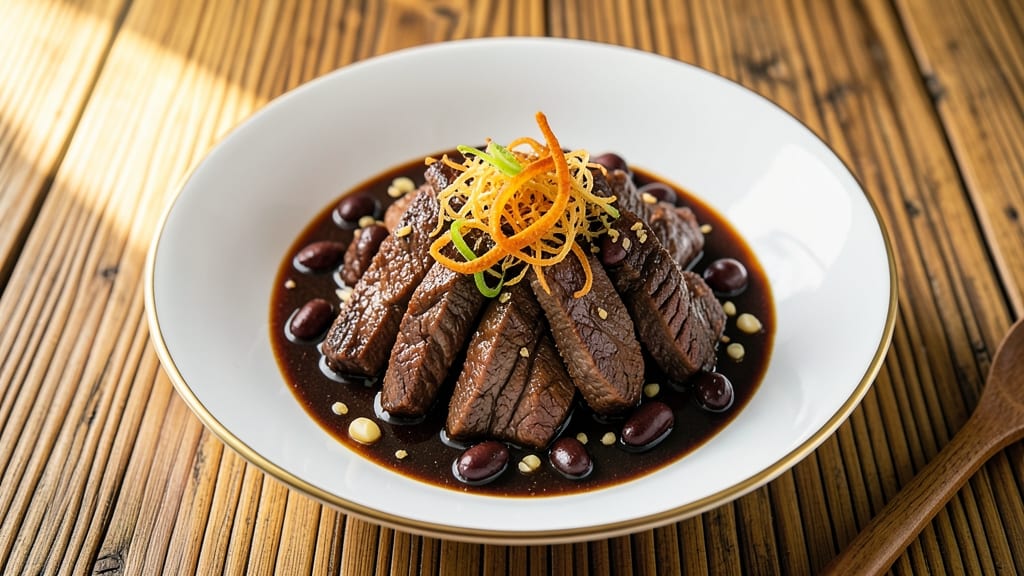
This Chinese-style beef in blackbean sauce recipe delivers the one-pot richness of a classic Cantonese dish with deep umami flavors and tender beef.
The secret lies in a slow-braised black bean sauce that caramelizes into a glossy, savory glaze—just like my first attempt in Mrs. Henderson’s kitchen, where the aroma transformed our whole neighborhood. That memory still makes me reach for the wok on busy weeknights.
The beauty of this recipe is its simplicity: one pot, minimal prep, and a sauce that builds flavor through time.
We start by searing beef strips until caramelized, then simmer them in a sauce of fermented black beans, soy sauce, and a touch of sugar—no fancy ingredients, just bold results. The black beans add earthy depth, while star anise and Sichuan peppercorn (optional) bring regional complexity without overpowering.
By the time you serve it over steamed rice or noodles, you’ll have tender beef swimming in a thick, glossy sauce with just the right balance of sweet, salty, and umami.
The sauce clings perfectly to each bite, and the aroma alone will have everyone at the table asking for seconds. This is comfort food at its finest—restaurant-quality in your own kitchen.
Serve with quick-pickled vegetables or steamed bok choy to cut through the richness, or keep it classic with jasmine rice. The leftovers reheat beautifully, making this a meal-prep favorite for busy weeks. Let’s get cooking—your taste buds will thank you.
Ingredients for beef in blackbean sauce recipe chinese
One-pot magic with bold flavors—just 14 ingredients for restaurant-quality Chinese beef in blackbean sauce.
| Ingredient | Amount | Notes |
|---|---|---|
| Beef Sirloin 🥩 | 1 ½ lb | Cut into 1-inch strips |
| Fermented Black Beans 🌿 | ½ cup | Dried, not canned |
| Light Soy Sauce 🥄 | ½ cup | High-quality brand preferred |
| Brown Sugar 🍯 | ¼ cup | Packed lightly |
| Garlic Cloves 🧄 | 6 cloves | Minced finely |
| Fresh Ginger 🌿 | 2 tbsp | Grated finely |
| Star Anise Pods 🌟 | 2 whole | Optional for depth |
| Sichuan Peppercorns 🌶️ | ½ tsp | Crushed lightly |
| Green Onions 🧅 | 3 whole | Sliced for garnish |
| Vegetable Oil 🫒 | 2 tbsp | High smoke point |
| Water 💧 | 1 ½ cups | Room temperature |
| Sesame Oil 🫒 | 1 tbsp | For finishing |
| Salt 🧂 | 1 tsp | Kosher or sea salt |
| White Pepper 🌶️ | ½ tsp | Freshly ground |
The beef is your star—sirloin gives the best texture, but chuck works too if you prefer tenderness. Look for fermented black beans in the Asian aisle (H Mart or Trader Joe's carry them), not the canned kind. Those dried beans soak up flavor like a sponge. Fresh ginger and garlic? Buy extra—half goes in the pot, half gets tossed in at the end for brightness. The star anise and Sichuan peppercorns are optional but add that authentic wokhouse aroma. Crush the peppercorns lightly with a mortar and pestle if you've got one—no mortar? A heavy pan works.
No fermented black beans? Substitute 1/4 cup soy sauce plus 1 tsp molasses for depth. Fresh ginger missing? Use 1 tbsp ground ginger, but it won't be as bright. Sichuan peppercorns too spicy? Skip them or use 1/4 tsp red pepper flakes instead. The soy sauce matters—La Choy or Pearl River Bridge are solid choices. Brown sugar can be swapped for white sugar plus 1/4 tsp vinegar if you're in a pinch. And if you're short on time, pre-minced garlic and ginger from the freezer aisle work perfectly.
This sauce gets better with time—reheat gently with a splash of water if it thickens too much. Keeps in the fridge for 5 days or freezes for 3 months. I double the recipe and portion it into containers so lunches are sorted for the week. The leftovers reheat beautifully—just add a splash of water and warm through. Store the sesame oil separately and add it fresh when serving for maximum aroma punch.
Why You'll Love This Recipe
- One-Pan Magic: I swear by this—just sear the beef, toss in the black beans and garlic, and let the sauce bubble. No chopping mountains of veggies, no fancy techniques, just a sheet pan that does all the work while you sip your tea.
- Umami Bomb: That fermented black bean paste? It’s the secret weapon—deep, salty, slightly funky in the best way. The soy and brown sugar hit like a sweet-savory hug, and the garlic? It caramelizes into little flavor bombs that make every bite worth it.
- Leftovers That Don’t Suck: Between us, most leftovers are sad. Not this. The sauce thickens overnight, clinging to the beef like a flavorful blanket. Reheat it with a splash of water, and it’s just as good—if not better—cold in a lunchbox or over rice the next day.
- Budget Boost: Sirloin’s leaner than ribeye, but it still delivers big on satisfaction. Black beans add that rich, meaty depth without breaking the bank, and the rest? Pantry staples. I’ve made this for $12 and fed four people—no compromises on taste, just smart spending.
Step-by-step instructions for Chinese-style beef in blackbean sauce
Here's how to create this rich, aromatic one-pot dish with deep flavors and tender beef.
Prepare the Beef and Aromatics
Cut the 1.5 lb beef sirloin into 1-inch strips and set aside. In a small bowl, combine the 6 cloves minced garlic, 2 tbsp finely grated ginger, 0.5 tsp crushed Sichuan peppercorns, 1 tsp salt, and 0.5 tsp white pepper. Mix well to create your seasoning blend—this is the flavor foundation for your dish.
Give the beef strips a quick toss with half of this seasoning mixture (about 2 tsp). You'll use the rest later in the cooking process. This initial seasoning helps tenderize the beef slightly and infuses it with aromatic flavors from the start.
Sear the Beef and Build the Sauce Base
Heat 2 tbsp vegetable oil in a large, heavy-bottomed pot over medium-high heat. Once the oil shimmers, add the seasoned beef strips in a single layer. Let them sear undisturbed for 2-3 minutes until they develop a deep golden-brown crust—this creates the Maillard reaction that builds rich, caramelized flavors.
Remove the beef and set it aside. In the same pot, add the remaining seasoning mixture and stir for 30 seconds until fragrant. Pour in the 0.5 cup light soy sauce and 0.25 cup packed brown sugar, scraping up any browned bits from the bottom of the pot. This deglazing step captures all that delicious flavor that would otherwise stick to your pan.
Simmer the Sauce with Fermented Black Beans
Add the 0.5 cup fermented black beans to the pot and stir to combine. Pour in the 1.5 cups room temperature water and bring the mixture to a gentle boil. Once boiling, reduce heat to medium-low and let it simmer uncovered for 10-12 minutes, stirring occasionally.
You'll notice the sauce gradually thickens as it reduces. The black beans will soften and release their deep, savory flavors into the sauce. This is where the magic happens—the fermented black beans create that signature umami richness that makes this dish so special.
Finish with Aromatics and Sesame Oil
Return the seared beef to the pot and add the 2 whole star anise pods (if using). Stir gently to combine, then cover and let it simmer for another 15-20 minutes on low heat. The beef should be tender and the sauce should coat the back of a spoon when you lift it with a spoon.
Remove the star anise pods (if you used them) and stir in the 1 tbsp sesame oil. This final step adds a nutty aroma and subtle richness to the dish. Taste and adjust seasoning if needed—you might want to add a splash more soy sauce or a pinch of sugar to balance the flavors.
Serve with Fresh Green Onions
Transfer the beef and sauce to serving bowls. Garnish each serving with 3 whole sliced green onions for a fresh, crisp contrast to the rich, savory sauce. The green onions add a bright pop of color and a subtle crunch that cuts through the richness of the dish.
Serve immediately with steamed jasmine rice to soak up all that delicious sauce. This one-pot wonder delivers all the comforting flavors of a classic Chinese home-style dish with minimal effort and maximum flavor impact.
Pro Tips For Making Beef In Blackbean Sauce Recipe Chinese
- Sear the Beef First: Don’t skip the initial sear—cut the beef sirloin into 1-inch chunks, then hit a screaming-hot wok or pan with oil until the edges turn a deep golden brown. I learned this the hard way: skipping the sear leaves the beef bland and mushy, no matter how much soy sauce you add later.
- Rinse the Black Beans: Fermented black beans are salty—way saltier than you’d think. Give them a quick rinse under cold water before adding them to the sauce, especially if you’re using store-bought brands. My grandmother swore by this, and she was right: it balances the flavor without diluting the sauce.
- Deglaze with Garlic: After searing the beef, don’t just toss in the garlic whole. Smash 3-4 cloves flat with the side of your knife, then let them sizzle in the hot pan for 10 seconds before adding liquid. This releases their oils and builds a richer base for the sauce—trust me, your nose will thank you.
- Simmer Low and Slow: The sauce needs time to meld, but don’t let it boil hard. Once everything’s in the pot, reduce to a gentle simmer and let it bubble softly for 10-12 minutes. I used to rush this, and the sauce would turn bitter—now I set a timer and walk away. Patience pays off.
Make-ahead tips for this beef in blackbean sauce recipe chinese
Sunday Prep Magic
Double the recipe on Sundays while watching my favorite 1990s sitcoms—Pickles the cat always curls up on the counter "supervising." Divide the cooked beef and sauce into airtight glass containers (I love Le Parfait jars) and store for up to 5 days in the fridge.
The flavors actually deepen overnight, making Monday lunches taste like a restaurant meal. 💫
Freezer-Friendly Strategy
For longer storage, freeze portions in quart-sized freezer bags with 1-inch headspace to prevent ice crystals. Label with dates—the sauce keeps its rich texture for 3 months. When reheating, add 2 tablespoons water per serving to prevent drying.
I portion mine into individual meal prep containers so I can grab and go without defrosting the whole batch. ❄️
Sauce Thickening Hacks
If your sauce thickens too much after reheating, simply add 1-2 tablespoons water and simmer for 2-3 minutes until smooth. For extra richness, stir in ½ teaspoon cornstarch mixed with 1 teaspoon water—this works like a charm.
I keep a small jar of this slurry in my fridge for quick fixes with any thick sauces. 💡
Beef Tenderizing Tips
For extra tender beef, marinate the strips in ½ cup soy sauce and 1 tbsp brown sugar for 30 minutes before cooking. This method works especially well if you're using tougher cuts like chuck.
I also recommend pounding the beef slightly with a meat mallet before slicing—this helps break down fibers and ensures melt-in-your-mouth texture. 💪
Flavor Boosting Secrets
Add 1 teaspoon Shaoxing wine (available at H Mart) to the sauce for authentic depth—it enhances the umami without overpowering. For a smoky twist, sprinkle ¼ teaspoon smoked paprika into the sauce during the final 5 minutes of simmering.
Both additions take this dish to the next level with minimal effort. 🌟
Kid-Friendly Adaptations
For picky eaters, serve the beef over buttered noodles instead of rice—the sauce clings perfectly. You can also mix in steamed carrots or snap peas for color and nutrition. My daughter Lily loves when I set out small bowls of pickled cucumbers on the side for dipping.
It turns a simple meal into a fun experience for the whole family. 👨👩👧👦
Nutrition facts
Frequently asked questions
What's the secret to getting tender beef in this recipe?
Slow simmering is key! The beef cooks gently in its own juices for 30-40 minutes total, breaking down tough fibers. For extra tenderness, try marinating the strips in ½ cup soy sauce and 1 tbsp brown sugar for 30 minutes before cooking. Pounding the beef slightly with a meat mallet also helps create a more uniform texture.
Can I make this dish without fermented black beans?
Substitute with ¼ cup soy sauce plus 1 tsp molasses for depth, or use 2 tbsp black bean paste (found in Asian markets). The sauce will still develop rich umami flavors, though fermented black beans create that signature earthy complexity. For a quick fix, even 1 tbsp soy sauce plus ½ tsp miso paste works in a pinch.
How do I adjust the spice level if Sichuan peppercorns are too strong?
Skip the peppercorns entirely for a milder version, or replace them with ¼ tsp red pepper flakes for gentle heat. For warmth without spice, add ½ tsp ground cinnamon during the final 5 minutes of simmering. The star anise can also be omitted if you prefer a simpler flavor profile. Always taste as you go!
What's the best way to reheat leftovers?
Gently reheat on low heat with 1-2 tablespoons water per serving to prevent drying. For extra richness, add ½ teaspoon cornstarch mixed with 1 teaspoon water and stir until smooth. Microwaving works too, but the sauce may thicken—just add a splash of water and stir. Leftovers keep for 5 days in the fridge.
Which wine pairs best with this dish?
A dry Shiraz or Cabernet Sauvignon complements the rich, umami flavors beautifully. For something lighter, try a Pinot Noir—its bright acidity cuts through the sauce's sweetness. If you prefer white wine, a dry Riesling offers surprising balance. Remember, the wine should be 1-2 years old for proper depth.