
Main Courses
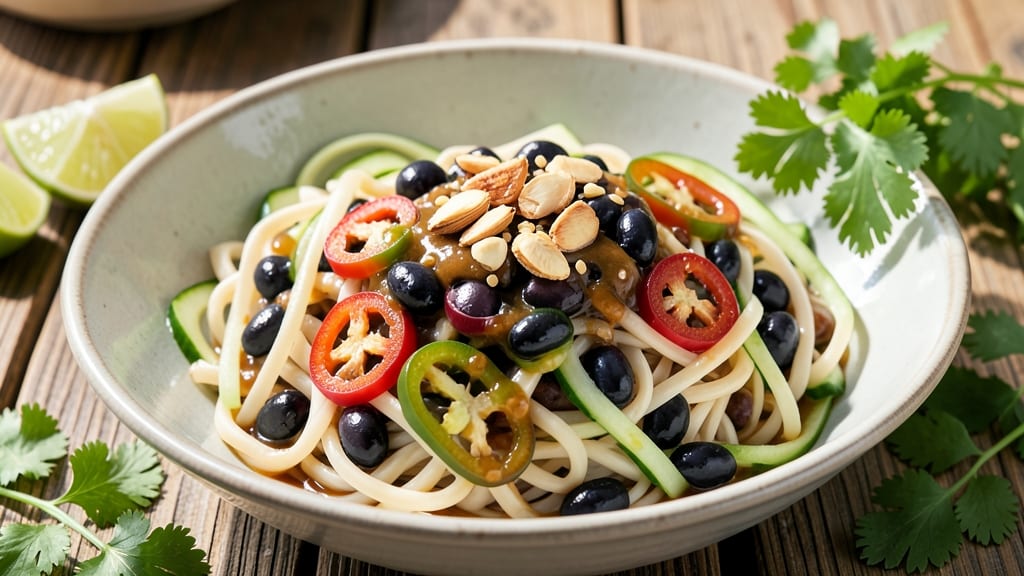
This one-pot black bean and rice noodle recipe delivers a protein-packed, vegan meal in just 25 minutes—perfect for busy weeknights when you need flavor without the fuss. The combination of hearty black beans, chewy rice noodles, and aromatic spices creates a satisfying, restaurant-style dish that’s surprisingly simple to assemble.
No chopping, no multiple pans, just one pot and a handful of ingredients that come together effortlessly.
The beauty of this recipe lies in its versatility—it works as a standalone meal or pairs beautifully with fresh herbs, lime, or a drizzle of chili oil for extra depth.
The black beans provide plant-based protein and fiber, while the rice noodles absorb the savory broth, creating a dish that’s both nourishing and deeply satisfying. Whether you’re cooking for one or feeding a crowd, this foolproof one-pot method ensures dinner is on the table faster than takeout.
Ingredients for black bean rice noodle
Pantry staples and fresh aromatics transform into a protein-rich, one-pot vegan masterpiece.
| Ingredient | Amount | Notes |
|---|---|---|
| Black Beans 🌱 | 1 ½ cups | Cooked, drained, or canned (low-sodium preferred) |
| Rice Noodles 🍜 | 8 oz | Medium-width, uncooked (or 3 cups cooked) |
| Vegetable Broth 💧 | 2 cups | Low-sodium, homemade or store-bought |
| Lime Juice 🍋 | 2 tbsp | Freshly squeezed, for brightness |
| Garlic Cloves 🧄 | 4 cloves | Minced, for aromatic depth |
| Fresh Ginger 🌿 | 1 tbsp | Grated, for zesty warmth |
| Coconut Aminos 🥄 | 3 tbsp | Or tamari/soy sauce for umami |
| Smoked Paprika 🌶️ | 1 tsp | For smoky complexity |
| Ground Cumin 🌿 | ½ tsp | Toasted for enhanced flavor |
| Red Chili Flakes 🔥 | ½ tsp | Adjust for heat preference |
| Cilantro 🌿 | ¼ cup | Chopped, for freshness (optional) |
| Avocado Oil 🫒 | 1 tbsp | High-smoke point for sautéing |
| Sea Salt 🧂 | 1 tsp | Diamond Crystal preferred |
| Black Pepper 🌶️ | ½ tsp | Freshly cracked for heat |
The black beans are the heart of this dish—low-sodium canned or cooked from dry works best. For the rice noodles, medium-width varieties hold up best in the broth, but any rice noodle will do. Whole Foods or Asian markets carry the best selection, but the regular grocery store usually has a decent option. Fresh ginger and garlic are non-negotiable here; their aromatic compounds build the dish's foundation. If you can't find fresh ginger, powdered works at half the amount, though it lacks the same depth.
No coconut aminos? Tamari or soy sauce delivers similar umami punch, though coconut aminos add a subtle sweetness that pairs beautifully. Smoked paprika adds complexity—Penzeys or Goya brands offer the best quality. For heat, red chili flakes are ideal, but cayenne at one-third the amount works in a pinch. The cilantro is optional but recommended; if you dislike it, skip it entirely—this dish still shines without it. Avocado oil's high smoke point lets you sauté the aromatics without burning, though any neutral oil will work if that's what you have.
Store cooked noodles in an airtight container with a splash of water to prevent drying—keeps for 3 days in the fridge. The broth-based dish reheats beautifully, though it's best enjoyed fresh. For meal prep, divide into portions and freeze for up to 3 months. The flavors meld even better after chilling overnight, making this the perfect make-ahead meal for busy schedules.
Why You'll Love This Recipe
- No-Chop Needed: I swear, this recipe is one of those rare dishes where you barely lift a knife. The black beans are canned, the rice noodles just need soaking, and the garlic? A quick mincer or even pre-chopped works—no tears, no stress.
- Lime-Garlic Magic: That bright hit of lime juice over warm broth and tender noodles? It’s like a flavor reset button. The garlic cloves caramelize just enough to add depth without overpowering, and the black beans bring that rich, earthy backbone—simple ingredients, but they sing together.
- Lunchbox Hero: Between us, this is my go-to for meal prep. Toss the cooled noodles with a little extra lime and broth, and they stay fresh for days. Pack it in containers, and you’ve got a satisfying, protein-packed lunch that doesn’t taste like leftovers—even on day three.
- Pantry Staple Power: Honestly, if you’ve got beans, noodles, and a lime, you’re already halfway there. No specialty ingredients, no last-minute grocery runs. It’s the kind of recipe that turns a few dollars’ worth of basics into something that feels like a proper meal—especially when you’re stretching a budget or craving something hearty without the fuss.
Step-by-step instructions for black bean and rice noodle bowl
This one-pot method delivers restaurant-quality flavor with minimal cleanup and maximum efficiency.
Prepare the Aromatic Base
Heat the 1 tablespoon avocado oil in a large skillet or deep pot over medium-high heat until shimmering. Add the 4 cloves minced garlic cloves and 1 tablespoon grated fresh ginger, cooking for 30-45 seconds until fragrant but not browned. This quick sauté develops the aromatic foundation without letting the garlic burn.
Immediately stir in the 1 teaspoon smoked paprika, 0.5 teaspoon ground cumin, and 0.5 teaspoon red chili flakes. Toast the spices for 10 seconds until you can smell their warm, earthy notes filling the kitchen. This step unlocks the full depth of flavor in your dish. Remove the pan from heat briefly if you notice any smoke—you want color, not char.
Build the Flavorful Sauce
Return the pan to medium heat and add the 1.5 cups black beans, breaking them up gently with a wooden spoon. Pour in the 2 cups vegetable broth and 3 tablespoons coconut aminos, scraping up any browned bits from the bottom of the pan. These flavorful bits, called fond, contain concentrated umami that transforms an ordinary dish into something extraordinary.
Bring the mixture to a gentle simmer and cook for 5 minutes, stirring occasionally. You'll notice the black beans begin to soften slightly and the sauce thicken as the liquid reduces. This reduction process concentrates the flavors and creates a rich, cohesive base for your noodles. Taste the sauce at this point and adjust seasoning if needed—add a pinch more salt if the beans weren't low-sodium.
Cook the Rice Noodles
Add the 8 ounces rice noodles to the simmering bean mixture, breaking them up with your spoon to prevent clumping. Stir gently to distribute the noodles evenly throughout the sauce. The noodles will begin to soften almost immediately as they absorb the hot liquid. Cover the pan and reduce heat to low, letting the noodles cook for 8-10 minutes.
During this time, check the noodles occasionally by tasting a small piece—you want them to be tender but still slightly chewy with a bite. Overcooking will turn them mushy, so resist the urge to rush this step. The noodles should cook through completely in the sauce, eliminating the need for separate boiling and draining. This one-pot method maintains their delicate texture while infusing them with all the rich bean flavors.
Finish with Bright Acid and Fresh Herbs
Once the noodles are perfectly cooked, remove the pan from heat and stir in the 2 tablespoons lime juice. The acidity brightens all the flavors, cutting through the richness of the black beans and coconut aminos. You'll immediately notice the dish transform—colors become more vibrant and the overall flavor profile becomes more balanced and complex.
Gently fold in the 0.25 cup chopped cilantro (if using) and give everything one final taste. Adjust seasoning with additional sea salt or black pepper if needed. The dish should be well-seasoned but not overwhelming. Let it rest for 2-3 minutes before serving—this allows the flavors to meld together completely and the noodles to absorb any remaining sauce.
Pro Tips For Making Black Bean Rice Noodle
- SOAK NOODLES SEPARATELY: I learned this the hard way—dumping rice noodles straight into boiling broth makes them turn to mush. Instead, soak them in warm water (not boiling) for 5-7 minutes first, then drain and add to the simmering broth. This keeps them tender but holds their shape, so they don’t turn into a gluey mess.
- MINCE GARLIC FINE: My grandmother swore by this, and she was right: chop that garlic into tiny, almost paste-like pieces. You want it to dissolve completely into the broth, not just sit as chunks. A quick pulse in a food processor works if you’re impatient like me—just don’t overdo it or you’ll end up with garlic puree.
- SIMMER BEANS LOW: Black beans need gentle heat to soften without falling apart. After adding them to the broth, keep the temperature at a bare simmer—no rolling boil. If you rush this, they’ll turn to paste, and your dish will lose texture. Sounds weird, but it works: cover the pot for the first 5 minutes to help them absorb flavor faster.
- ACID LAST: Lime juice is your flavor bomb, but add it at the very end. If you toss it in too early, the acid will toughen the rice noodles and make them gummy. A squeeze at the end brightens everything up without ruining the texture—plus, you can adjust the tang to your taste right before serving.
Essential equipment for this recipe
One-Pot Magic Pan
Your large skillet or deep pot (10-12 inches wide) is the star of this recipe. I recommend a nonstick stainless steel pan like the All-Clad Stainless—it handles high heat beautifully and prevents sticking. If you're on a budget, a heavy-duty enamel Dutch oven works perfectly too.
The key is finding a pot with enough capacity to hold all ingredients without overcrowding, which keeps the noodles from turning mushy. 🔥
High-Quality Heat Source
A gas stove gives you the most precise temperature control, but electric stoves work fine if you're patient. If you're using induction, make sure your pan is induction-compatible—Calphalon makes great induction-friendly cookware.
Avoid cheap nonstick pans with low heat tolerance; they'll release toxins when overheated. I've ruined more meals than I'd like to admit with flimsy cookware, so invest in quality here.
Precision Tools
For mincing garlic and ginger, a microplane is my go-to tool—it creates fine, even grates that cook faster and infuse more flavor. A sharp chef's knife works too, but take your time to avoid chopping unevenly.
For stirring and breaking up noodles, a wooden spoon is ideal—it won't scratch your pan or burn your hands. I keep a small bowl nearby to measure lime juice and coconut aminos precisely, as these ingredients make all the difference in balancing flavors.
Optional Upgrades
If you love fresh herbs, a herb scissor makes quick work of chopping cilantro without the mess. For meal prep, I use glass Pyrex storage containers with snap-on lids to keep leftovers fresh.
And if you're serving this dish hot, a heatproof spatula helps transfer the noodles without breaking them. These aren't must-haves, but they make the process even smoother—trust me, I've tried them all! ✨
Nutrition facts
Frequently asked questions
Can I use dried black beans instead of canned?
Yes! Cook 1 cup dried black beans in 4 cups water with a pinch of salt for 1-1.5 hours until tender. Drain well before using—this prevents a watery noodle dish. For faster prep, soak the beans overnight or use a pressure cooker (20 minutes on high).
What if I don't have coconut aminos?
Use 3 tbsp tamari or low-sodium soy sauce for umami depth. For extra richness, add 1 tsp miso paste or 1 tbsp nutritional yeast. Avoid regular soy sauce if you're watching sodium—it's 3x saltier than coconut aminos.
How do I make this spicier?
Double the red chili flakes to 1 tsp or add 1 tbsp sriracha at the end. For heat lovers, stir in 1-2 slices fresh chili (like jalapeño or serrano) with the lime juice. Remove seeds for milder heat.
Can I make this gluten-free?
Ensure your rice noodles are certified gluten-free (check labels). Use tamari made from brown rice instead of coconut aminos, and verify all spices (like smoked paprika) are processed in gluten-free facilities. Most rice noodles are naturally GF, but always double-check.
Why did my noodles turn mushy?
Overcrowding or too much liquid causes this. Always use a large enough pot (10-12 inches) and reduce heat to low once noodles are added. If using pre-cooked noodles, drain well and pat dry before adding. For extra insurance, cook noodles separately for 2 minutes first, then add to the bean sauce.