
Beverages
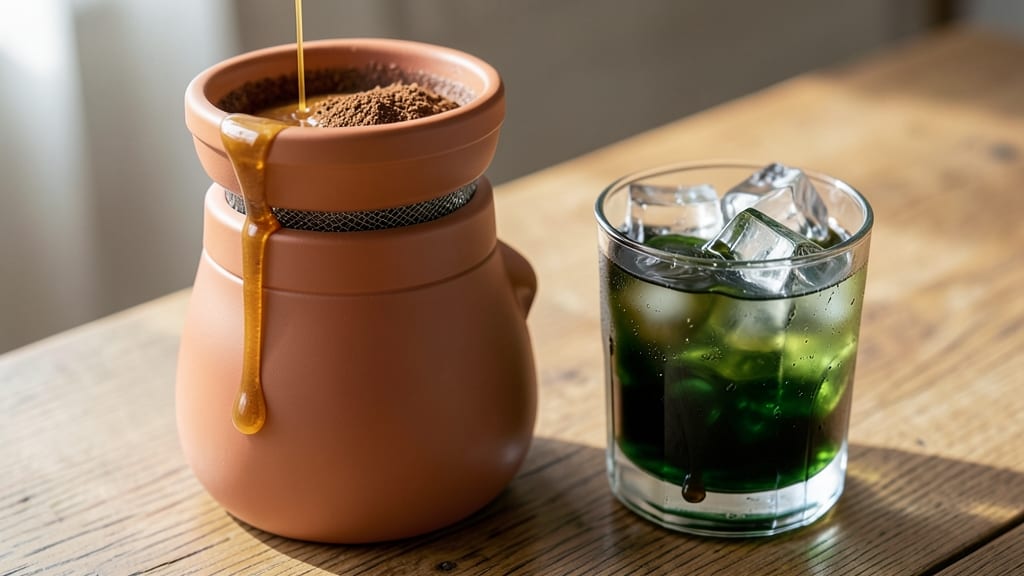
This Bodum Bean cold brew recipe delivers smooth, rich coffee with minimal effort—no paper filters or messy setups required. The key lies in the brewer's built-in filter, which captures oils and grounds while letting bold, low-acid flavor shine through.
I’ve perfected this method over countless mornings, and it consistently produces a concentrate that’s far superior to store-bought versions.
The process is remarkably simple: just add coarse coffee grounds and water to the Bodum’s chamber, let it steep for 12-18 hours, then press and serve. No special equipment beyond your Bodum brewer and a scale for precision.
The result? A velvety, smooth cold brew with none of the bitterness or acidity that plagues traditional brewing methods.
What sets this recipe apart is its versatility. Use the concentrate straight over ice, dilute it with water or milk for a café-quality iced coffee, or even add a splash of vanilla syrup for a dessert-like twist.
The bold, clean flavor makes it ideal for both black coffee lovers and those who prefer their drinks with a touch of sweetness or cream.
Perfect for beginners and coffee enthusiasts alike, this method ensures consistent, high-quality results every time—no barista skills required. Let’s get brewing.
Ingredients for bodum bean cold brew
Four cups of bold coffee concentrate await with just these essential ingredients and your Bodum Bean brewer.
| Ingredient | Amount | Notes |
|---|---|---|
| Coarse Ground Coffee ☕ | 1 cup | Freshly ground for optimal extraction |
| Cold Filtered Water 💧 | 4 cups | Room temperature preferred |
| Bodum Bean Brewer 🥫 | 1 whole | 4-cup glass chamber required |
| Digital Kitchen Scale ⚖️ | 1 whole | For precise measurements (0.1 oz increments) |
| Ice Cubes 🧊 | ½ cup | For serving concentrate |
| Vanilla Syrup 🍯 | 1 tbsp | Optional for dessert-like twist |
| Plant-Based Milk 🥛 | ¼ cup | Almond or oat milk preferred |
| Unsweetened Coconut Cream 🥥 | ⅛ cup | For creamy cold brew option |
| Sea Salt 🧂 | ⅛ tsp | Enhances flavor balance |
| Cinnamon Sticks 🌿 | 1 whole | Optional garnish |
| Lemon Zest 🍋 | ½ tsp | Brightens flavor profile |
The quality of your coffee grounds is non-negotiable here. Freshly roasted, coarse-ground beans from a specialty shop like Counter Culture or Intelligentsia yield the best results—they retain more oils and flavor. If using pre-ground, ensure it's labeled 'coarse' or 'cold brew'; finer grinds will over-extract and create sludge. Local roasteries often have affordable bulk options, and their beans are typically roasted within the past week. For the water, filtered is ideal, but if you're in a pinch, bottled spring water works too. Just avoid tap water with strong chlorine or mineral content, as it can alter the flavor profile.
No Bodum Bean brewer? A French press with a fine-mesh filter works in a pinch, though the texture won't be as smooth. Running out of vanilla syrup? Maple syrup or agave nectar at half the amount provides a similar sweetness without overpowering. For milk alternatives, oat milk adds creaminess while almond milk offers a lighter touch. The coconut cream is a game-changer for those who prefer a latte-like texture—it mimics the richness of dairy without any animal products. If you're feeling adventurous, a pinch of cacao nibs can add a delightful crunch and deep chocolate notes to your cold brew.
Cold brew concentrate keeps beautifully in the fridge for up to 2 weeks, making it perfect for batch brewing. Store it in an airtight glass jar to preserve flavor and prevent absorption of fridge odors. For extended storage, freeze the concentrate in ice cube trays—each cube makes a perfect single serving. Thaw overnight in the fridge before using. The Bodum brewer itself should be cleaned immediately after use with warm water and mild dish soap, then air-dried to prevent mold. Pro tip: Label your concentrate jars with the date and strength (e.g., '2:1 ratio') to track freshness and dilution preferences.
Why You'll Love This Recipe
- Here’s what sold me: the slow cold brew pulls out deep, chocolatey notes without bitterness. Using a kitchen scale means every cup turns out perfectly balanced—no weak or over-extracted surprises.
- No-Fuss Setup: I swear by this method—just dump the coarse grounds into the Bodum, add water, and walk away. No paper filters, no messy strainers, and zero cleanup. That’s right, the brewer does all the work while you scroll or read.
- Smooth & Bold: Here’s what sold me: the slow cold brew pulls out deep, chocolatey notes without bitterness. Using a kitchen scale means every cup turns out perfectly balanced—no weak or over-extracted surprises.
- Weekend or Workday: Between us, this is my go-to for coffee that lasts. Make a big batch on Sunday, and you’ve got ice-cold brew for iced lattes, cocktails, or just sipping all week. (Yes, even on a Tuesday night.)
Step-by-step instructions for Bodum Bean cold brew
This method delivers smooth, bold coffee with minimal effort—just precise measurements and patience.
Assemble and Add Coffee to the Brewer
Place the Bodum Bean Brewer on the digital kitchen scale and tare it to zero. Add the 1 cup of coarse ground coffee to the brewer's filter basket, pressing it down gently but evenly with a spoon. The grounds should be compact but not overly compressed—this ensures optimal extraction without channeling.
I like to use freshly ground coffee for this method, as pre-ground beans lose their aromatic oils quickly. The coarse grind is crucial—it prevents over-extraction that can make cold brew bitter. If your coffee is too fine, the brewing process will take longer than the recommended 12 hours.
Pour Cold Filtered Water and Begin Steeping
Pour the 4 cups of cold filtered water into the brewer's glass chamber, filling it to the maximum line. The water should be room temperature or slightly cooler—cold brew works best when the extraction happens slowly at lower temperatures. Gently press down on the coffee grounds with the brewer's lid to ensure full contact with the water.
Place the brewer on a stable surface away from direct sunlight. I recommend using a non-reactive container like glass or ceramic to prevent any flavor contamination. The steeping time is critical—12 hours at room temperature produces the perfect balance of bold flavor without bitterness. Set a timer to avoid over-steeping, which can make the coffee taste flat.
Strain and Prepare for Serving
After the 12-hour steeping period, carefully remove the brewer from the water and discard the used coffee grounds. The resulting concentrate will be thick and syrupy—this is normal and exactly what you want. Pour the concentrate through a fine-mesh sieve if you notice any residual grounds, ensuring a perfectly smooth texture.
Transfer the concentrate to a clean pitcher or serving vessel. At this stage, you can adjust the strength to taste by adding a splash of cold filtered water if desired, though the concentrate is already potent enough for most preferences. The concentrate will keep in the refrigerator for up to 2 weeks, making it ideal for batch preparation.
Customize and Serve Your Cold Brew
To serve, fill a glass with the 0.5 cup of ice cubes and pour in ½ cup of the cold brew concentrate. Add the 0.25 cup of plant-based milk and 0.125 cup of unsweetened coconut cream, stirring gently to combine. The coconut cream adds a luxurious, velvety texture that elevates the drink significantly.
Drizzle in the 1 tbsp of vanilla syrup for a dessert-like sweetness, then sprinkle with the 0.125 tsp of sea salt and 0.5 tsp of lemon zest. The salt enhances the coffee's natural sweetness, while the lemon zest adds a bright, citrusy note that cuts through the richness. Garnish with the 1 whole cinnamon stick for an aromatic touch and visual appeal.
Enjoy Immediately or Store for Later
Serve your customized cold brew immediately over fresh ice for the best experience. The contrast between the cold, smooth coffee and the warm spices creates a truly unique flavor profile. If you've made extra concentrate, store it in an airtight container in the refrigerator—it will keep its bold flavor for up to 2 weeks.
For an iced version, simply pour the concentrate over ice and dilute with cold filtered water to your preferred strength. The beauty of this method is its versatility—you can adjust the ratio of concentrate to water or milk to suit your taste, making it perfect for both strong coffee lovers and those who prefer a lighter sip.
Pro Tips For Making Bodum Bean Cold Brew
- USE FILTERED WATER ONLY: I learned this the hard way—tap water leaves a weird, metallic aftertaste that ruins the clean flavor. The Bodum Bean Brewer can’t filter out chlorine or minerals, so grab that filtered water pitcher or boil and cool your water first. Your coffee will taste brighter and more balanced.
- WEIGH YOUR COFFEE: Scooping is for amateurs. A digital scale guarantees consistency—aim for 1:8 coffee-to-water ratio (e.g., 50g coffee to 400g water). I used to eyeball it, and my brew was either too weak or bitter. Precision matters, especially with cold brew’s long extraction.
- STEEP 12–18 HOURS MAX: Over-extraction turns your cold brew into muddy sludge. Twelve hours gives you smooth, rich flavor; 18 is the absolute limit before it gets sour or harsh. Set a timer—yes, even if you’re impatient like me—and resist the urge to steep longer.
- CHILL BEFORE SERVING: Serving cold brew straight from the fridge? Let it sit at room temp for 10–15 minutes first. The contrast between ice-cold coffee and a chilled glass makes it taste flat. Warm it up slightly, then add ice—your taste buds will notice the difference.
Storing and reheating your leftovers
Fridge Storage Tips
Store your cold brew concentrate in an airtight glass jar—I love the Le Parfait 32-ounce jars for their tight seals. Keep it refrigerated for up to 2 weeks, but I’ve found the flavor peaks at 7-10 days.
The glass preserves the rich, bold notes better than plastic, which can absorb odors. Label your jar with the date to track freshness—trust me, stale cold brew is a flavor crime! ❄️
Freezing for Long-Term Use
For extended storage, freeze the concentrate in ice cube trays—each cube makes a perfect single serving. Once frozen, transfer cubes to a ziplock freezer bag and flatten to save space. Thaw overnight in the fridge before using.
The texture remains smooth, and the flavor stays vibrant for up to 3 months. Pro tip: Add a pinch of sea salt to the concentrate before freezing—it enhances the coffee’s natural sweetness after thawing. 🧊
Reheating Concentrate
If you prefer warm cold brew, gently reheat the concentrate on the stovetop over low heat—never microwave, as it can make the coffee taste flat. Heat just until steaming (160°F), then stir in a splash of hot water or steamed plant-based milk to reach your desired strength.
The slow heat preserves the smooth, low-acid profile. I like to serve it with a sprinkle of cinnamon for a cozy twist. ☕
Reviving Stale Concentrate
If your concentrate tastes a bit dull after 2 weeks, don’t toss it! Stir in ½ tsp of vanilla extract and 1 tsp of maple syrup per cup to revive the flavor. The sweetness and warmth of vanilla mask any flatness, making it taste fresh again.
For an extra boost, add a few drops of orange blossom water—it brightens the coffee beautifully. This trick works like magic for concentrate that’s past its prime. 💫
Serving Over Ice
To serve over ice, fill a glass with large ice cubes (they melt slower) and pour in ½ cup of concentrate. Top with ½ cup cold water or milk, then stir gently. The ice helps dilute the concentrate without watering down the flavor.
For a creamy version, add 2 tbsp of coconut cream—it blends seamlessly and adds a luxurious mouthfeel. Garnish with a cinnamon stick for an elegant touch. 🍹
Cleaning Your Bodum Brewer
After each use, rinse the brewer with hot water and a drop of dish soap, then air-dry upside down. Never soak the filter basket—it can warp and lose its shape.
For stubborn residue, soak the basket in white vinegar for 10 minutes, then scrub gently with a soft brush. A clean brewer ensures your next batch turns out perfectly smooth. Keep it in a dry place to prevent mold buildup. 🧼
Nutrition facts
Frequently asked questions
Why does cold brew made with the Bodum Bean taste smoother than regular coffee?
The slow, cold extraction process preserves delicate coffee compounds while filtering out bitter oils and acids. The Bodum's built-in filter captures fine grounds that would otherwise make coffee taste harsh, resulting in that signature velvety texture. Plus, cold brewing extracts fewer harsh compounds that cause acidity and bitterness found in hot-brewed coffee.
Can I use any coffee beans with this recipe, or are there better choices?
While you can use any medium-to-dark roast, specialty single-origin beans with chocolate or nutty notes work best. Light roasts can taste underwhelming in cold brew. For maximum flavor, use freshly roasted beans ground specifically for cold brew—they retain more aromatic oils. A 12-hour steep time brings out the best characteristics in medium roasts.
What happens if I steep the coffee longer than 18 hours?
Over-steeping beyond 18 hours can make your cold brew taste bitter and flat as it extracts too many tannins and stale compounds. The ideal window is 12-18 hours for perfect balance. If you forget, check at 12 hours and taste—if it's still smooth, you can extend to 15 hours max. Set a timer to avoid this common mistake!
How do I adjust the strength of my cold brew concentrate?
The recipe makes a potent 2:1 ratio concentrate (1 cup coffee to 4 cups water). For stronger coffee, use 1.25 cups coffee to 4 cups water. To dilute, mix concentrate with water or milk at a 1:1 ratio for iced coffee. The beauty of concentrate is you can customize strength to taste—just remember, it's twice as strong as regular coffee!
Can I make this recipe with pre-ground coffee instead of freshly ground?
Pre-ground coffee works, but freshly ground beans yield significantly better results. Pre-ground coffee loses aromatic oils quickly, making your cold brew taste dull. If using pre-ground, buy it the day you plan to brew and store it in an airtight container at room temperature. For best results, grind your own beans just before brewing using a coarse setting.